
March 14, 1885
How a Comic Opera Shaped English and Theatre
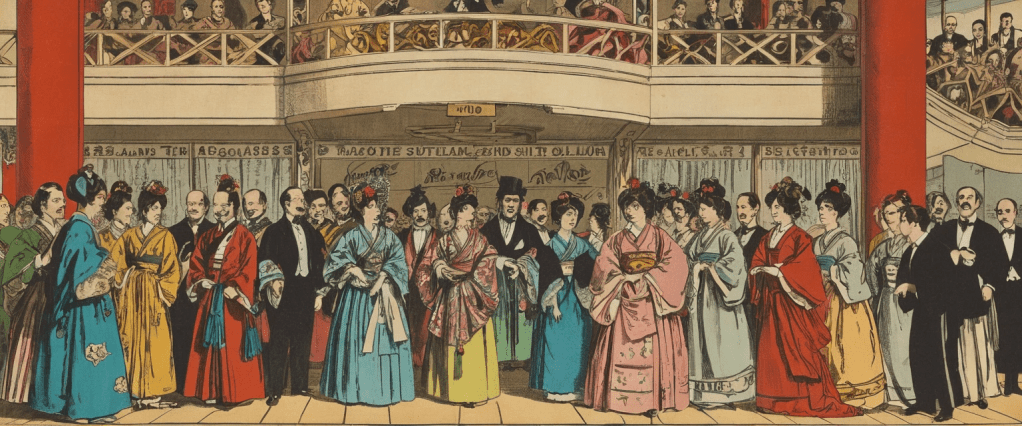
On March 14, 1885, the comic opera The Mikado, composed by Arthur Sullivan with a libretto by W.S. Gilbert, premiered at the Savoy Theatre in London. This operetta, one of the most successful works of the Gilbert and Sullivan partnership, used a Japanese setting as a satirical lens to critique British society. Its popularity and cultural impact extended beyond the world of theatre, influencing English vocabulary, idiomatic expressions, and the development of musical theatre terminology.
Linguistic Contributions and New Expressions
The Mikado introduced and popularized several words and phrases that became embedded in the English language, either directly or through their use in theatrical and literary contexts.
- “Mikado” – Meaning “Emperor of Japan”, the word itself existed prior to the opera but gained widespread familiarity in English-speaking countries after the operetta’s success.
- “Pooh-Bah” – One of the opera’s most famous characters, Lord High Everything Else, is named “Pooh-Bah.” His title reflects excessive self-importance and holding multiple offices at once. The term entered English slang as a descriptor for someone with an inflated sense of their own authority or someone with many titles but little power.
- “Titipu” – The fictional Japanese town in which The Mikado is set has sometimes been referenced humorously in English to suggest a comically exaggerated or overly bureaucratic place.
- Phrases from the lyrics – Some of Gilbert’s witty lyrics contributed to popular sayings and cultural references, though they are now less commonly recognized.
Impact on Musical Theatre Terminology
Beyond its immediate linguistic influence, The Mikado played a crucial role in shaping musical theatre as a genre, introducing and reinforcing theatrical conventions that persist in modern stage productions.
- “Patter song” – While not unique to The Mikado, the operetta’s famous fast-paced, rhythmically intricate songs reinforced the popularity of this style in English-speaking theatre. Later musicals, including those by Stephen Sondheim and even rap-infused Broadway productions like Hamilton, owe part of their stylistic inspiration to Gilbert’s lyrical dexterity.
- “Savoy opera” – The Mikado cemented the reputation of the Savoy Operas, a term referring to the Gilbert and Sullivan productions staged at the Savoy Theatre. This subcategory of English comic opera influenced later works in musical theatre.
Satire, Cultural Borrowing, and the Evolution of English
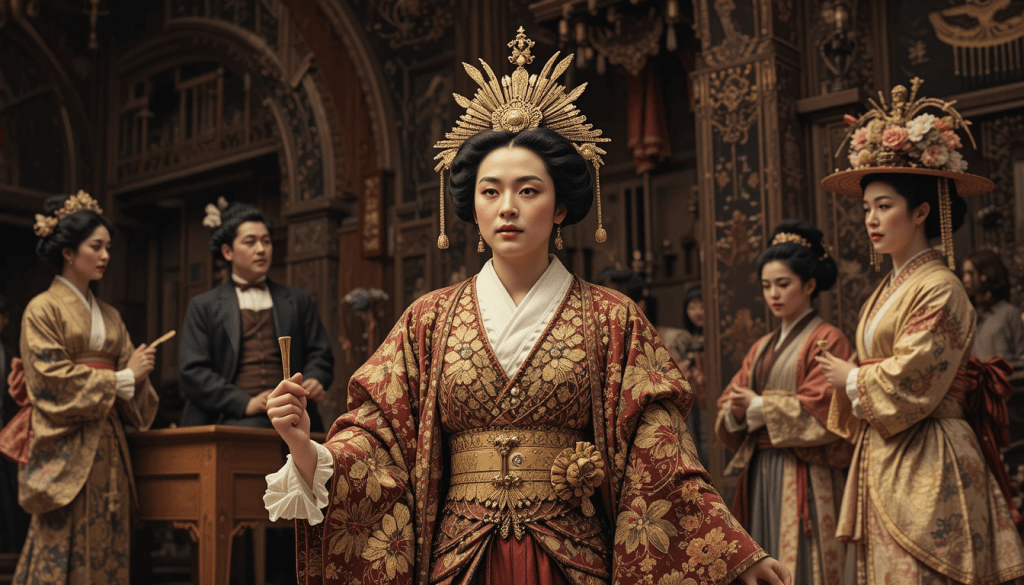
Although The Mikado was set in Japan, it was not an attempt to depict Japanese culture accurately. Instead, Gilbert and Sullivan used an exoticized setting as a vehicle for satirizing British bureaucracy, legal systems, and aristocracy. This reflected a broader trend in English literature and theatre, where distant or fantastical settings were used to critique contemporary society.
- The opera’s use of mock-Japanese names, stylized costuming, and exaggerated manners contributed to English perceptions of Japan at the time.
- While later interpretations have grappled with its cultural sensitivity, the linguistic and theatrical innovations it introduced remain influential.
Legacy in Popular Culture and Everyday English
Over the years, The Mikado has been referenced, adapted, and parodied in many forms, ensuring its continued presence in the English language.
- Hollywood and television – Films, cartoons, and TV shows have referenced characters, lyrics, and themes from The Mikado, reinforcing certain phrases in popular discourse.
- Political and social satire – The term “Pooh-Bah” continues to appear in political journalism, often used to describe bureaucrats or self-important figures.
- Adaptations and reinterpretations – The Mikado has been modernized in productions that tweak its language and cultural presentation while retaining its core satirical and musical elements.
A Lasting Contribution to English and Theatre
The premiere of The Mikado on March 14, 1885, was not just a milestone in theatrical history—it was a linguistic and cultural event that influenced English vocabulary, musical theatre conventions, and satirical storytelling. Its legacy endures in:
- The English lexicon, through words like Pooh-Bah and the continued awareness of The Mikado as a classic.
- Musical theatre traditions, with its innovations in structure, humor, and character types influencing later Broadway and West End productions.
- Satirical language and commentary, reinforcing how theatre can shape political and cultural discourse.
Through its witty wordplay, inventive storytelling, and theatrical innovation, The Mikado remains one of the most influential operettas in English history, leaving an imprint on both the language and the evolution of musical theatre.
From satire to stage, The Mikado’s words still echo in politics, theatre, and everyday speech!
Originally published on March 14, 2025, on The-English-Nook.com.
Visit my page to find out ‘What Happened on this Day?‘ and learn ‘The Word of the Day‘—you’ll find it here first and all in one place!
If you’re a language enthusiast, you’ll have access to a variety of resources, including short stories in English and Spanish, interesting readings, vocabulary, and much more—not just for English, but also for Spanish. Come check it out!
 What Happened on This Day?
Leave a comment