
March 16, 1660
A Turning Point in English Language and Politics
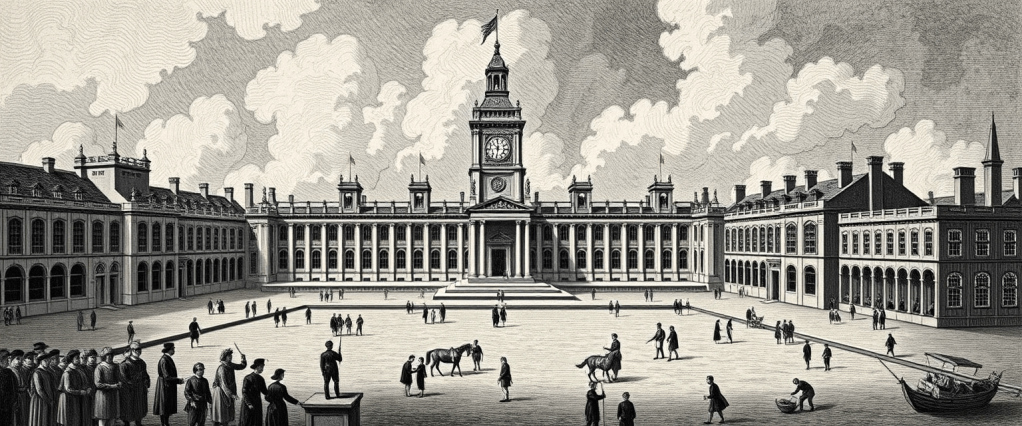
On March 16, 1660, the Long Parliament of England was formally dissolved, paving the way for the Convention Parliament, which would oversee the Restoration of the monarchy under Charles II. This political transition had profound consequences for English governance, literature, and linguistic evolution. The Restoration era that followed saw a revival of theater, the expansion of political discourse, and the standardization of written English, all of which left a lasting imprint on the English language.
Historical Context: The End of the Long Parliament and the Restoration of the Monarchy
The Long Parliament, which first convened in 1640, played a crucial role in the English Civil War and the subsequent Interregnum period (1649–1660) under Oliver Cromwell’s Commonwealth and Protectorate. After years of political instability and military rule, public sentiment shifted toward restoring the monarchy. The dissolution of the Long Parliament marked the beginning of this process, leading to the return of Charles II to the throne in May 1660.
This political transformation reshaped English society, including its literary culture, political language, and journalistic landscape. The Restoration ushered in an era of linguistic dynamism, satire, and the flourishing of artistic expression, much of which had been suppressed during the Puritan rule of Cromwell.
Linguistic and Literary Impact of the Restoration
The dissolution of the Long Parliament and the subsequent Restoration period had a profound influence on English vocabulary, literature, and rhetorical expression.
1. The Reopening of Theaters and the Birth of Restoration Drama
During the Puritan-led Commonwealth, public theaters had been closed (since 1642), as they were considered immoral and frivolous. However, under Charles II, theaters were revived, leading to the emergence of Restoration drama, a genre known for its witty dialogue, elaborate wordplay, and satirical social commentary.
- New Theatrical Terminology: The Restoration era introduced theatrical terms such as prologue, epilogue, and aside into broader usage.
- Influence on English Comedy: The era popularized comedy of manners, a form of satire that mocked social conventions through sharp dialogue and clever repartee.
- Female Actresses on Stage: For the first time, women were allowed to perform on the English stage, adding new dimensions to dramatic language and performance culture.
Notable playwrights such as William Wycherley, George Etherege, and Aphra Behn shaped the language of Restoration comedy, influencing later writers like Oscar Wilde and Noël Coward.
2. Expansion of Political and Journalistic Vocabulary
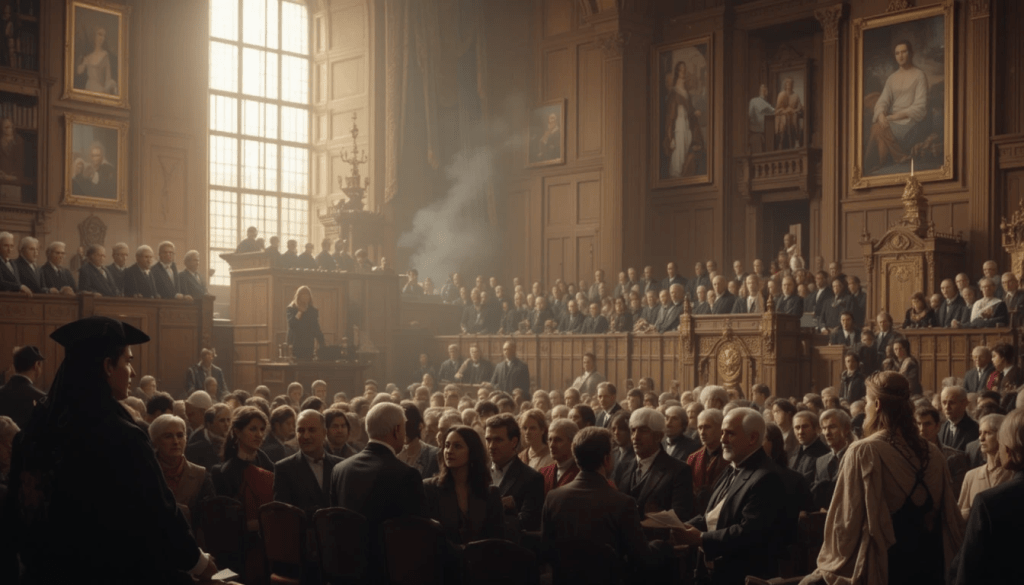
With the return of the monarchy, political discourse flourished, and newspaper publication resumed after years of suppression. This period saw the proliferation of political pamphlets, satire, and early forms of modern journalism, leading to an expansion of political terminology in English.
- Words and Phrases Popularized: Terms such as loyalist, royalist, dissenter, and Whig and Tory (which would later define British political factions) gained prominence.
- Growth of Political Satire: Writers like John Dryden and Andrew Marvell used political poetry and prose to critique contemporary figures, shaping satirical rhetoric still seen in modern English.
- Emergence of Periodicals: Publications like The London Gazette (founded in 1665) laid the groundwork for the modern newspaper industry, establishing journalistic conventions still in use today.
3. Standardization of English and Literary Refinement
The Restoration era also contributed to linguistic refinement and the development of standardized English usage.
- Rise of Prescriptive Grammar: Scholars and writers, influenced by the Restoration’s emphasis on order and clarity, sought to standardize English spelling, grammar, and syntax.
- John Dryden and the Evolution of English Prose: As one of the leading literary figures of the Restoration, Dryden helped shape modern English prose style, advocating for elegance, balance, and clarity in writing.
- Early Efforts to Codify English: The intellectual environment of the Restoration paved the way for later works like Samuel Johnson’s Dictionary of the English Language (1755), which would formalize English vocabulary.
Cultural and Linguistic Legacy of the Restoration Period
The dissolution of the Long Parliament was more than just a political event—it was a turning point that redefined English culture, literature, and language. The restoration of the monarchy under Charles II led to:
- A dramatic shift in English literary expression, with the rise of satire, wit, and theatrical innovation.
- An expansion of political and journalistic language, influencing modern journalism, political debate, and public discourse.
- The standardization of English prose and grammar, shaping the evolution of written and spoken English.
The linguistic transformations that followed the dissolution of the Long Parliament continue to influence English today, from the satirical humor of contemporary media to the political vocabulary we use to discuss governance and society.
By setting the stage for the Restoration era, March 16, 1660, became a landmark date in the history of the English language, literature, and communication.
From political chaos to poetic clarity—1660 reshaped the English language forever!
Originally published on March 16, 2025, on The-English-Nook.com.
Visit my page to find out ‘What Happened on this Day?‘ and learn ‘The Word of the Day‘—you’ll find it here first and all in one place!
If you’re a language enthusiast, you’ll have access to a variety of resources, including short stories in English and Spanish, interesting readings, vocabulary, and much more—not just for English, but also for Spanish. Come check it out!
 What Happened on This Day?
Leave a comment