

March 26, 1942
A Prolific Career in American Literature
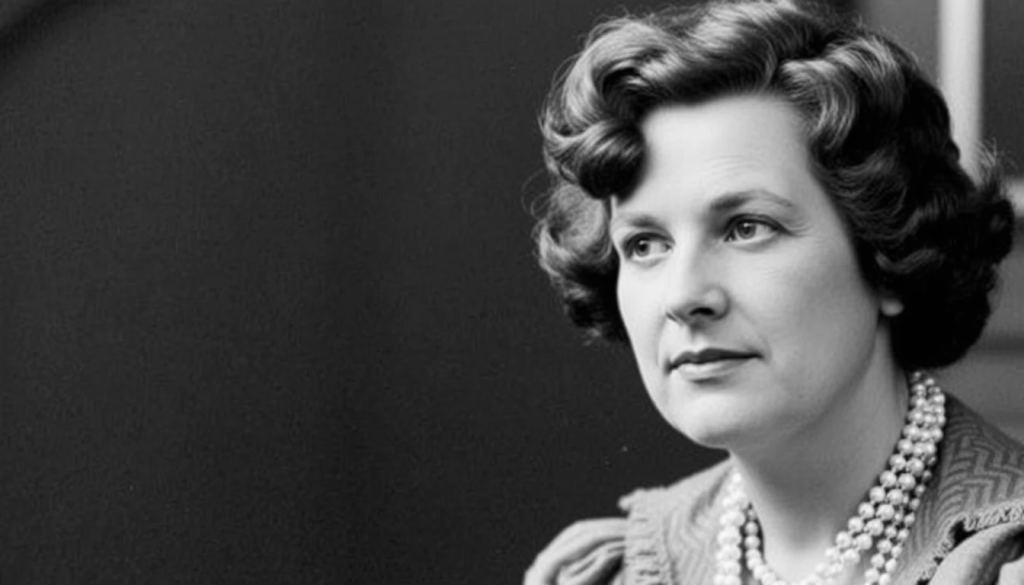
On March 26, 1942, Carolyn Wells, an American writer and poet known for her vast contributions to mystery fiction, children’s literature, and light verse, passed away in New York City. Over the course of her prolific career, she authored more than 170 books, solidifying her place as a major literary figure of the early 20th century. Her versatility and ability to craft compelling narratives across multiple genres made her one of the most widely read authors of her time.
Wells’ literary legacy endures in both detective fiction and juvenile literature, where her engaging storytelling and clever use of language continue to influence writers and entertain readers. She was instrumental in popularizing the “whodunit” style of mystery writing in America and contributed significantly to the landscape of children’s fiction, helping shape early 20th-century popular literature.
Influence on Mystery Fiction and the Evolution of the “Whodunit” Genre
Wells is perhaps best remembered for her detective novels, which played a pivotal role in the development of the classic “whodunit” mystery. Inspired by prominent writers such as Arthur Conan Doyle and Anna Katharine Green, she crafted intricate, puzzle-like plots filled with twists, red herrings, and intellectual challenges that kept readers engaged.
- The Fleming Stone Series – One of Wells’ most notable contributions to detective fiction was her creation of the character Fleming Stone, a highly skilled amateur detective who appeared in dozens of her novels. His keen observational skills, logical deductions, and gentlemanly demeanor set a precedent for future literary detectives.
- The Locked-Room Mystery – Wells was an early contributor to the locked-room mystery, a subgenre that presents seemingly impossible crimes solved through brilliant deductive reasoning. This style would later be perfected by authors such as John Dickson Carr and Agatha Christie.
- Expansion of Mystery Terminology – Her novels helped popularize key mystery-related terms such as “sleuth,” “red herring,” “clue-driven narrative,” and “plot twist,” making them integral to the crime fiction lexicon.
- Bridging Classic and Golden Age Mystery Writing – Though her work predates the Golden Age of detective fiction (1920s–1940s), she laid the groundwork for the genre’s development. Her influence is evident in later mystery writers, including Agatha Christie and Ellery Queen, who expanded on her storytelling techniques.
While her detective fiction was highly regarded, Wells was also known for her appreciation of logic puzzles and cryptic riddles, which she seamlessly wove into her plots. This aspect of her work made her mysteries both intellectually stimulating and highly engaging, helping to define the conventions of detective fiction for future generations.
Contributions to Children’s Literature and the Development of Early Juvenile Fiction
In addition to her success in mystery fiction, Wells was an accomplished children’s author. Her ability to craft whimsical, imaginative tales made her a favorite among young readers and contributed to the expansion of early American children’s literature.
- Nursery Rhymes and Fairy Tales – Wells wrote numerous stories for children, often incorporating fairy-tale motifs, playful language, and elements of fantasy to spark the imagination of young readers.
- The Patty Fairfield Series – Among her most beloved works for children was the Patty Fairfield series, which followed the adventures of a young girl navigating life and friendships. This series became a staple of early 20th-century juvenile fiction, influencing later coming-of-age stories.
- Humorous and Light Verse – Wells also had a gift for poetry, particularly in the realm of humorous and light verse. Her playful, rhythmic language contributed to the popularization of witty, engaging poetry in American literature, appealing to both children and adults.
Through her work in children’s literature, Wells helped shape the genre’s development, introducing themes of adventure, curiosity, and personal growth while expanding the imaginative boundaries of young readers.
Impact on the English Language and Literary Culture
Beyond her direct contributions to literature, Wells played a role in shaping the broader English lexicon, particularly in the realms of detective fiction, humor, and children’s storytelling. Her inventive use of language and narrative structure left a lasting impression on American literature.
- Popularization of Mystery Terminology – Many of the words and phrases commonly associated with detective fiction, such as “alibi,” “suspect,” “locked-room mystery,” and “crime puzzle,” gained cultural significance partly due to Wells’ influence in the genre.
- Expansion of Playful and Witty Language – Her light verse and humorous poetry helped shape the tradition of wordplay and clever rhyming schemes in American literature, paving the way for later writers of comedic and satirical poetry.
- Influence on Future Writers – Many later authors of detective fiction and children’s literature have cited early 20th-century writers like Wells as foundational to their storytelling techniques, particularly in terms of structure, character development, and linguistic creativity.
Wells’ ability to engage readers across different age groups and literary genres speaks to her mastery of language and storytelling, making her a significant figure in the evolution of American literary culture.
The Lasting Presence of Carolyn Wells in Literary History
Although she passed away in 1942, Carolyn Wells’ impact on literature remains undeniable. As a pioneer of both detective fiction and children’s literature, she helped shape genres that continue to thrive today. Her work in mystery fiction contributed to the rise of the “whodunit” novel, while her children’s books introduced young readers to engaging storytelling and playful language.
Her influence persists not only in literary studies but also in the everyday language and concepts associated with detective fiction and humorous poetry. Wells’ ability to blend intricate plotting with linguistic creativity ensured that her stories would be remembered long after her time. Today, she remains an essential figure in the history of American literature, with her contributions continuing to inspire writers and entertain readers across generations.
She didn’t just write mysteries — she became one of literature’s timeless clues.
Originally published on March 26, 2025, on The-English-Nook.com.
Visit my page to find out ‘What Happened on this Day?‘ and learn ‘The Word of the Day‘—you’ll find it here first and all in one place!
If you’re a language enthusiast, you’ll have access to a variety of resources, including short stories in English and Spanish, interesting readings, vocabulary, and much more—not just for English, but also for Spanish. Come check it out!
 What Happened on This Day?
Leave a comment