
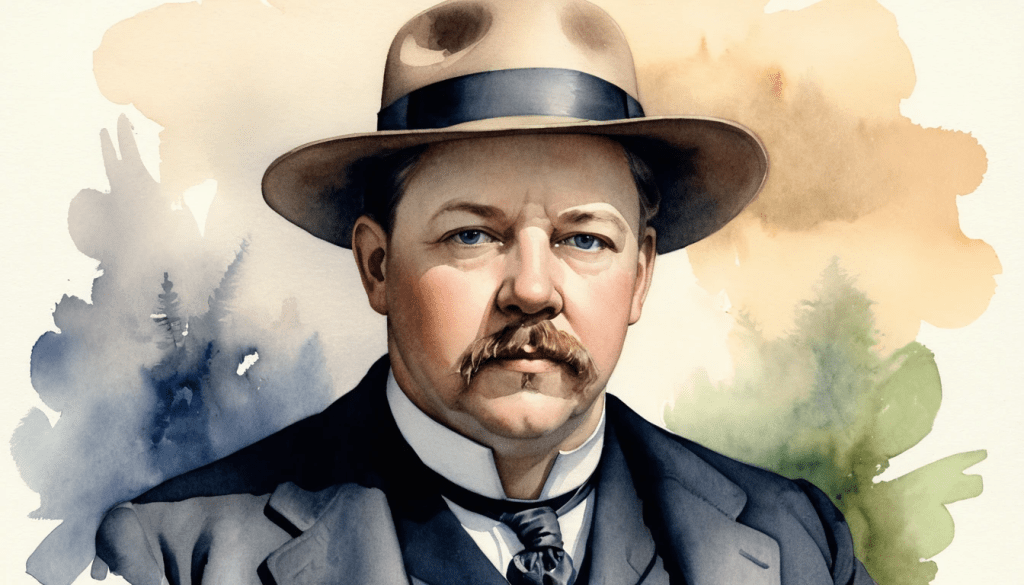
December 9, 1845
The Writer Who Carried Oral Tradition Into the English-Language Page
On December 9, 1845, Joel Chandler Harris was born in Eatonton, Georgia. A journalist, folklorist, and fiction writer, Harris became famous for the Uncle Remus tales—stories that blended elements of African American oral tradition, animal folklore, and plantation-dialect storytelling.
Though his work is inseparable from the racial and cultural complexities of the post–Civil War South, Harris played a major role in bringing African American folktales into the printed English-language literary sphere. His versions of Br’er Rabbit, Br’er Fox, and other trickster figures reshaped how generations of English-speaking readers encountered the folklore of the American South.
His writings occupy a complicated but important place in the history of English-language storytelling, folklore studies, and the literary preservation of oral tradition.
1. A Bridge Between Oral Tradition and English Print Culture
Harris’s work marked a pivotal moment in the encounter between oral African American storytelling and written English literature.
- He transcribed and adapted folktales that had circulated for generations in African-descended communities of the South.
- These tales, when printed, entered the English-language canon of children’s stories, trickster narratives, and American folklore.
- Through him, Br’er Rabbit became one of the most recognizable trickster figures in English-language literature.
While his mediating voice was shaped by the racial attitudes of his era, the tales themselves carried deep cultural memory and linguistic play into English print.
2. Influence on English Representations of Dialect and Voice
The Uncle Remus stories played a major role in how English-speaking readers encountered Black Southern vernacular—though filtered through Harris’s own, often problematic, minstrel-influenced representations.
- His use of dialect fueled later debates about authenticity, appropriation, and linguistic caricature.
- At the same time, his work pushed English-language literature to recognize distinct regional and cultural speech patterns as subjects for storytelling.
- His stories helped shape the emerging field of American dialect literature, influencing writers such as Mark Twain, Charles Chesnutt, and later Zora Neale Hurston.
Harris’s approach was flawed, but it triggered essential conversations about voice, representation, and the diversity of English.
3. A Foundation for American Folklore Studies
Harris’s work indirectly helped establish folklore as a field of study within English-language scholarship.
- His collections inspired later folklorists to document, catalog, and preserve oral traditions more rigorously and respectfully.
- Scholars of African American studies, linguistics, and anthropology often engaged with Harris’s work—sometimes as source material, sometimes as critique—when building more accurate accounts of Black storytelling.
- His stories drew international attention to African American folklore, prompting translations and comparative studies.
Through Harris, English-language readers encountered the idea that folklore is literature—rooted in voice, community, and memory.
4. The Trickster in English: Br’er Rabbit’s Linguistic Legacy
Br’er Rabbit, as rendered by Harris, entered English literature as one of its enduring trickster figures.
- The tales circulated in English classrooms, nurseries, and libraries across the English-speaking world.
- They influenced later children’s literature, comic storytelling, and Southern writing, embedding trickster logic and humor into English narrative traditions.
- Even after critiques of Harris’s cultural framing, the stories themselves remain recognized as part of the African diasporic contribution to English-language storytelling.
The endurance of these tales reflects the power of oral tradition to reshape written English from below.
Glossary of Enduring Ideas from Harris
- Oral-to-written transmission — moving folktales into English print
- Dialect representation — the complex depiction of spoken varieties of English
- Trickster narrative — humor and survival through wit
- Folklore as literature — community storytelling as a literary resource
- Cultural mediation — the tensions of interpreting one tradition through another lens
Harris’s Enduring Voice
Born on December 9, 1845, Joel Chandler Harris occupies a complicated but undeniable place in English-language literary history. His Uncle Remus stories introduced English-speaking audiences to a body of folklore that had lived for centuries in African American oral tradition, even as his framing reflected the racial attitudes of his era.
From these tensions emerged a transformation: oral tradition became part of English literature, and folklore became a field worthy of scholarly attention.
One storyteller, one conflicted legacy, one lasting reminder — English grows richer when it listens, even imperfectly, to the voices hidden in its own land.
Curious about what happened today in history? Want to learn a new word every day?
You’ll find it all—first and in one place—at The-English-Nook.com!
If you love languages, this is your space.
Enjoy bilingual short stories, fun readings, useful vocabulary, and so much more in both English and Spanish.
Come explore!
 What Happened on This Day?
Leave a comment