
2025 December
-

Anthony Hopkins proves that spoken English is a disciplined music. By honoring syntax, meter, and pause, he makes complex writing audible, precise, and alive. His performances teach that clarity comes from structure, emotion from grammar, and authority from restraint—English realized, not approximated, through decades of stage and screen mastery alone.
-
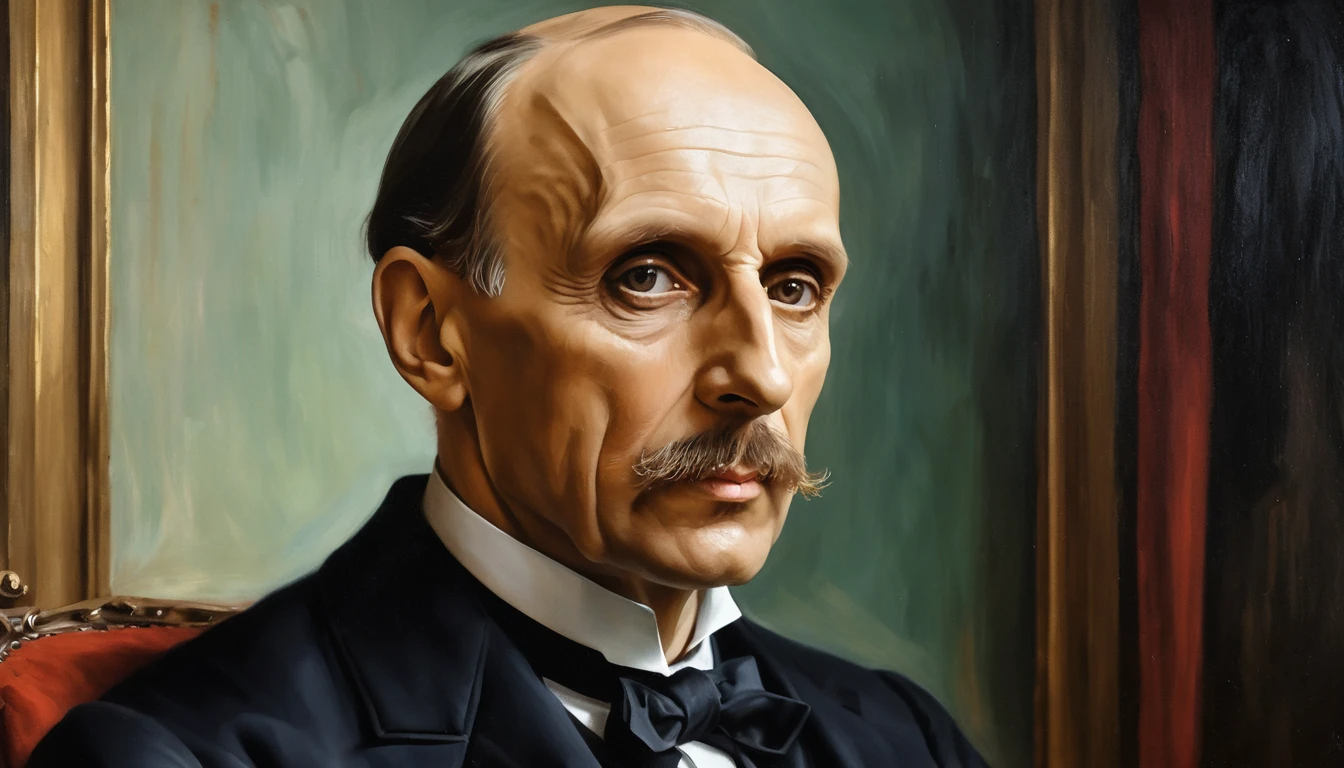
When Romain Rolland died in 1944, English lost a moral voice it had never owned, yet deeply absorbed. Through translation, his pacifism and ethical clarity shaped how English writers spoke of conscience, war, and responsibility—teaching the language restraint, seriousness, and the courage of principled dissent.
-
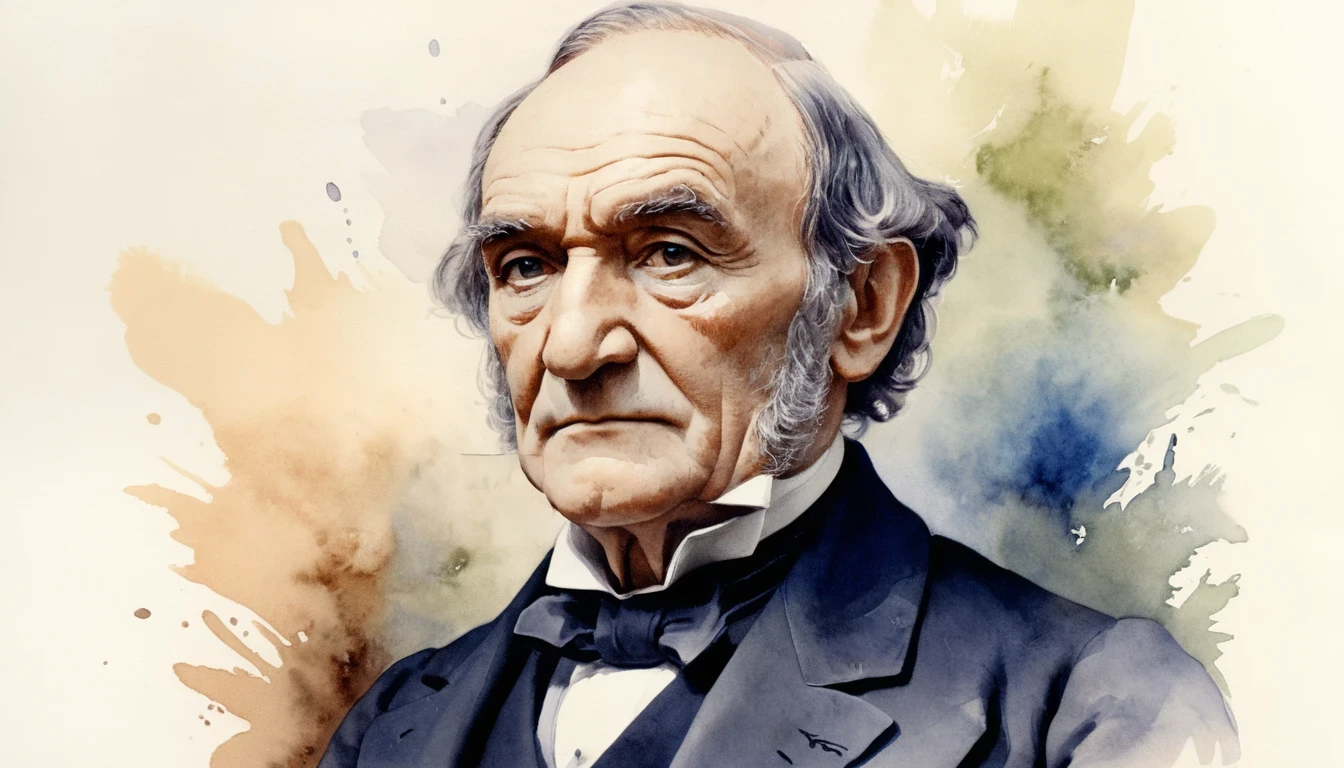
Born December 29, 1809, William Ewart Gladstone shaped nineteenth-century English prose through moral argument and classical discipline. His speeches and essays demonstrated how complex sentences could carry ethical weight, intellectual rigor, and persuasive force, defining a serious register of English that influenced political, academic, and public discourse.
-

Born December 28, 1922, Stan Lee reshaped English storytelling through comics. He fused mythic stakes with everyday speech, rapid dialogue, humor, and direct address. By letting heroes sound human, he expanded popular English—making it conversational, emotional, and epic—while legitimizing comics as literature for generations of readers and future creators worldwide.
-

On December 27, 1831, Darwin’s voyage aboard the HMS Beagle taught English to think in processes rather than declarations. Observation replaced authority, accumulation replaced assertion, and time itself entered prose. From this journey, English learned to argue patiently, describe gradual change, and treat uncertainty as intellectual strength.
-

December 25 is one of the most densely written dates in English. Across sermons, poems, letters, and stories, it provides a shared narrative grammar of renewal, judgment, and generosity. More than a subject, Christmas Day organizes how English rehearses moral meaning, returning each year to the same emotional center.
-

On December 24, 1818, “Silent Night” revealed that sacred meaning need not be ornate. Through simple words, gentle repetition, and universal images, English learned to speak holiness softly. The carol reshaped hymnody, seasonal poetry, and emotional tone, proving that restraint can carry memory, peace, and shared wonder across generations worldwide.
-

On December 23, 1888, suffering crossed into literature as deliberate self-narration. After his crisis in Arles, Van Gogh turned to letters as survival. Pain became structured language, identity was written into coherence, and inner life emerged as something disciplined, communicable, and ethically shaped rather than hidden or romanticized.
-

Beatrix Potter died in 1943, leaving behind more than Peter Rabbit. Discover how her books, farms, Herdwick sheep, Hill Top, and Lake District legacy joined children’s literature to conservation.
-
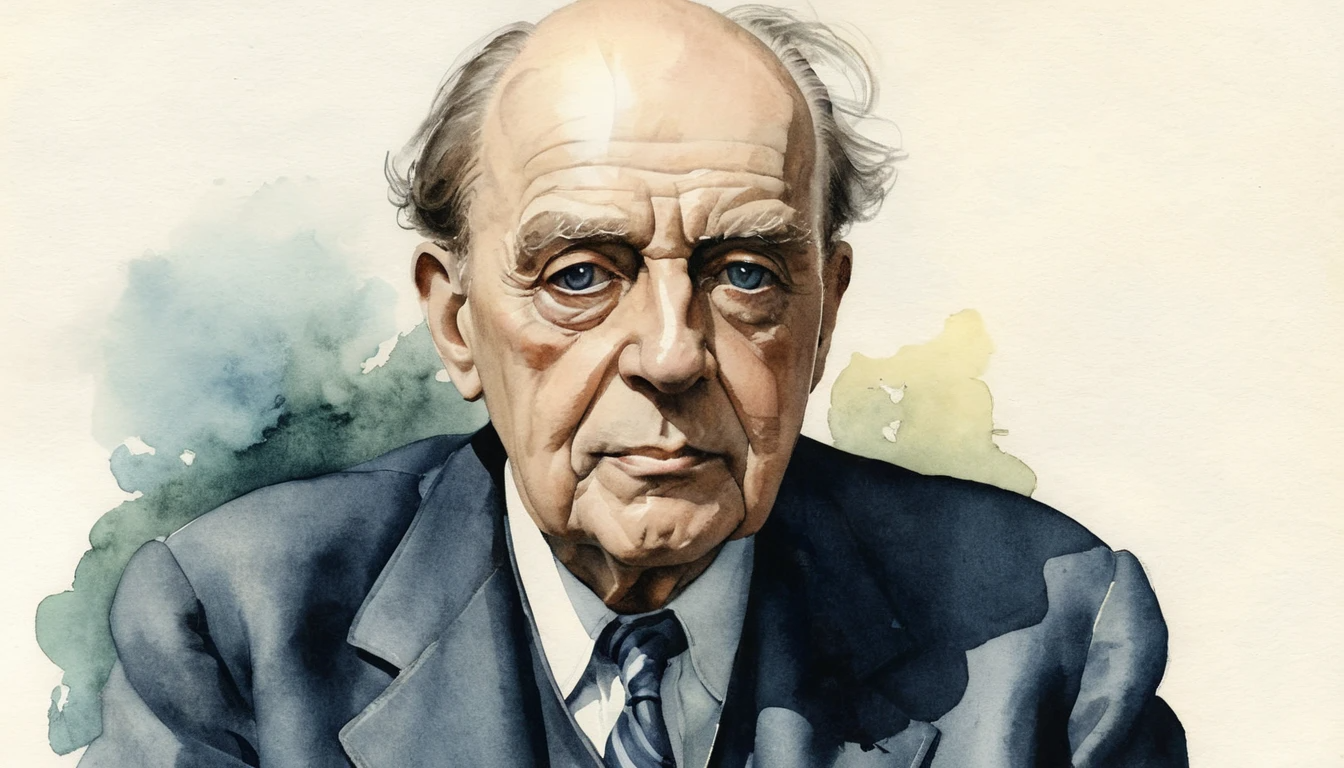
Born December 21, 1917, Heinrich Böll shaped postwar English literary thought through translation. His restrained realism offered a language for guilt, conscience, and responsibility after catastrophe, rejecting heroics and abstraction. By accounting for damage rather than dramatizing it, Böll taught English prose how moral seriousness can emerge through clarity, silence, and ethical restraint.