
2025 April
-
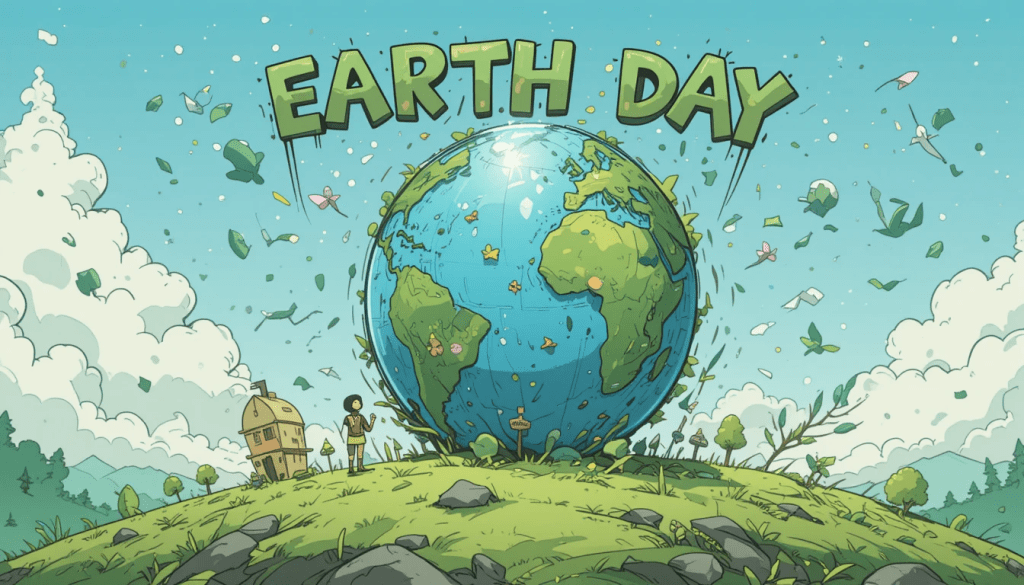
April 22, 1970, marked more than the first Earth Day—it sparked a revolution in how we talk about the planet. From “environmentalism” to “sustainability,” it seeded a new vocabulary of awareness, activism, and ecological responsibility, shaping how English expresses our growing relationship with nature and the urgency to protect it.
-
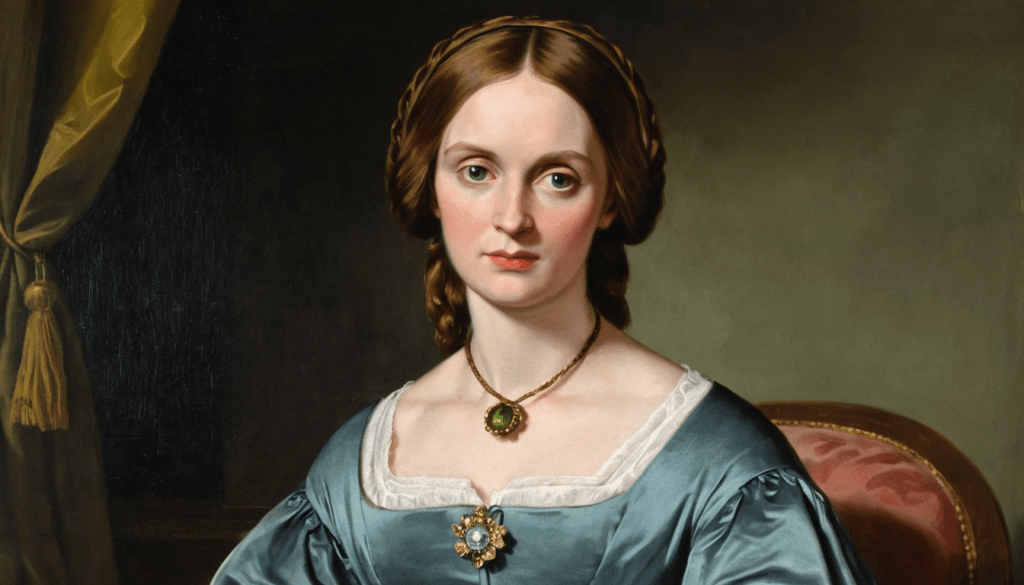
Born on April 21, 1816, Charlotte Brontë transformed the English novel with her emotional precision, moral clarity, and bold female characters. Through Jane Eyre and beyond, she gave voice to women’s inner lives and challenged Victorian norms, leaving a lasting mark on literature, language, and feminist thought.
-

The Columbine tragedy of April 20, 1999, not only shook the nation but also transformed its language. Terms like school shooting, zero tolerance, and lockdown drill became part of everyday discourse, shaping how society addresses school safety, mental health, and youth advocacy in the aftermath of crisis.
-
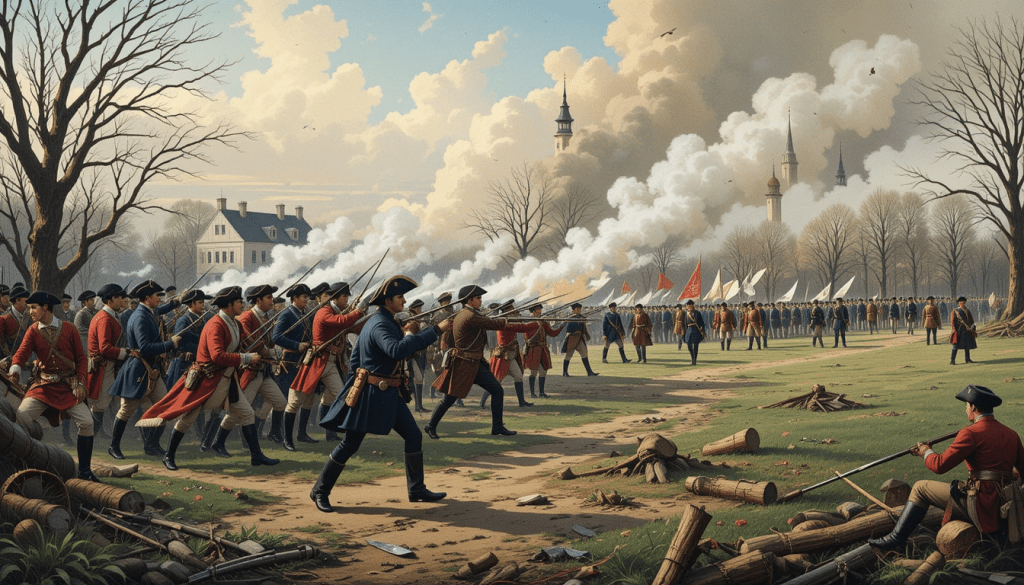
April 19, 1775, ignited not only the American Revolutionary War but also a linguistic revolution. The battles of Lexington and Concord gave rise to enduring expressions like “the shot heard ’round the world,” reshaping English with rhetoric of resistance, liberty, and identity that still echoes in modern political discourse.
-
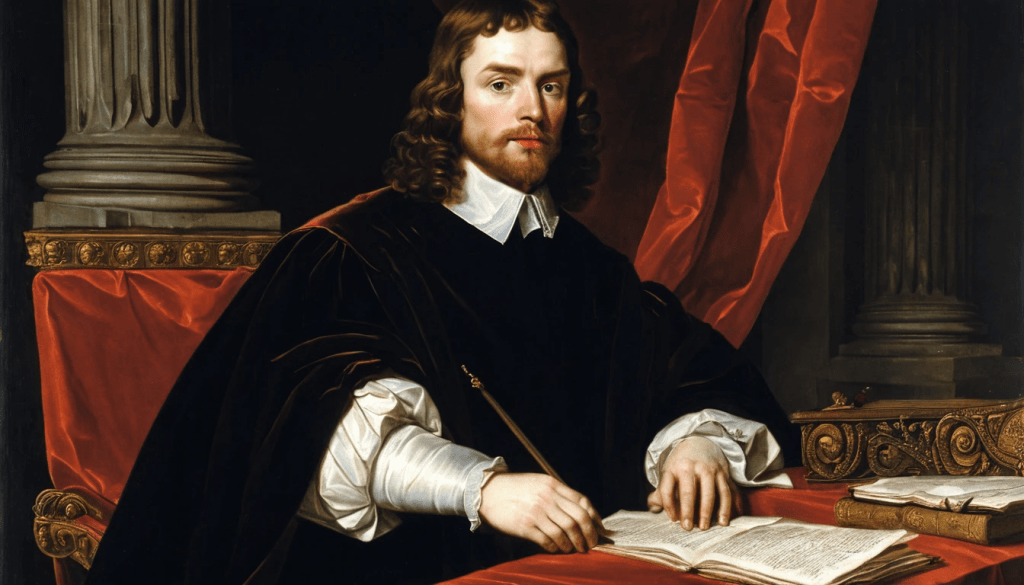
Thomas Middleton, born in 1580, helped redefine English drama during a cultural turning point. Merging Elizabethan elegance with Jacobean cynicism, he used sharp, realistic language and psychological depth to craft plays that challenged social norms and expanded dramatic expression, leaving a legacy of linguistic richness and moral complexity still studied today.
-

Gabriel García Márquez revolutionized English literature through translation, introducing magical realism’s lyrical power to new audiences. His rich, surreal narratives expanded the literary imagination and reshaped storytelling norms, inspiring countless English-speaking writers and readers to embrace myth, memory, and magic within the mundane—a lasting legacy that continues to influence global fiction.
-
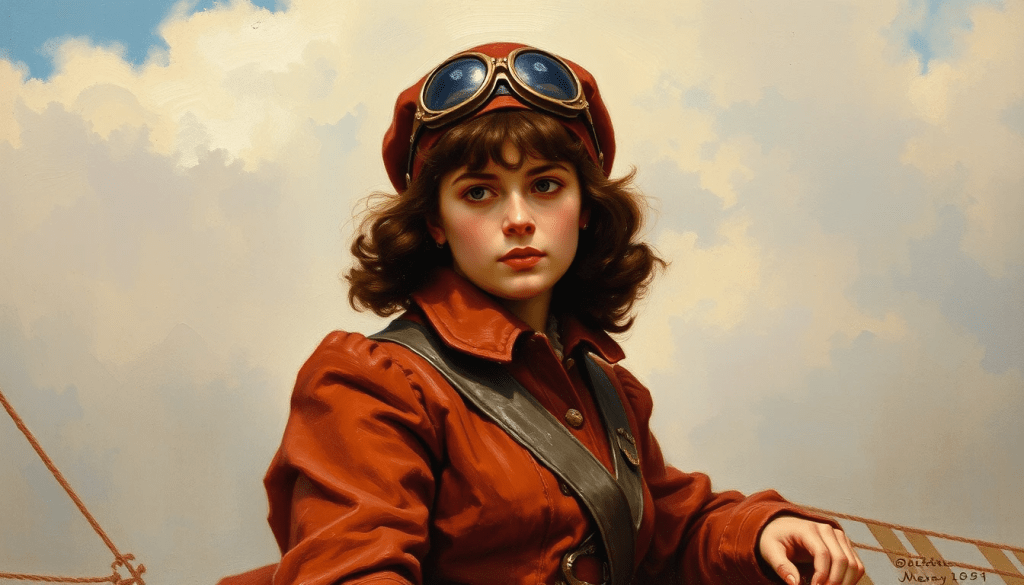
On April 16, 1912, Harriet Quimby became the first woman to fly solo across the English Channel. Battling fog and without instruments, her daring flight redefined aviation history and challenged gender norms, leaving a linguistic and cultural legacy that elevated not only flight, but also the voice and place of women.
-
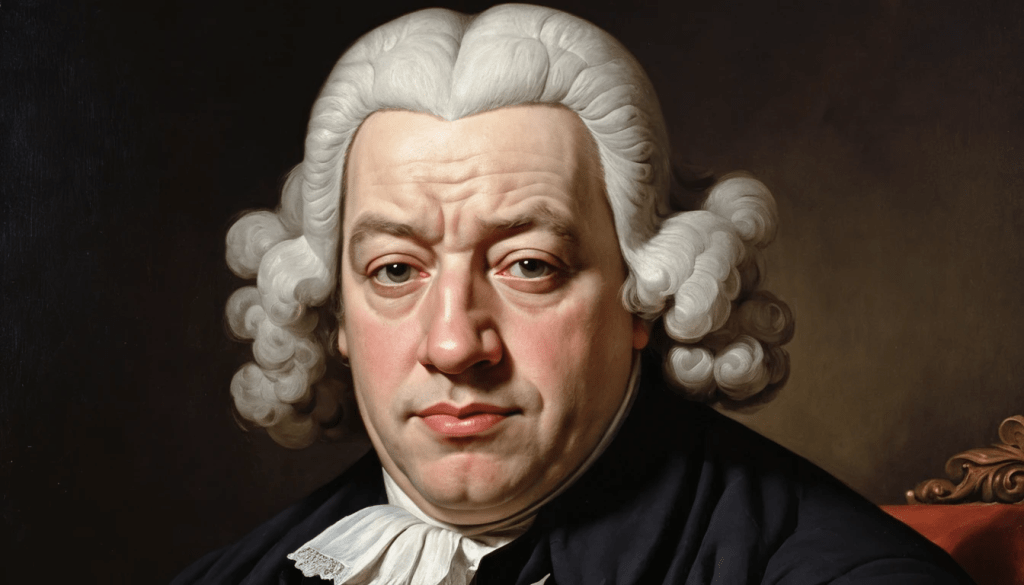
On April 15, 1755, Samuel Johnson redefined the English language with his monumental dictionary. Blending scholarship with wit, he crafted over 43,000 entries that shaped spelling, meaning, and literary usage. His work gave English a unified identity and established the dictionary as a cultural artifact, not merely a linguistic tool.
-

On April 14, 1912, the Titanic struck an iceberg, sealing its fate as a tragic icon of human ambition and fragility. Beyond the disaster, its legacy lives on in idioms, metaphors, and cultural memory, shaping how we talk about failure, heroism, and the illusion of invincibility.
-
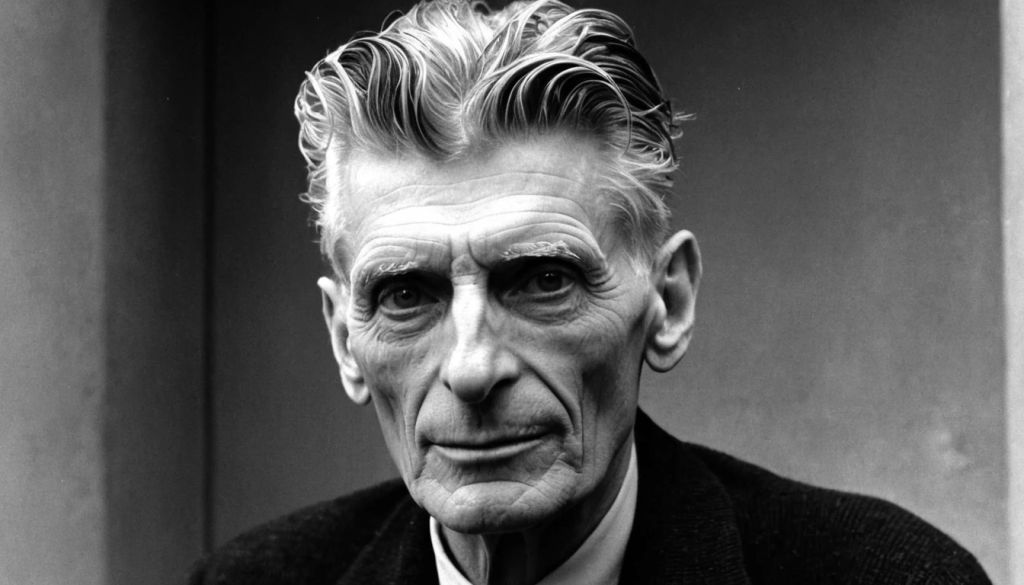
Samuel Beckett, born April 13, 1906, revolutionized English literature with minimalist prose and existential themes. His bilingualism sharpened his style, blending French precision with English rhythm. Through silence, repetition, and stark dialogue, Beckett challenged the limits of language and thought, leaving a legacy that forever reshaped modern theatre and literary expression.
 What Happened on This Day?