
2025 July
-
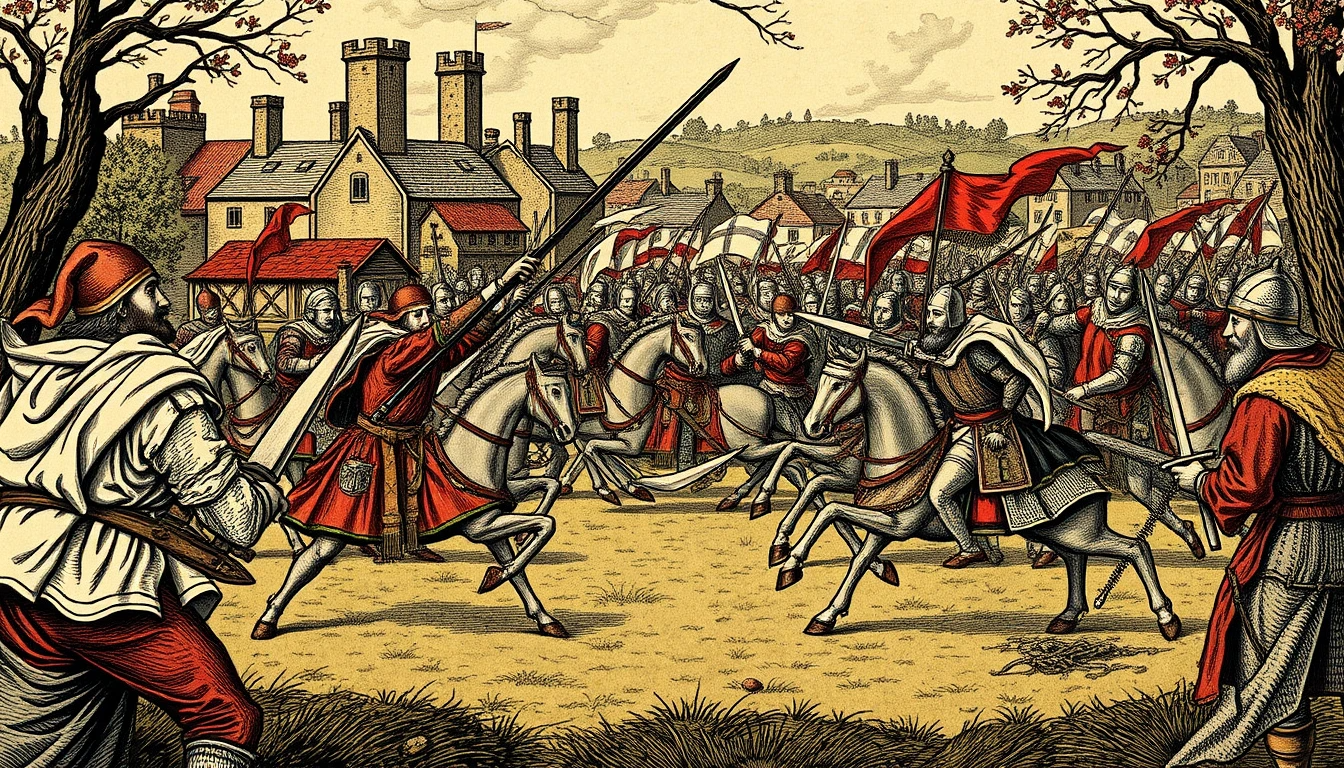
The Battle of Shrewsbury in 1403 wasn’t just a fight for the crown—it left a linguistic legacy. From immortalizing “Hotspur” as a literary archetype to embedding terms like “usurper” and “rebellion,” this clash influenced English storytelling, vocabulary, and national identity, echoing in drama, history, and modern expressions.
-
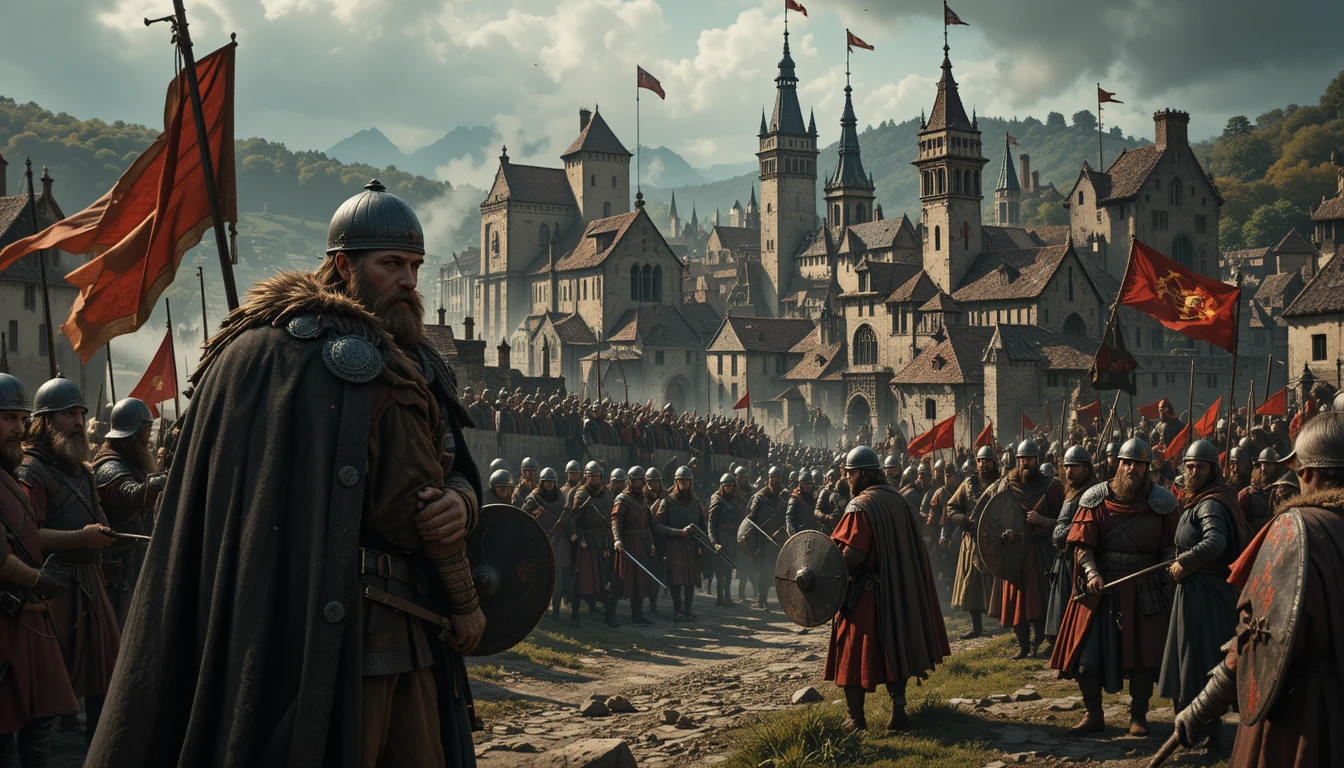
How can a failed Viking assault matter to the history of English? Discover how Rollo’s defeat near Chartres helped set Normandy in motion—the duchy that would later transform English after 1066.
-
Can a few deleted lines help move nations towards war? In July 1870, the edited Ems Dispatch showed how tone, omission, and newspaper circulation could transform diplomacy into public provocation.
-
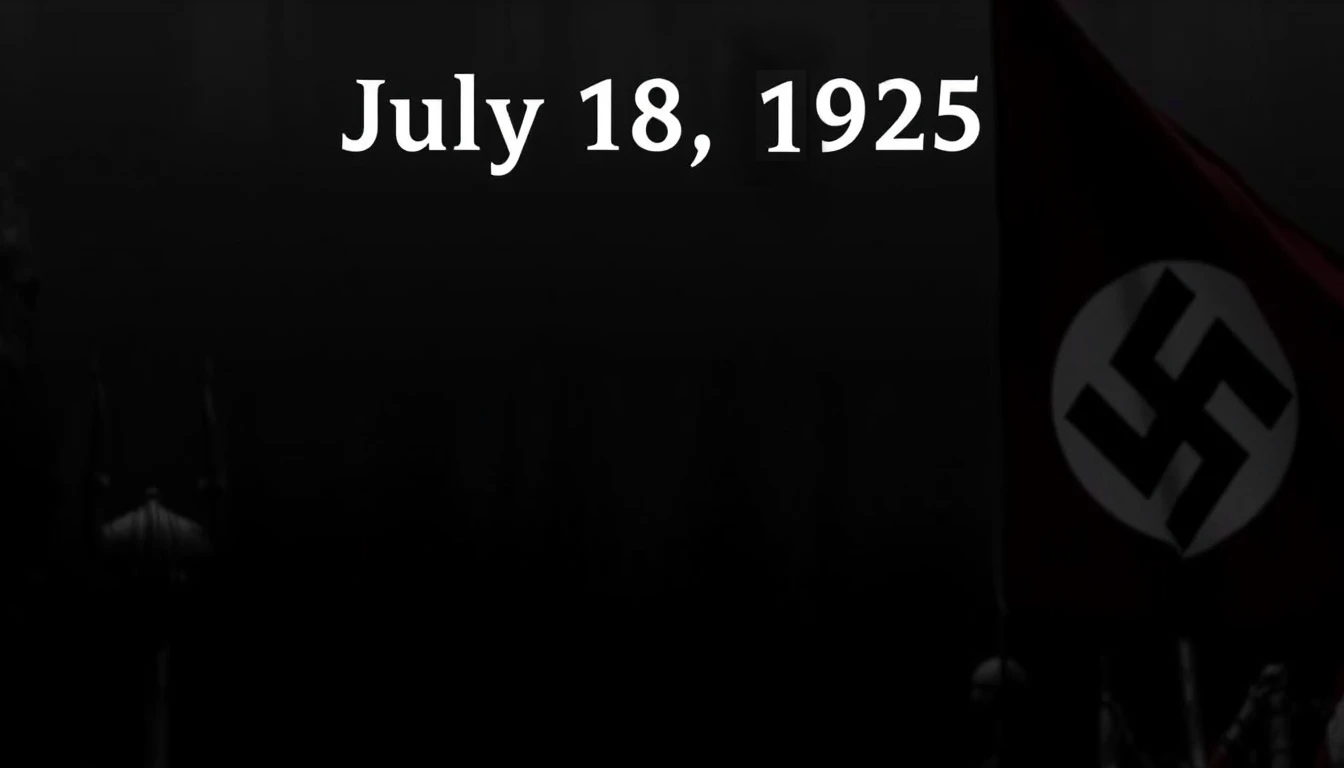
The 1925 publication of Mein Kampf not only fueled a destructive ideology—it reshaped the English language. From “Nazi ideology” to “Mein Kampf-style rhetoric,” English absorbed chilling phrases that still signal political extremism, propaganda, and hate. Its linguistic legacy warns us how words can radicalize, indoctrinate, and devastate.
-

How did two ordinary words—invisible hand—become one of the most famous metaphors in economics? Discover how Adam Smith helped shape the English vocabulary of markets, labor, wealth, and modern public debate.
-

When The Catcher in the Rye was published on July 16, 1951, it gave English a new literary voice—raw, sarcastic, and unmistakably teenage. Holden Caulfield’s slang, introspection, and cynicism forever changed how English narrates alienation, youth, and rebellion, embedding phrases like “phony” and “catcher in the rye” into cultural memory.
-

The Rosetta Stone, discovered on July 15, 1799, became the linguistic keystone that unlocked ancient Egyptian writing and transformed English scholarly language. From “hieroglyph” to “Rosetta Stone” as metaphor, it reshaped how English speakers decode and describe language, influencing everything from academia to software and modern cultural expression.
-
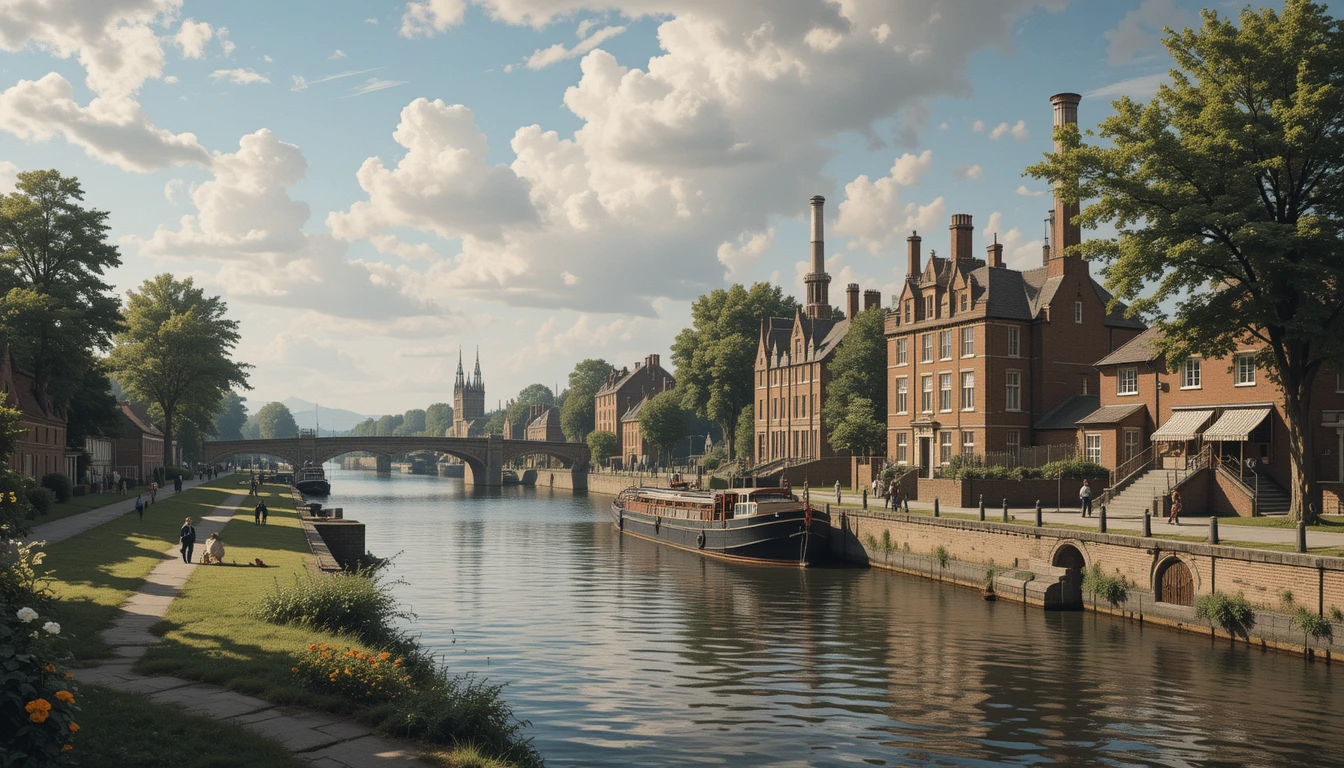
The Grand Union Canal, opened in 1766, reshaped both British commerce and the English language. Terms like canal network, lock system, and industrial transport emerged from this waterway, enriching English with a vocabulary of engineering, logistics, and controlled progress—expressions that still flow through modern discourse, from business to bureaucracy.
-
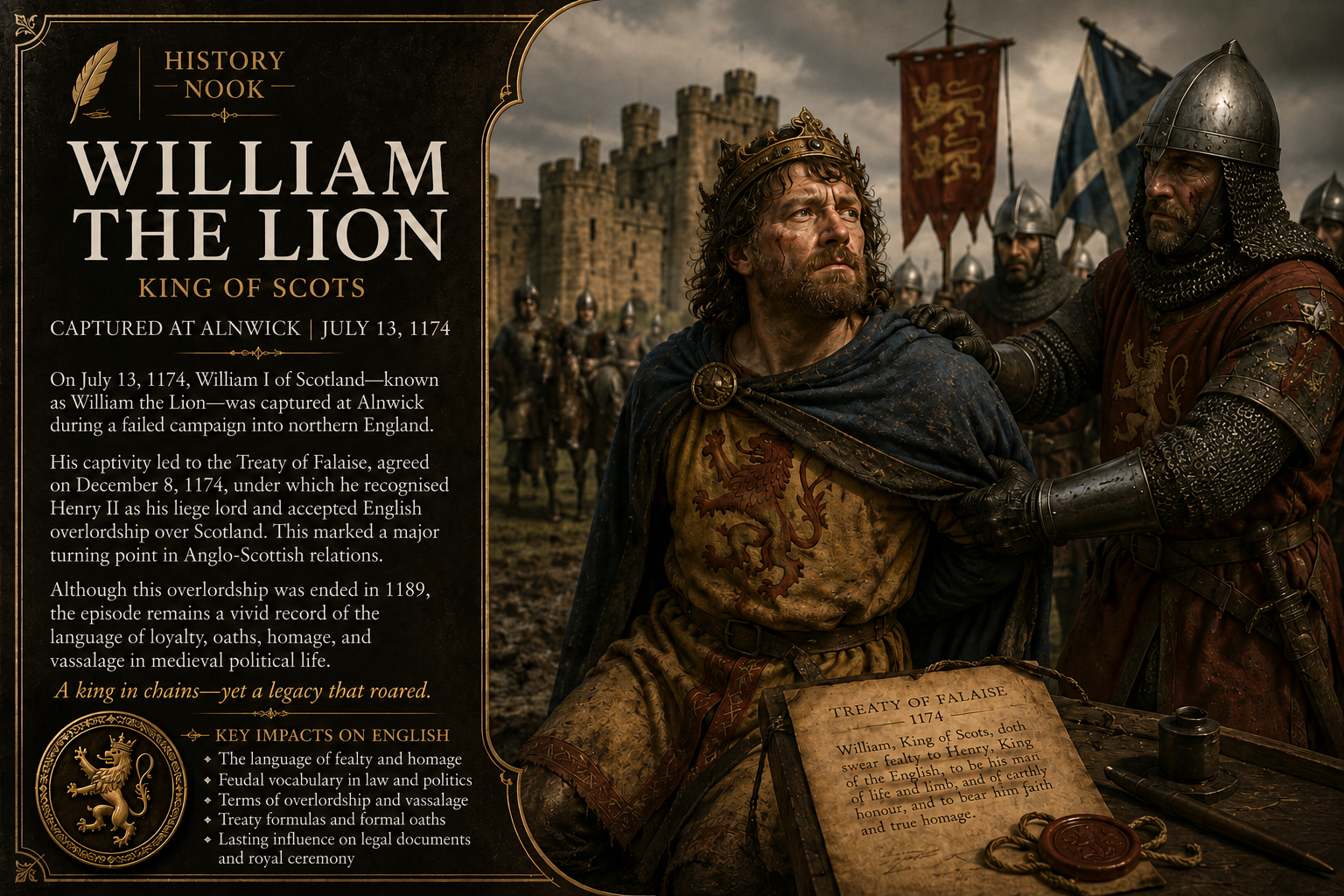
What happens when a king is captured and power must be written into oaths? Discover how William the Lion’s defeat at Alnwick shaped the English language of fealty, homage, vassalage, and medieval authority.
-

Observed on July 12, “The Twelfth” is more than a holiday—it’s a linguistic tradition. Its vocabulary, from “Orange Order” to “marching season,” encodes centuries of identity, conflict, and commemoration into English, shaping public discourse across Northern Ireland, the UK, and beyond through media, political rhetoric, and cultural commentary.