
2025 July
-

The “Eleventh Night” bonfires in Northern Ireland have ignited more than flames—they’ve sparked a distinct vocabulary in modern English. Phrases like loyalist bonfire and sectarian tension now serve as shorthand for ritualized conflict, identity politics, and cultural memory in journalism, political discourse, and beyond.
-
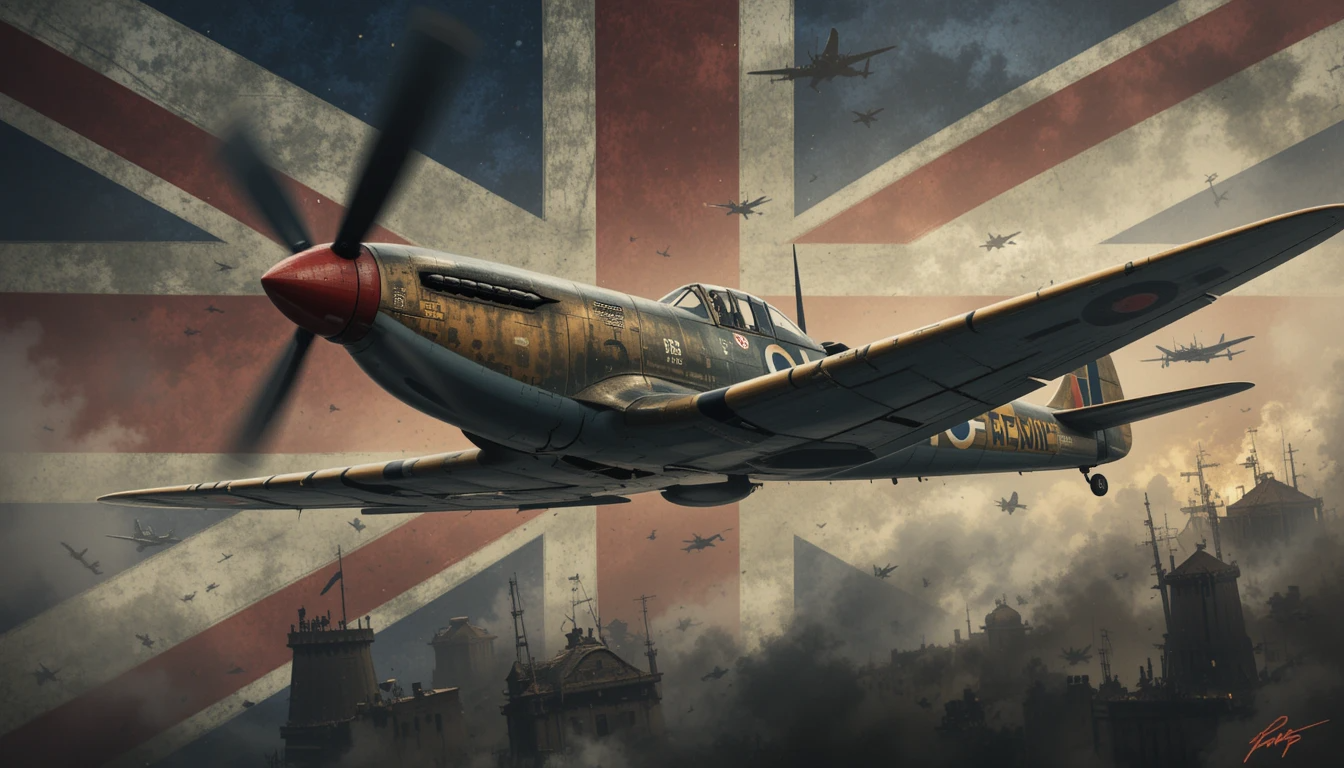
On July 10, 1940, the Battle of Britain began—and with it, English found a new voice. Terms like Blitz spirit, dogfight, and home front shaped not only wartime narratives, but future English expressions of courage, defiance, and unity. Language became a frontline, echoing resilience in every bombed-out sentence.
-

Ann Radcliffe, born July 9, 1764, pioneered Gothic fiction in English. Her evocative language—filled with moonlit dread, sublime terror, and emotional tension—shaped literary English forever. Through atmosphere and interiority, she expanded how fear, beauty, and mystery are expressed, laying the groundwork for centuries of psychological fiction and Gothic narrative.
-
Percy Bysshe Shelley – Romantic Firebrand, Eternal Voice in English Lyrical and Political Expression

Percy Bysshe Shelley’s untimely death on July 8, 1822, ended a life of poetic fire and radical thought—but sparked a lasting transformation in English. His visionary verse reshaped how we express liberty, loss, and lyrical intensity, leaving English with a richer, more rebellious, and emotionally resonant poetic vocabulary.
-

On July 7, 2005, coordinated bombings shook London’s transit system, etching “7/7” into English as a symbol of urban terror and resilience. The attack reshaped how English frames grief, vigilance, and civic unity—introducing terms like “homegrown extremism,” “London resilience,” and “mass-casualty event” into the global vocabulary of modern security.
-

King Henry II’s reign forged the roots of English common law, embedding terms like jury, writ, and due process into legal tradition. His reforms shaped not just courts—but the very language of justice and monarchy still spoken in English governance, from medieval writs to modern constitutions.
-
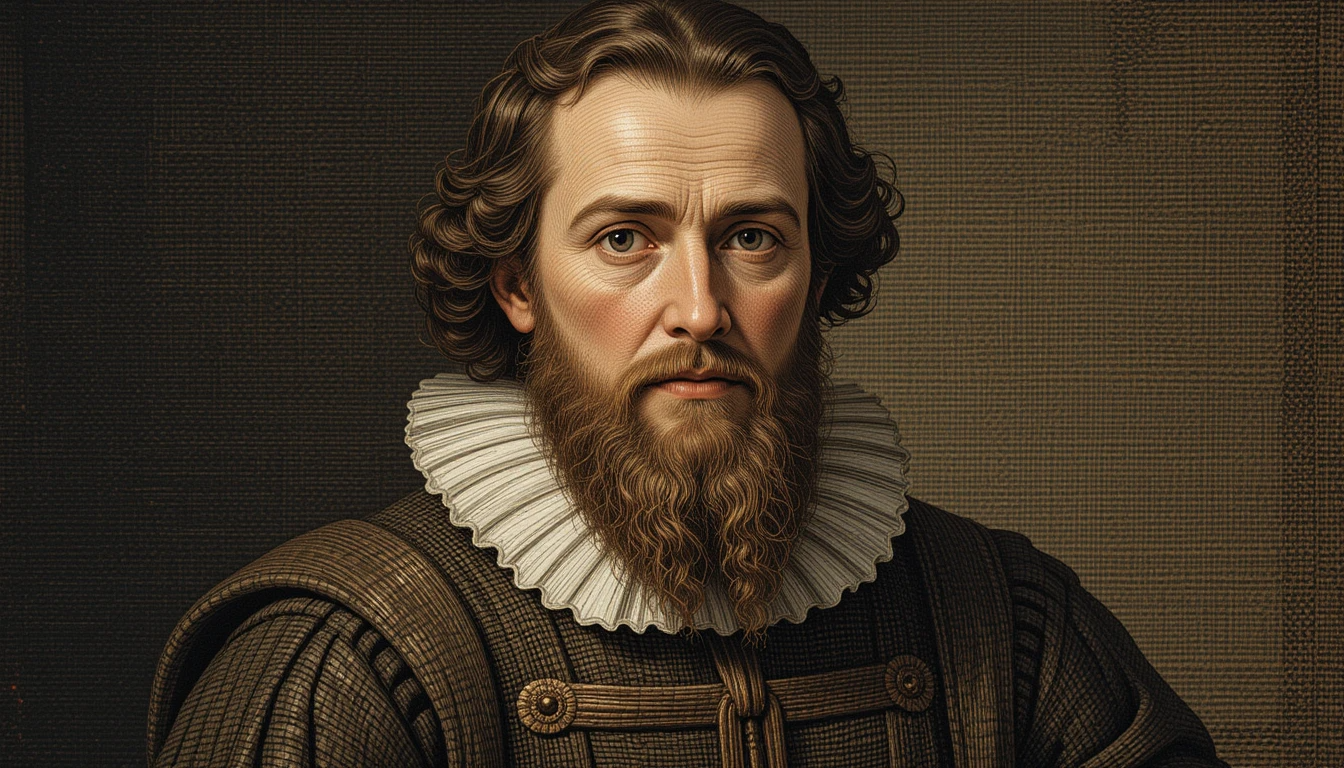
Thomas Hooker, born July 5, 1586, helped shape American political and religious language. His sermons forged powerful English expressions of liberty, covenant, and consent, blending Puritan belief with democratic ideals. His voice laid the groundwork for a civic English that still echoes in constitutions, pulpits, and calls for justice today.
-
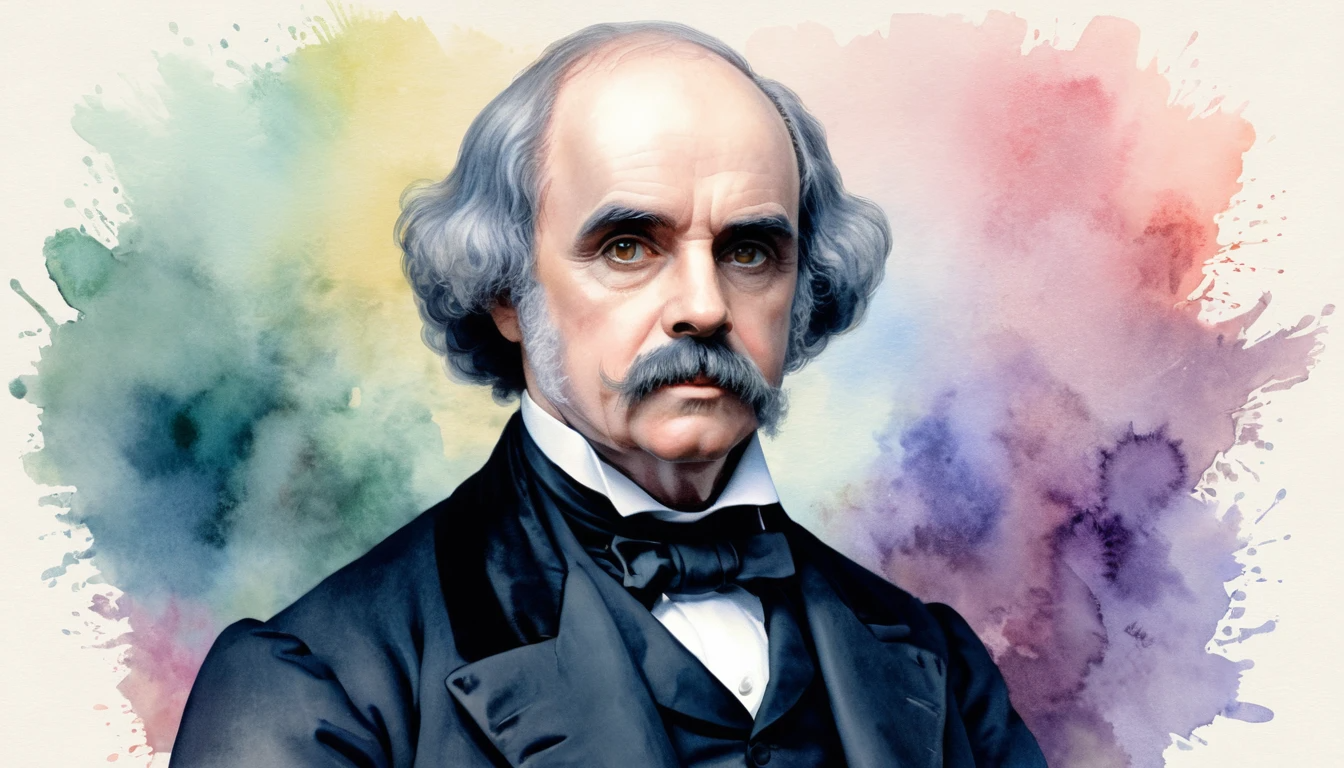
Born on July 4, 1804, Nathaniel Hawthorne shaped American English with brooding meditations on guilt, shame, and moral identity. Through works like The Scarlet Letter, he infused English with symbols of conscience, forging a literary voice that reflected—and challenged—the moral contradictions at the heart of the American experiment.
-
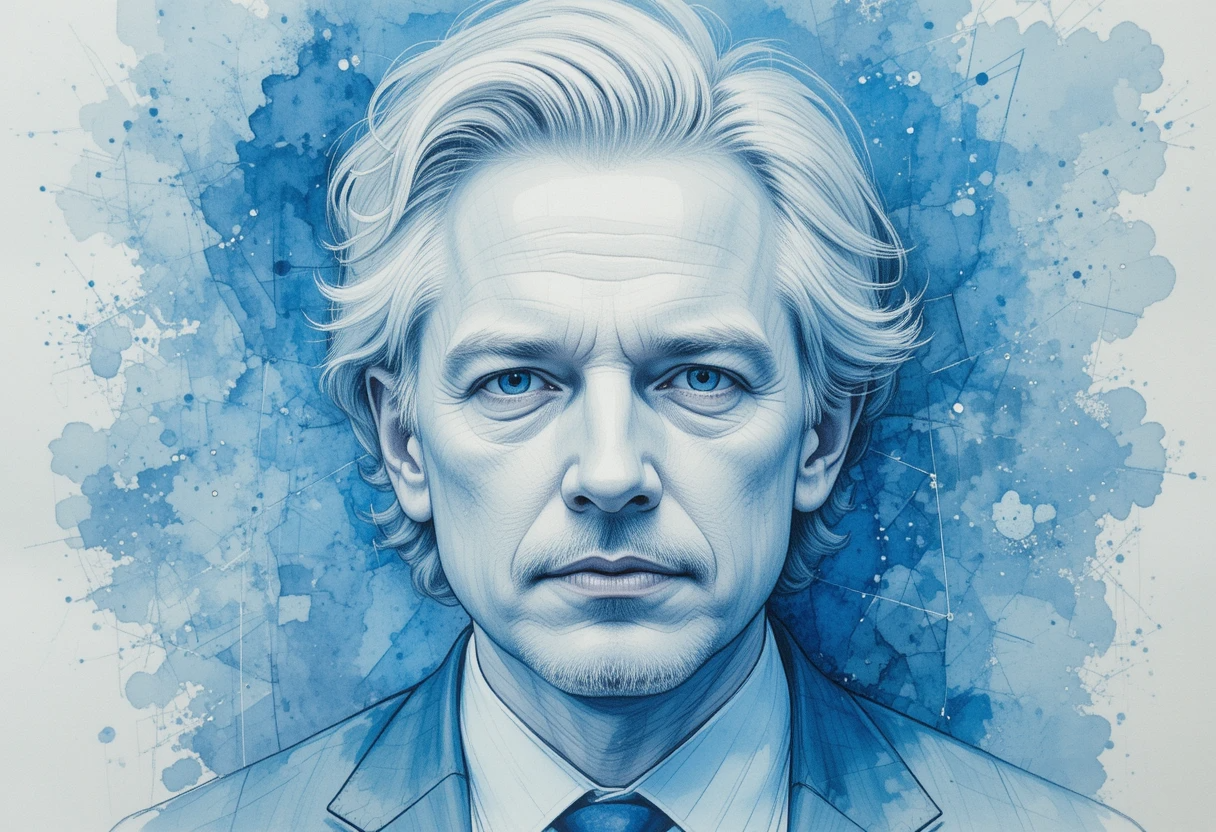
Julian Assange didn’t just found WikiLeaks—he rewired the English language of dissent. From “whistle-blower” to “radical transparency,” his influence shaped how English speakers frame secrecy, justice, and truth in the digital era. His legacy lives in headlines, courtrooms, classrooms, and the evolving vocabulary of global power and ethics.
-
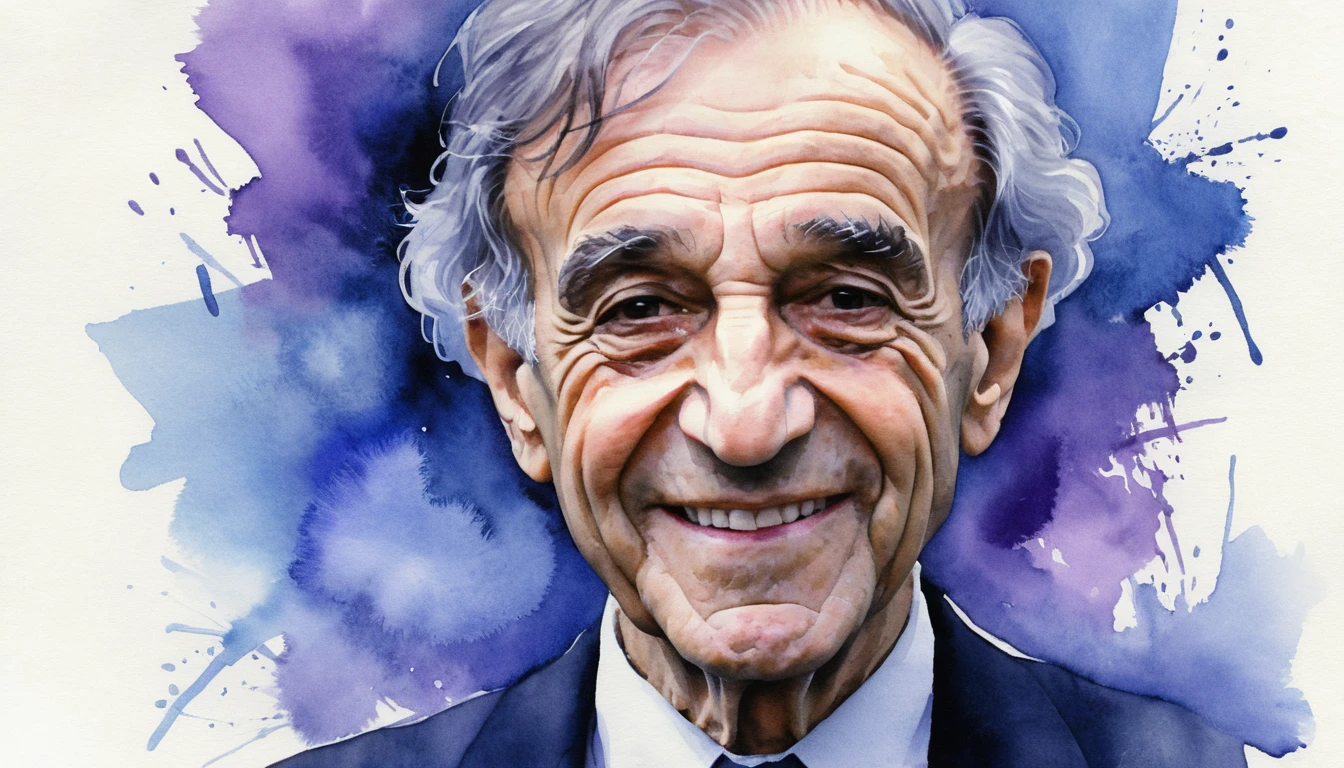
Elie Wiesel’s English writings gave voice to trauma, remembrance, and moral resolve. Through Night and public addresses, he infused English with solemn clarity—coining phrases like “Never again” and “indifference is evil.” His language bridged personal suffering and global conscience, shaping how English remembers, mourns, and resists forgetting.