
2025 June
-
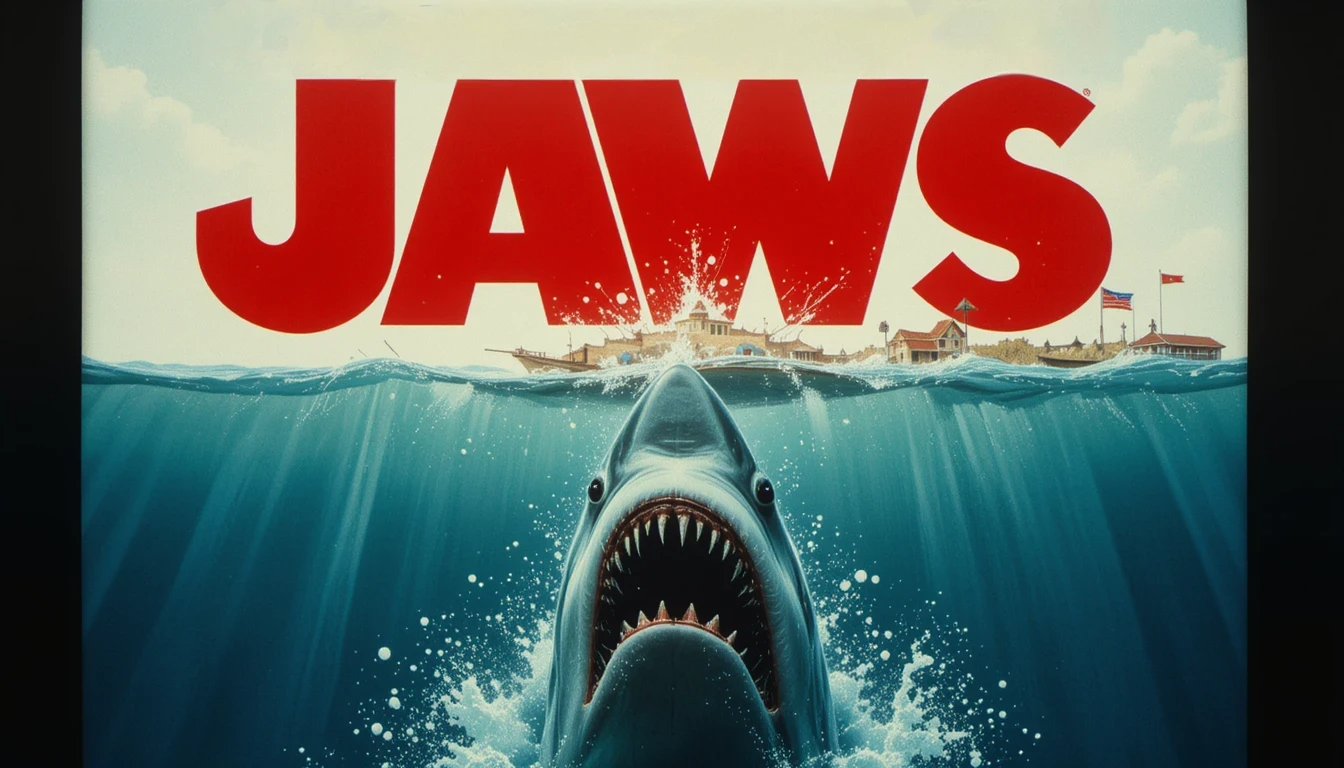
When Jaws premiered on June 20, 1975, it didn’t just terrify beachgoers—it redefined cinema and reshaped English. The term “blockbuster” exploded, “high-concept” became strategy, and movie language adopted the rhythms of suspense, scale, and spectacle. Spielberg’s shark gave English a new lexicon—and every summer blockbuster since echoes its bite.
-
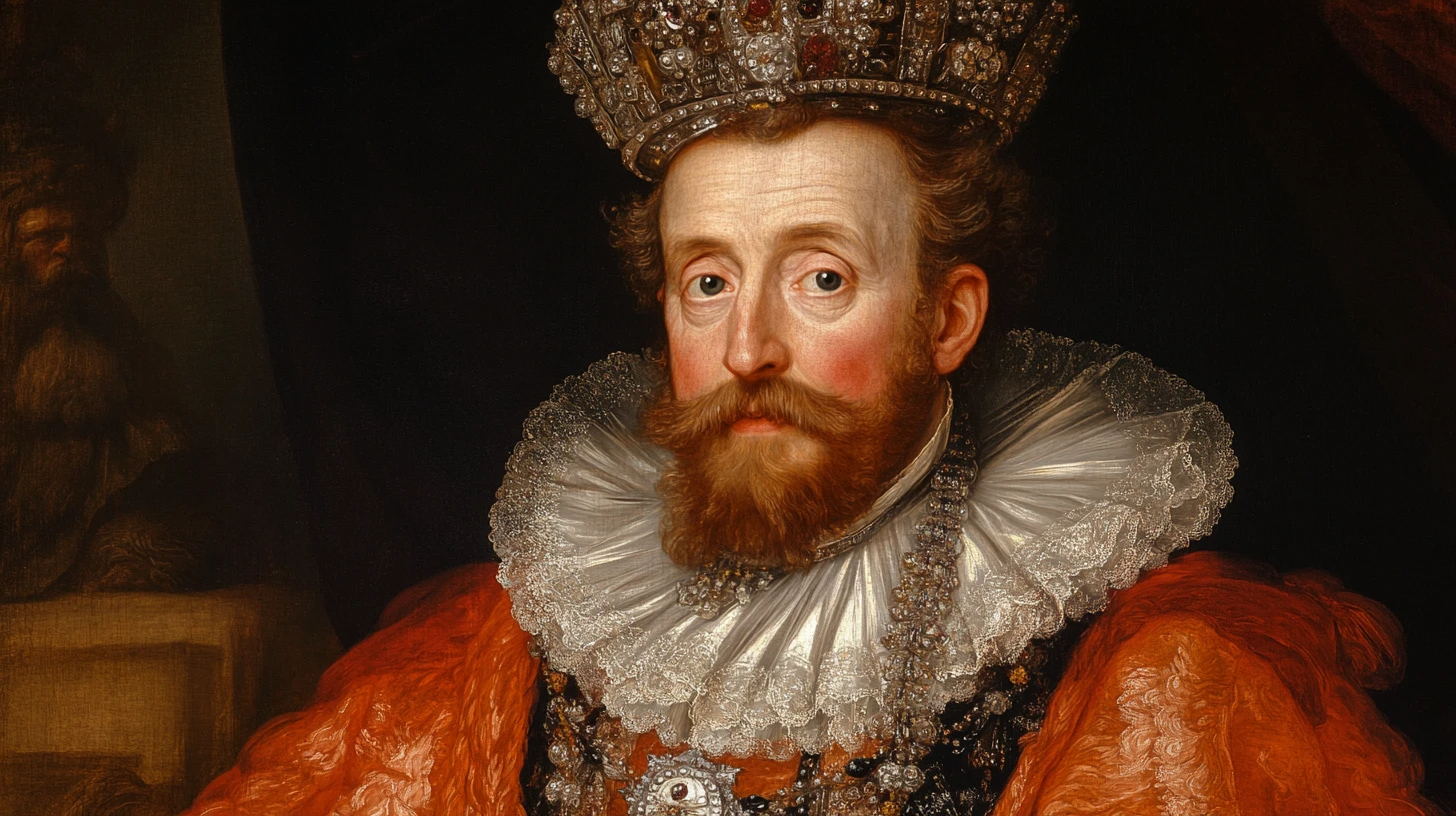
Born on June 19, 1566, King James I forever changed the English language by commissioning the King James Bible. Its poetic cadence, moral weight, and idiomatic richness shaped centuries of speech, writing, and identity—uniting a kingdom not only politically, but linguistically. Through scripture, he gave English its sacred and lasting voice.
-

On June 18, 1815, the Battle of Waterloo ended Napoleon’s ambitions—and gifted the English language a lasting idiom. “To meet one’s Waterloo” now evokes ultimate, often humiliating defeat after grand ambition.
-
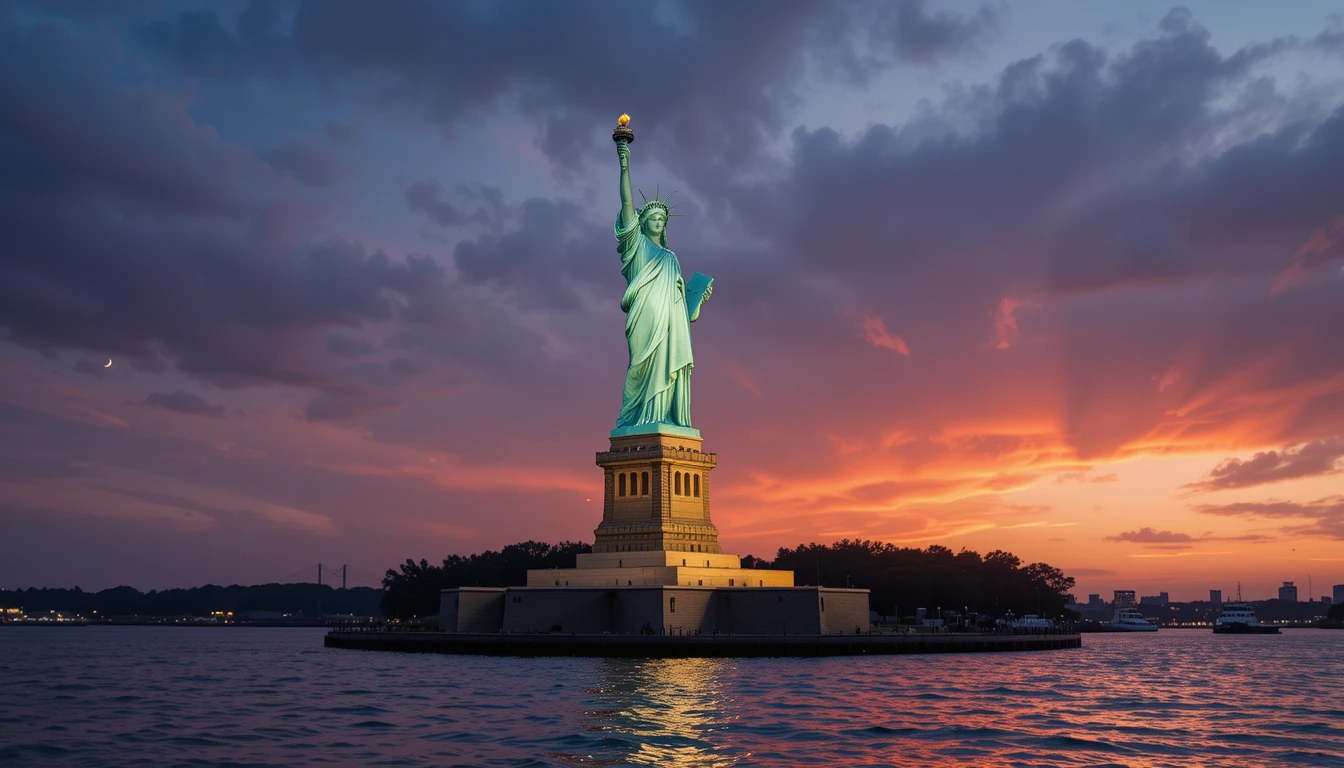
When the Statue of Liberty arrived in 1885, it brought more than bronze—it gained a voice through Emma Lazarus’s sonnet. Her words transformed English into a language of refuge, dignity, and hope, shaping how a nation would speak about freedom, immigration, and identity for generations.
-
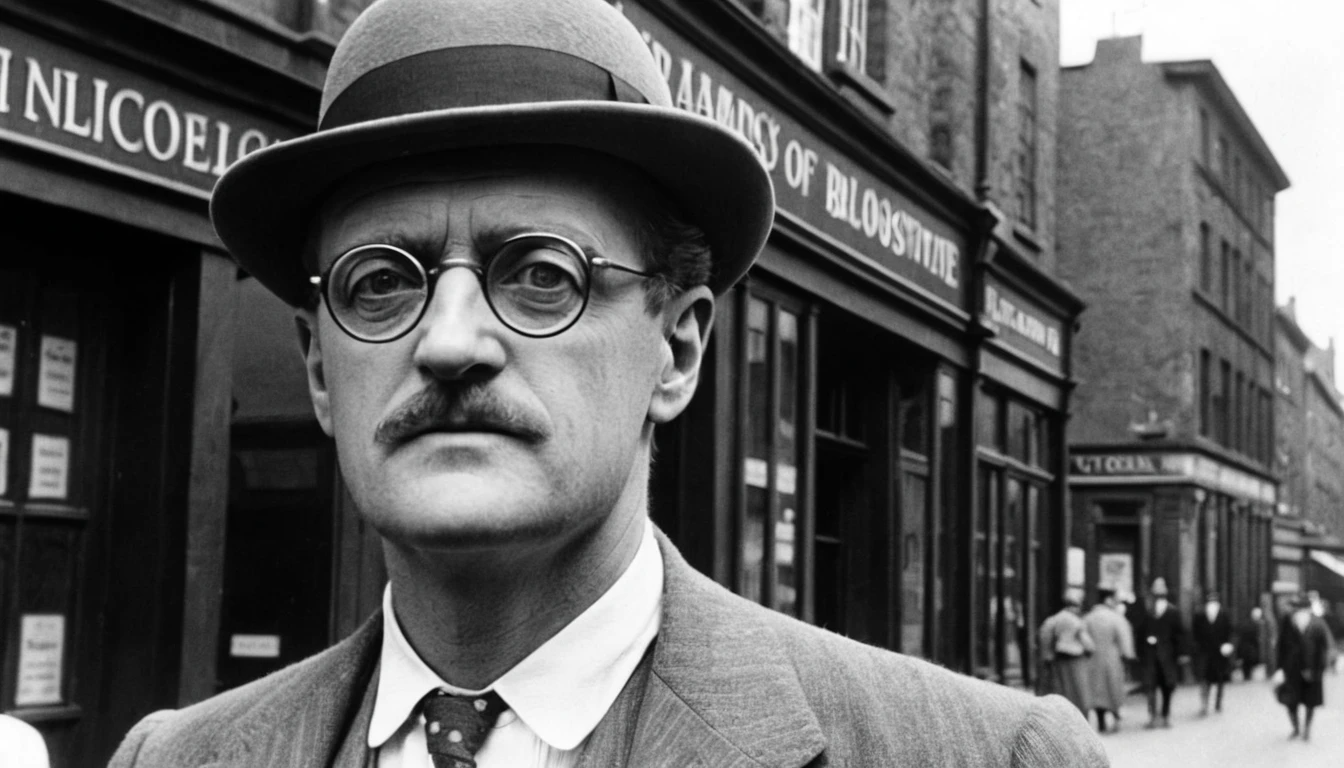
On June 16, 1904, Ulysses unfolded in Dublin—and English literature was never the same. Joyce’s stream-of-consciousness, inventive language, and mythic layering turned a single day into a revolution. Bloomsday now honors the moment English learned to think out loud, to dream in syntax, and to speak the unspeakable.
-
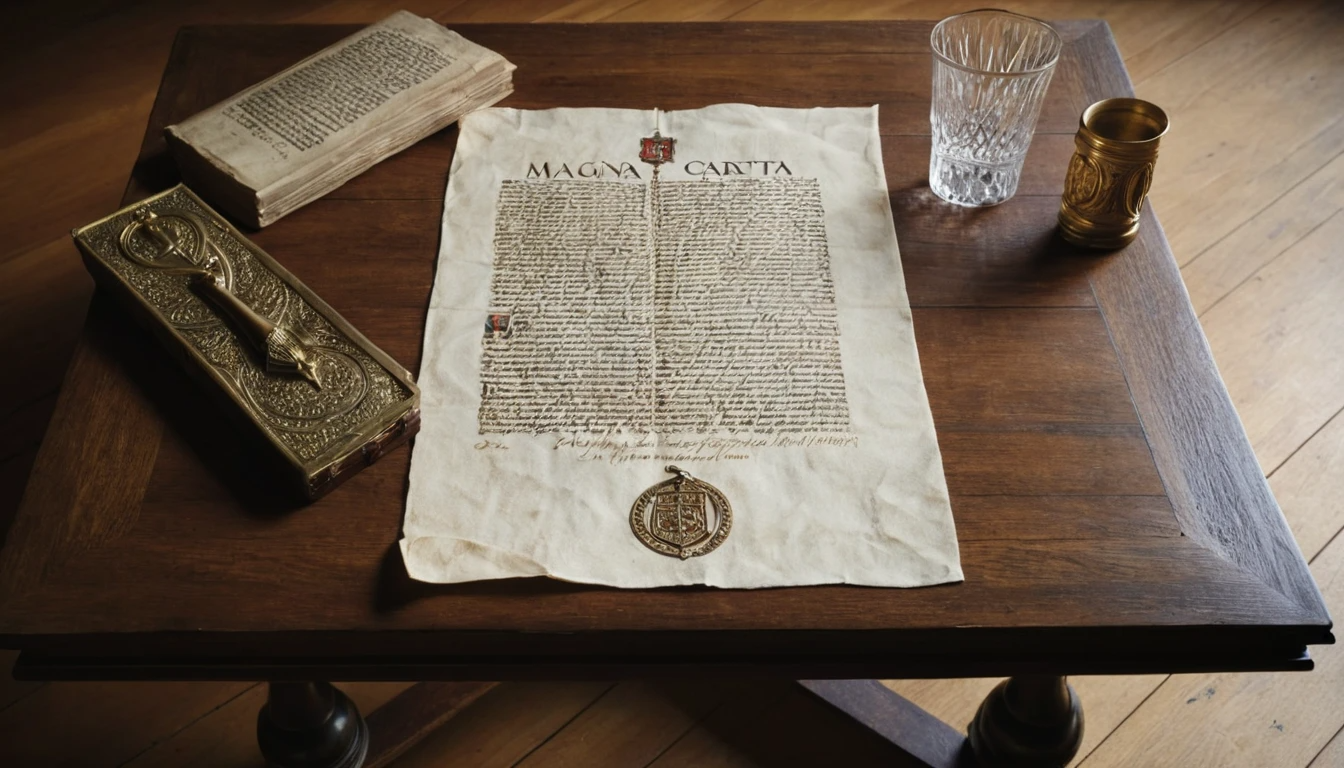
Sealed in 1215, the Magna Carta transformed from a feudal contract into a timeless symbol of liberty. Though written in Latin, its principles—like “due process” and “rule of law”—shaped English legal language, embedding justice and rights into the vocabulary of courts, constitutions, and everyday speech across the English-speaking world.
-
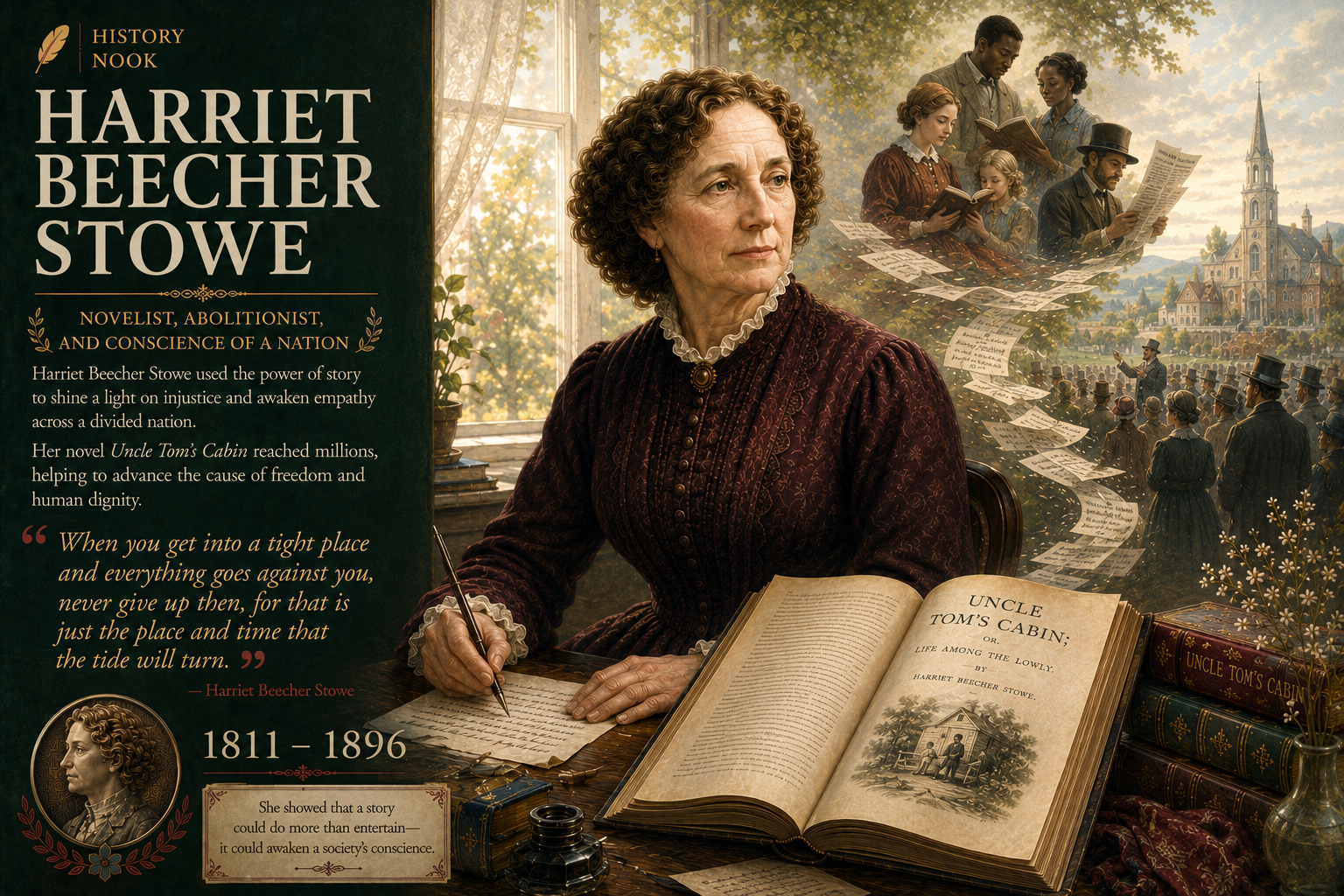
When Harriet Beecher Stowe died on June 14, 1896, she left a powerful legacy: Uncle Tom’s Cabin, a novel that reshaped English-language discourse on slavery and justice. Her words fueled abolitionist rhetoric, inspired global empathy, and transformed fiction into a force for moral action in English-speaking societies.
-
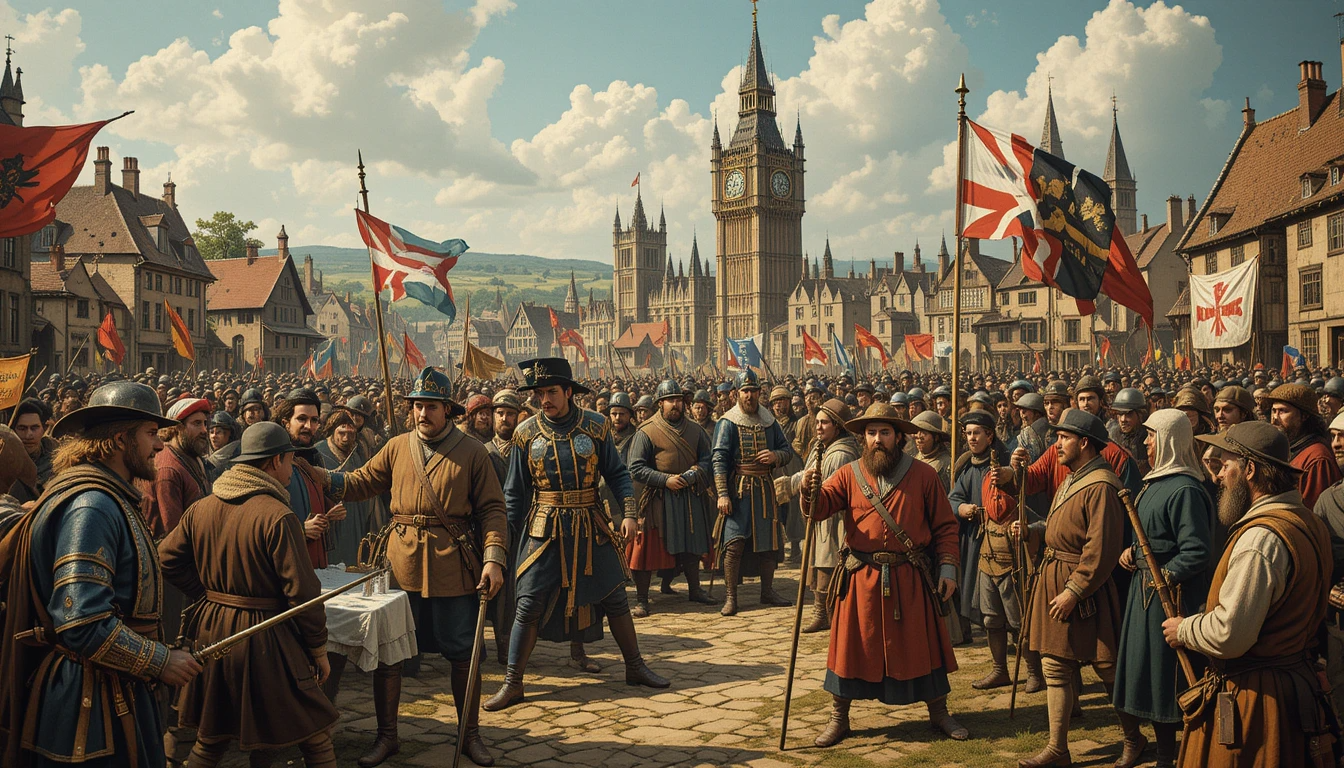
In June 1381, the Peasants’ Revolt stormed London, not only shaking feudal England but giving voice to protest in English for the first time. Middle English became a political language, expressing dissent, justice, and equality. From Wat Tyler’s demands to John Ball’s sermons, the people spoke—and English learned to respond.
-

Anne Frank never wrote in English, yet English became her second voice. Her diary, born in hiding and pain, crossed linguistic boundaries to shape the world’s conscience. It gave English speakers a personal language for trauma, hope, and remembrance—making a Jewish girl’s words a cornerstone of moral imagination across generations.
-

When Captain Cook struck the Great Barrier Reef in 1770, he didn’t just chart new waters—he expanded the English language. From nautical terms to native names, his voyage gave English new words, new worlds, and a voice fit for global exploration. His legacy sails on in every map, journal, and story.