
2025 June
-
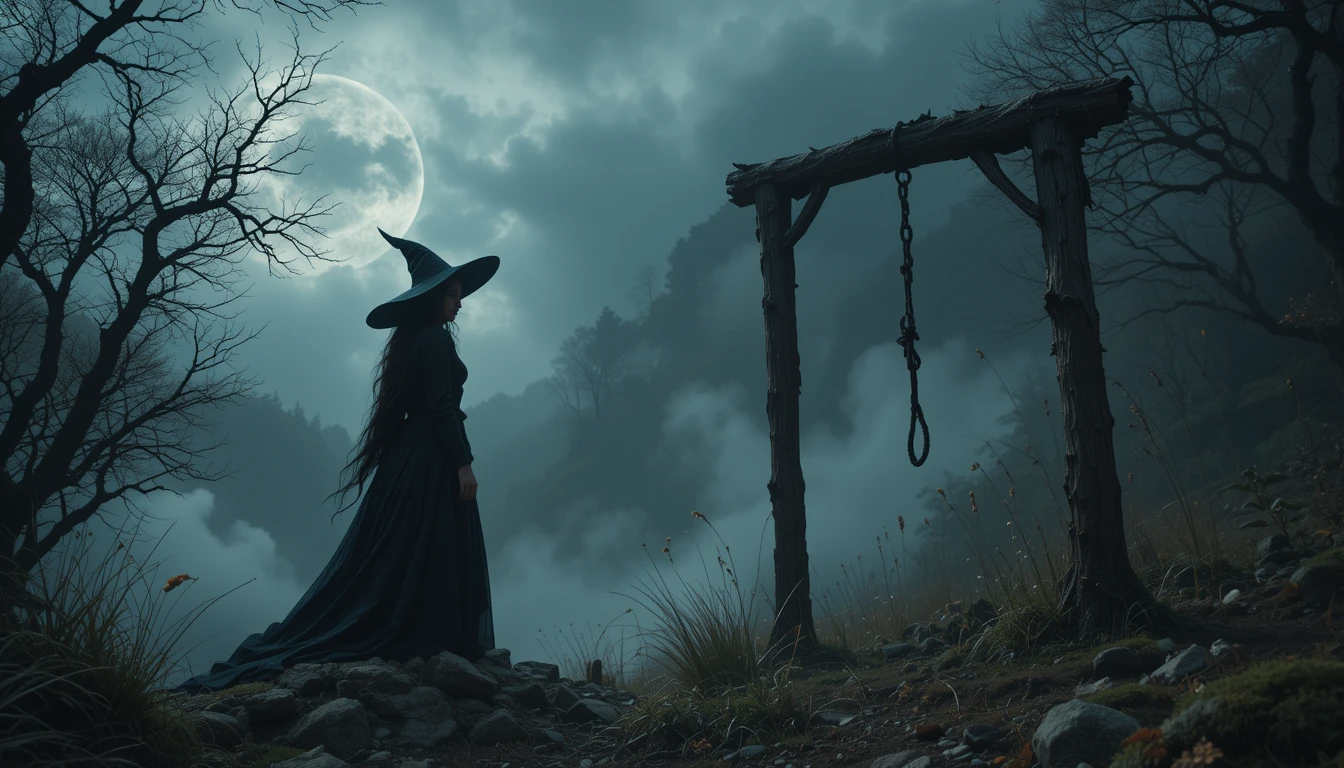
On June 10, 1692, Bridget Bishop became the first person executed during the Salem witch trials. Her death left a deep imprint on the English language, giving rise to idioms like witch hunt and shaping a lasting moral vocabulary rooted in fear, accusation, and the abuse of power.
-
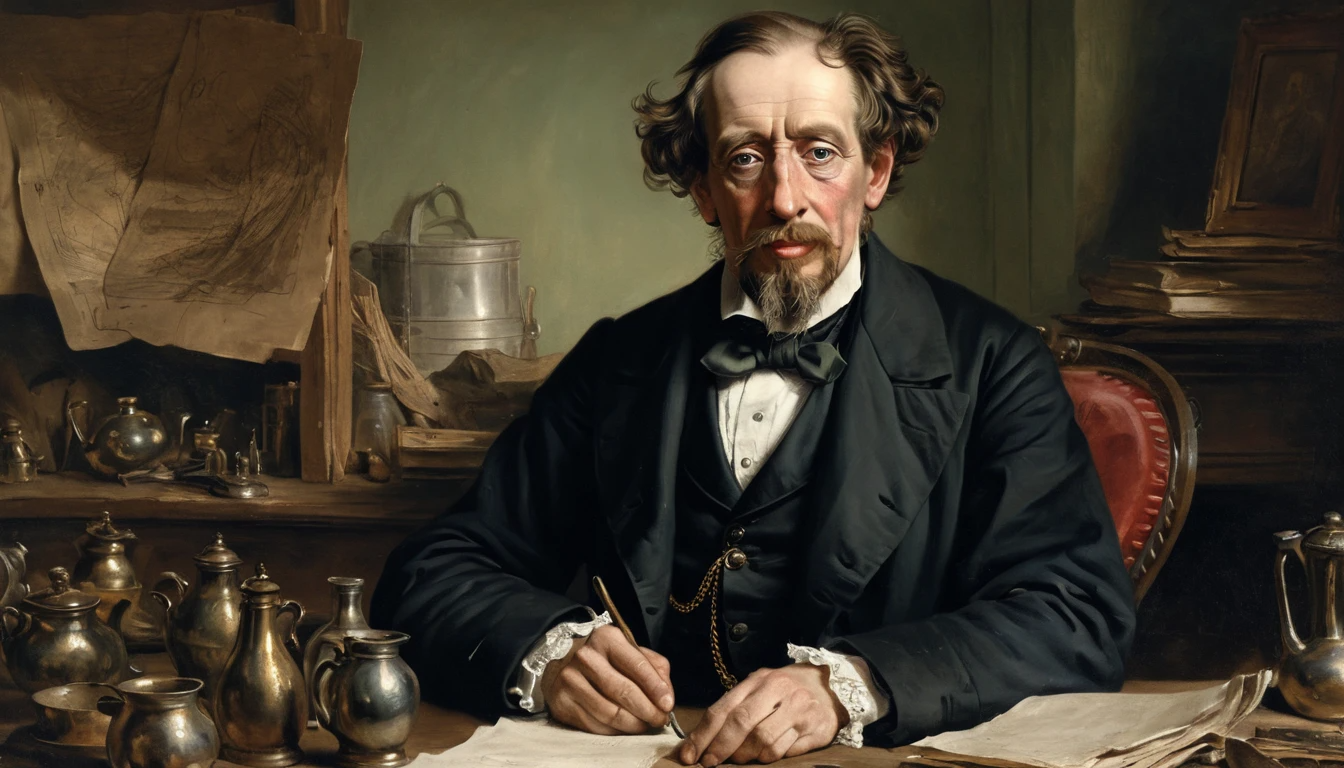
Charles Dickens’s legacy lives on through the English language he helped shape. More than a novelist, he gave voice to injustice, crafted unforgettable characters, and filled English with phrases that endure. His storytelling not only redefined the novel—it gave English readers new ways to think about empathy, morality, and social change.
-
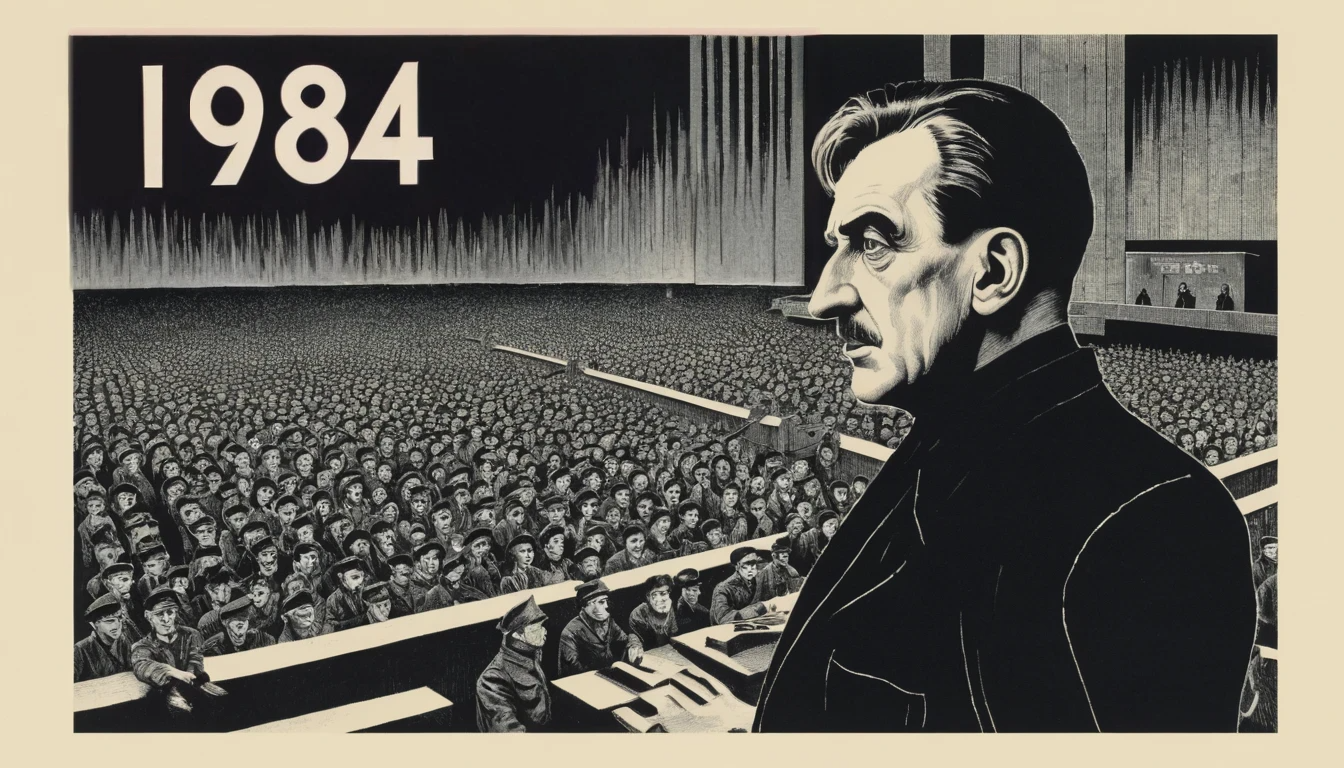
Published on June 8, 1949, Nineteen Eighty-Four reshaped English political discourse. Orwell’s chilling vision introduced enduring terms like Big Brother and doublethink, turning the English language into a tool for resistance and critical thought. His stark prose gave voice to universal fears of surveillance, control, and ideological manipulation.
-
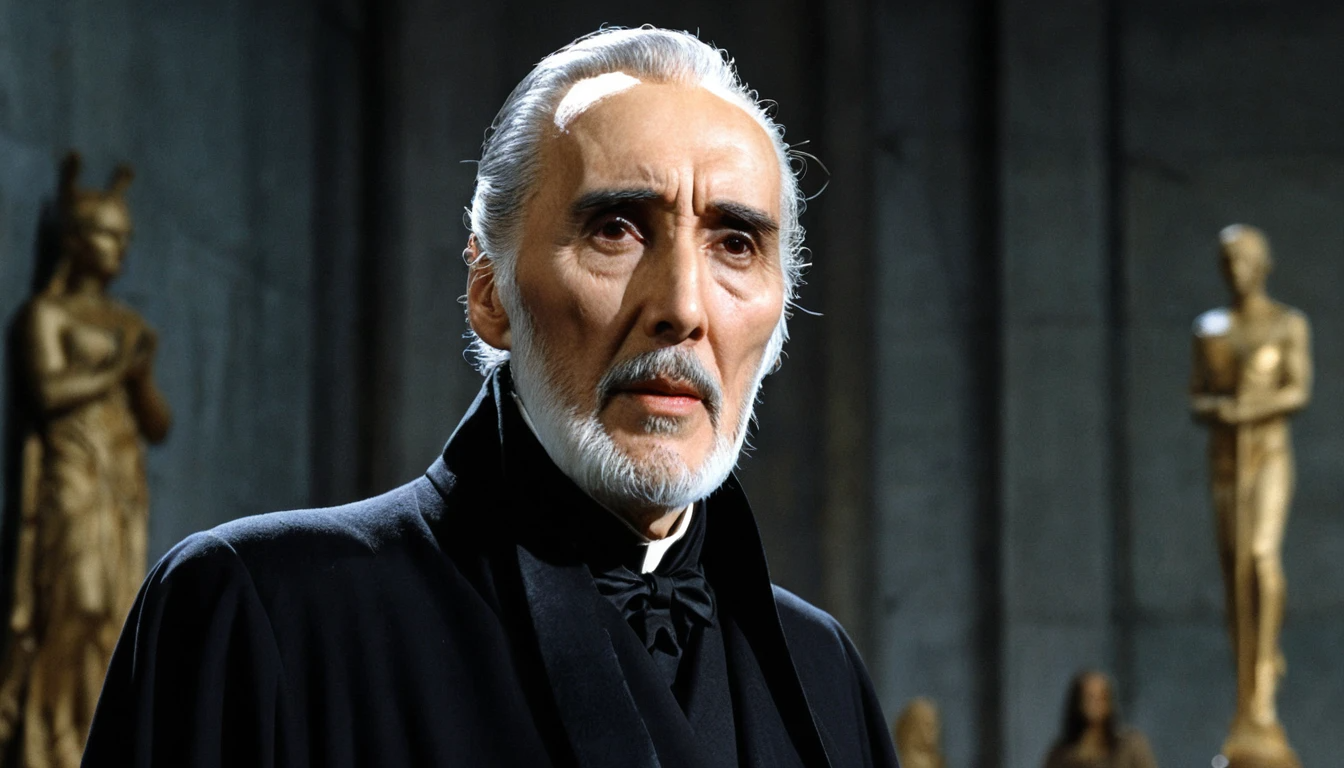
Christopher Lee’s voice was more than memorable—it was monumental. Rooted in English theatrical tradition, his resonant tone shaped iconic roles and global cinema. Through him, English became the voice of myth, power, and elegance.
-
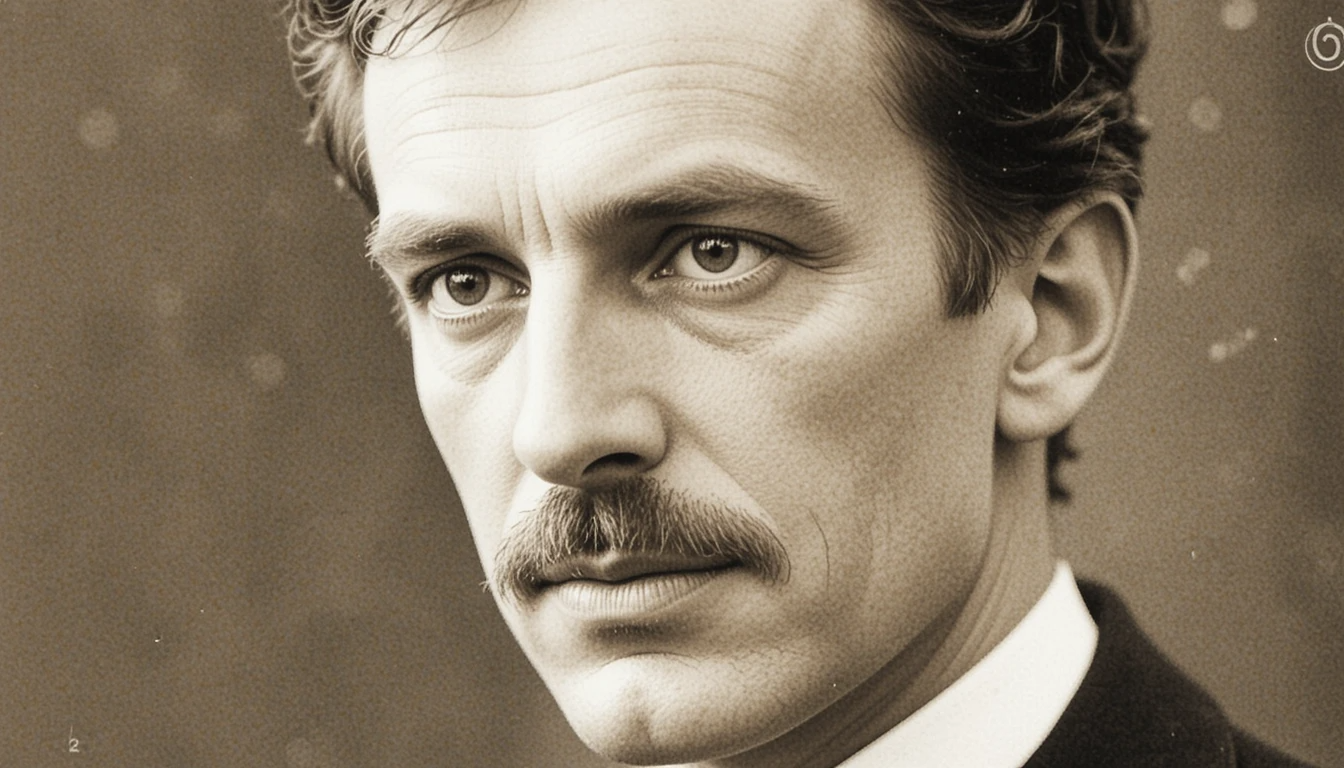
Thomas Mann, born in 1875, reshaped English-language literature through powerful translations of his German masterpieces. His philosophical nuance, ironic tone, and psychological depth expanded English’s modern vocabulary, influencing writers and critics alike. Mann’s legacy endures not just in his native tongue, but in the refined cadence of literary English.
-
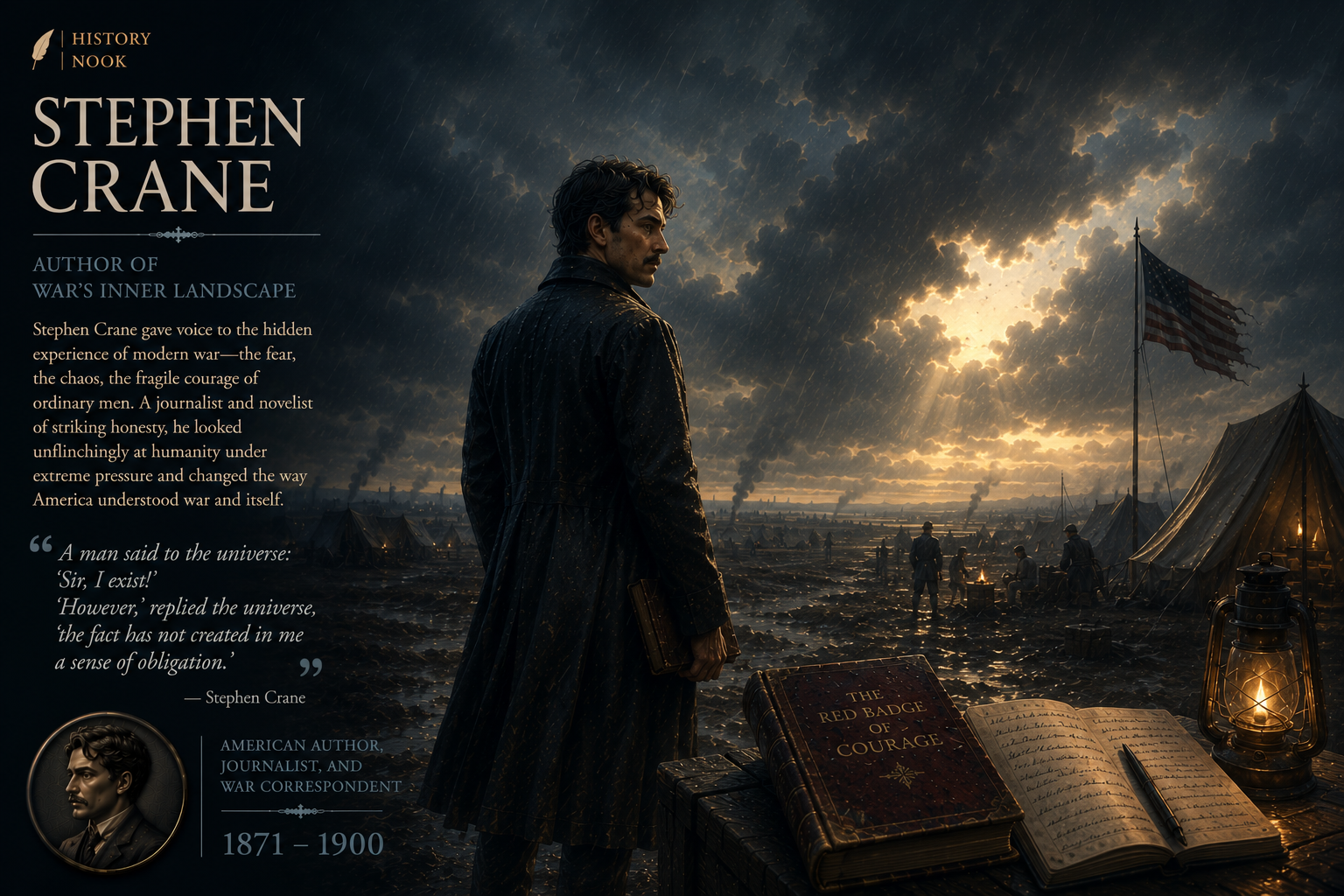
Stephen Crane helped transform English through modern realism, psychological war writing, and journalistic precision. His work anticipated many of the defining qualities of twentieth-century prose.
-
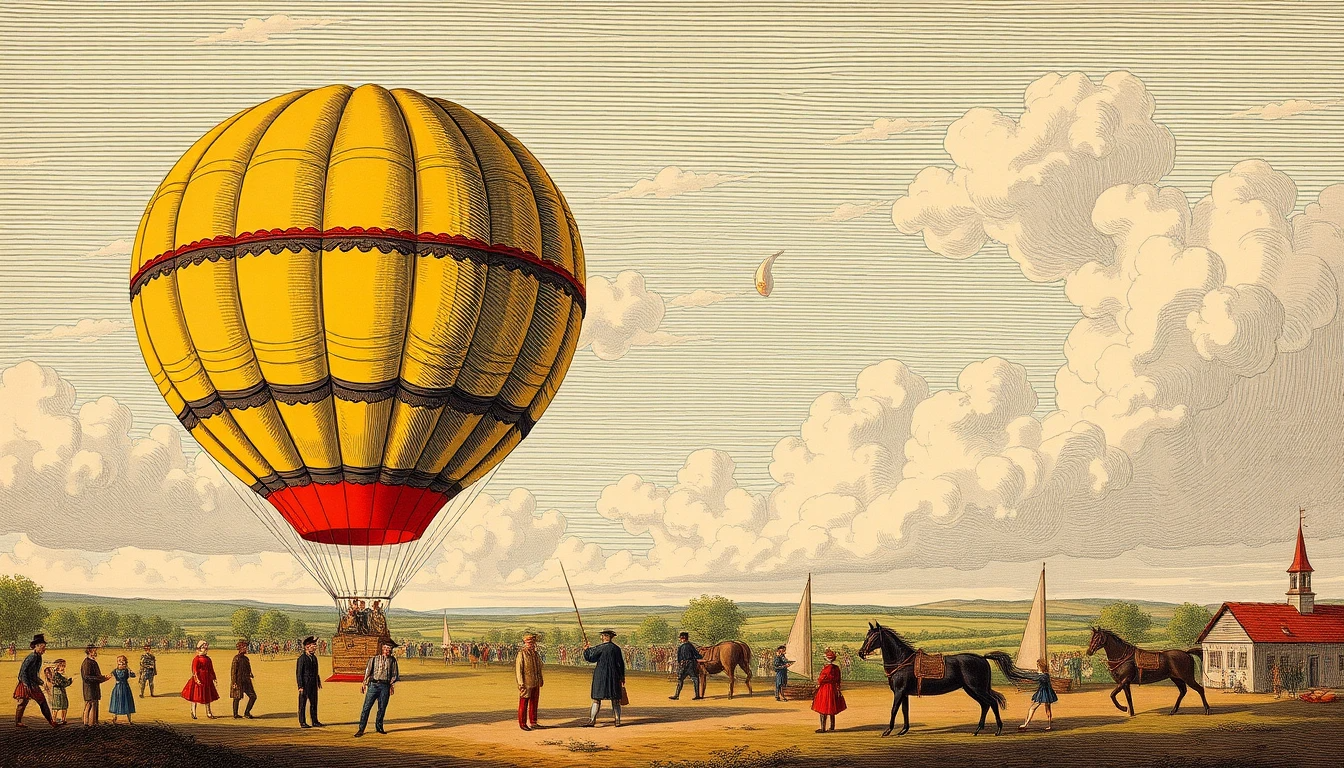
On June 4, 1783, the Montgolfier brothers launched more than just a balloon—they launched a new lexicon. Their ascent inspired words like aeronaut and ballooning, lifted English imaginations, and infused literature with the language of flight, marking a pivotal moment where invention and expression soared side by side.
-
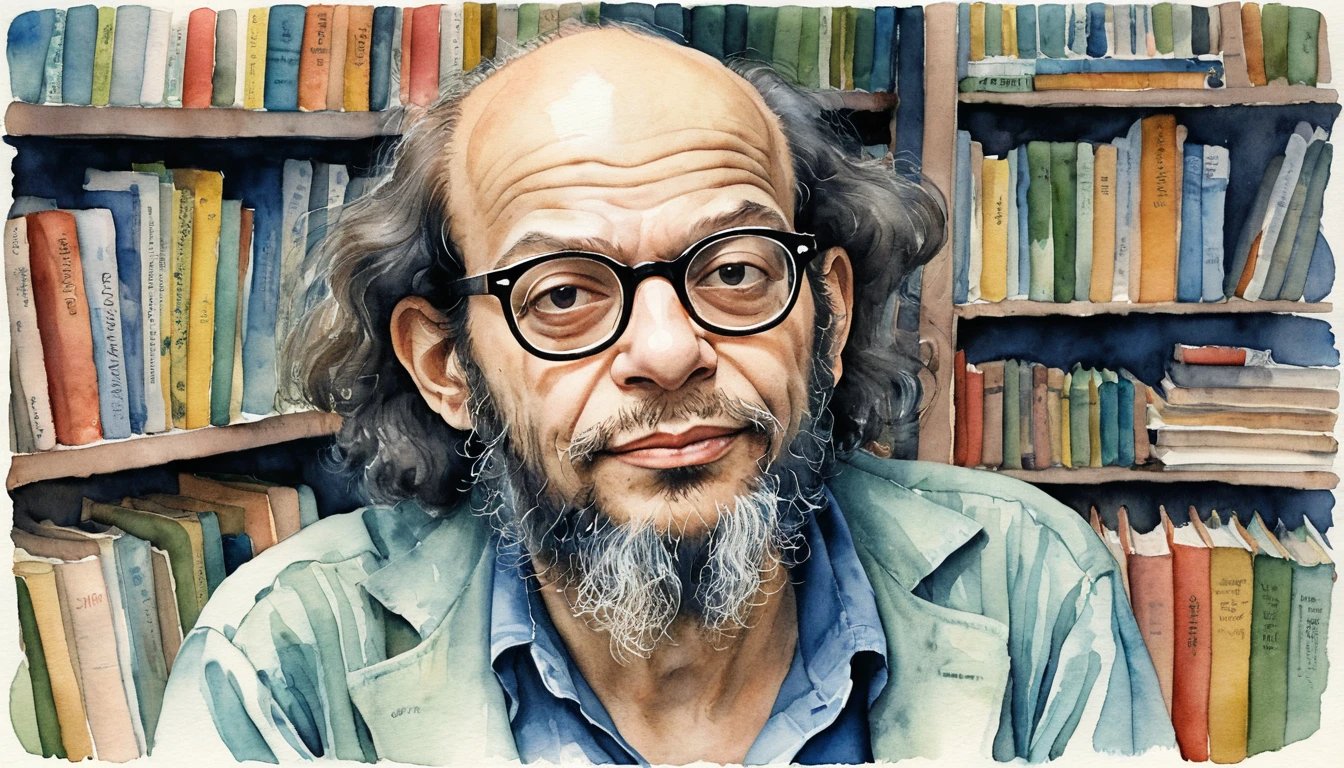
Allen Ginsberg, a catalytic voice of the Beat Generation, shattered poetic conventions with raw emotion and political fire. His groundbreaking work, like Howl, redefined American verse and challenged societal norms, echoing rebellion, spirituality, and truth in every line—a legacy that still pulses through the veins of modern poetry.
-
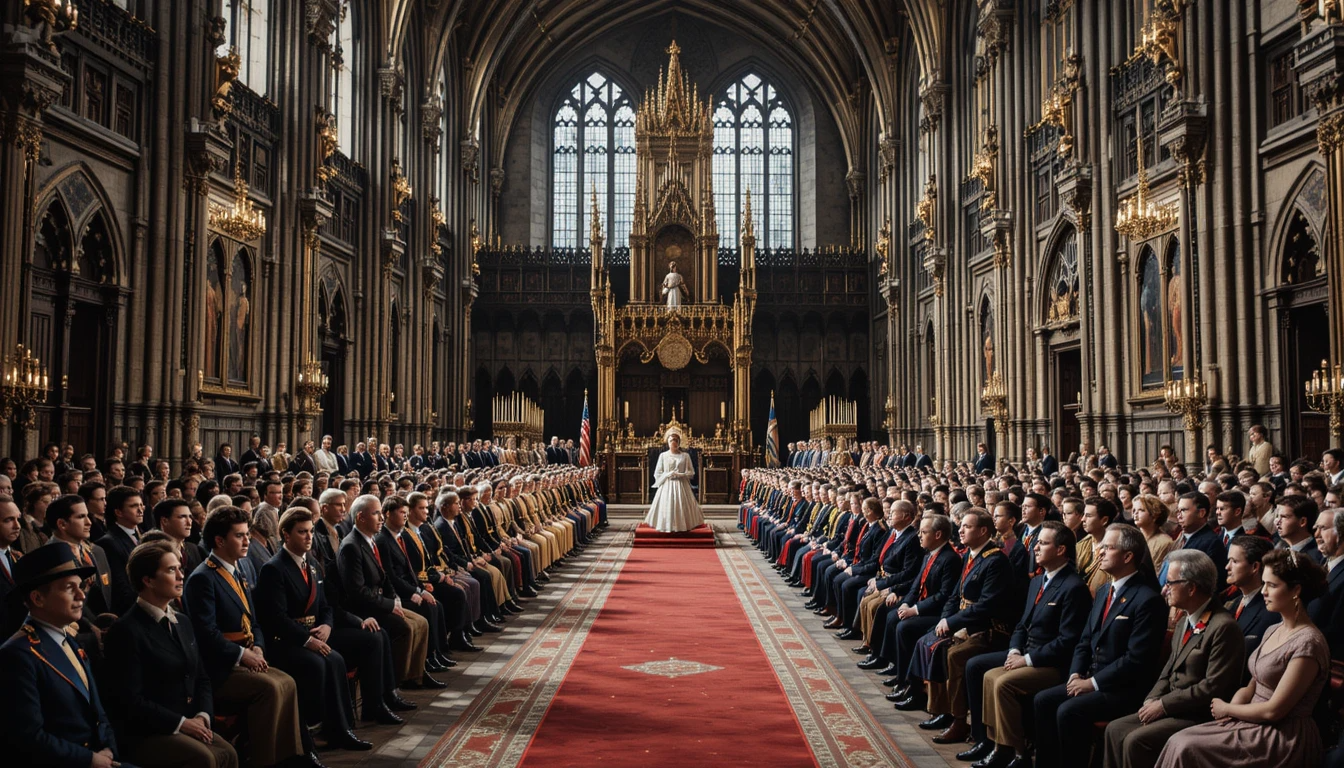
Queen Elizabeth II’s 1953 coronation wasn’t just royal history—it was a linguistic landmark. Broadcast globally, it elevated English ceremonial vocabulary like coronation, sovereign, and pageantry, embedding them in global speech. It marked the moment regal language entered homes, headlines, and pop culture, making English the voice of modern monarchy.
-
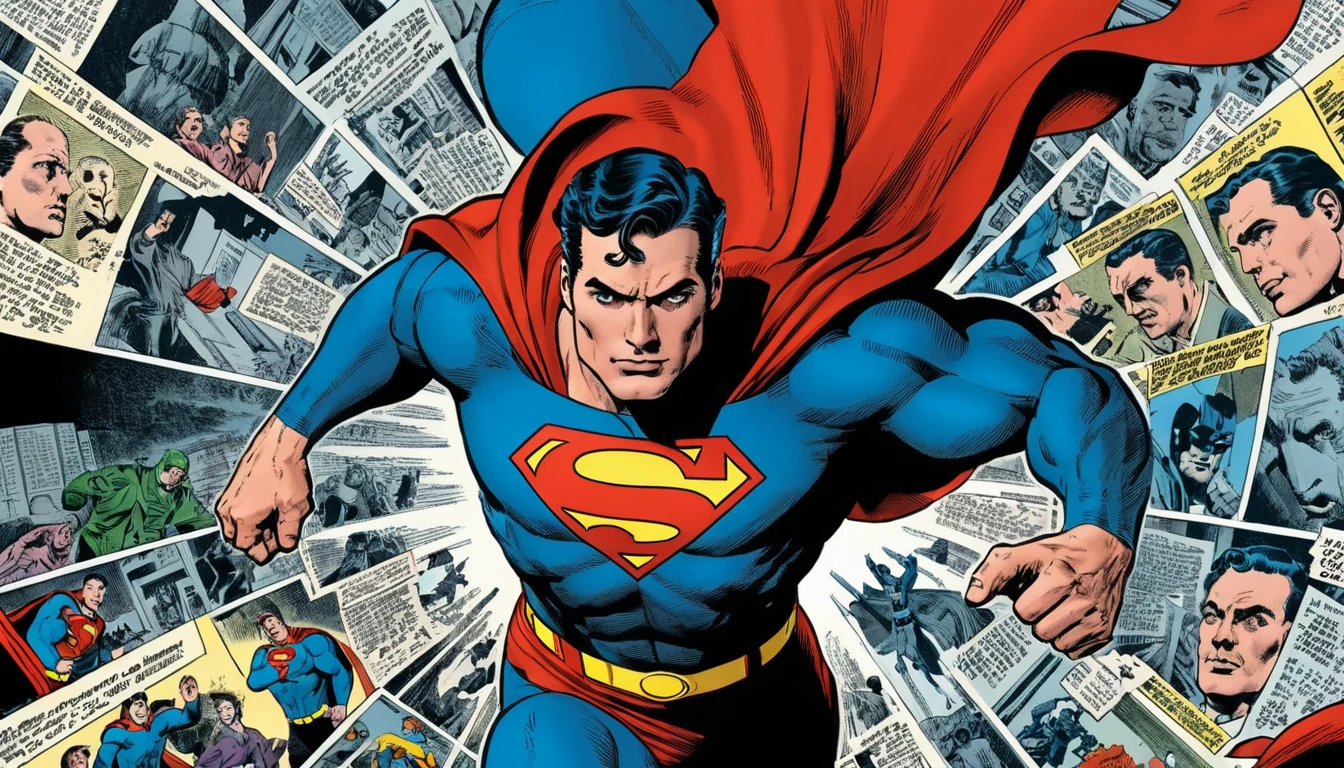
On June 1, 1938, Superman debuted in Action Comics #1, launching not only a superhero, but a new vocabulary. Words like “superhero,” “kryptonite,” and “secret identity” entered English, reshaping how we talk about power, weakness, and heroism across pop culture, literature, and everyday life.