
2025 June
-
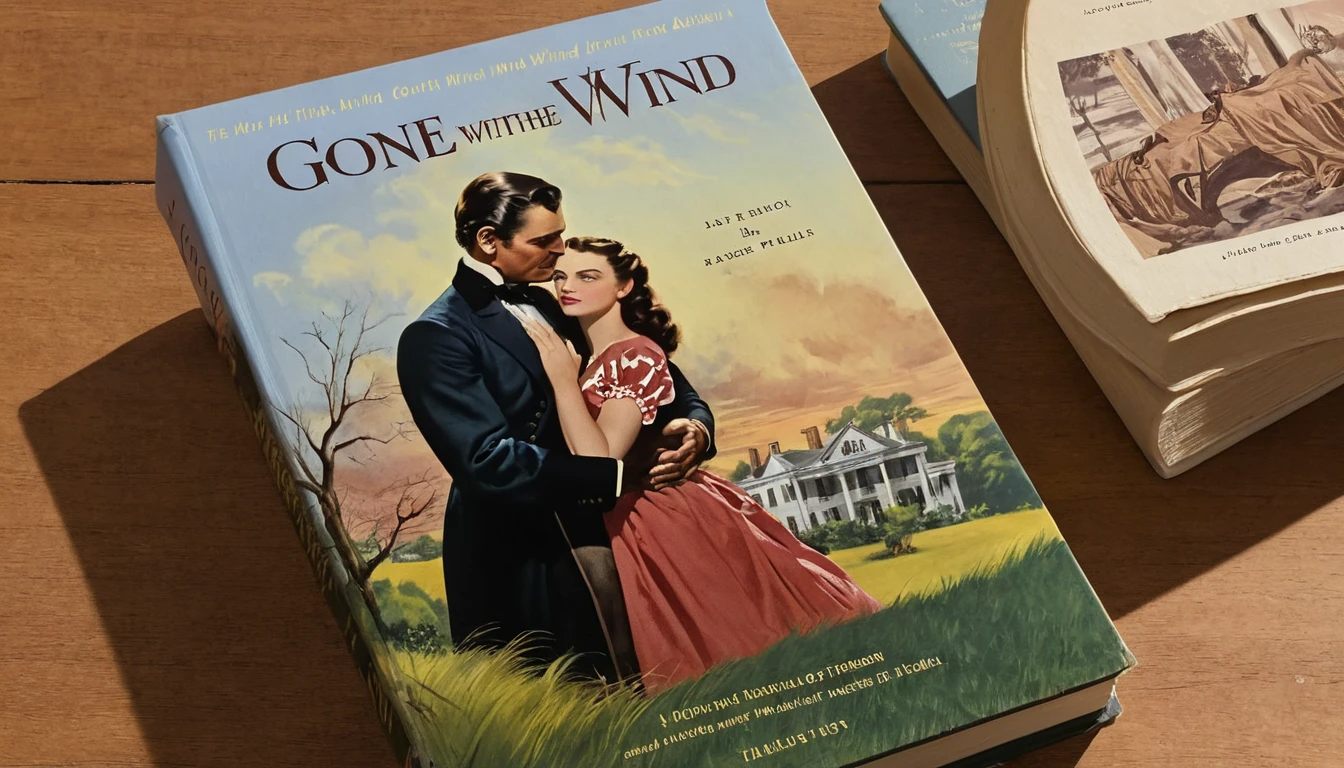
Margaret Mitchell’s Gone with the Wind introduced idioms, character types, and Southern expressions that became embedded in English. From “Scarlett-like” personalities to the iconic “gone with the wind,” the novel’s language shaped how English remembers romance, loss, and cultural myth.
-

Katharine Hepburn didn’t just act—she rewrote the script for how English describes women. With razor-sharp diction and unapologetic strength, she gave the language a new lexicon of female power, wit, and independence. Today, her voice lives on in idioms, dialogue, and bold descriptors that reshaped English expression itself.
-
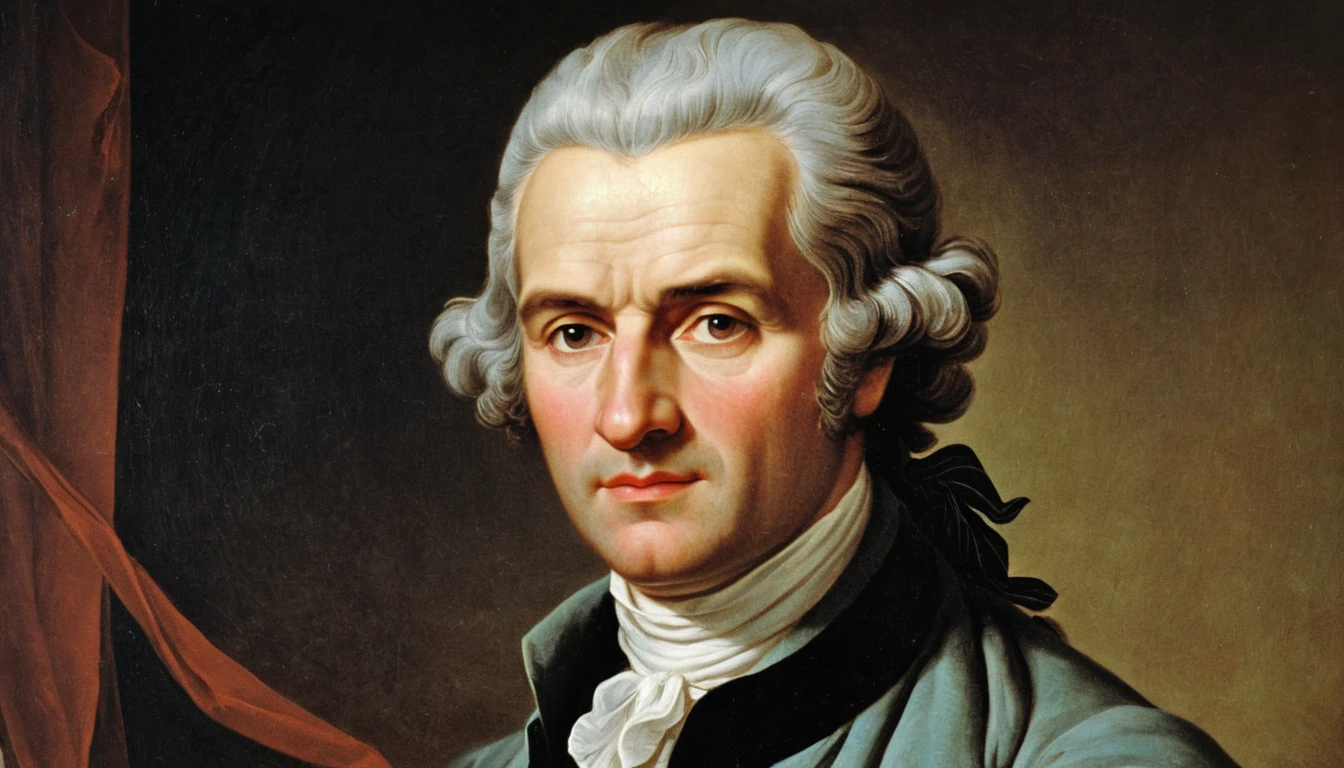
Jean-Jacques Rousseau, born June 28, 1712, profoundly shaped English political and educational vocabulary. Terms like social contract, general will, and natural education entered English through his work, transforming how liberty, society, and learning are discussed. Though he wrote in French, Rousseau’s ideas became cornerstones of English Enlightenment thought.
-
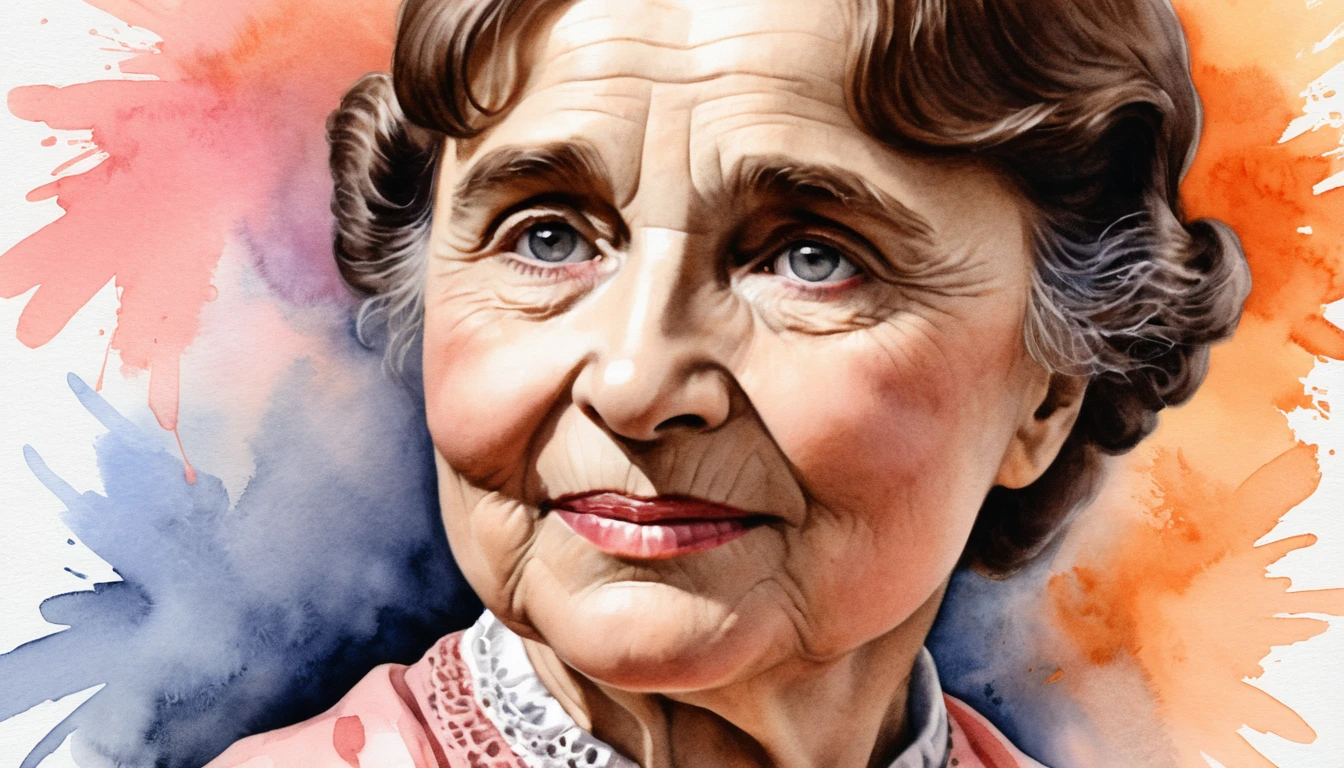
Born deaf and blind, Helen Keller reshaped how English speaks of disability, dignity, and determination. Her vivid prose and fearless advocacy expanded the language of rights, inclusion, and resilience—teaching the world that communication transcends voice and sight. Keller didn’t just master English; she made it more human, more just, more whole.
-

On June 26, 1997, Harry Potter and the Philosopher’s Stone introduced a spellbinding new vocabulary to English. Words like “Muggle,” “Horcrux,” and “Quidditch” jumped from fiction to everyday speech, transforming fantasy into linguistic legacy and inspiring a generation of readers, learners, and writers to enchant the language anew.
-
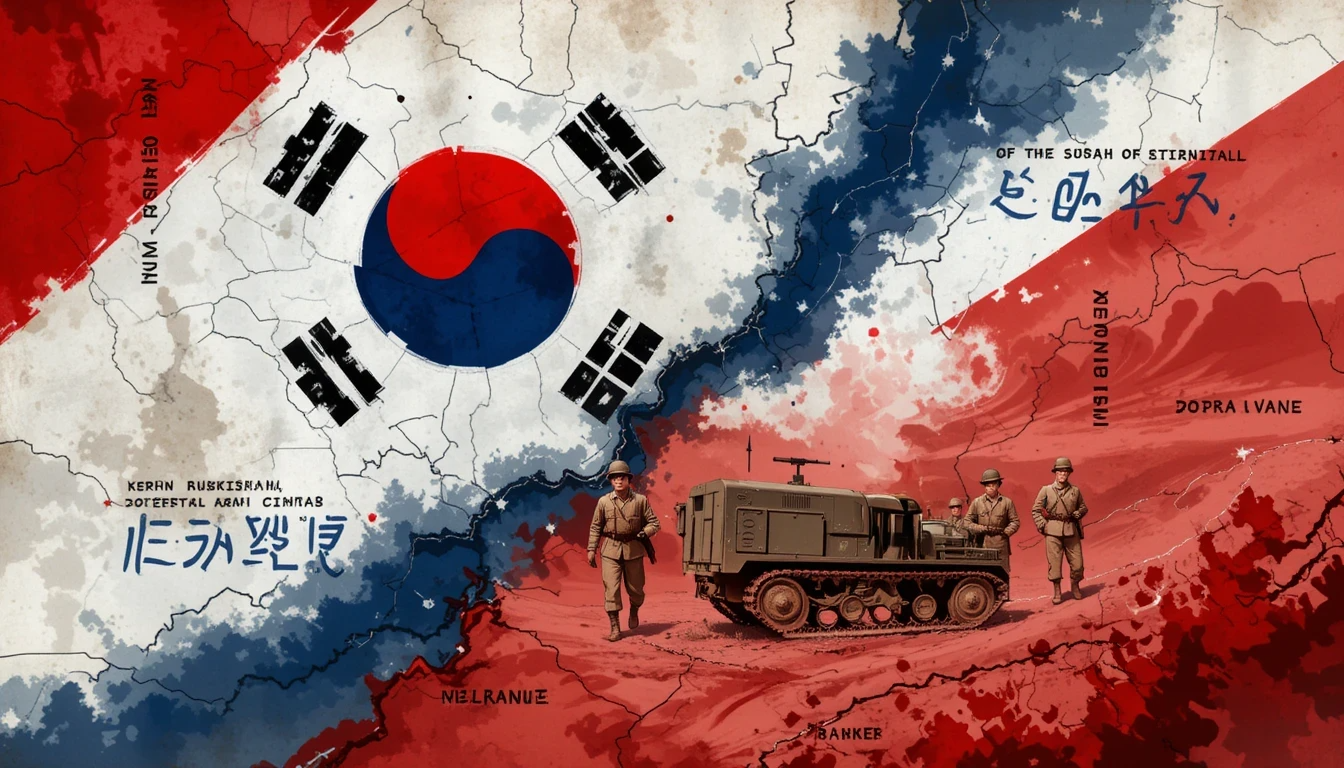
On June 25, 1950, the Korean War began, altering the global landscape—and the English language. Terms like DMZ, proxy war, and containment entered common usage, shaping how we speak of conflict, diplomacy, and ideology even today. The war’s legacy lives on in the rhetoric of power, division, and fragile peace.
-
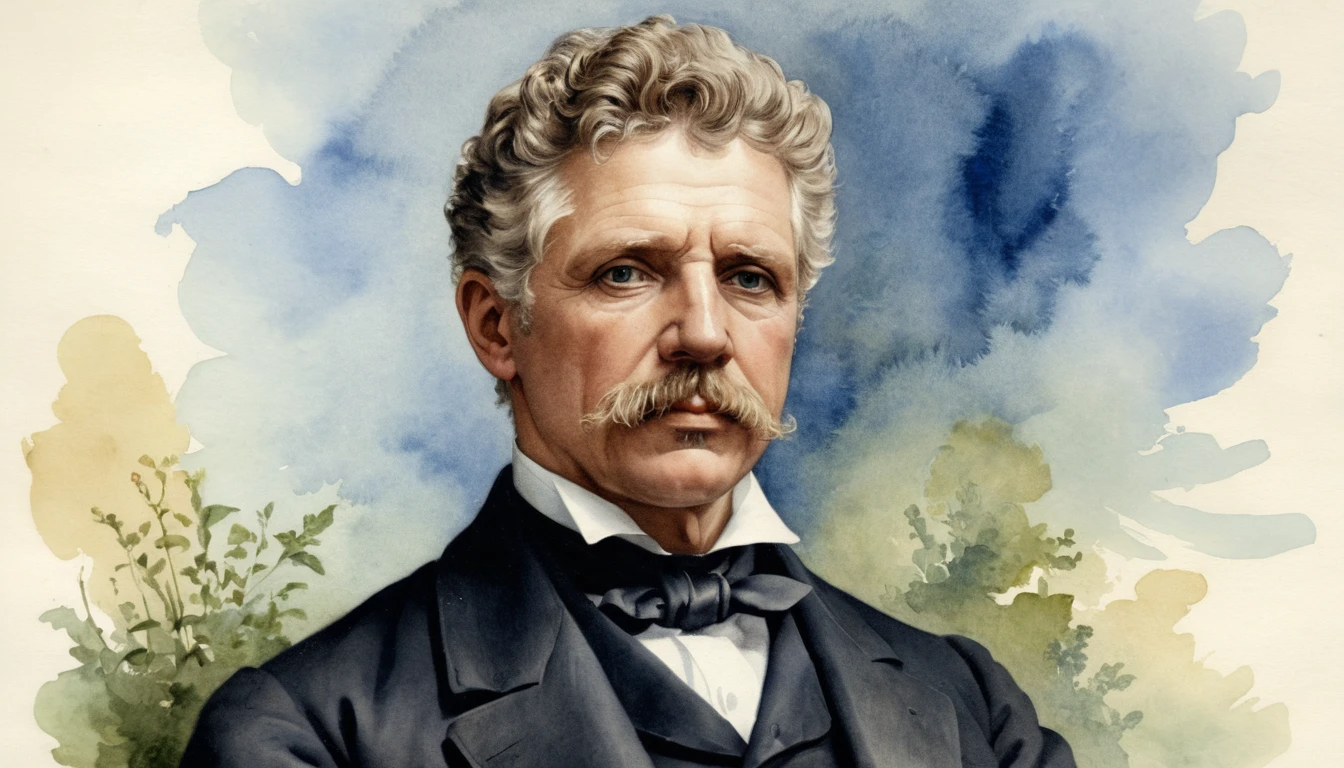
Ambrose Bierce, born June 24, 1842, transformed English into a scalpel of satire. With The Devil’s Dictionary, he redefined vocabulary as philosophical critique, crafting sharp, ironic definitions that still shape political commentary, journalism, and literary wit. His legacy lives on wherever English dares to be clever, critical, and darkly honest.
-
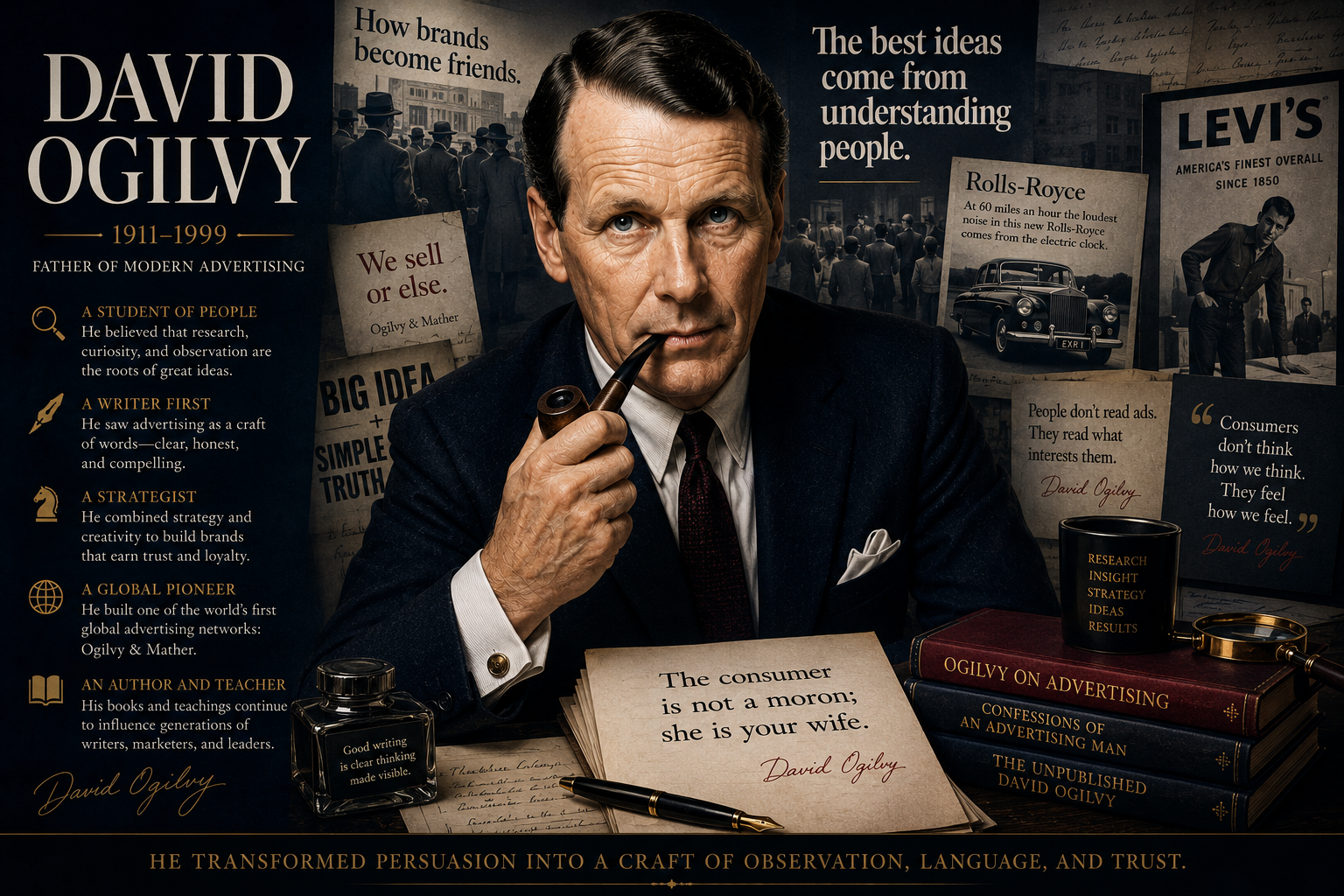
David Ogilvy transformed modern persuasive English through advertising, helping popularize a clear, conversational style that continues to influence business, media, and public communication.
-
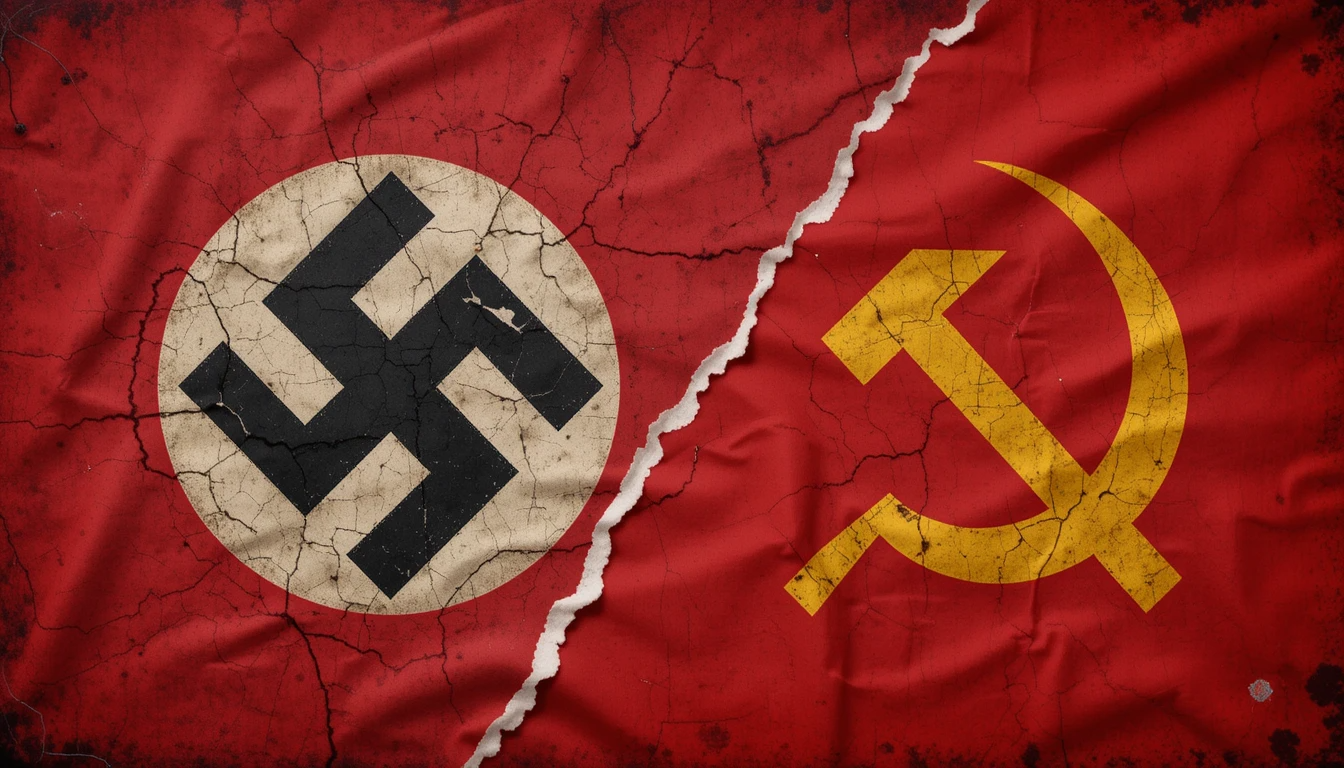
Operation Barbarossa redefined the English of war. As Nazi Germany invaded the USSR on June 22, 1941, terms like “Eastern Front,” “scorched earth,” and “total war” entered English with chilling permanence—reshaping how we describe conflict, strategy, and ideological struggle across history, journalism, literature, and even modern politics and business.
-
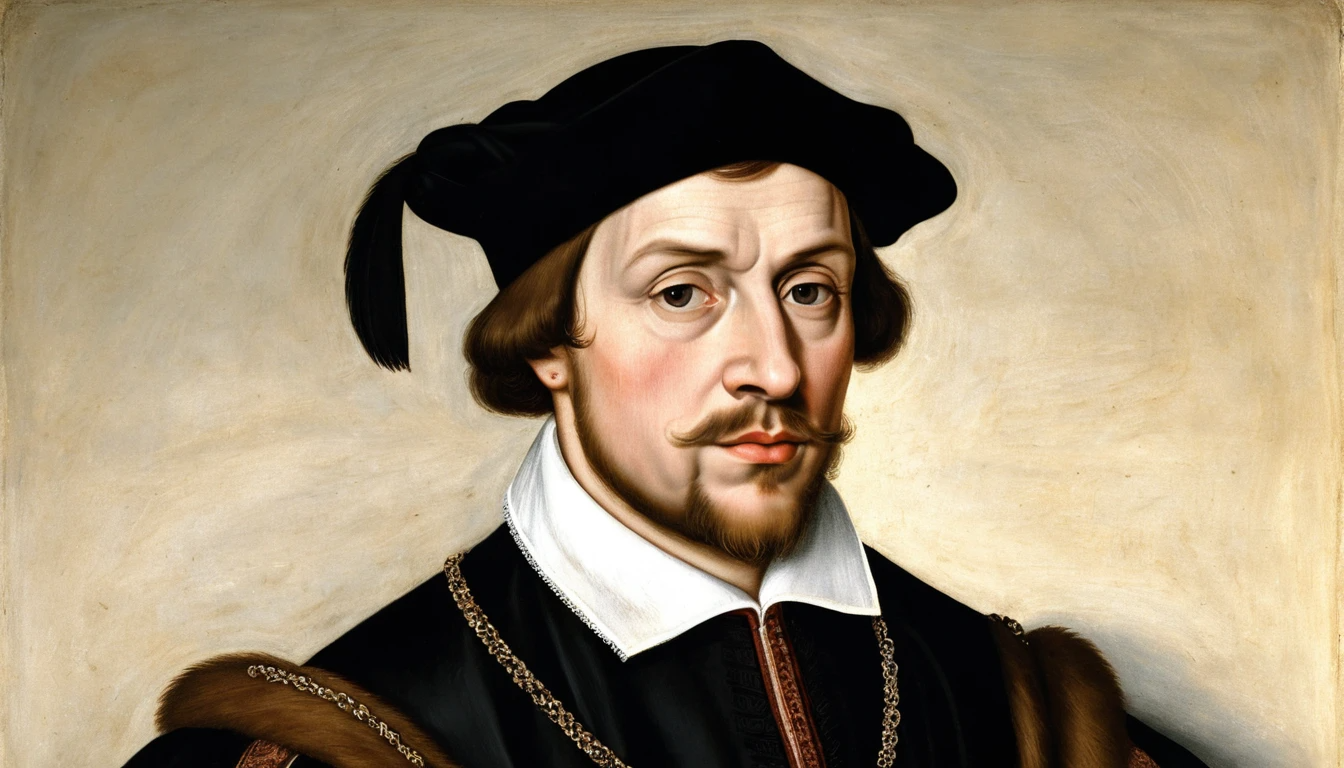
John Skelton shattered poetic convention with his raw, rhythmic “Skeltonics”—short-lined, sharp-tongued verse that jabbed at power and privilege. As priest, tutor, and satirist, he fused medieval roots with modern rebellion, forging a new voice that danced, mocked, and dared. His words hit fast, hit hard, and never asked permission.