
2025 October
-
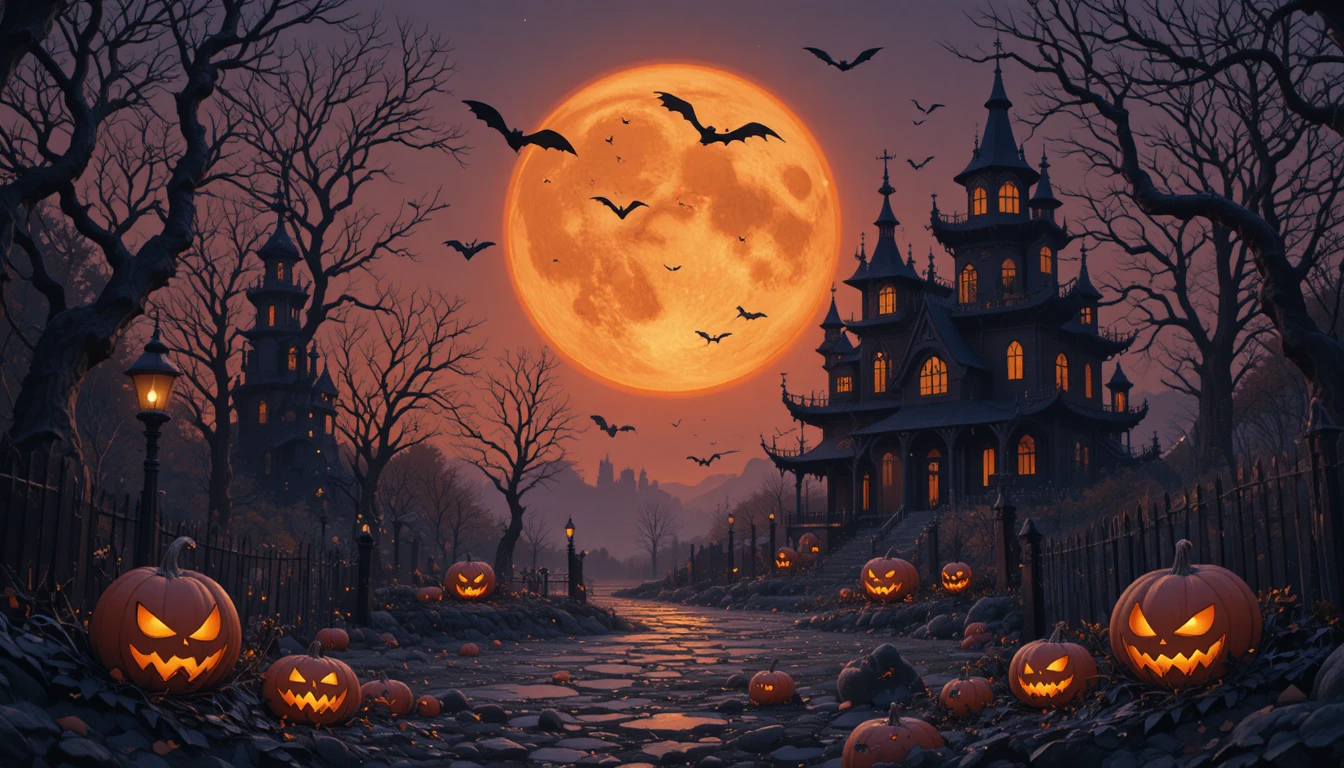
October 31, Halloween — a night between worlds — has long haunted the English imagination. From Shakespeare’s witches to Shelley’s monsters and Bradbury’s ghosts, it gave English a language of fear, wonder, and transformation, turning shadows into stories and the unknown into the heartbeat of creativity itself.
-
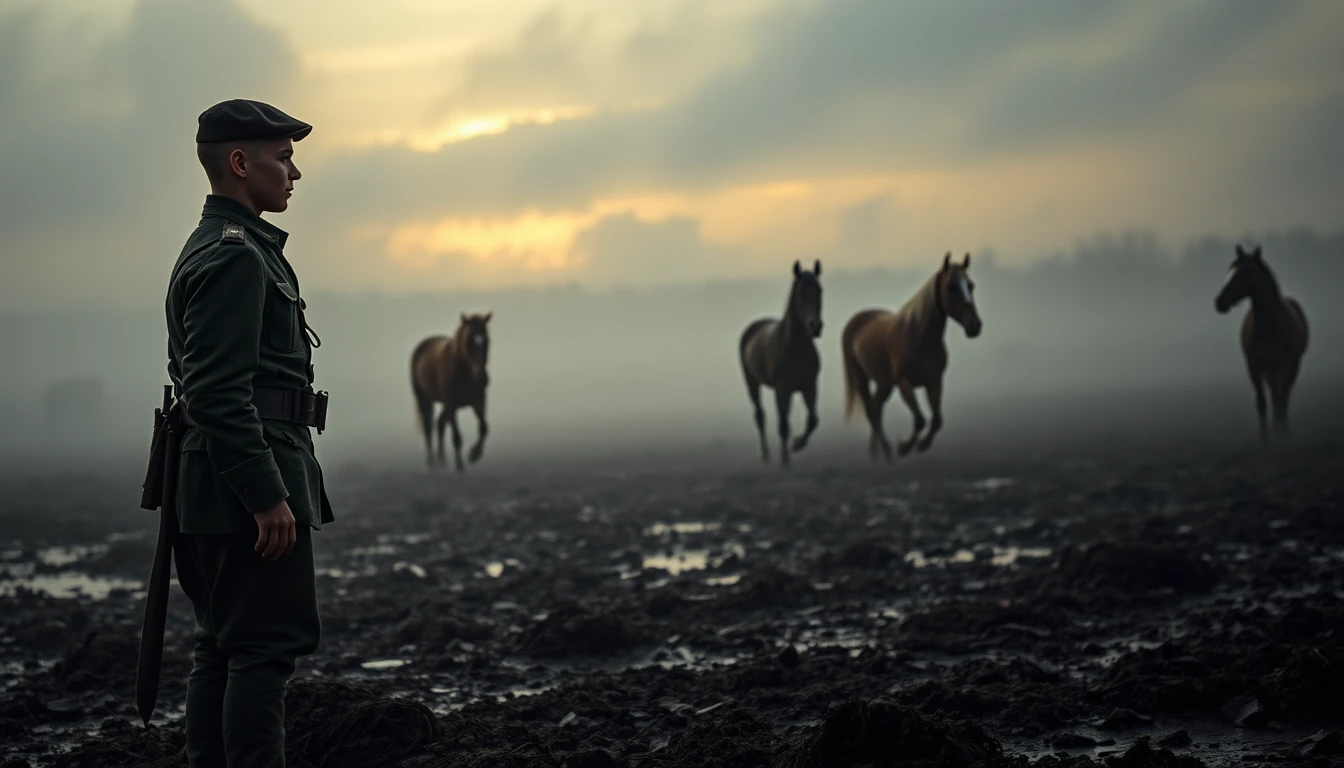
Born on October 30, 1930, Timothy Findley became a defining voice of conscience in modern English fiction. Through works like The Wars and Not Wanted on the Voyage, he explored war, myth, and moral imagination, revealing both the tenderness and the turmoil at the heart of human experience.
-
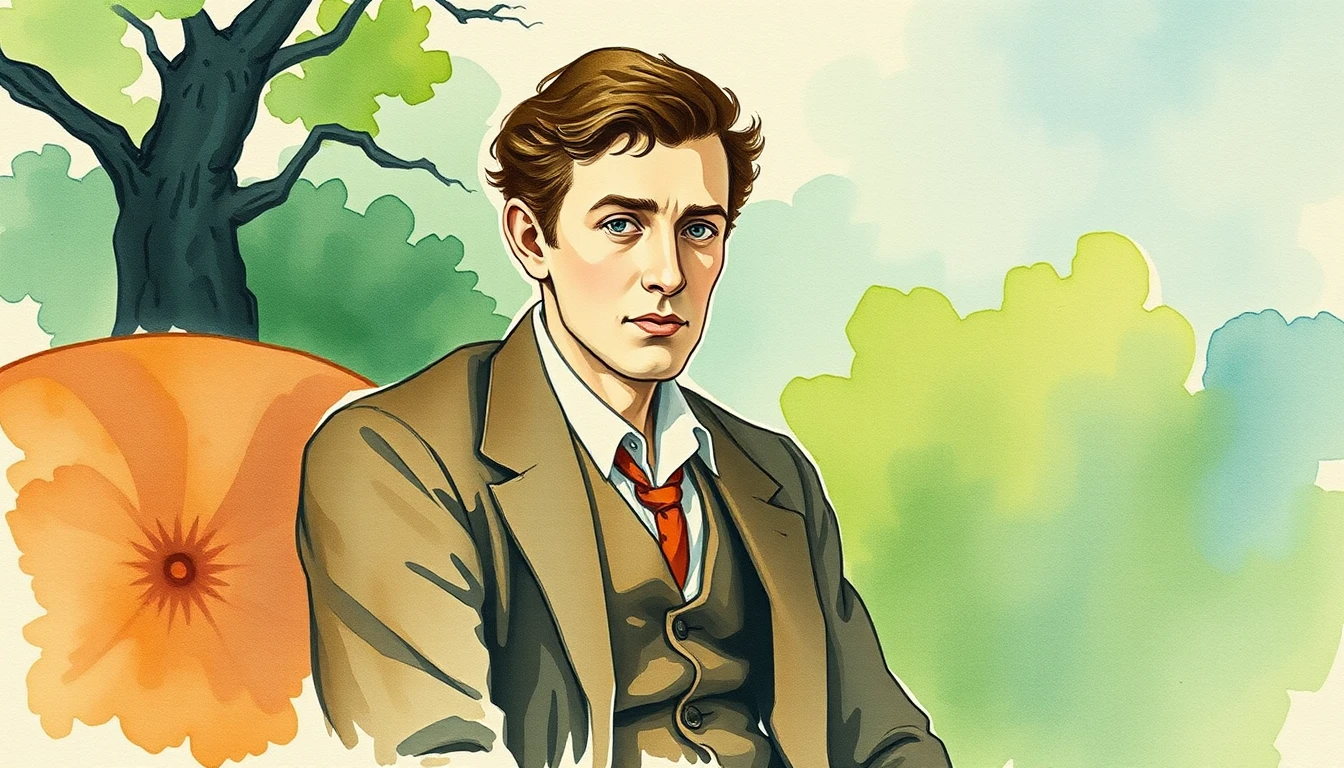
Henry Green (1905–1973) redefined English prose through silence, rhythm, and understatement. His novels transformed everyday speech into art, revealing emotion in the unsaid and poetry in the ordinary. A quiet modernist, Green’s restrained style proved that English fiction could whisper truth more powerfully than it could shout.
-

John Hollander (born October 28, 1929) taught English to hear itself. A poet, critic, and scholar, he united intellect and melody, proving that poetry’s structure is not confinement but creation. Through form, rhythm, and reflection, Hollander revealed that English verse thinks musically — every echo a renewal of meaning and sound.
-

Born on October 27, 1914, Dylan Thomas redefined English poetry through rhythm, sound, and vision. His verse fused the musical and the mythic, transforming words into living music. From Do Not Go Gentle into That Good Night to Under Milk Wood, he revived English as a language that sings, breathes, and feels.
-

Born on October 26, 1883, Napoleon Hill transformed English into the language of ambition. Through Think and Grow Rich, he turned words into tools of belief, giving modern English its vocabulary of purpose, mindset, and success. His sentences didn’t just describe achievement—they made readers feel capable of it.
-
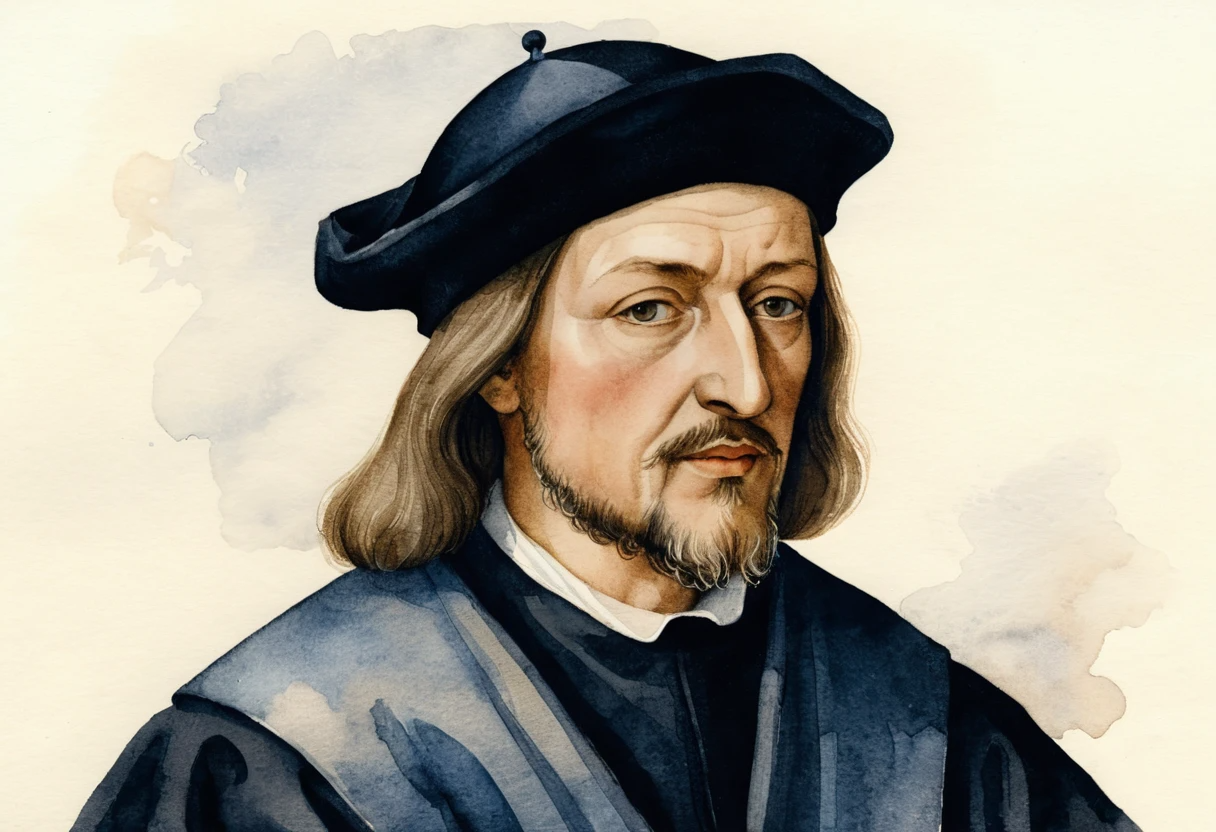
On October 25, 1400, Geoffrey Chaucer passed away, leaving behind more than poetry—he gave English its voice. Through The Canterbury Tales, he proved that the common tongue could hold beauty, wisdom, and truth, transforming English from a spoken dialect into the language of art, intellect, and enduring humanity.
-

Born on October 24, 1932, Adrian Mitchell transformed English poetry into a language of empathy and protest. With wit, rhythm, and moral fire, he restored poetry’s voice to the streets, proving that clarity and compassion could be revolutionary—and that verse still belongs to the people who listen.
-

Born on October 23, 1844, Robert Bridges devoted his life to preserving the beauty, rhythm, and moral clarity of English poetry. As Poet Laureate, he balanced art and science, ensuring that the music of language endured through the modern age — a harmony of intellect, form, and spiritual grace.
-
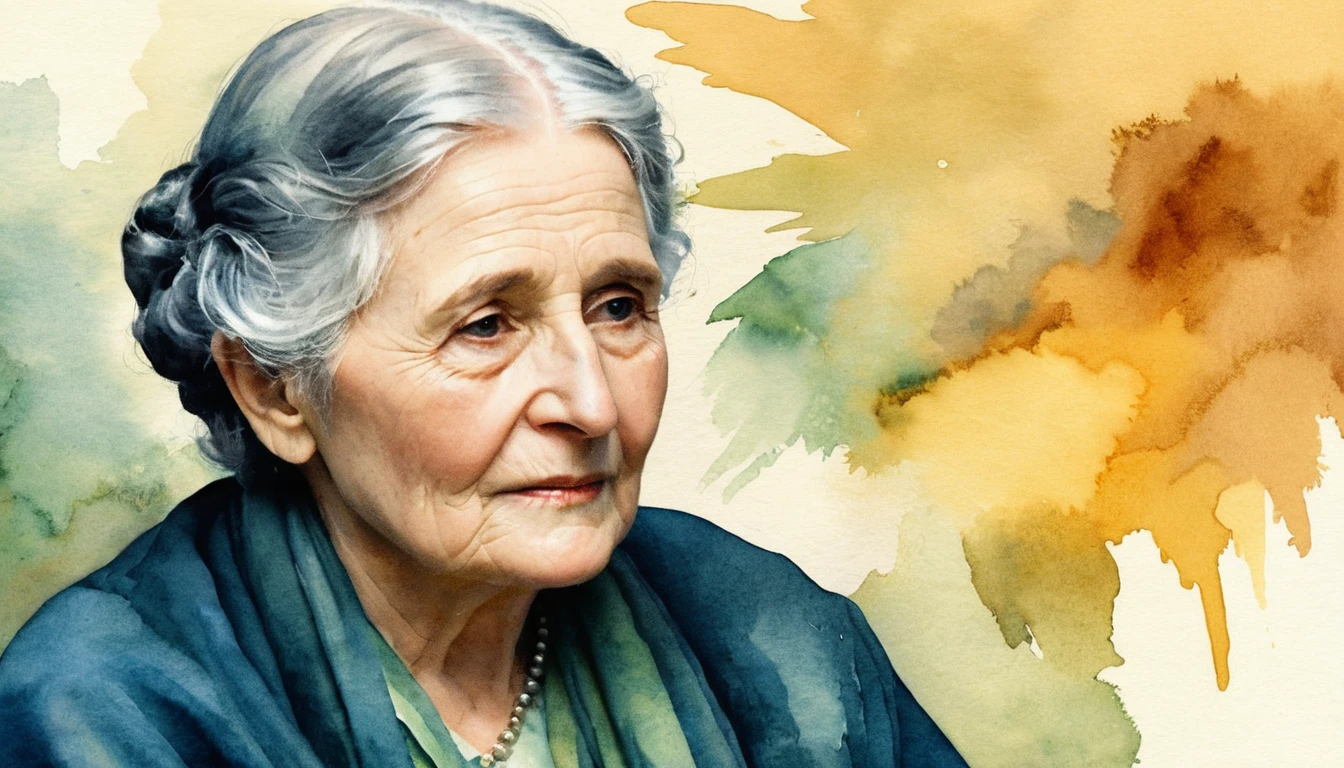
Born on October 22, 1919, Doris Lessing redefined English fiction as a tool of liberation and self-examination. Her fearless prose, from The Golden Notebook to her political essays, gave English new emotional and moral dimensions — a language capable of truth, rebellion, and psychological depth that reshaped modern consciousness.