
2025 October
-
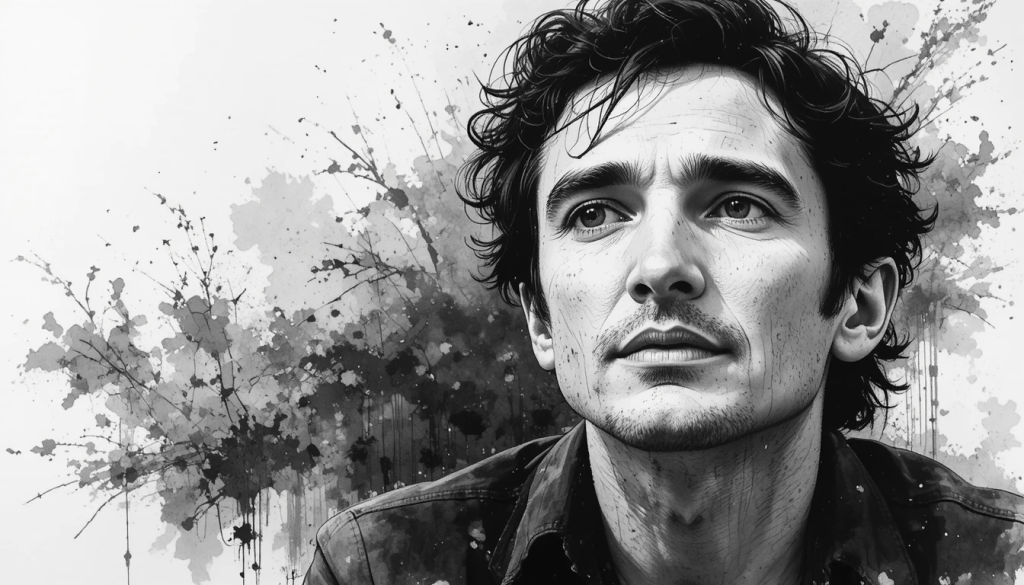
Jack Kerouac turned English into motion — a living rhythm that pulsed like jazz and roared like the open road. His spontaneous prose defied grammar, celebrated freedom, and gave voice to the restless American soul. Through his words, language itself began to travel, wild, musical, and forever searching.
-
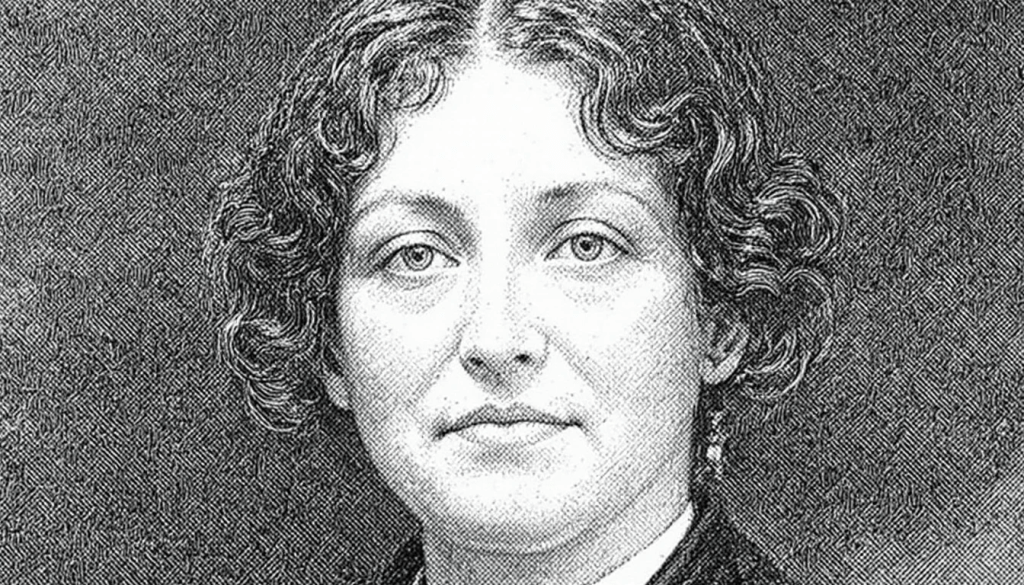
Born on October 20, 1872, Flora Macdonald Mayor crafted fiction of quiet brilliance. Her novel The Rector’s Daughter reveals the depth of English realism through restraint, compassion, and psychological truth. With elegant understatement, Mayor transformed everyday lives into mirrors of conscience and emotion, giving silence its enduring moral voice.
-
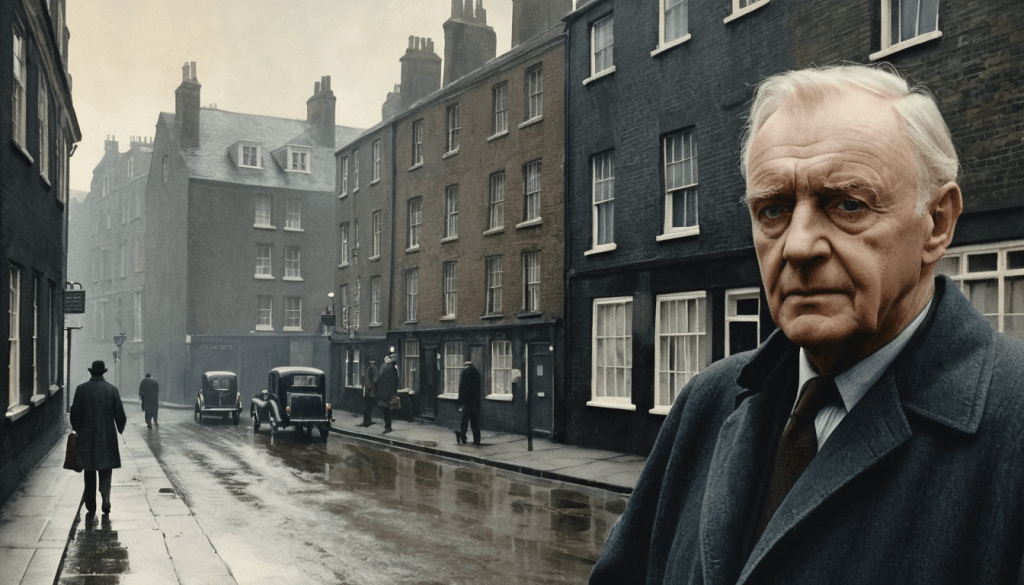
Born on October 19, 1931, John le Carré transformed espionage fiction into moral literature. His spare, elegant prose exposed the human cost of secrecy, creating a lexicon of betrayal and introspection. Through characters like George Smiley, he redefined English realism—where truth whispers, loyalty trembles, and language itself becomes deception.
-
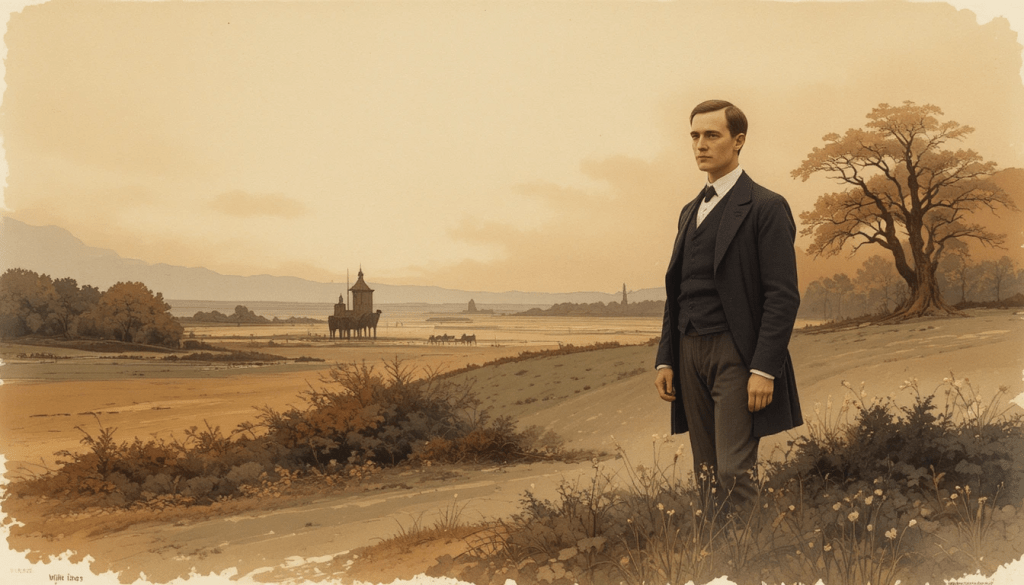
Born on October 18, 1865, Logan Pearsall Smith dedicated his life to the beauty and discipline of English prose. Through Trivia and Words and Idioms, he transformed clarity into art, proving that style is not ornament but integrity — the visible form of thought, grace, and moral precision in language.
-
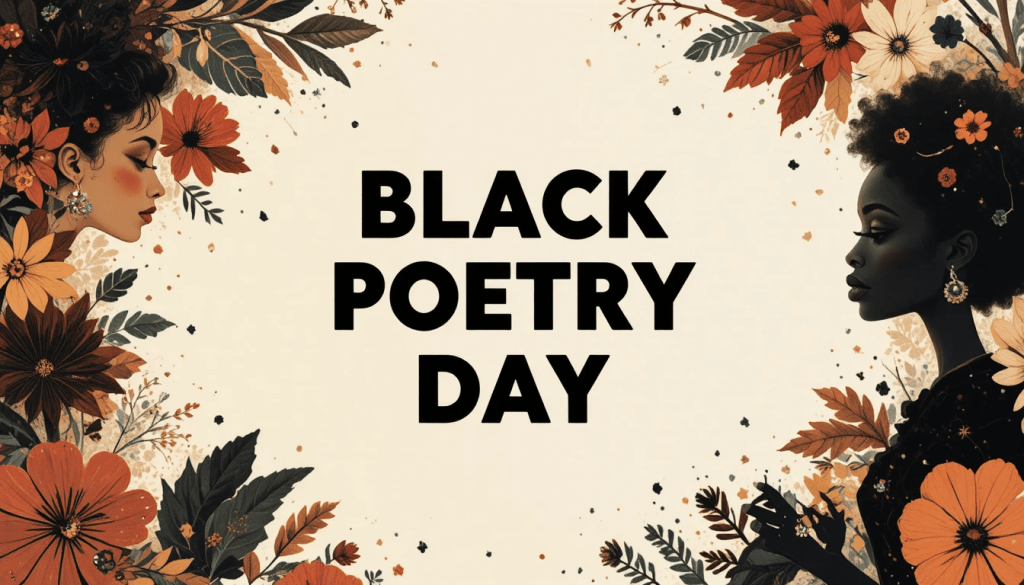
Black Poetry Day, celebrated on October 17, honors Jupiter Hammon — the first published African American poet — and the enduring legacy of Black voices in literature. From spirituals to spoken word, this day celebrates poetry as a language of freedom, resilience, and creative power that continues to inspire generations.
-
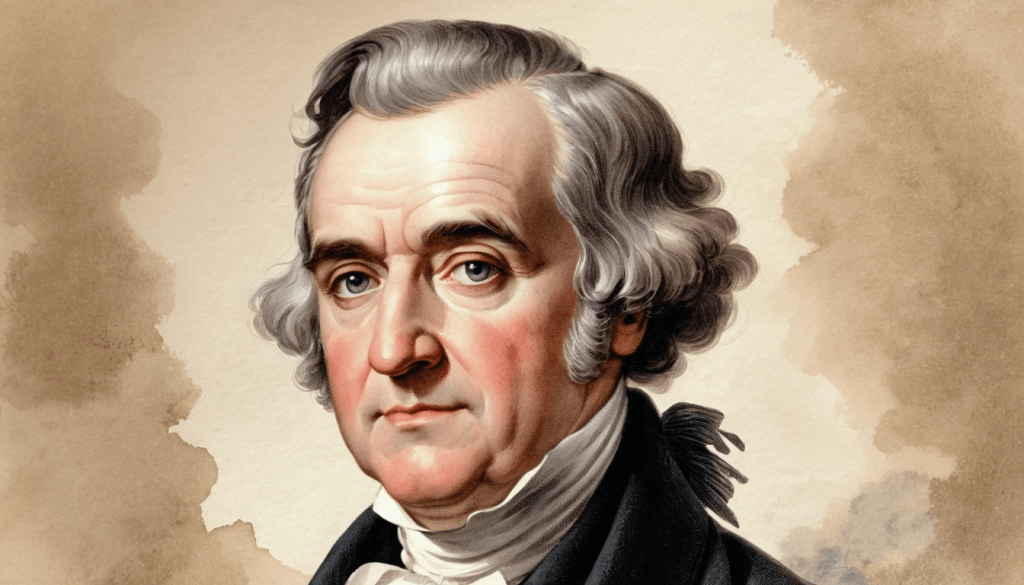
Born on October 16, 1758, Noah Webster gave America more than a dictionary — he gave it a linguistic identity. By shaping spelling, grammar, and national expression, he transformed English from Britain’s inheritance into America’s voice. His reforms turned words into instruments of democracy, education, and cultural independence.
-
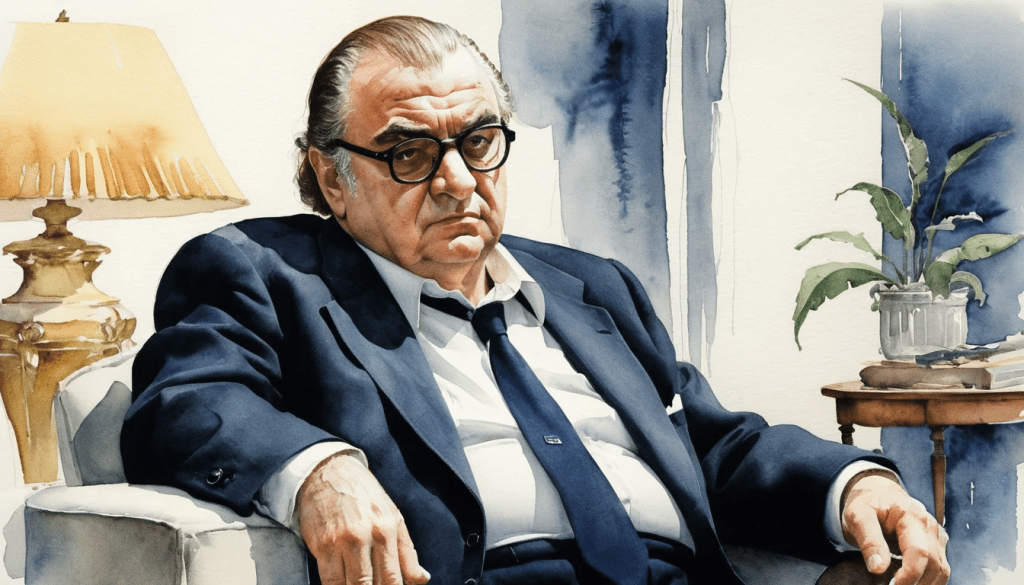
Born on October 15, 1920, Mario Puzo gave English its modern language of honor, loyalty, and power. With The Godfather, he transformed immigrant speech into cultural myth, turning everyday English into the voice of family, fate, and ambition — a timeless idiom of crime and conscience that reshaped world storytelling.
-
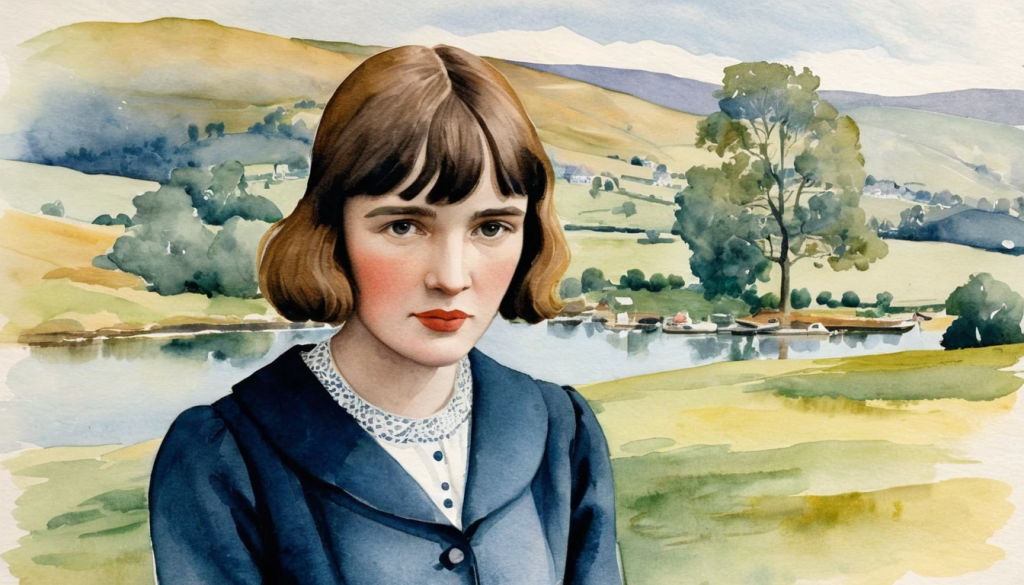
Born on October 14, 1888, Katherine Mansfield redefined English prose as a language of sensation and inner life. Her lyrical, impressionistic style transformed the short story into a form of emotional music, where silence, gesture, and fleeting awareness revealed truths too delicate for ordinary narration.
-
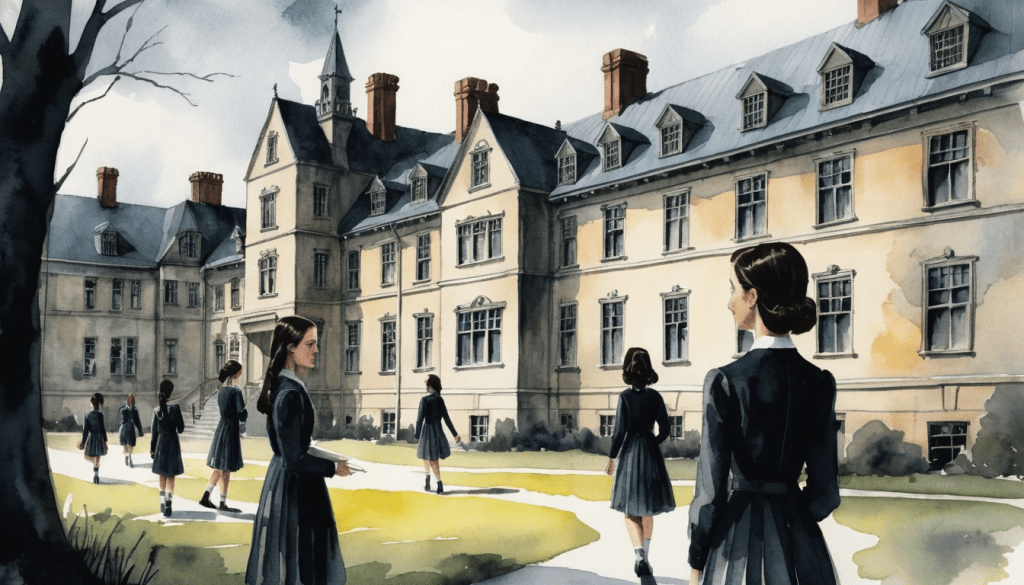
Born on October 13, 1931, Janice Elliott gave English fiction a voice of quiet brilliance. Her prose blended realism with dreamlike irony, exploring the fragility of identity and moral imagination. Whether writing for adults or children, she revealed how English could illuminate the subtle depths of human experience.
-
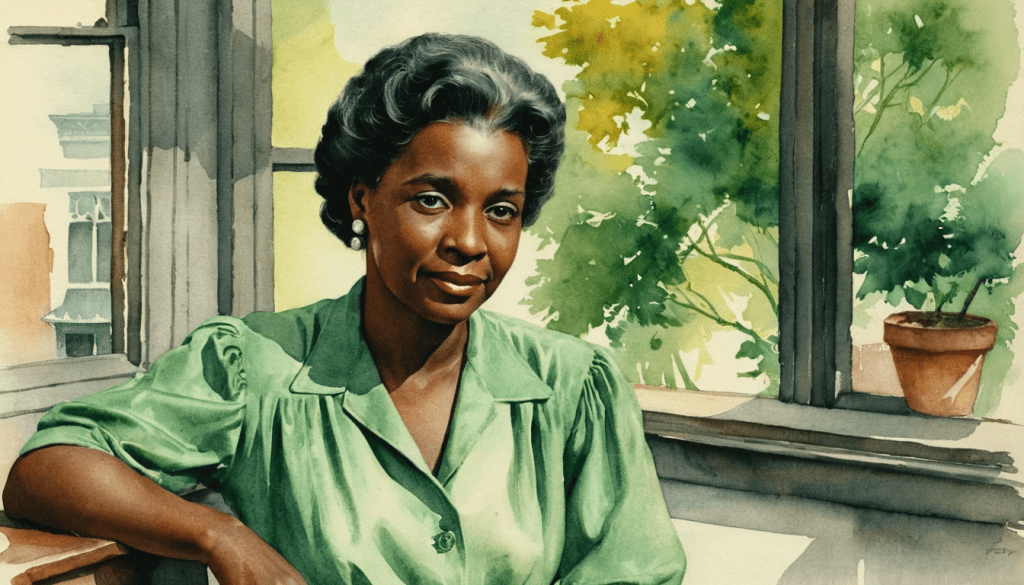
Born on October 12, 1908, Ann Petry gave English fiction a new moral rhythm. In The Street, she captured Harlem’s pulse — its struggle, beauty, and resilience — transforming English into a language of resistance. Her prose fused realism and empathy, making literature a mirror of both injustice and endurance.
 What Happened on This Day?