
2025 October
-

Born on October 11, 1915, T. Llew Jones brought Welsh legend into the heart of British literature. Writing in Welsh, he proved that stories transcend language — his tales of courage and myth gave English readers an echo of Celtic song, reminding the world that imagination knows no borders.
-
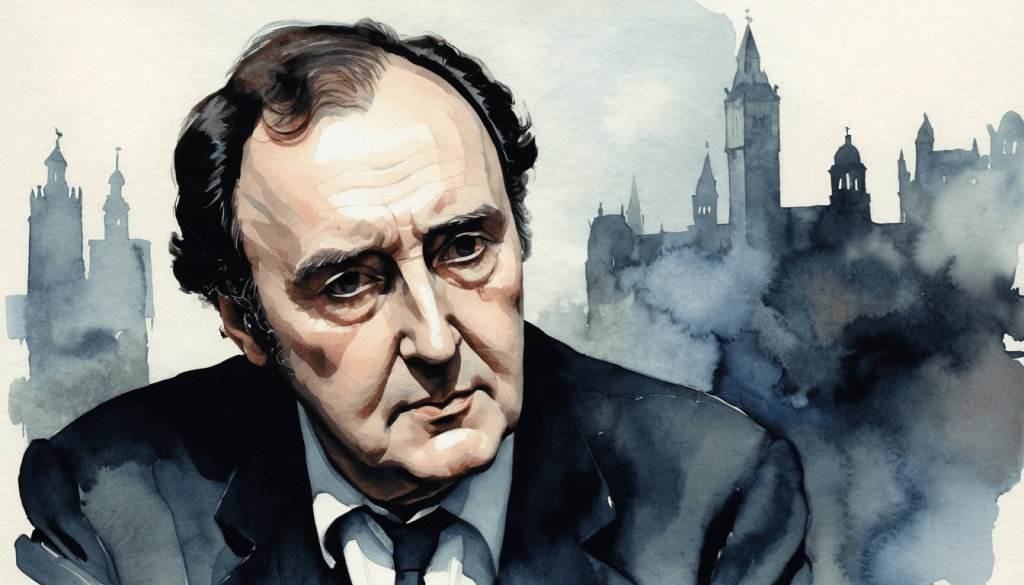
Harold Pinter transformed English drama by revealing the power of silence. His “Pinter pause” turned hesitation into meaning, making speech as much about what’s withheld as what’s said. Through menace, irony, and subtext, he taught English that words conceal truths — and that silence can echo louder than dialogue.
-
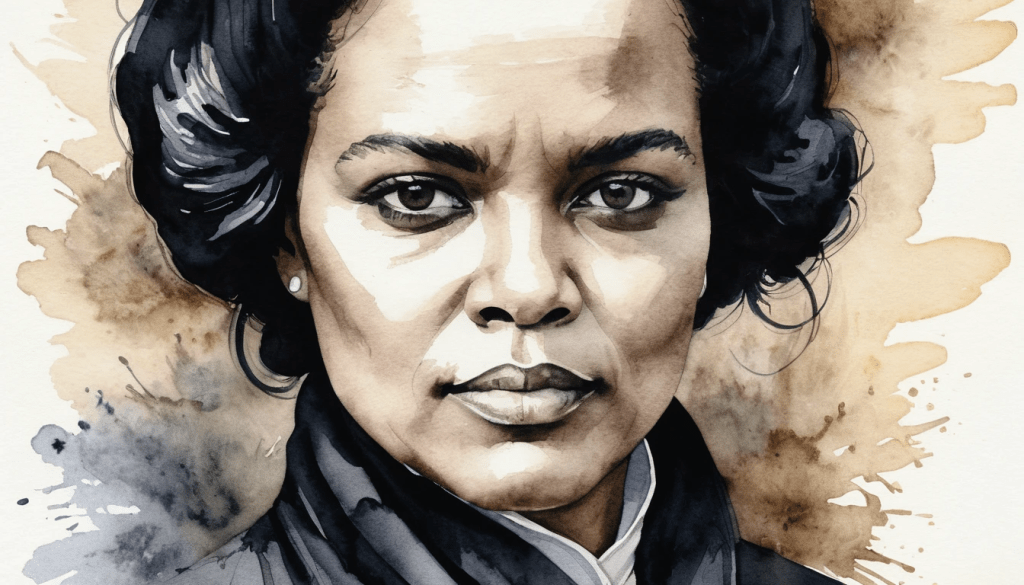
Born on October 9, 1823, Mary Ann Shadd Cary transformed English journalism into a language of freedom, equality, and moral purpose. As the first Black woman in North America to publish a newspaper, she redefined English as a voice for justice, education, and empowerment across boundaries of race and gender.
-
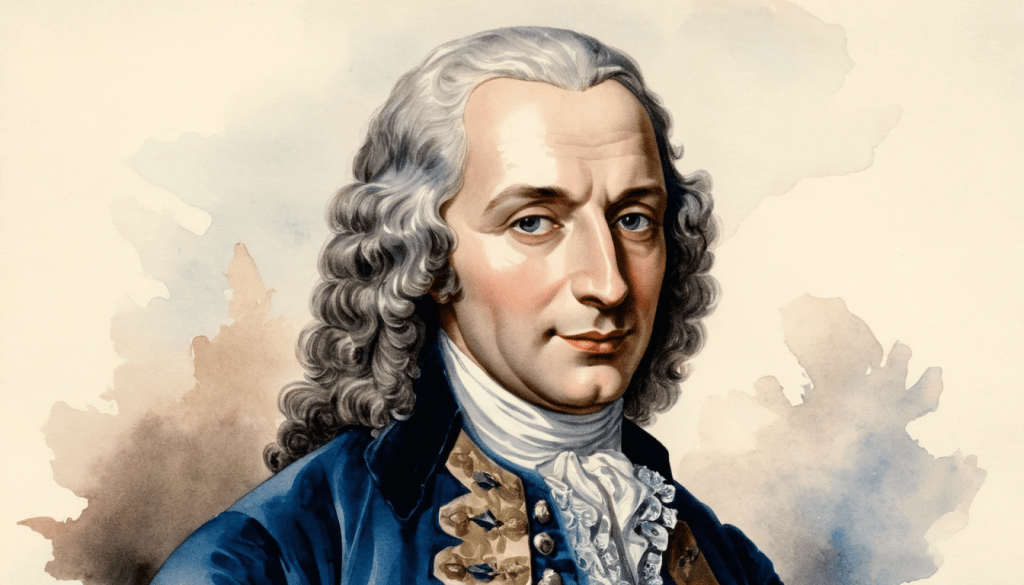
Henry Fielding gave English fiction its moral voice and comic spirit. Blending satire, realism, and philosophy, he turned storytelling into a mirror of virtue and vice. His “comic-epic in prose” shaped the modern novel—balancing laughter with law, and wit with wisdom for generations of readers.
-
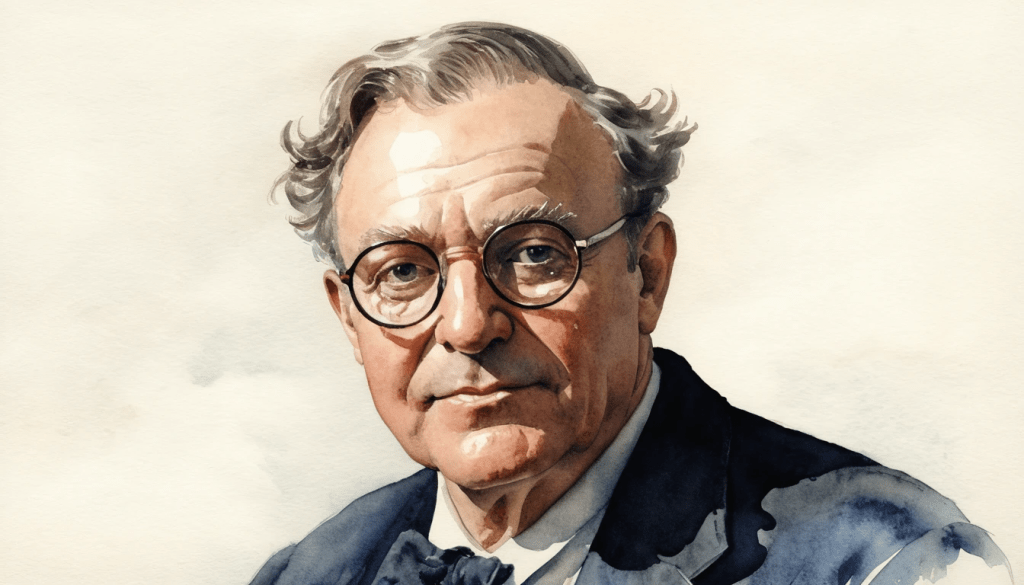
George Cram Cook gave English drama its American accent. As co-founder of the Provincetown Players, he championed authentic speech, regional rhythms, and psychological realism—turning everyday English into art. His vision made the stage a living space for ordinary voices to speak extraordinary truths.
-
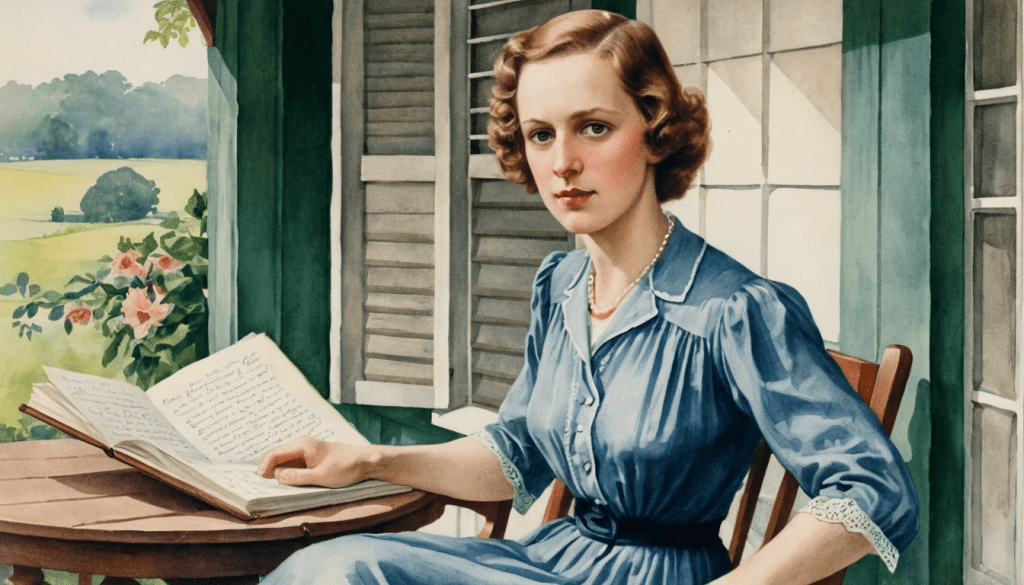
Born on October 6, 1895, Caroline Gordon gave English prose a rare harmony of Southern voice and classical form. Her fiction joined moral clarity with lyrical discipline, turning regional experience into universal art. Through her novels and criticism, English gained a language of conscience, structure, and enduring grace.
-
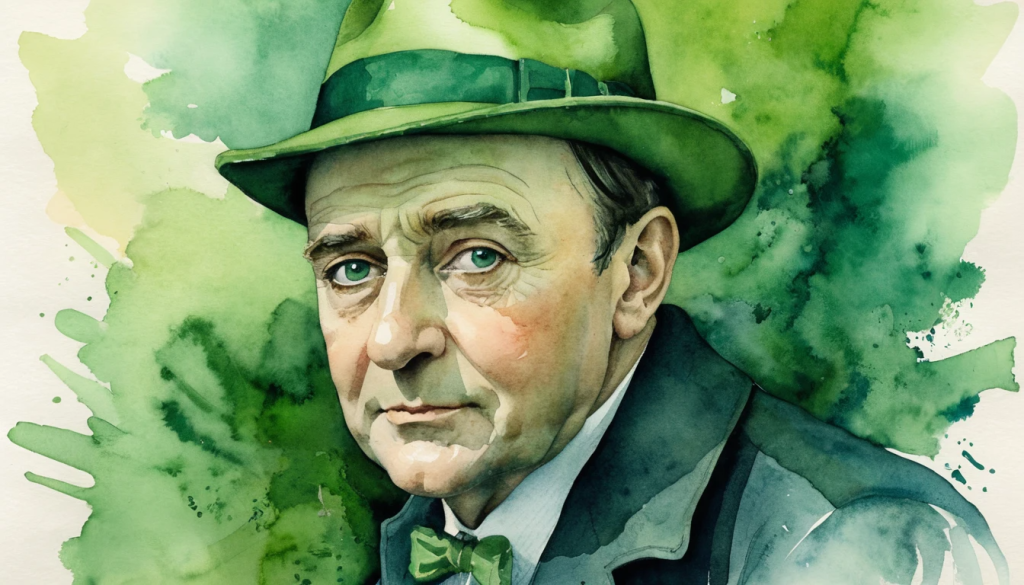
Flann O’Brien, born October 5, 1911, turned English into a hall of mirrors — where stories questioned their authors and language mocked its own seriousness. Through wit, absurdity, and linguistic play, he transformed English prose into an instrument of rebellion and reflection, shaping the comic spirit of modern literature.
-

Born on October 4, 1941, Anne Rice transformed English literature by merging horror, sensuality, and philosophy. Through Interview with the Vampire and her Gothic universe, she gave English a poetic language of immortality, desire, and confession — where darkness reveals beauty and the soul seeks redemption in eternal night.
-
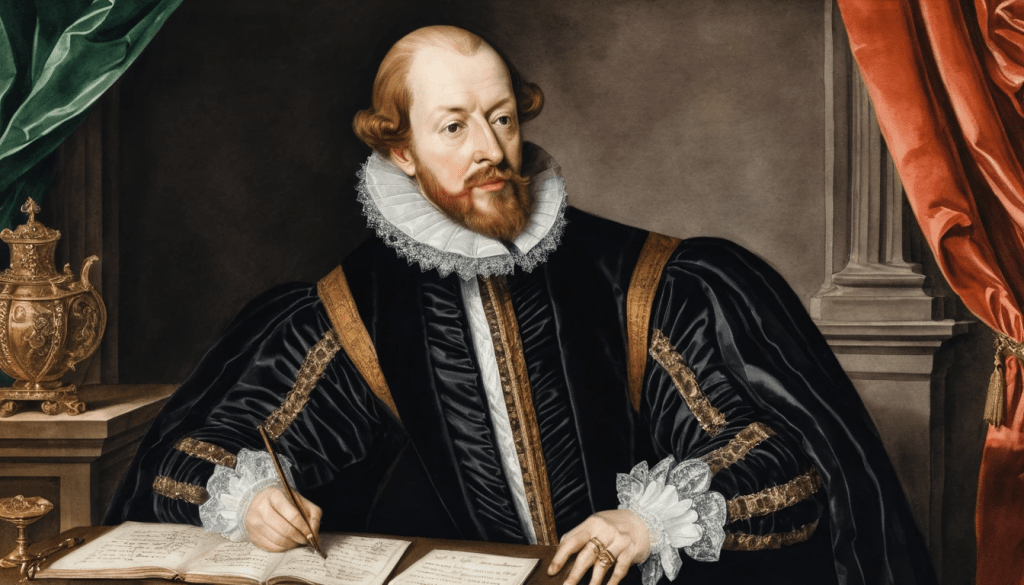
Born on October 3, 1554, Sir Fulke Greville gave English a voice of austerity and depth. A courtier, poet, and philosopher, he merged political duty with metaphysical reflection. His verse, tragedies, and treatises enriched English with a vocabulary of conscience, governance, and spiritual struggle, shaping Renaissance literary imagination.
-
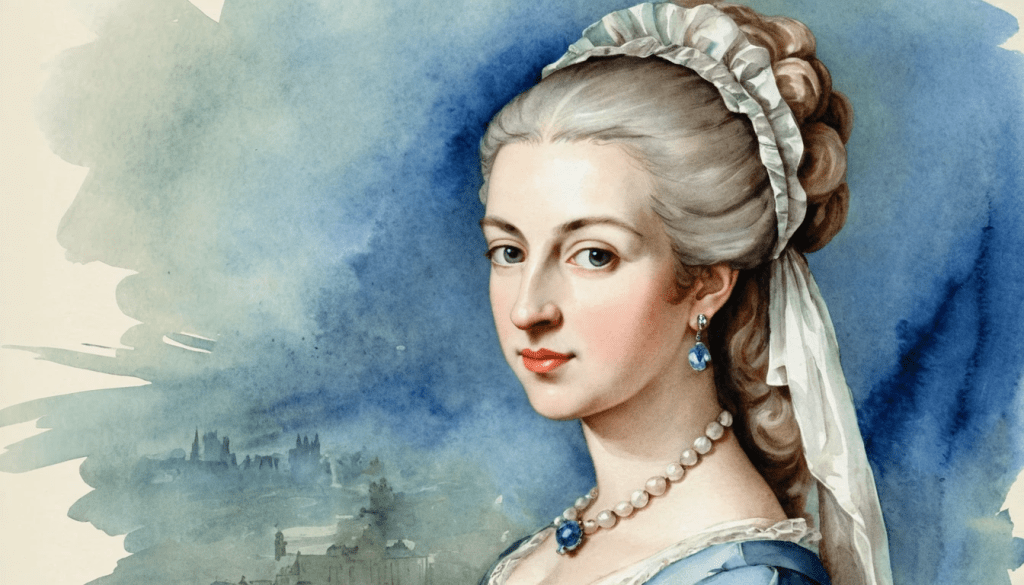
Elizabeth Montagu, born October 2, 1718, reshaped English through wit, salons, and scholarship. As “Queen of the Bluestockings,” she fostered women’s intellectual authority, defended Shakespeare’s genius, and gave English a vocabulary of cultural equality. Her salons created a tradition where women’s voices enriched conversation and criticism alike.
 What Happened on This Day?