
2025 September
-
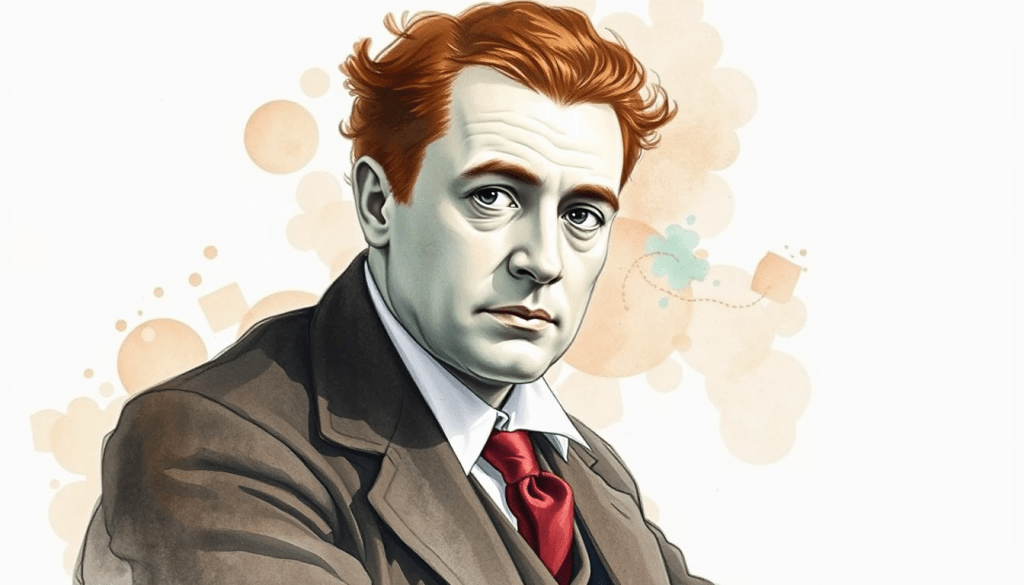
Franz Werfel, born in Prague in 1890, became one of exile’s great literary voices. Though he wrote in German, his English translations shaped WWII literature, enriching the Anglophone vocabulary of exile, witness, and resistance with enduring terms that continue to frame how displacement and survival are expressed in English.
-
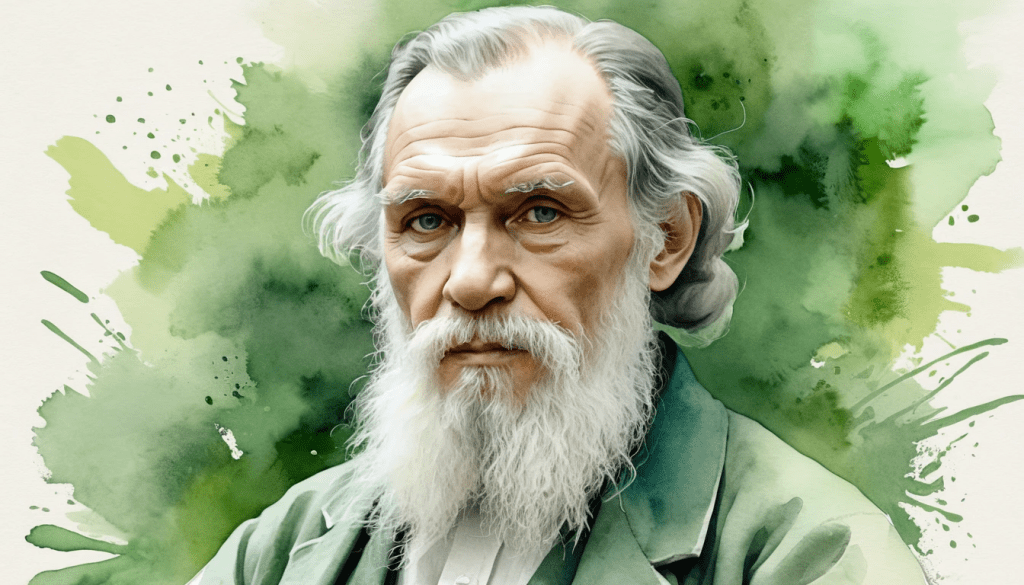
Born in 1828, Leo Tolstoy reshaped English literary and cultural vocabulary through translations of his Russian masterpieces. From “Tolstoyan realism” to “epic humanism,” his influence reached beyond fiction, leaving English with enduring terms of morality, psychology, and historical vision that still guide criticism, politics, and everyday expressions.
-

Richard the Lionheart, born September 8, 1157, became not only a crusader king but also a source of enduring English idioms. Expressions like lionhearted, king’s ransom, and true king returned trace their origins to his legend, embedding courage, sacrifice, and chivalry in English vocabulary for centuries.
-
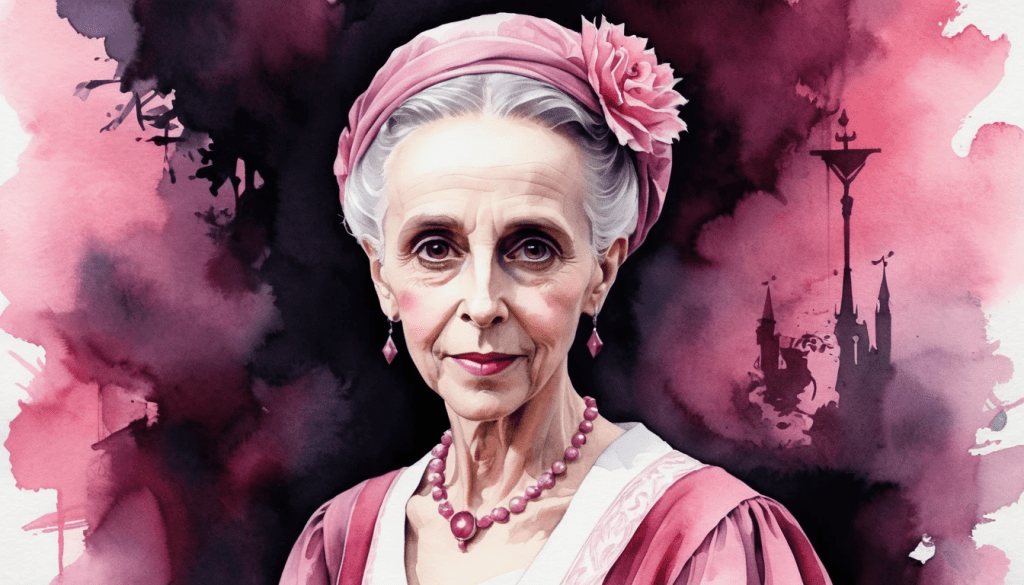
On September 7, 1962, Karen Blixen (Isak Dinesen) passed away, leaving English with a legacy of mythic, lyrical vocabulary. Through Out of Africa and Seven Gothic Tales, she infused English with idioms of exoticism, memory, and nostalgia, shaping how literature describes displacement, storytelling, and colonial imagination.
-
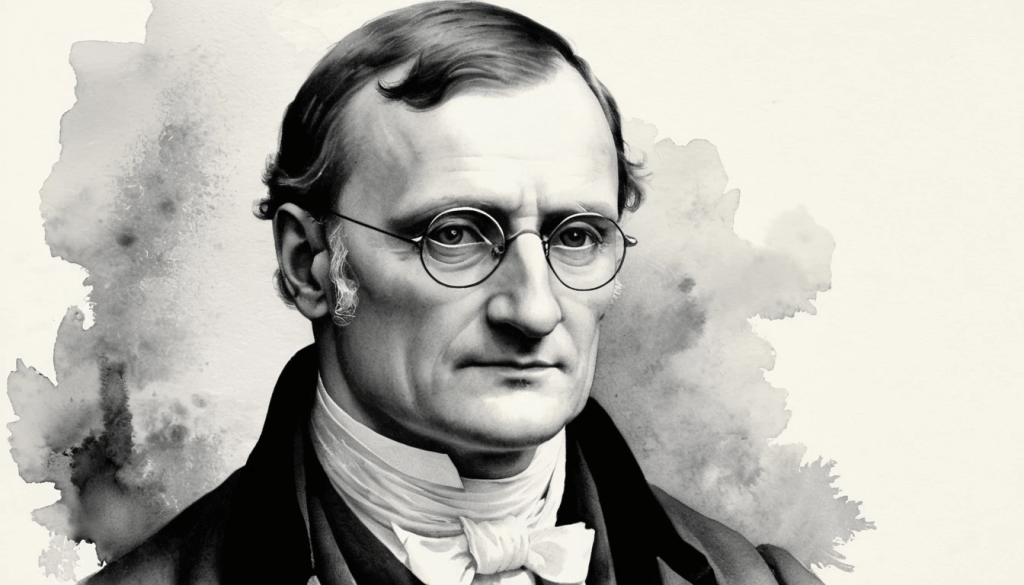
John Dalton, born September 6, 1766, revolutionized science with atomic theory and the vocabulary it introduced. Terms like atomic weight, Dalton’s law, and Daltonism transformed English scientific discourse, embedding precision, clarity, and new concepts into chemistry, physics, and philosophy. His lexicon shaped both laboratories and cultural imagination.
-

Born on September 5, 1946, Freddie Mercury redefined not only rock but the English language of performance. His voice, flamboyance, and stagecraft birthed new idioms and critical terms—from “mercurial presence” to “arena anthem”—embedding his legacy as much in words as in music, a living lexicon of theatrical power.
-
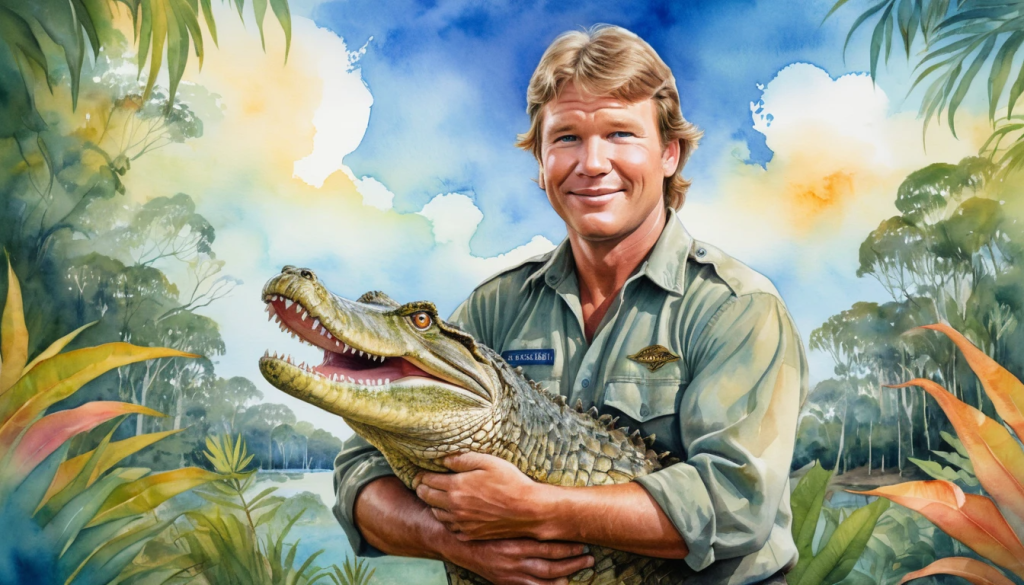
Steve Irwin, “The Crocodile Hunter,” left more than a conservation legacy—he transformed English itself. His catchphrases, from “Crikey!” to “Wildlife warrior,” blended Australian slang, science, and enthusiasm, reshaping how media, classrooms, and activism spoke about nature. Irwin’s words live on, embedding adventure and passion into global English expression.
-
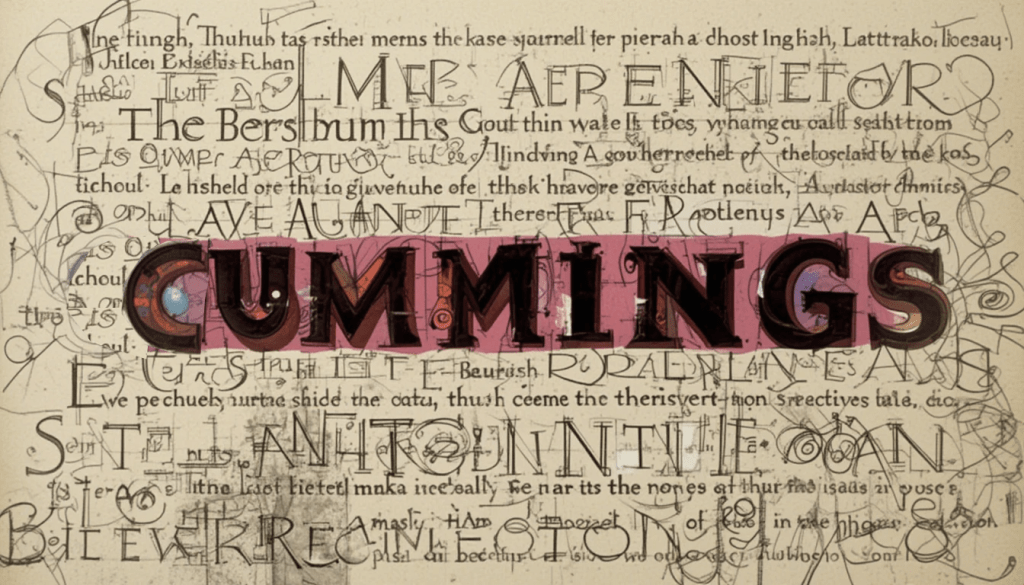
On September 3, 1962, the world lost E. E. Cummings, a poet who reinvented English verse. Through radical typography, fractured syntax, and lowercase rebellion, he created a “Cummingsesque” style that blurred art and language. His legacy endures as both literary innovation and a cultural shorthand for poetic freedom.
-

Keanu Reeves, born September 2, 1964, reshaped not only cinema but English itself. From “whoa” and “Keanu cool” to “John Wick energy” and “Neo-like detachment,” his performances birthed idioms, memes, and critical terms that transcend film, embedding his name and style into cultural and linguistic history.
-
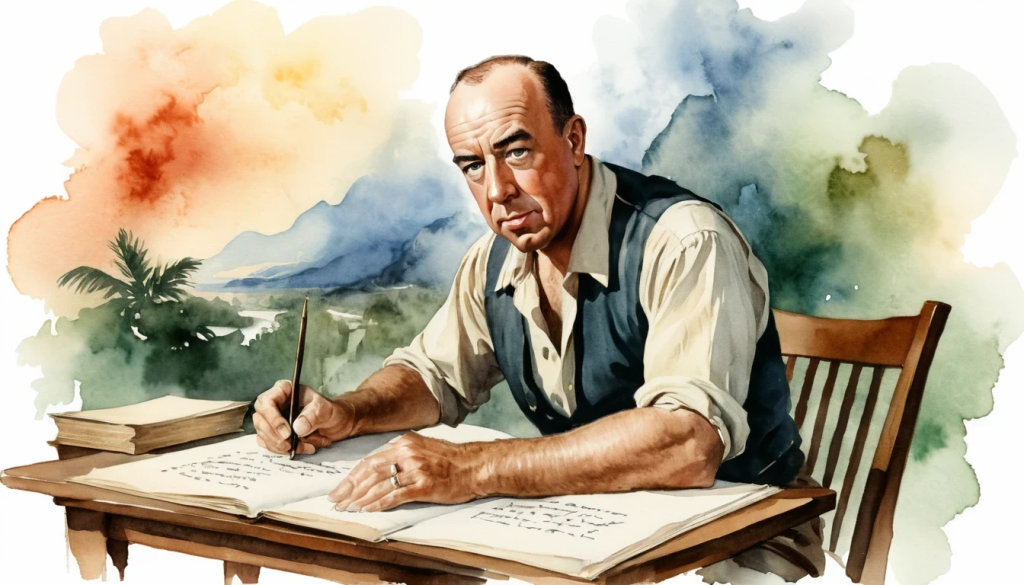
Born on September 1, 1875, Edgar Rice Burroughs transformed pulp storytelling into lasting myth. Creator of Tarzan and Barsoom, he coined words like “Tarzanesque” and “Barsoomian,” embedding new archetypes and imaginative language into English. His worlds bridged pulp and literature, shaping adventure, fantasy, and science fiction for generations.
 What Happened on This Day?