
2025 September
-
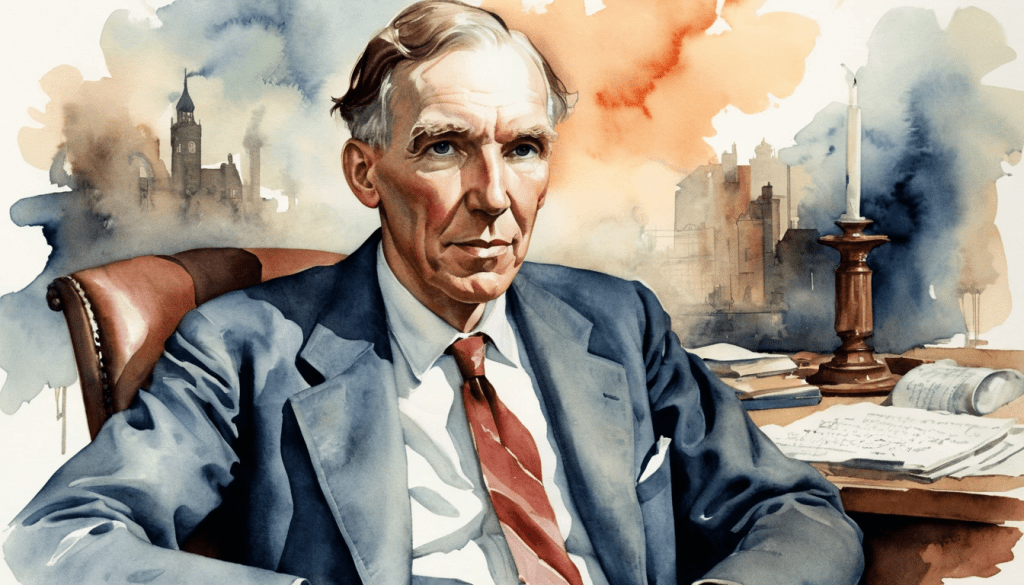
Born on September 20, 1878, Upton Sinclair reshaped English with a vocabulary of exposé, reform, and critique. The Jungle gave a lasting metaphor for exploitation, while The Brass Check exposed corrupt journalism. His muckraking style forged enduring idioms that still empower English to confront injustice and demand reform.
-
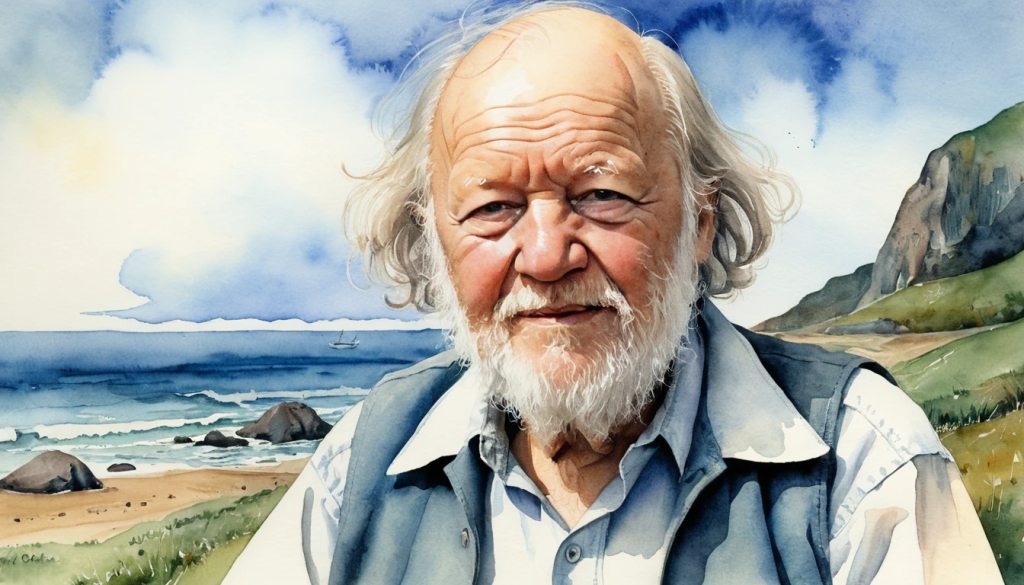
Born September 19, 1911, William Golding redefined English with symbolic myths of order and chaos. Lord of the Flies gifted enduring metaphors — the conch for fragile democracy, the title for savagery, and archetypal figures for humanity’s struggle. His Nobel Prize crowned a legacy of lasting cultural language.
-
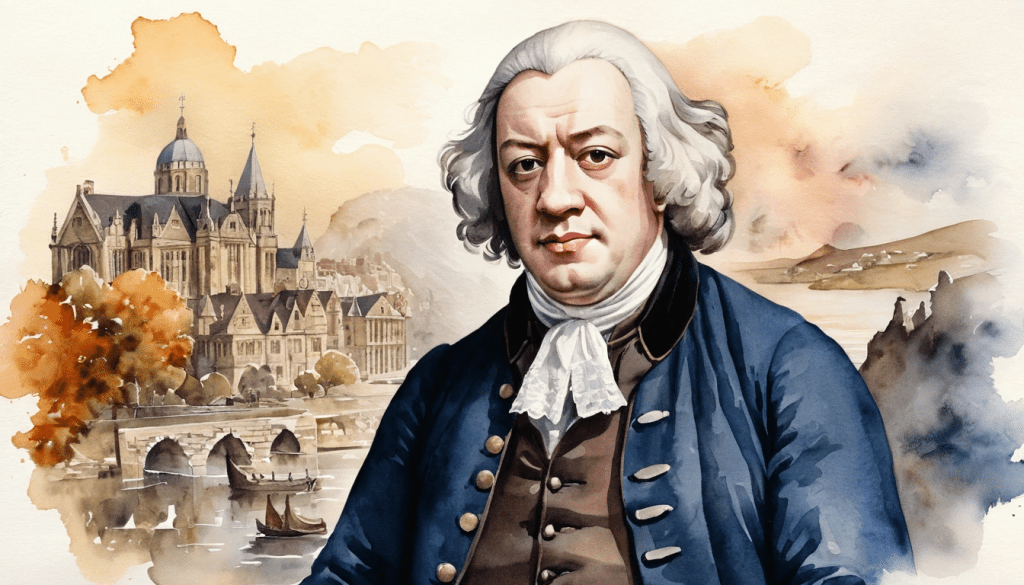
Born on September 18, 1709, Samuel Johnson gave English its first monumental dictionary, fixing spellings and meanings while enriching critical vocabulary. His essays, wit, and moral reflections shaped idioms, rhetoric, and literary criticism, leaving English with both linguistic structure and a voice of enduring authority.
-
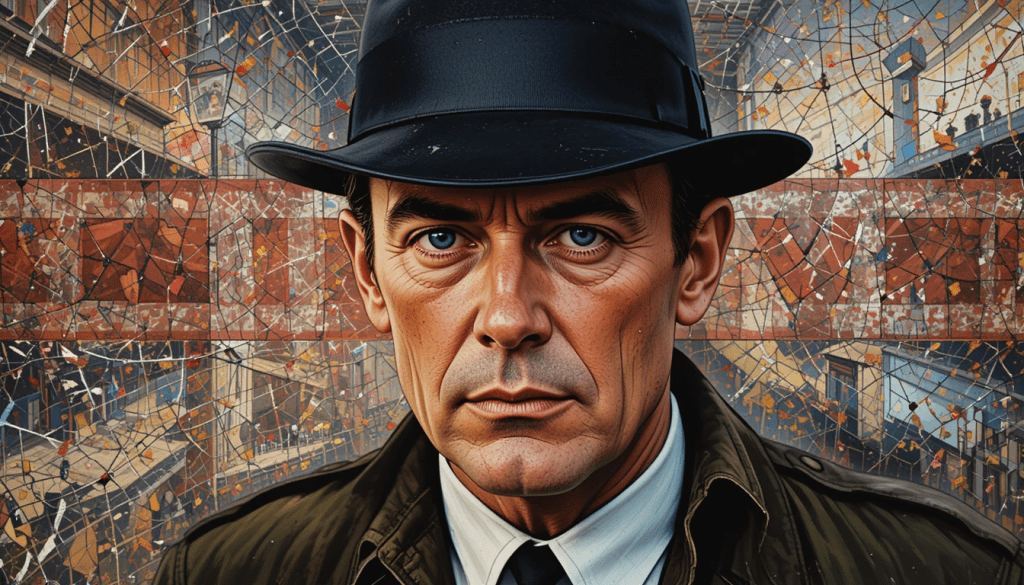
Born on September 17, 1908, John Creasey reshaped detective and thriller fiction in English. With over 600 novels and countless pseudonyms, he embedded terms like “Scotland Yard detective” and “master spy” into global culture, proving that popular fiction can forge a lasting linguistic legacy.
-
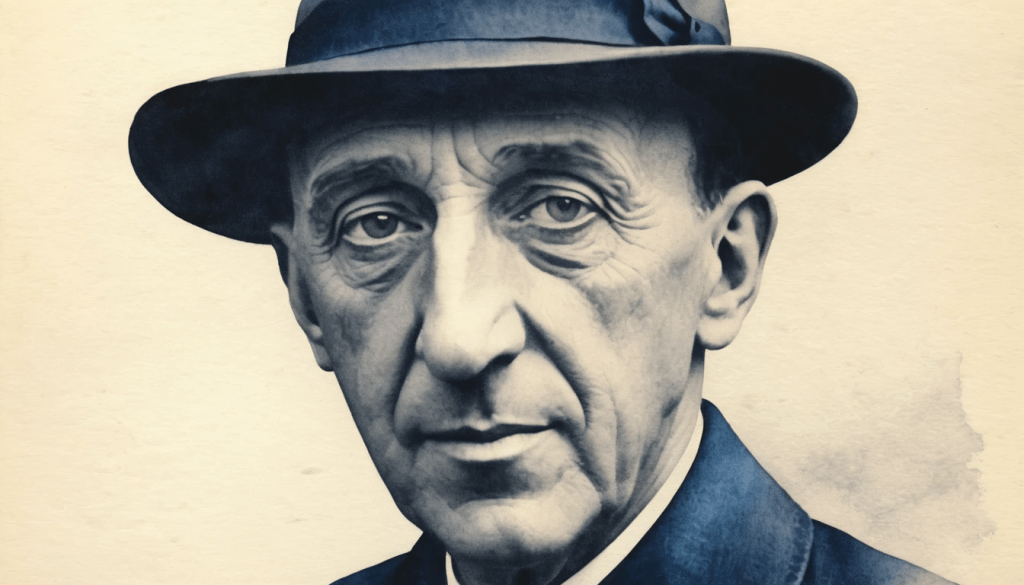
Jean (Hans) Arp, born in Strasbourg in 1886, transformed English art and literary vocabulary through Dada and Surrealism. His manifestos, poems, and sculptures introduced enduring terms like “Dada,” “anti-art,” and “biomorphic,” reshaping how English describes creativity, abstraction, and modernist aesthetics. His legacy remains linguistic as much as artistic.
-
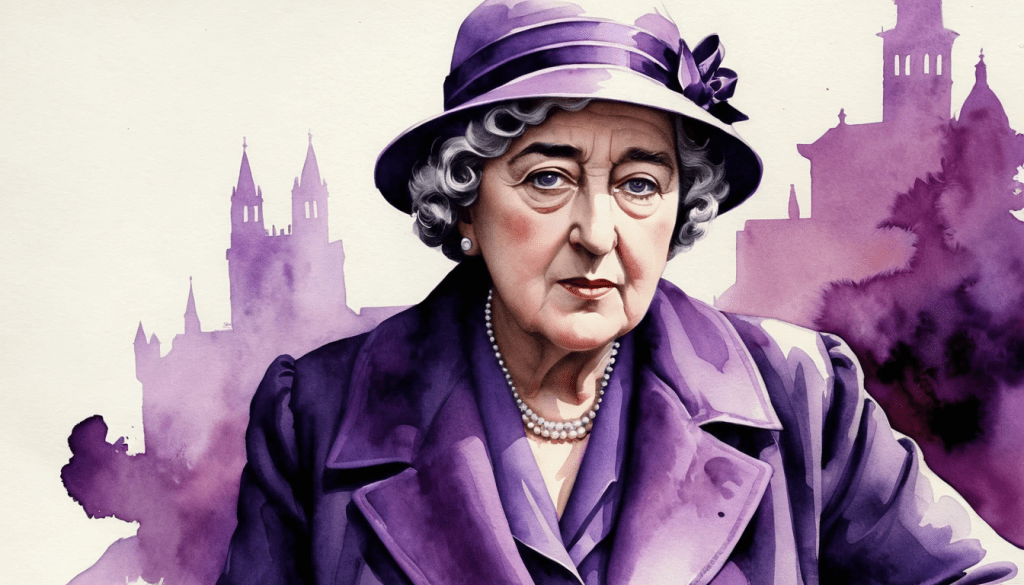
Agatha Christie, born September 15, 1890, shaped English detective fiction beyond storytelling. Her works popularized words like whodunit, red herring, and Christie-esque. From Poirot’s “little grey cells” to the country house mystery, she enriched English with the vocabulary of suspense, crime, and deduction, leaving an enduring linguistic legacy.
-
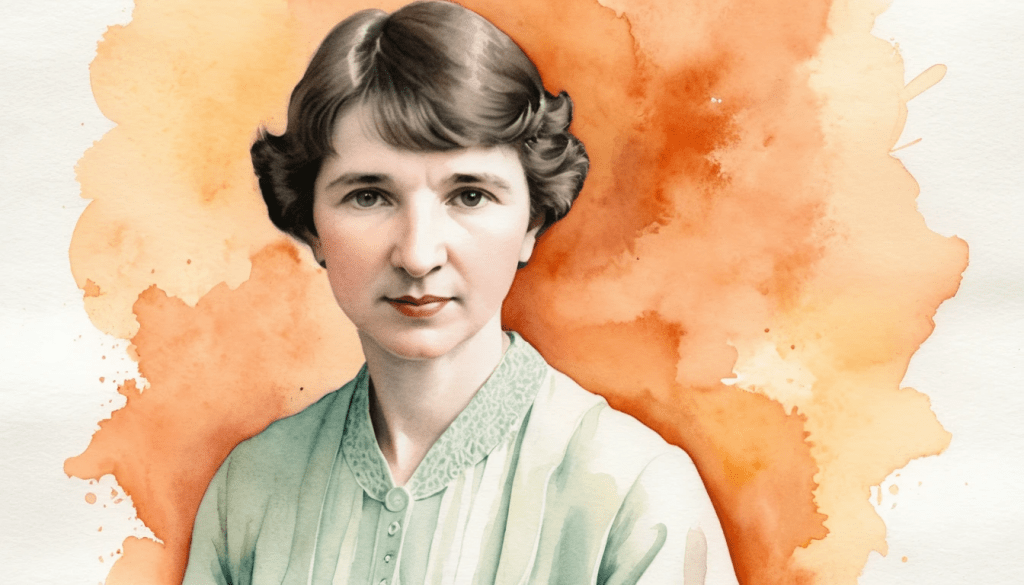
On September 14, 1879, Margaret Sanger was born—a nurse, activist, and reformer who reshaped English through language itself. By coining “birth control” and championing “planned parenthood,” she armed society with a new vocabulary to debate autonomy, rights, and health. Her words remain central to global conversations on freedom.
-
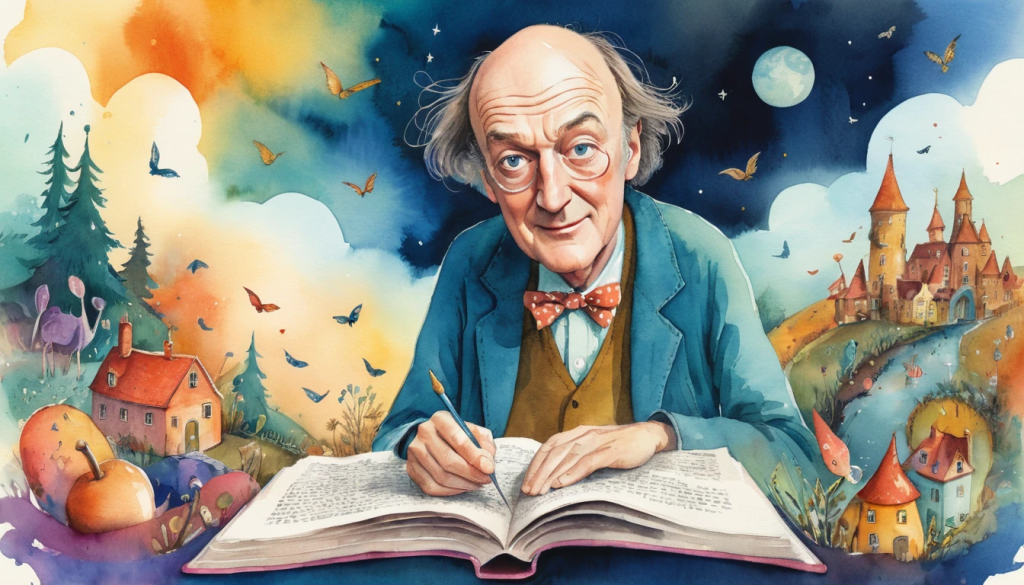
Roald Dahl reinvented English for children by coining playful neologisms like scrumdiddlyumptious and Oompa-Loompa. His “gobblefunk” transformed reading into wordplay, teaching generations that language is flexible, fun, and alive. His inventions enriched English culture, literature, and everyday speech, leaving a permanent mark on vocabulary and imagination.
-
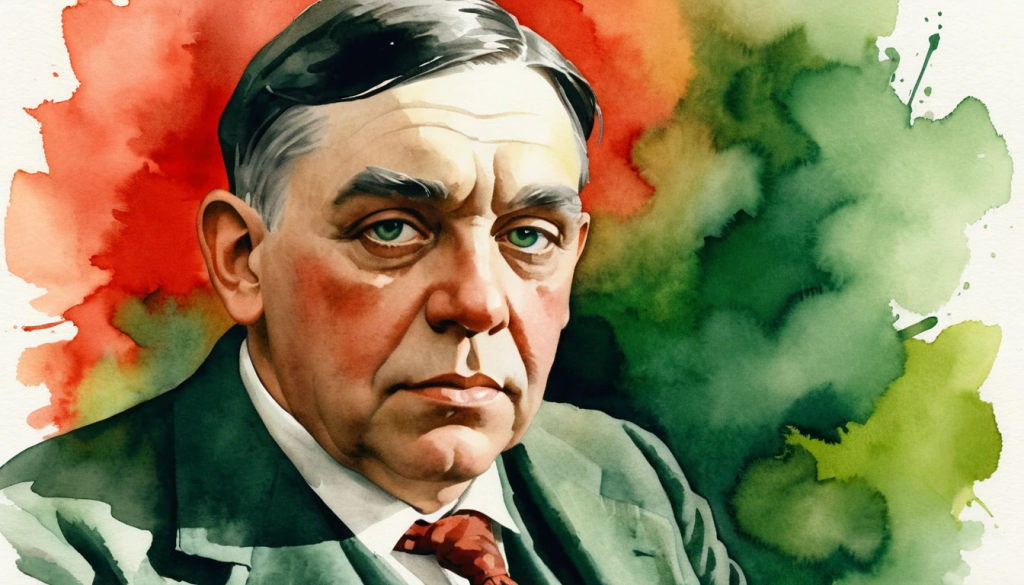
H. L. Mencken, the “Sage of Baltimore,” transformed American English from a provincial dialect into a proud, independent language. Through satire, scholarship, and wit, he coined terms like booboisie and popularized “Americanisms,” ensuring that the vernacular of ordinary people became central to both linguistic pride and cultural criticism.
-
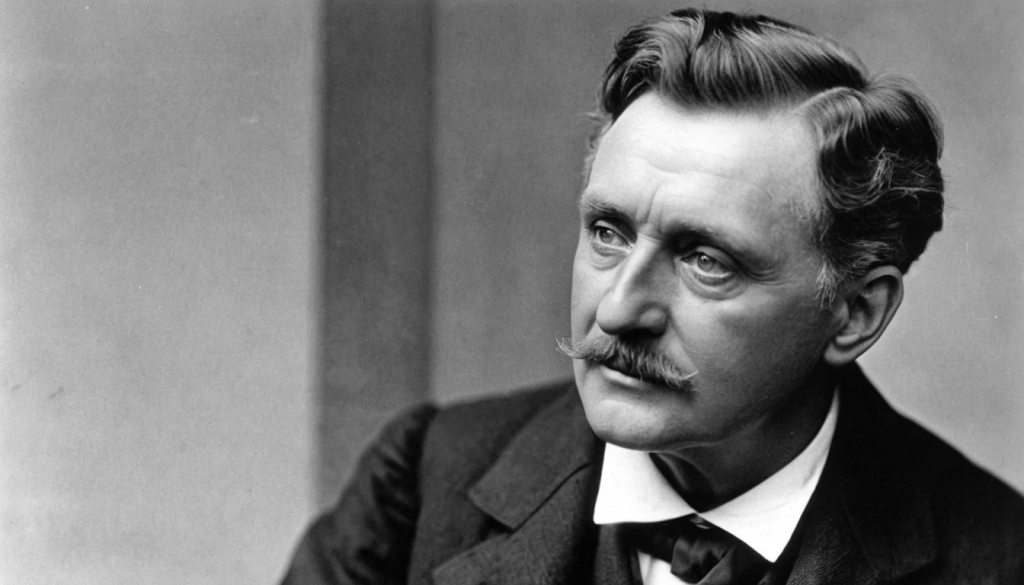
Born on September 11, 1862, William Sydney Porter—better known as O. Henry—reshaped English storytelling with wit, irony, and twist endings. From “O. Henry ending” to “O. Henryesque,” his influence transformed not just literature but the very vocabulary critics and readers use to describe narrative surprise and urban realism.
 What Happened on This Day?