
2026 April
-
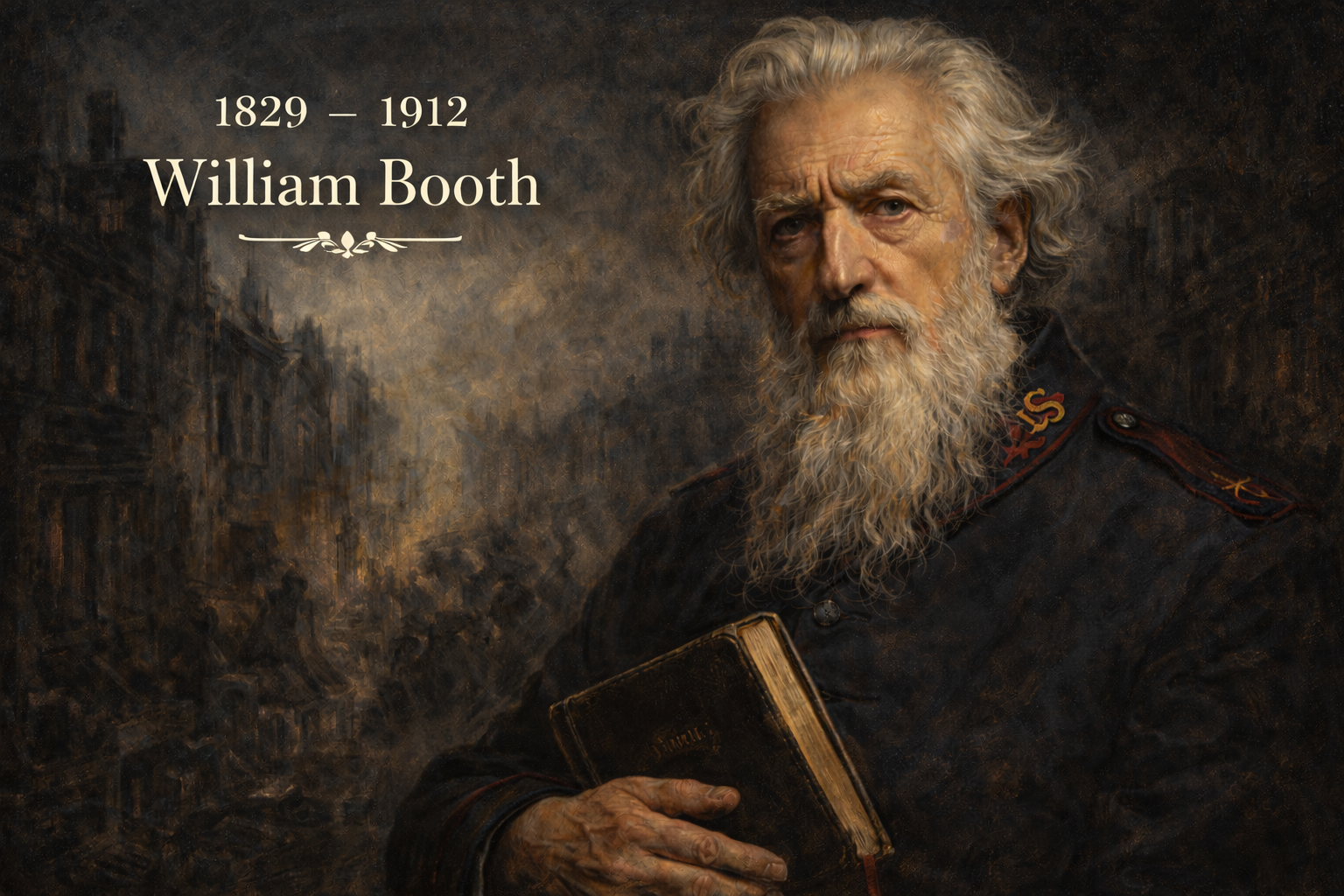
Born in 1829, William Booth transformed religious speech into a direct and urgent force for change. Through his work with The Salvation Army, he made English more accessible, persuasive, and emotionally engaging, reshaping it into a powerful tool for social reform, public action, and collective responsibility.
-
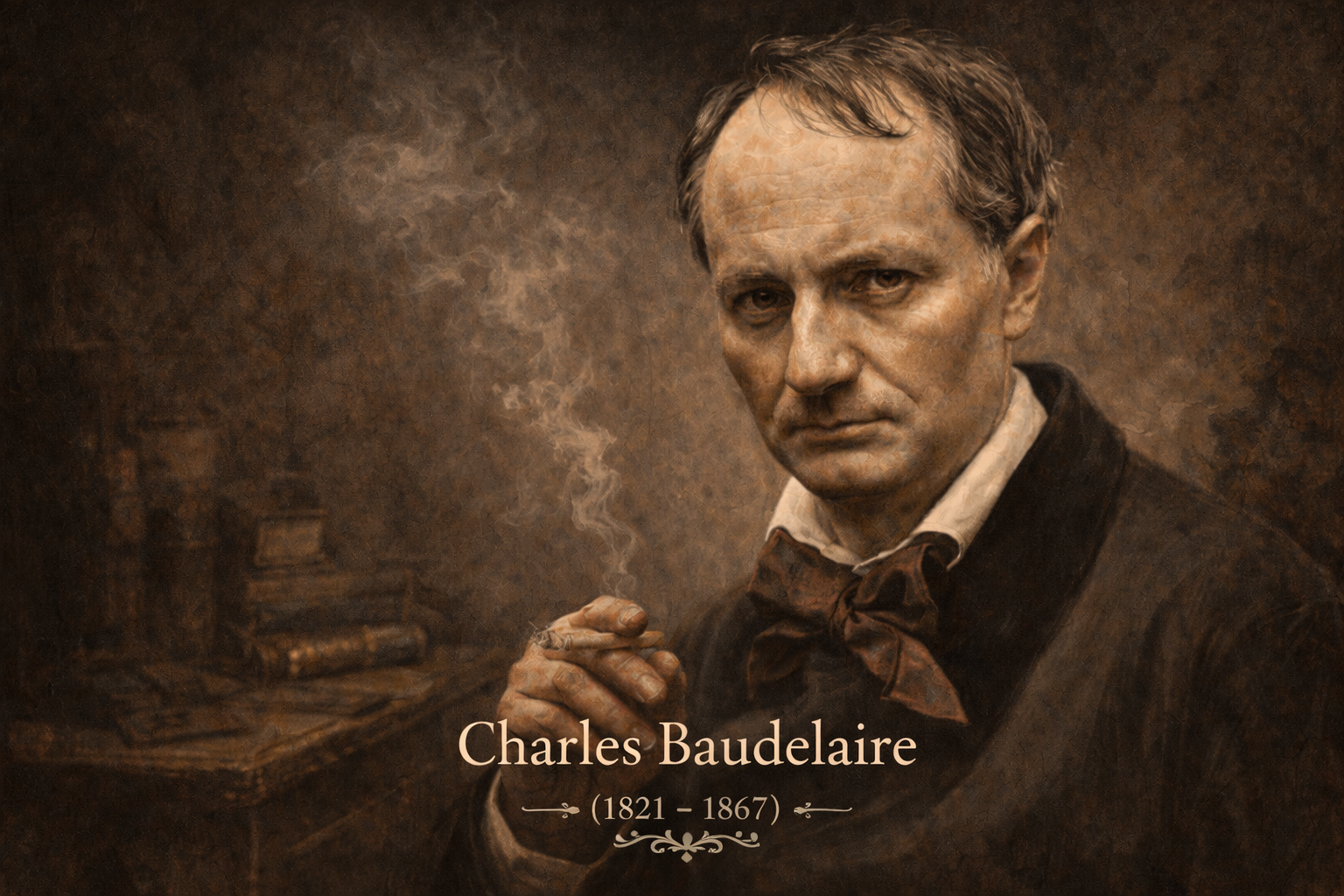
Born in 1821, Charles Baudelaire transformed poetic expression through symbolism and imagery. His work, including Les Fleurs du mal, influenced English poets like T. S. Eliot, expanding emotional depth, atmosphere, and modernist technique, and reshaping how English poetry conveys meaning through suggestion, complexity, and layered interpretation.
-
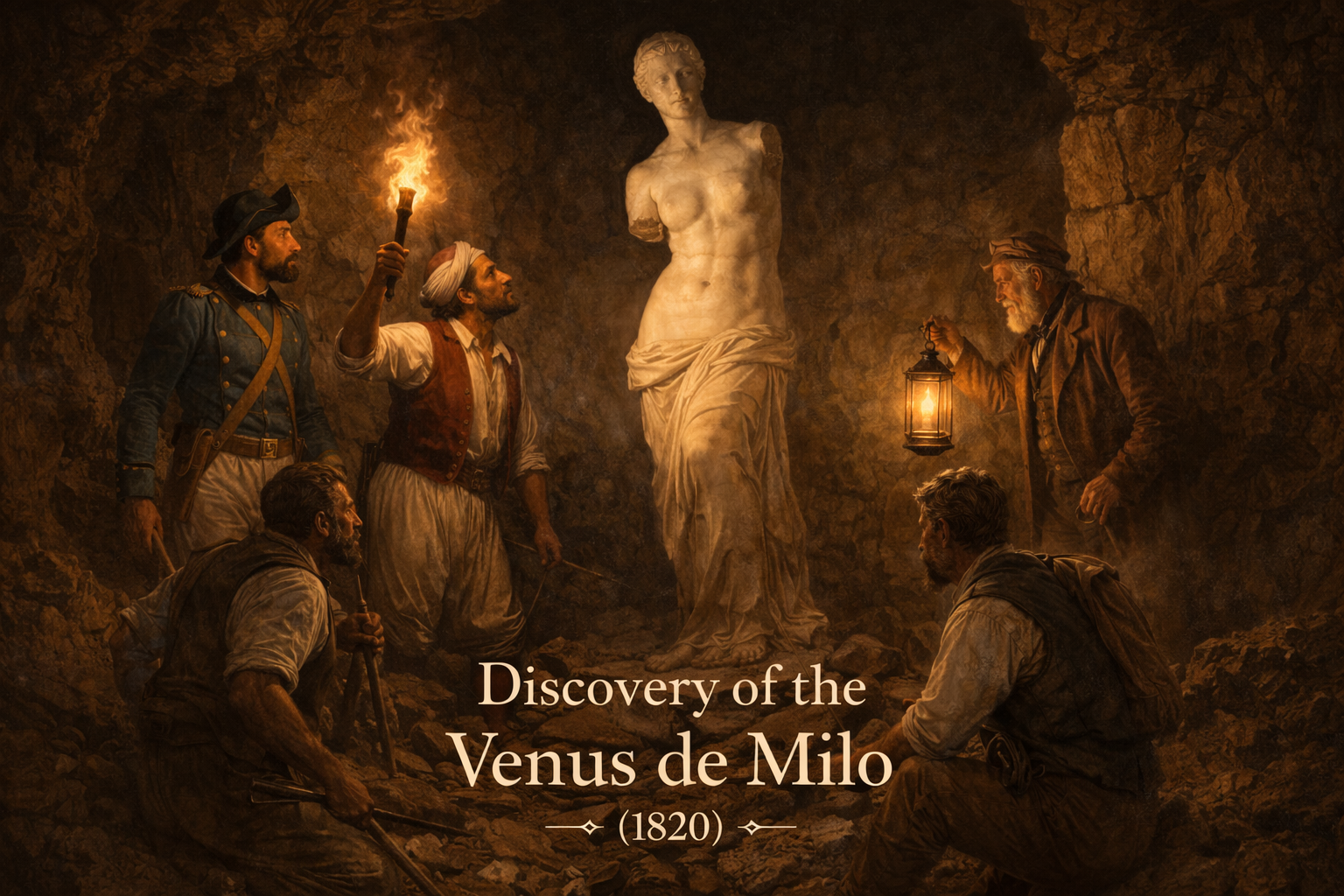
The rediscovery of the Venus de Milo in 1820 reshaped how English expresses beauty and form. As critics sought to describe its balance and mystery, the language evolved, expanding its vocabulary for art, refining aesthetic concepts, and deepening its ability to capture visual experience through precise and evocative description.
-
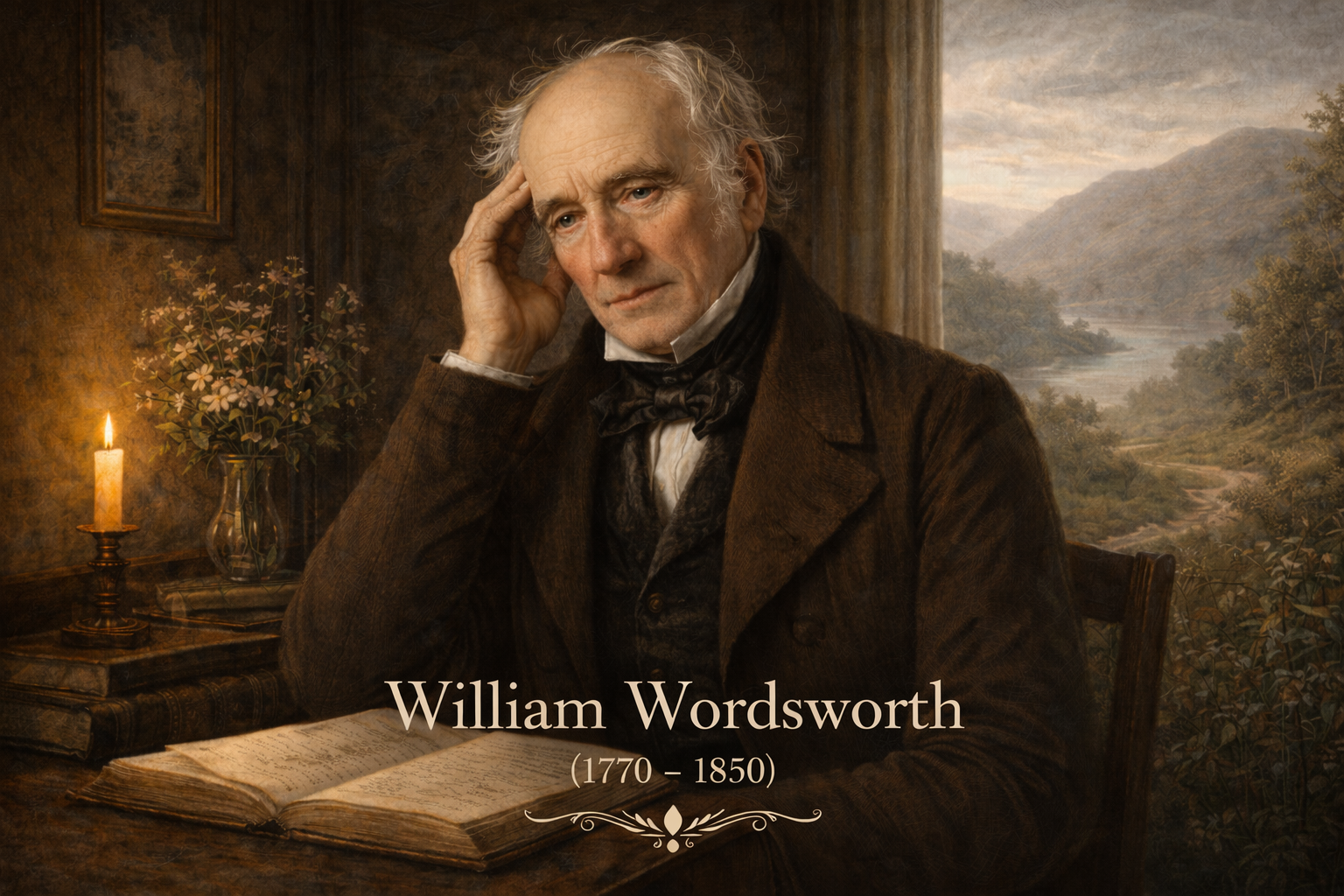
Born in 1770, William Wordsworth transformed poetry by replacing ornate language with the clarity of everyday speech. Through works like Lyrical Ballads, created with Samuel Taylor Coleridge, he made English verse more natural, expressive, and deeply connected to ordinary human experience and emotion.
-
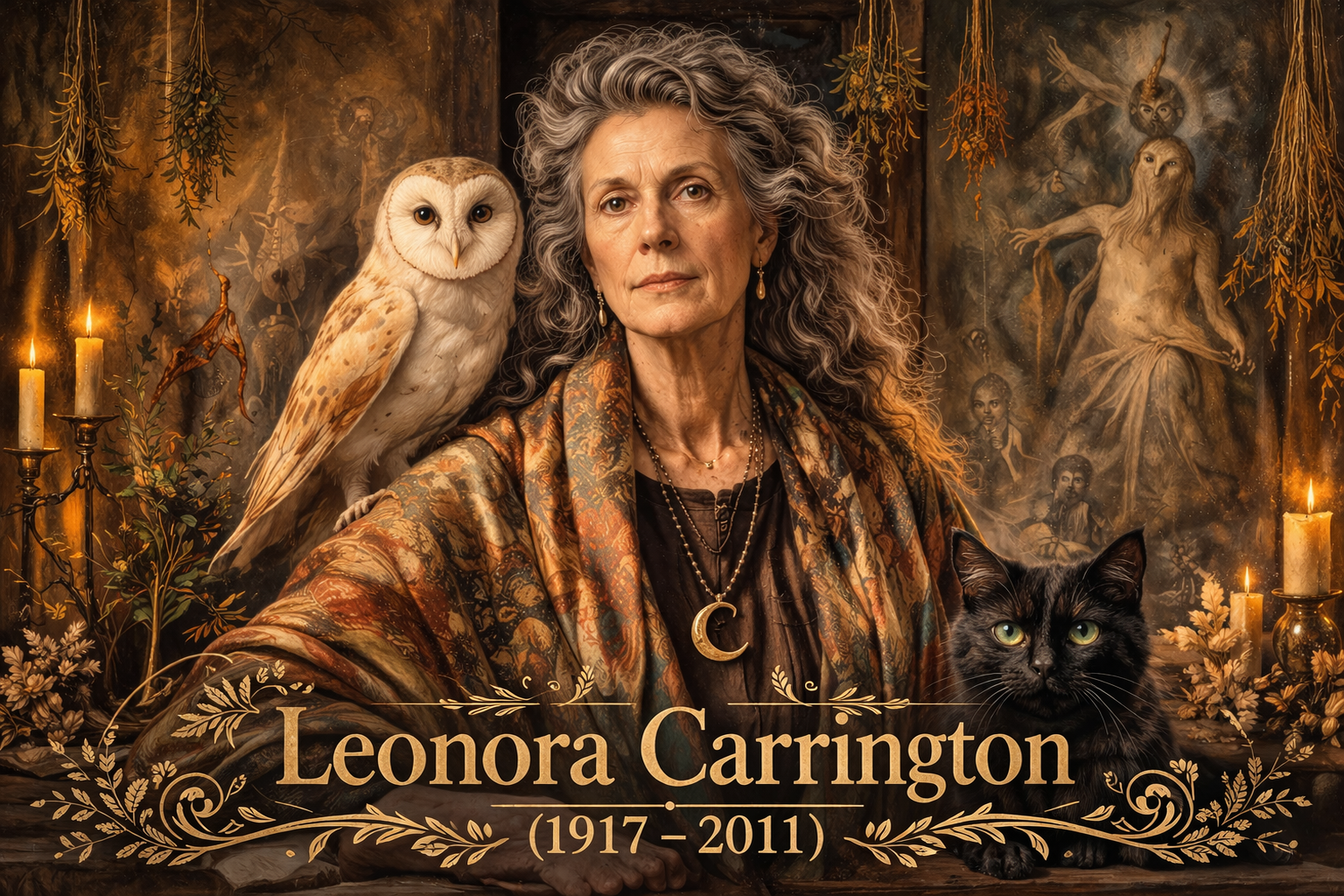
Born in 1917, Leonora Carrington transformed English into a medium of surreal imagination. Through dreamlike narratives and symbolic imagery, she challenged linear storytelling and redefined expression. Her work expanded English beyond realism, allowing it to capture the unconscious, fluid identity, and alternative realities shaped by myth and vision.
-

On April 5, 1614, Pocahontas and John Rolfe were married, marking a moment of cultural contact that shaped early American English. Through exchange and adaptation, English absorbed Indigenous words and perspectives, evolving beyond Europe into a language influenced by new environments, encounters, and shared human experience.
-
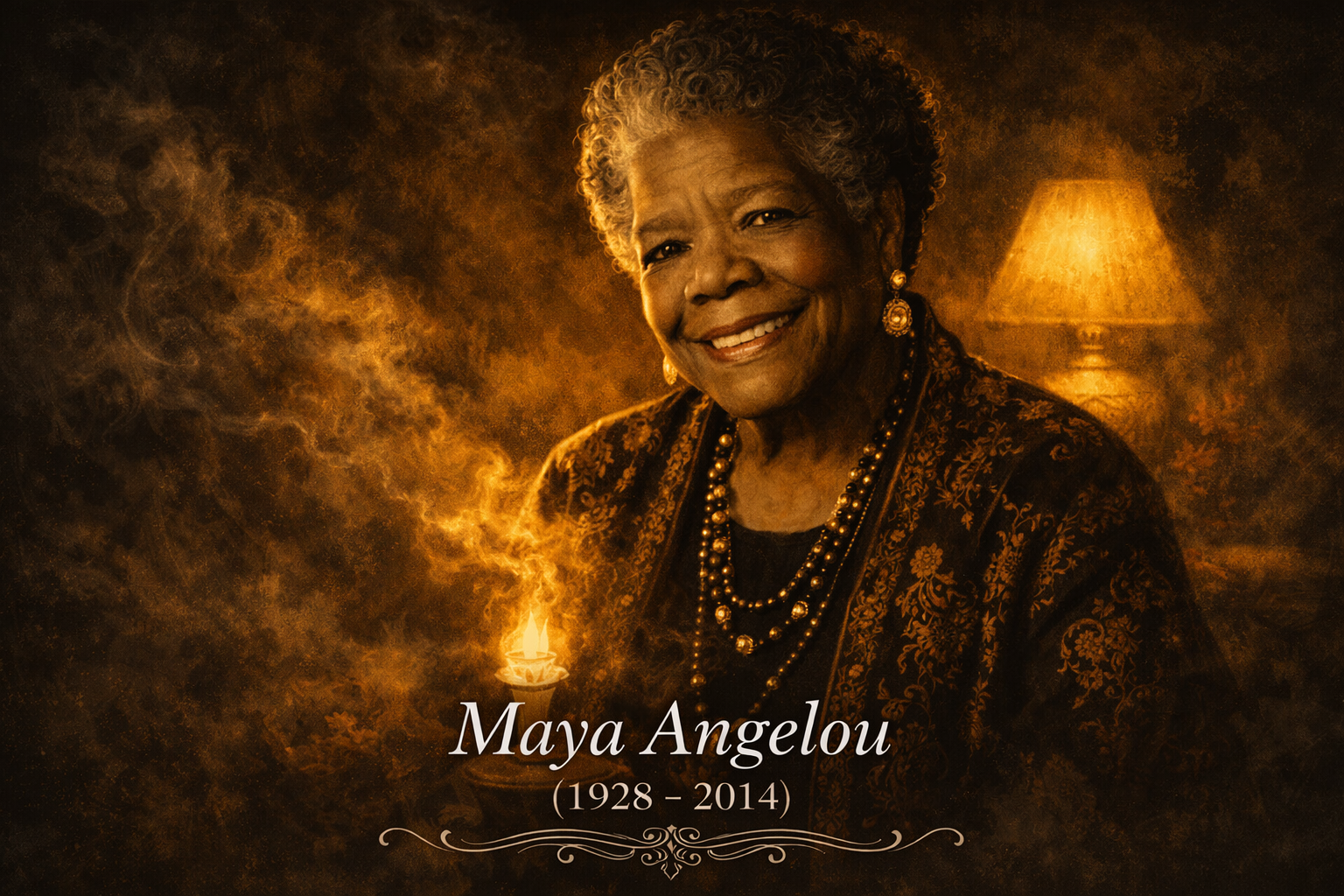
Born in 1928, Maya Angelou transformed English by turning personal experience into powerful literature. Her work blends memory, identity, and resilience, elevating autobiographical voice and oral tradition. Through clarity and rhythm, she reshaped how language expresses lived experience, making English more inclusive, expressive, and deeply human.
-

Born in 1783, Washington Irving helped shape a distinct American literary voice in English. Drawing on folklore and local settings, his stories blended elegance with accessibility, legitimizing American English as a creative medium. His work marked a turning point where national identity and language began to evolve together in literature.
-
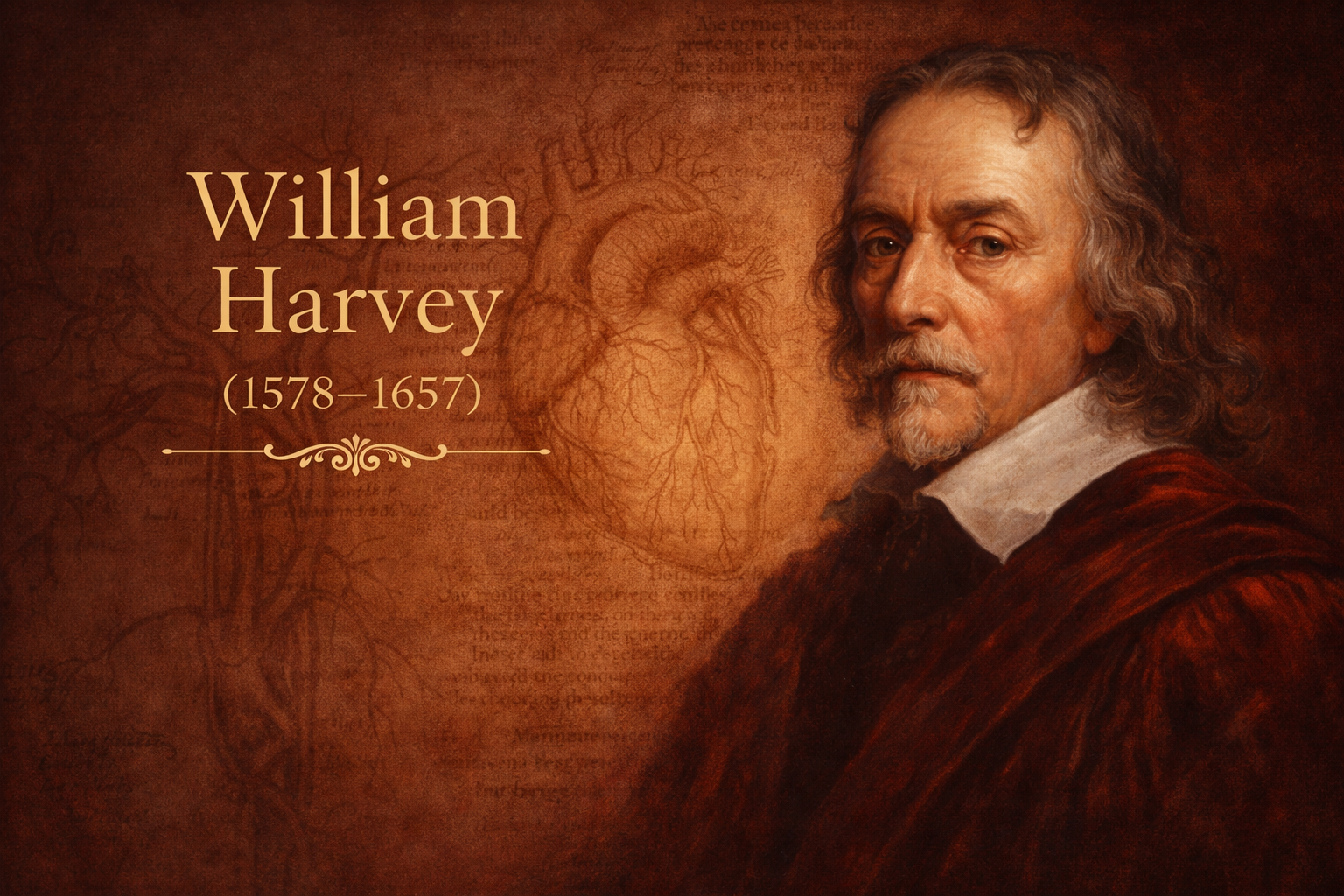
William Harvey transformed medicine by explaining blood circulation and shaping the language used to describe the human body. Through translation into English, his work expanded anatomical vocabulary and promoted clear, evidence-based writing. His influence helped move science away from Latin, establishing English as a precise and accessible language for medical knowledge and discovery.