
2026 April
-
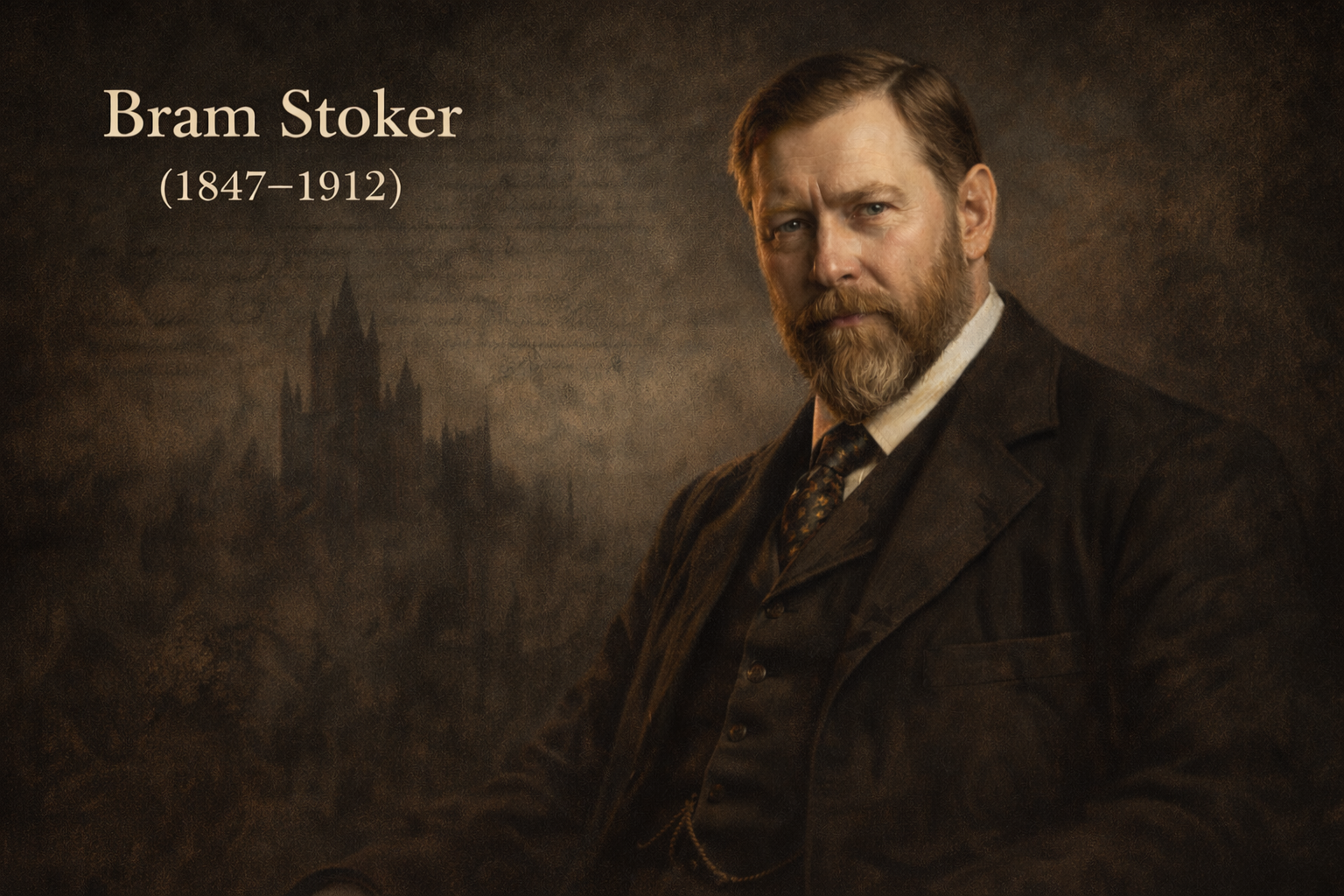
The death of Bram Stoker in 1912 marks the enduring influence of Dracula, a novel that shaped the language of Gothic horror in English. Through its vocabulary, structure, and atmosphere, it transformed how fear is described, turning imagination into a shared and lasting linguistic system.
-
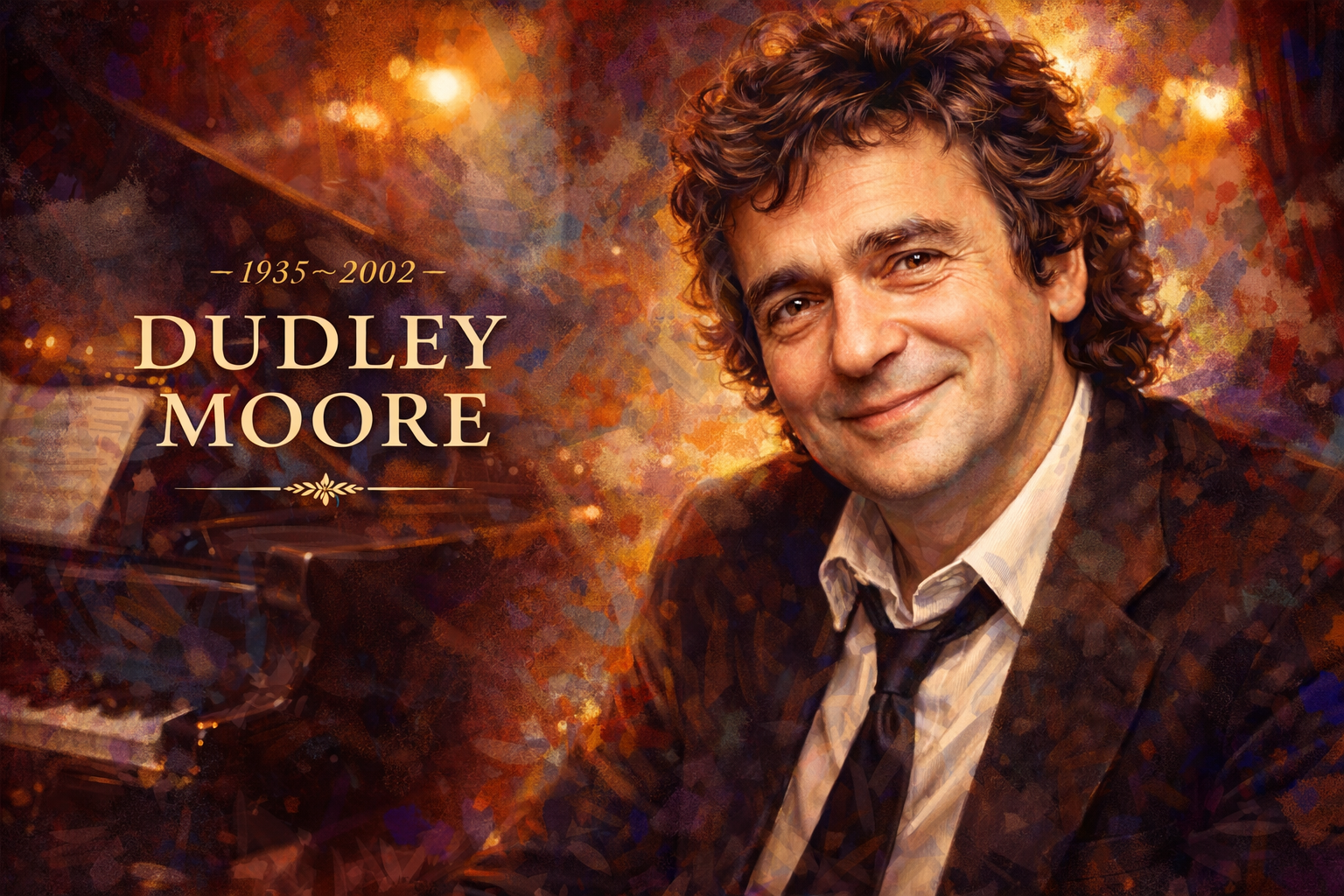
Born in 1936, Dudley Moore helped redefine English humor through satire, irony, and absurdity. As part of Beyond the Fringe with Peter Cook, he shaped a style where tone, wit, and delivery transformed language into layered, intellectual, and enduring comedic expression.
-

The 1906 San Francisco earthquake didn’t just destroy a city—it transformed how disaster was described in English. Through urgent reporting and vivid eyewitness accounts, language evolved to capture scale, immediacy, and human experience, shaping the way modern journalism communicates crisis and bringing readers closer to events as they unfold.
-
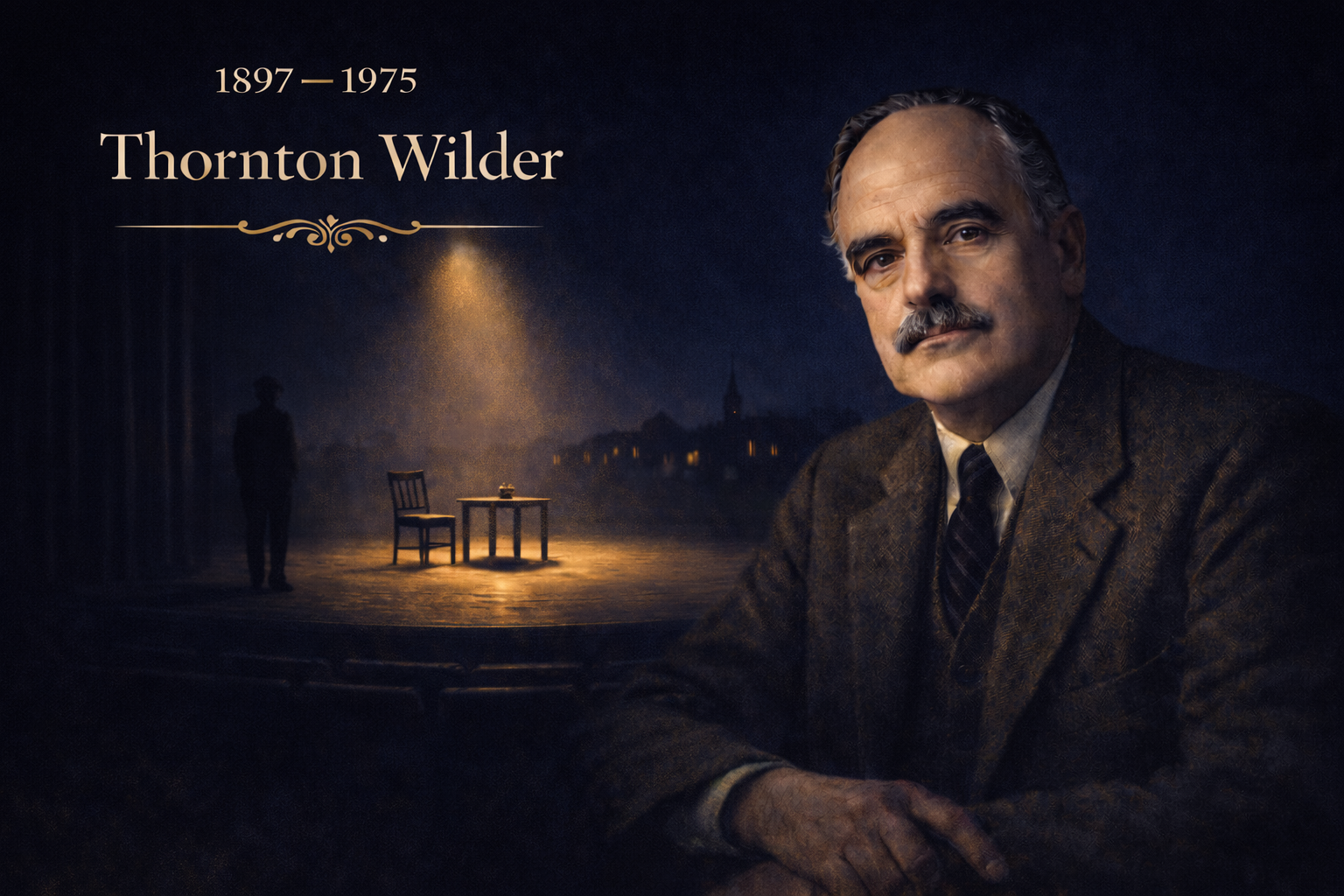
On April 17, 1897, Thornton Wilder was born. Through simplicity, suggestion, and direct connection, he reshaped how English functions on stage. His work proved that dialogue does not need complexity to be powerful—only precision, presence, and the ability to reach beyond what is explicitly said.
-

On April 16, 1746, the Battle of Culloden brought a decisive and brutal end to the Jacobite uprising in Scotland. In less than an hour, the clash reshaped not only a rebellion, but the cultural and linguistic landscape of a nation.
-
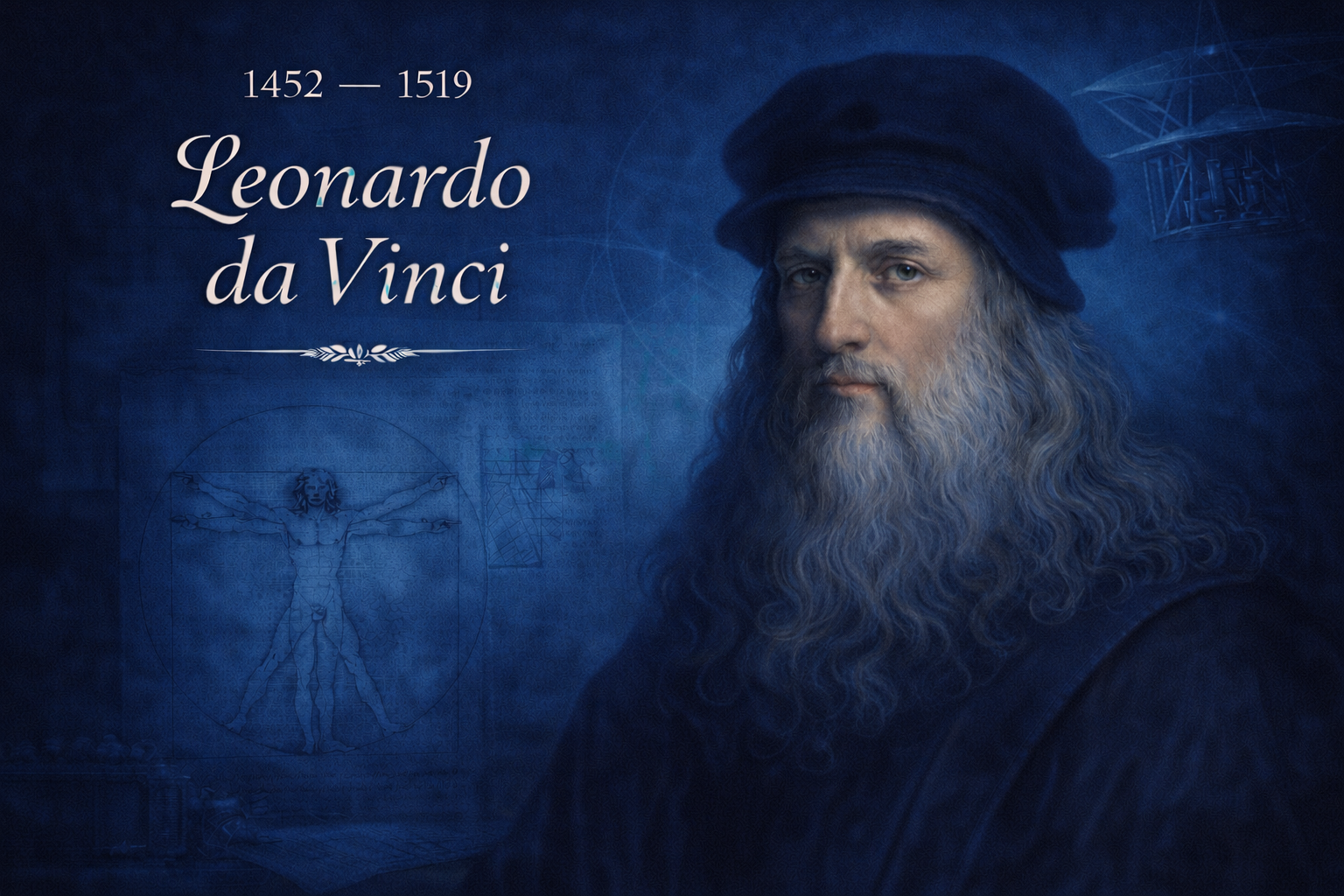
Born in 1452, Leonardo da Vinci influenced English through translated ideas that united art and science. His detailed observations expanded descriptive and technical vocabulary, refining how language captures form, motion, and structure, and helping English evolve into a medium capable of expressing complex, interdisciplinary thought with clarity.
-
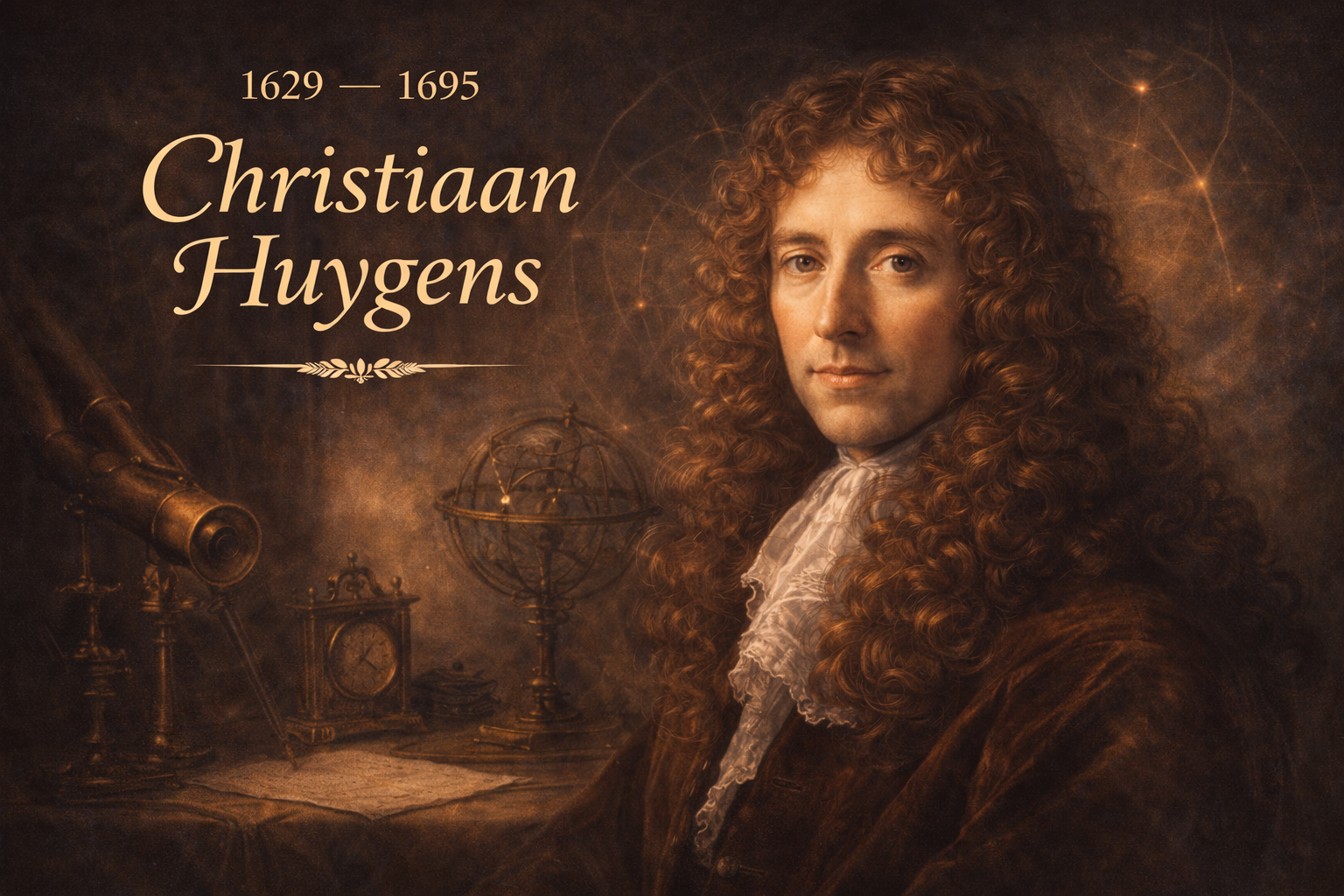
Born in 1629, Christiaan Huygens helped shape scientific thought that later entered English through translation. His work in physics and astronomy expanded technical vocabulary, refined scientific prose, and supported the rise of English as a language capable of expressing complex ideas with clarity, precision, and intellectual rigor.
-
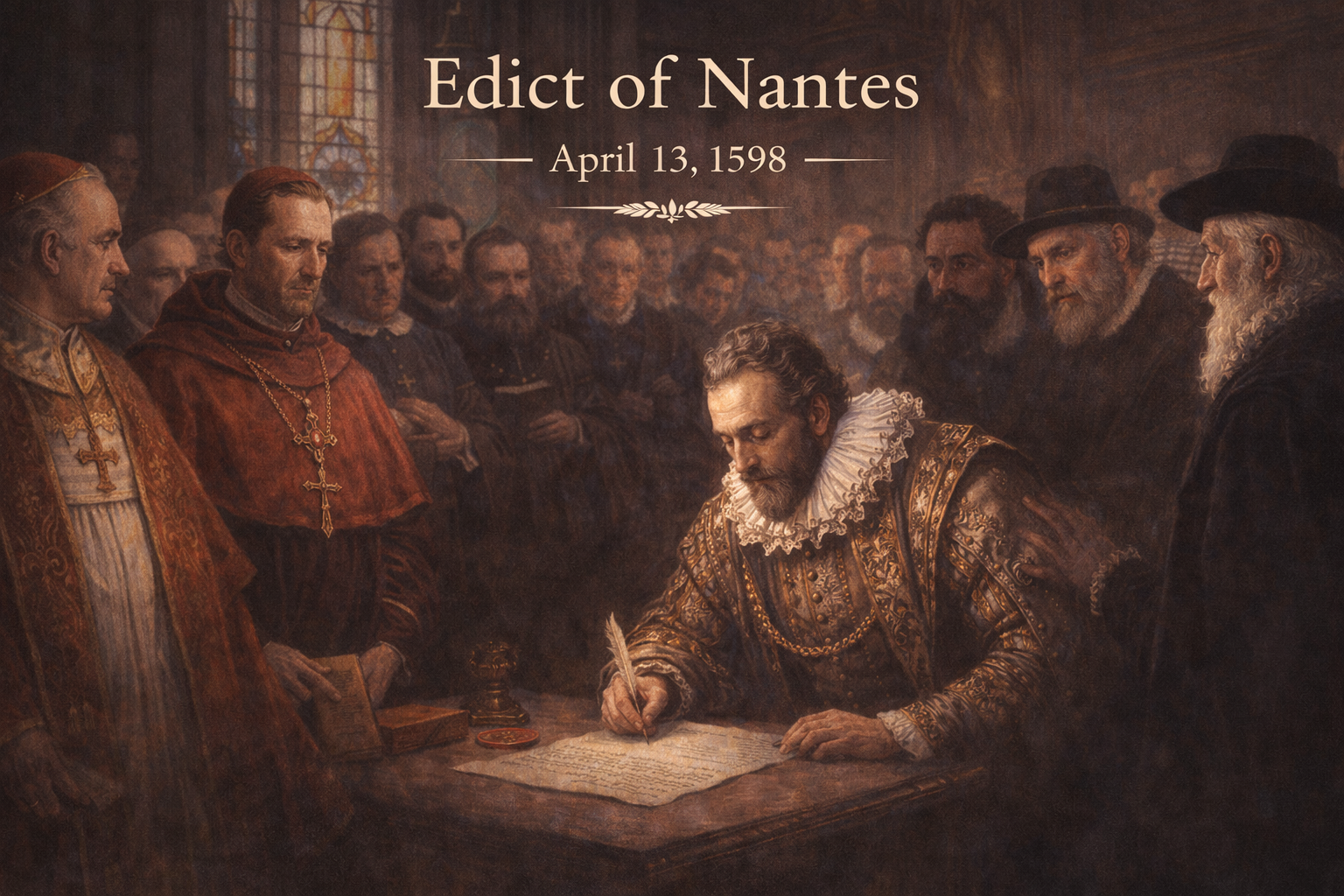
On April 13, 1598, Edict of Nantes, issued by Henry IV of France, reshaped European discourse. Its translation and debate expanded English vocabulary around tolerance, rights, and governance, helping the language express complex ideas of religious coexistence, conflict, and political authority with greater clarity and nuance.
-
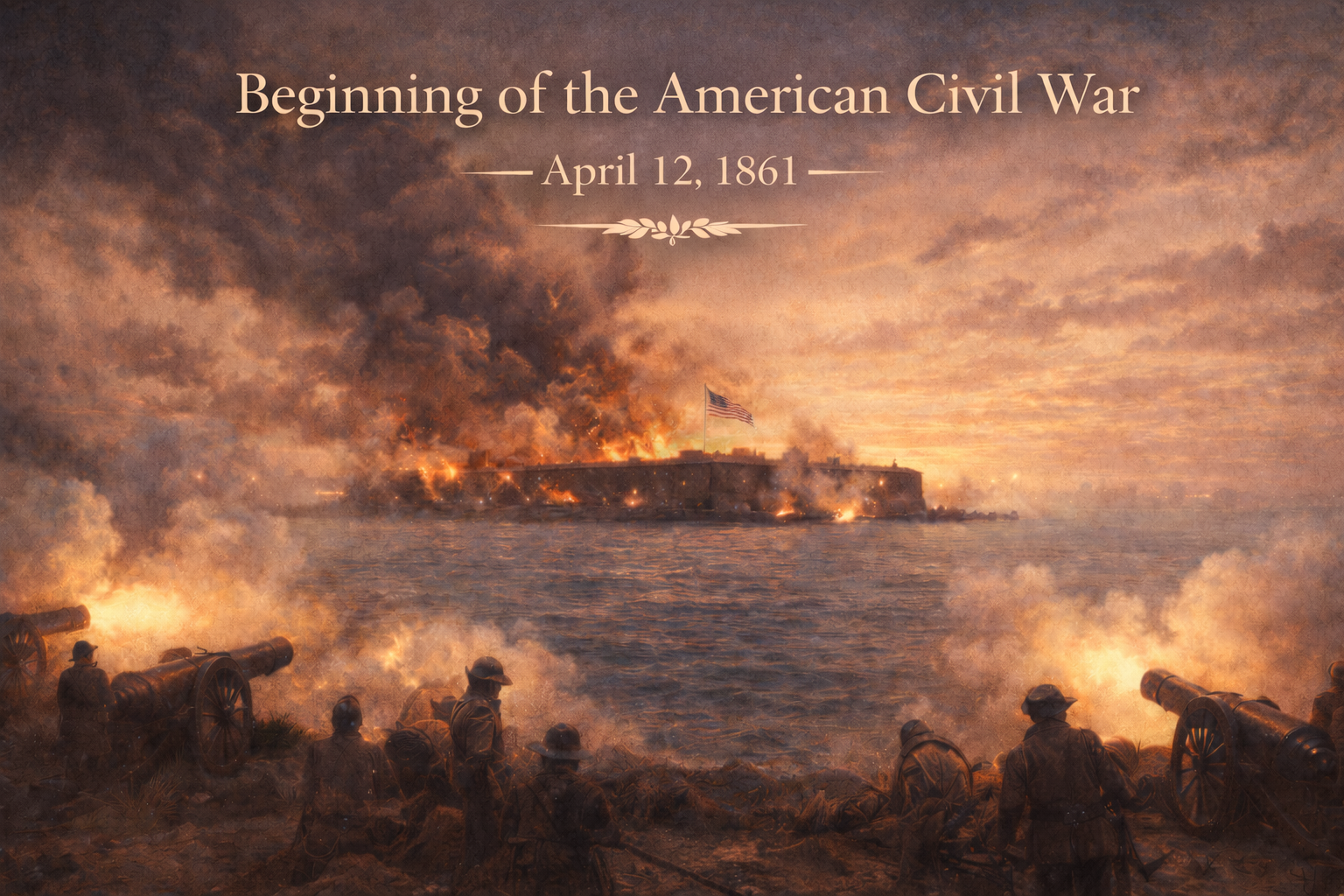
On April 12, 1861, the Battle of Fort Sumter marked a turning point where war reshaped American English. Through speeches, journalism, and letters, language grew more direct, emotional, and widespread, reflecting conflict, identity, and collective experience while helping define how a nation understood itself.
-
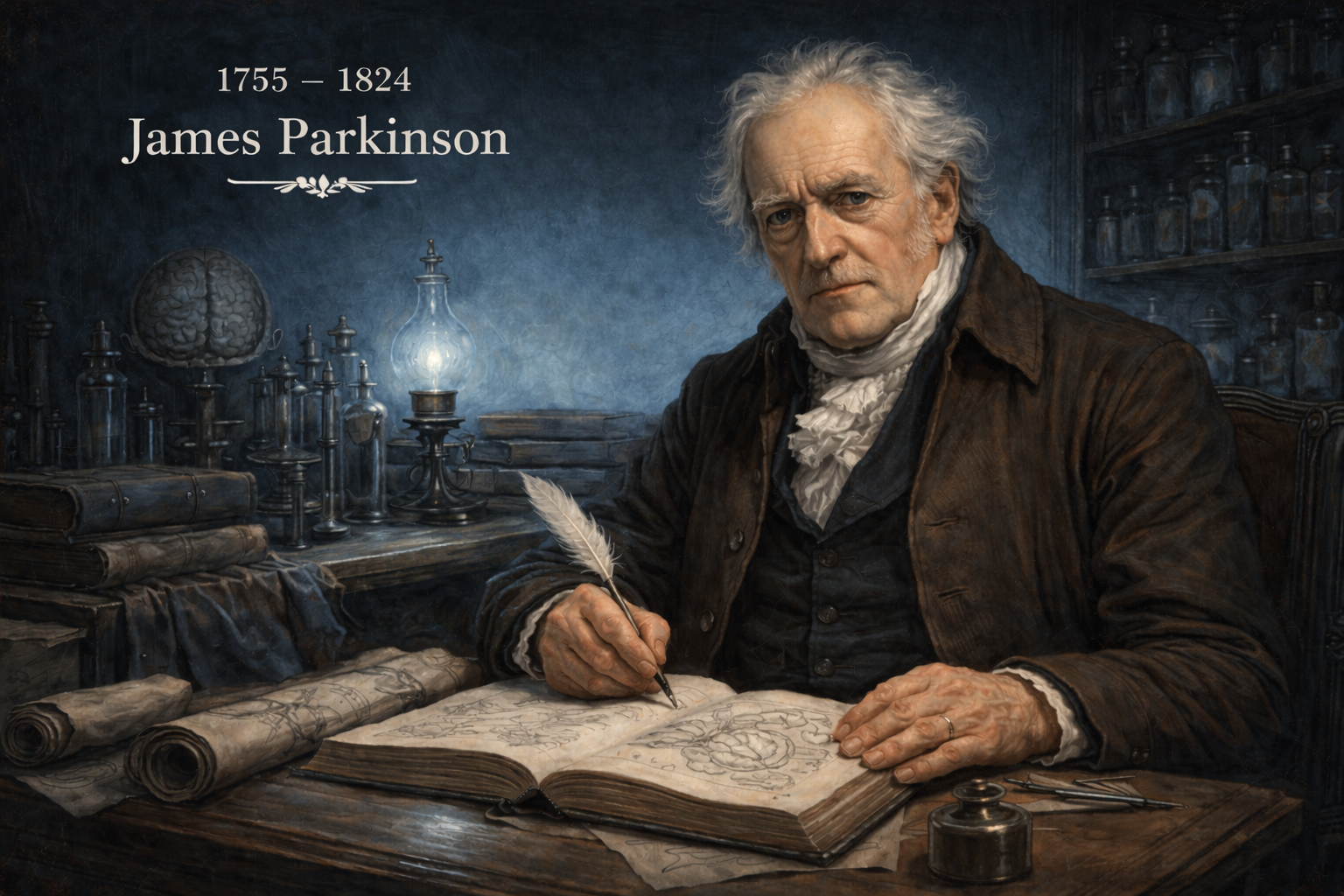
Born in 1755, James Parkinson advanced medical English through precise observation and clear description. His work, An Essay on the Shaking Palsy, helped define Parkinson’s disease, contributing to standardized terminology, evidence-based writing, and the rise of English as a language of scientific communication and clinical understanding.