
2026 April
-
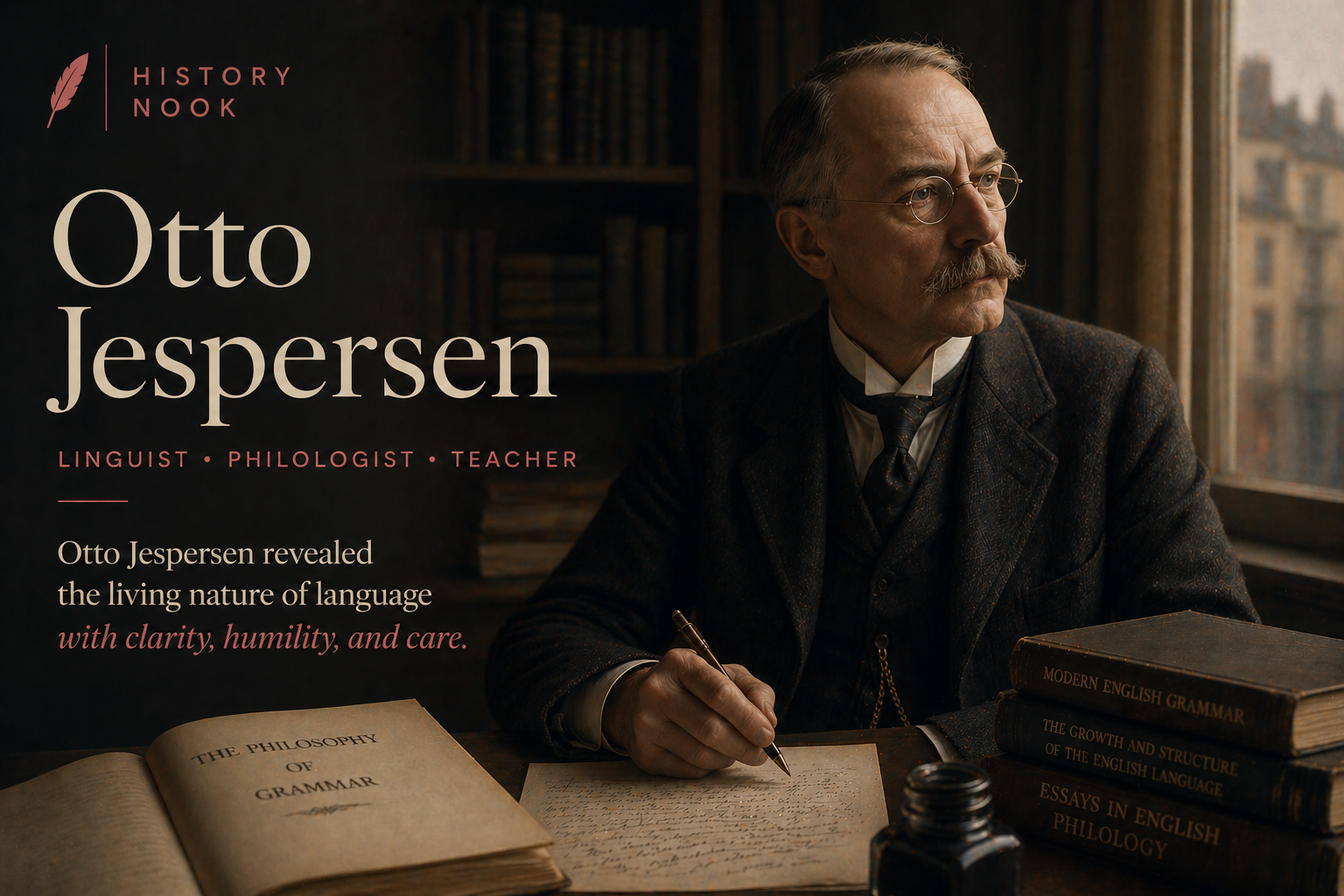
Otto Jespersen helped transform English into a language that could be systematically studied. Through his work on grammar, phonetics, and usage, he helped shift English from literary tradition toward modern linguistic analysis—changing how it is examined, taught, and understood around the world.
-

Rod McKuen helped bring poetry closer to everyday English. Through simple vocabulary, conversational rhythm, and emotional directness, he made verse feel less formal and more familiar—expanding poetry’s audience and helping reshape what modern English poetry could sound like.
-
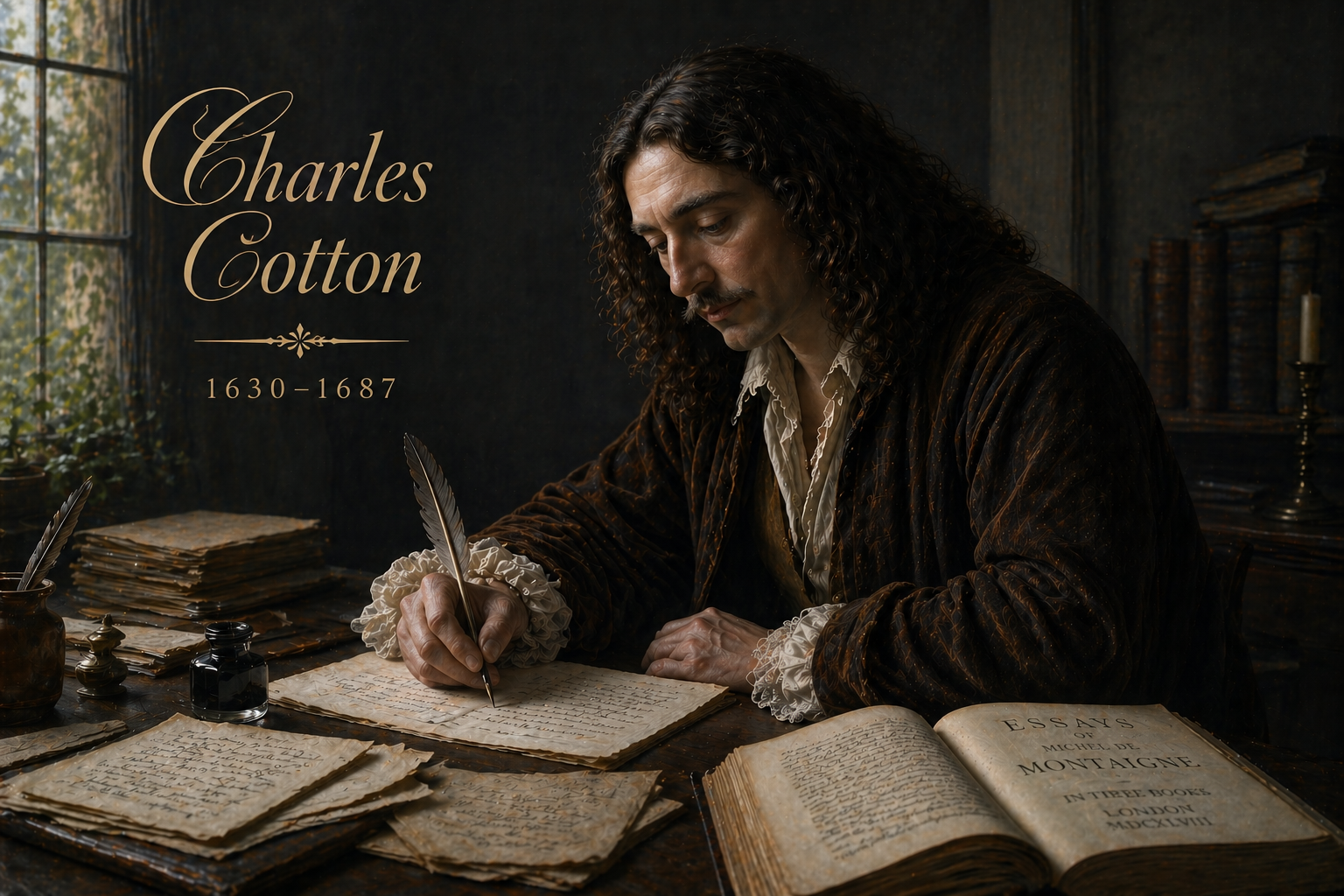
Born in 1630, Charles Cotton helped strengthen the personal essay in English through reflective prose, literary intimacy, and the translation of Montaigne. His work helped shape a quieter, more introspective voice in English nonfiction.
-
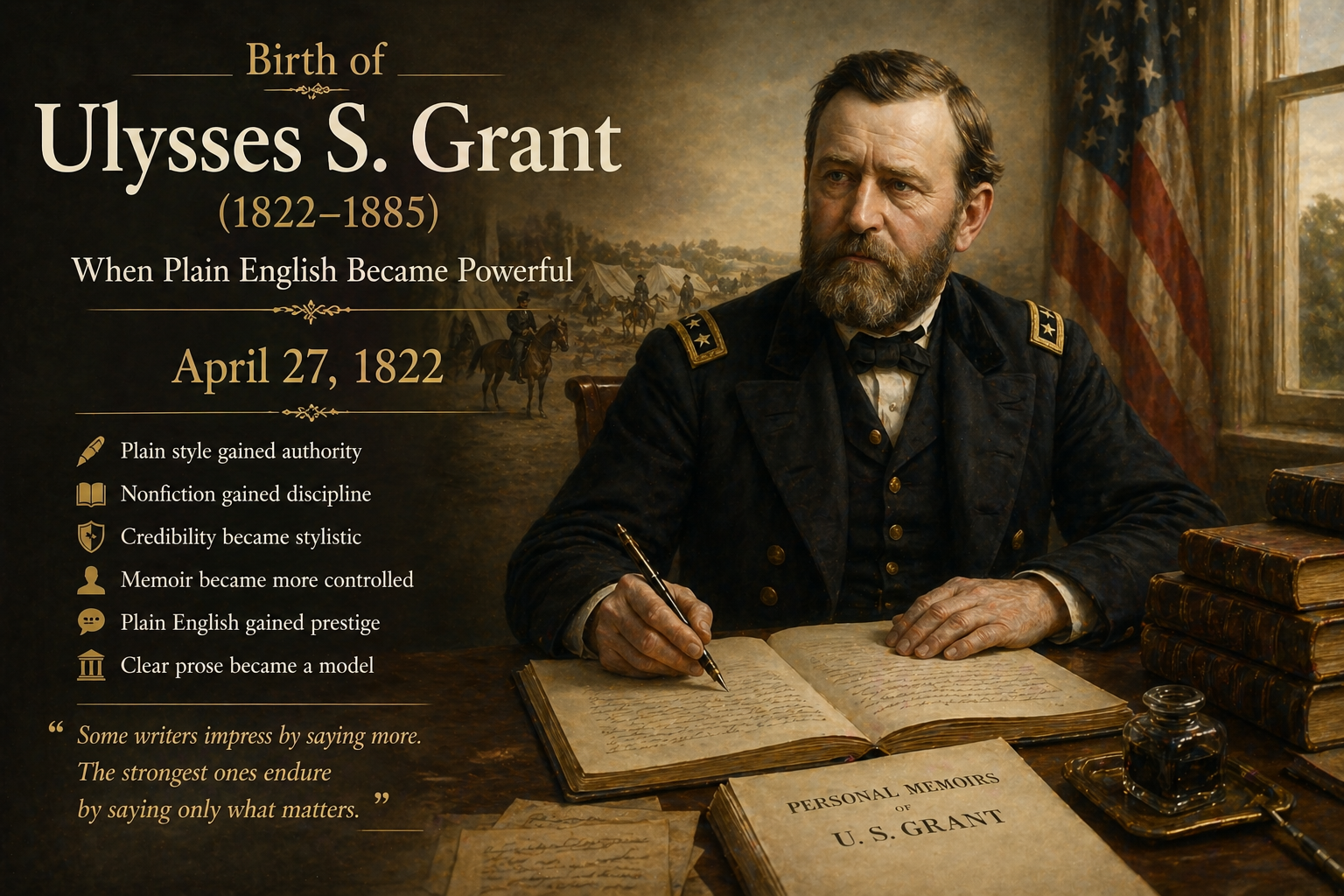
Ulysses S. Grant is remembered for war and politics, but his greatest contribution to English may be his prose. In Personal Memoirs, he proved that clarity, restraint, and plain style could carry more authority than ornament—helping define modern nonfiction in English.
-
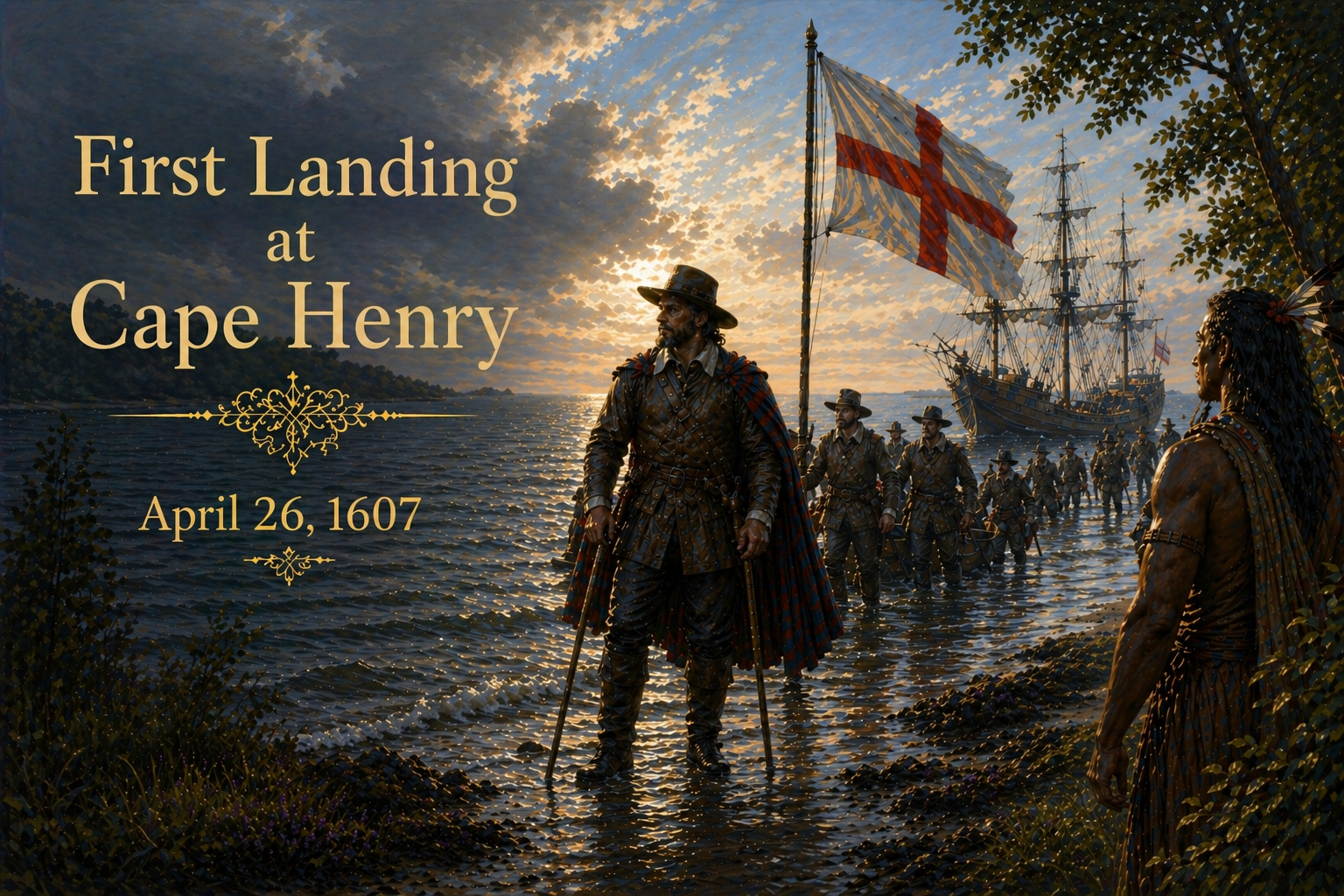
On April 26, 1607, English settlers made their first landing at Cape Henry, marking the beginning of England’s permanent colonial presence in North America. The arrival helped shape the political, cultural, and linguistic foundations that would later define early American English.
-
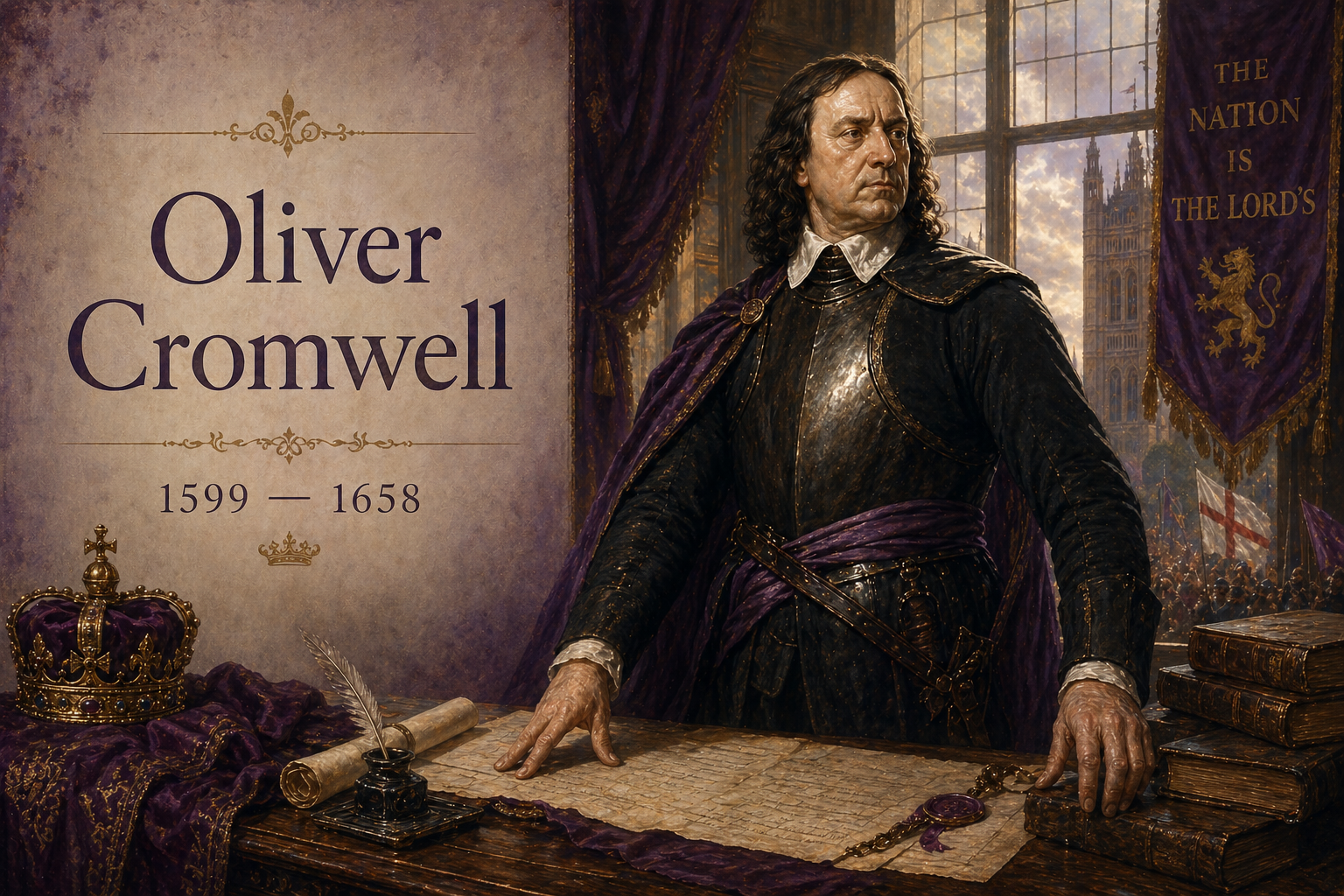
Oliver Cromwell’s age changed more than England’s government. It changed how power sounded in English. As politics, religion, and authority converged, English became sharper, more public, and more forceful—reshaping how command, persuasion, and legitimacy were expressed in the language of rule.
-
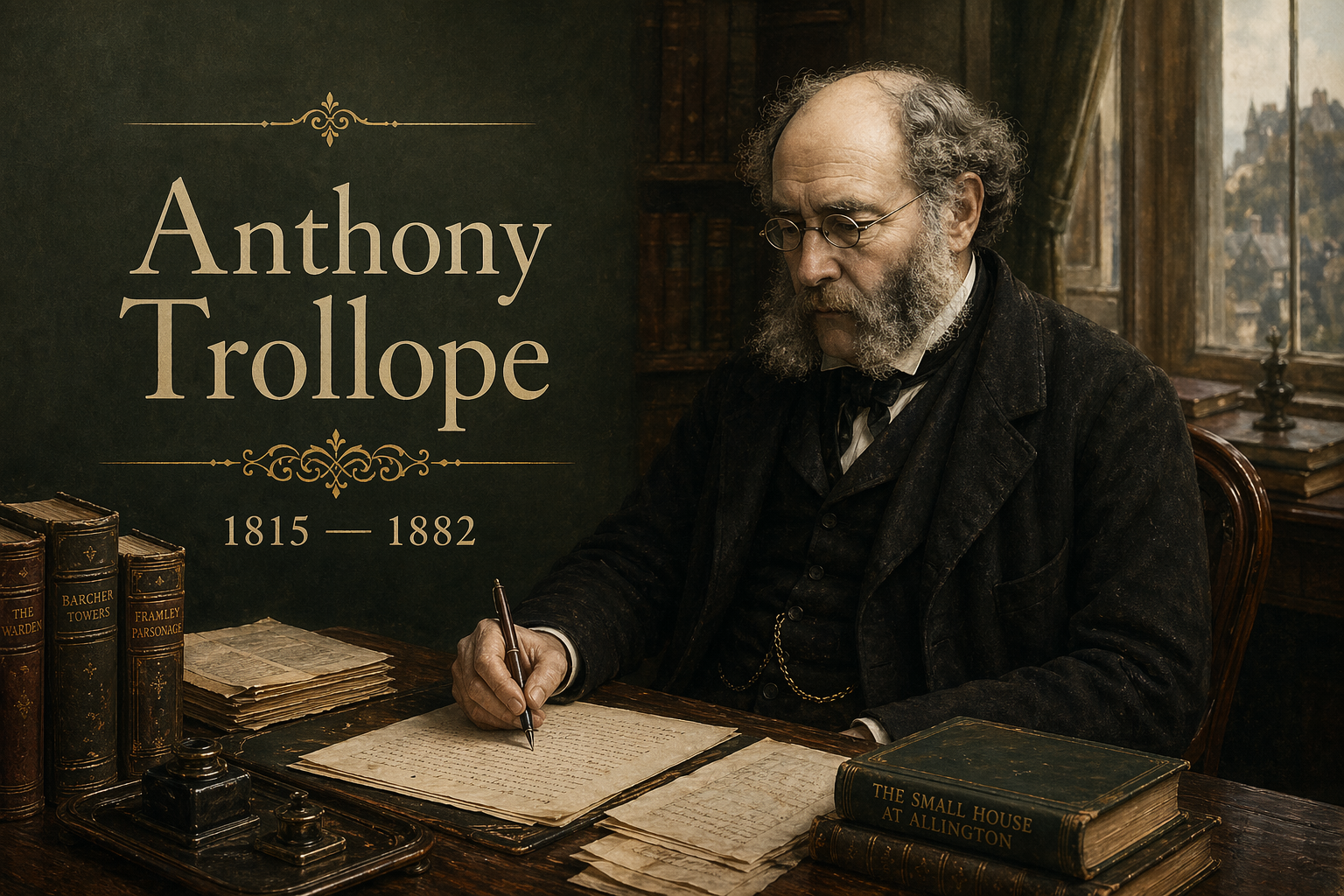
Born in 1815, Anthony Trollope reshaped English fiction by focusing on ordinary life with clarity and precision. Through works like Barchester Towers, he refined natural dialogue, steady pacing, and observational prose, helping establish a realist style where everyday experiences became central to storytelling and the development of the modern novel.
-
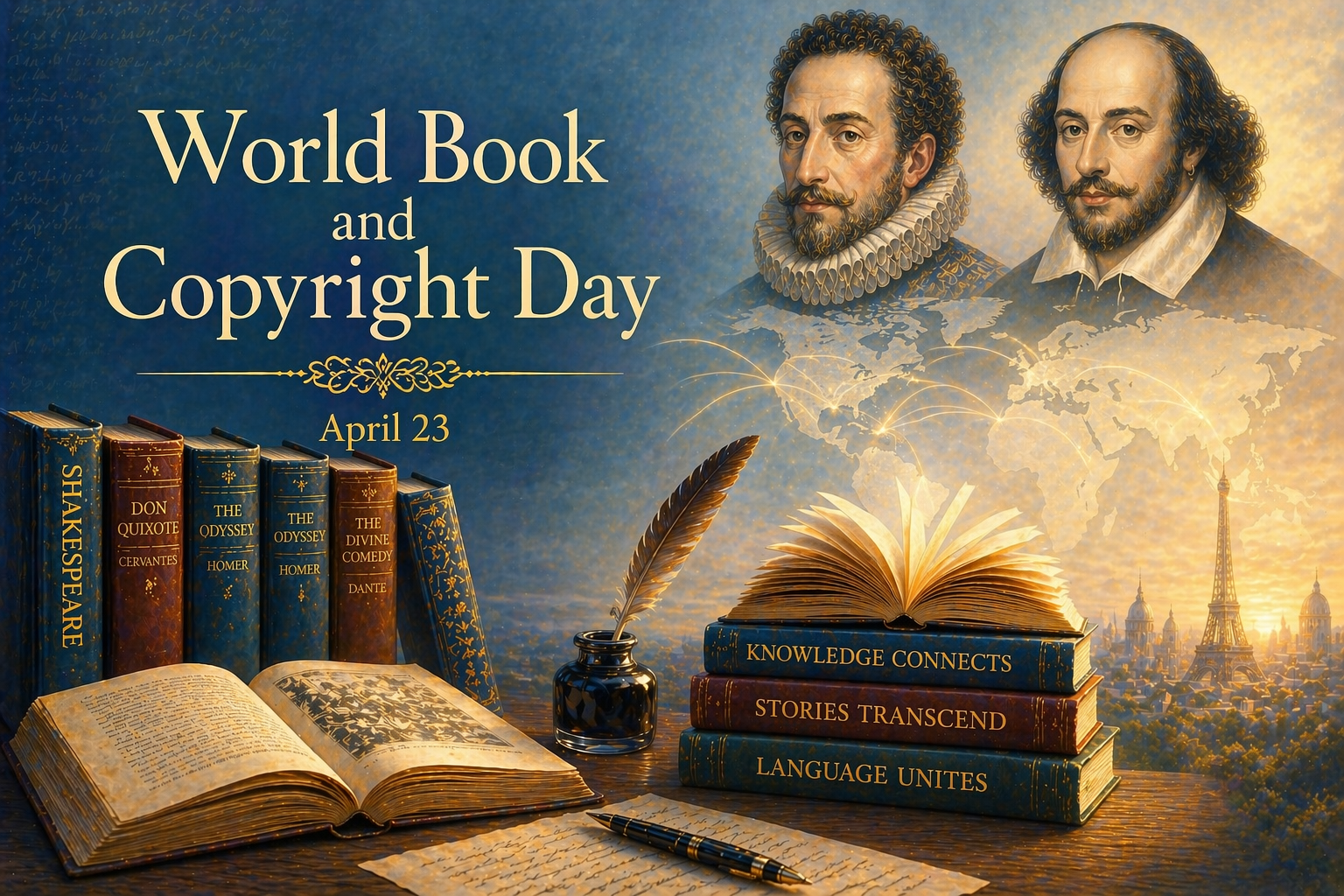
In 1995, UNESCO established World Book and Copyright Day, celebrating reading, publishing, and literary culture worldwide. By encouraging global access to books, it reinforced the role of language—especially English—in spreading ideas across borders, connecting cultures, and sustaining the written word in an increasingly interconnected world.
-
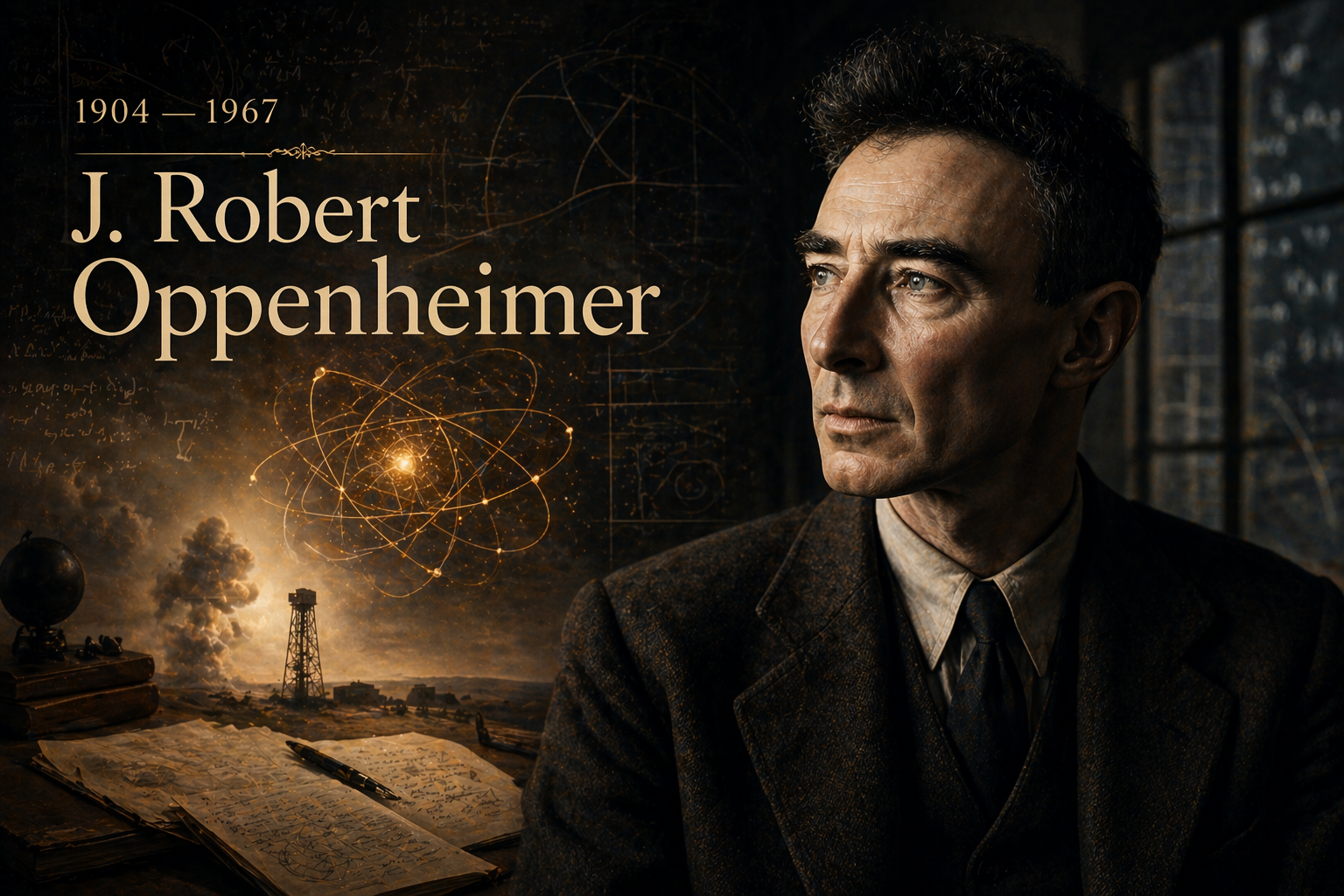
On April 22, 1904, J. Robert Oppenheimer was born. His work in nuclear physics helped usher in the atomic age, forcing English to evolve. New scientific terms, moral language, and powerful metaphors emerged as the language adapted to describe discoveries—and consequences—beyond anything previously imagined.
-
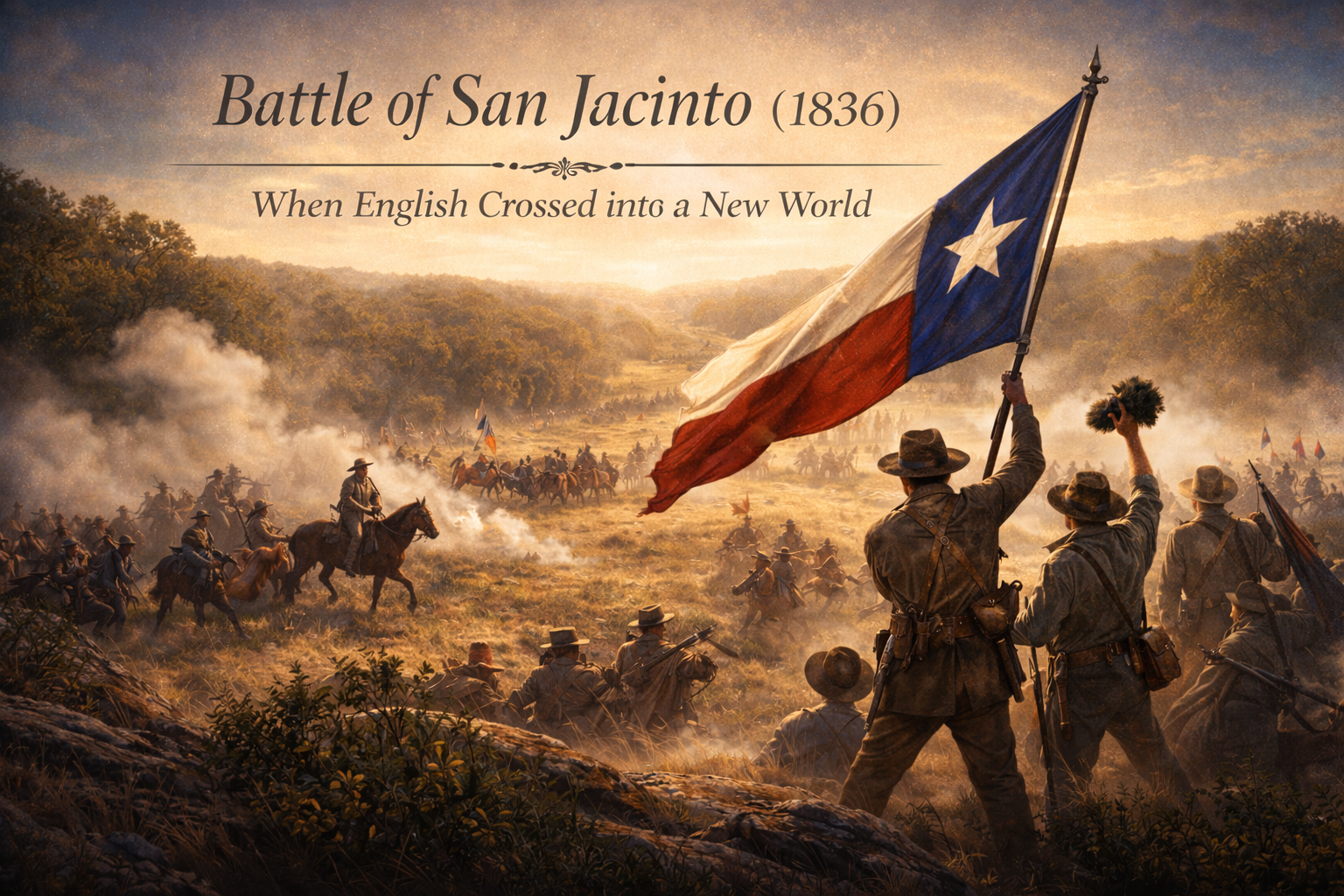
On April 21, 1836, the Battle of San Jacinto reshaped more than borders. As English-speaking populations moved into Texas, the language expanded, adapted, and absorbed new influences. Through contact with Spanish and regional cultures, American English evolved—gaining new forms, voices, and identities tied to place, history, and everyday life.