
What Happened on This Day?
-
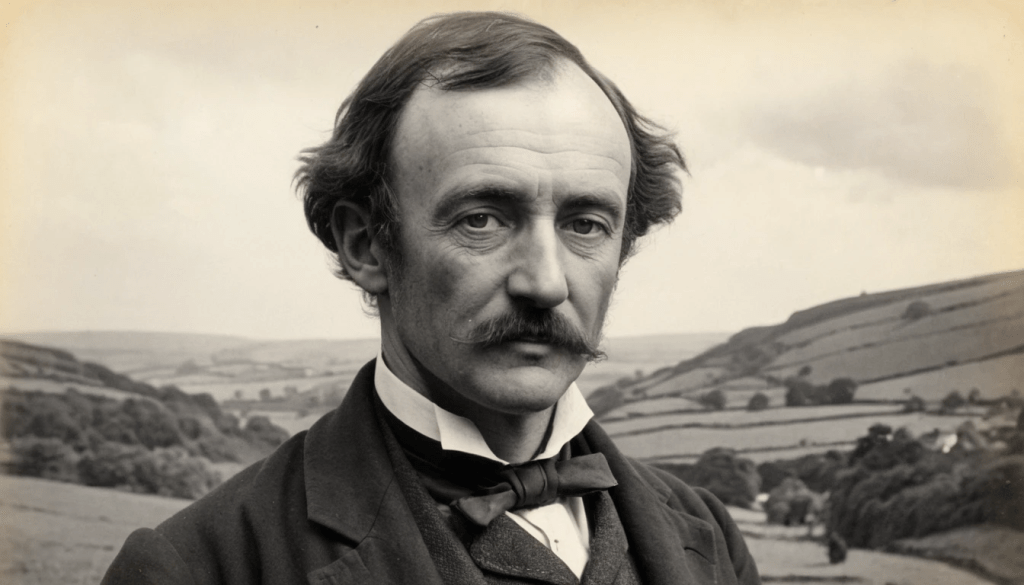
Born on November 4, 1862, Eden Phillpotts turned Devon’s dialects, landscapes, and daily life into enduring English literature. Through his “Dartmoor cycle,” he proved that regional speech could express universal truths — that in the rhythms of local voices, the full music of English humanity could be heard.
-
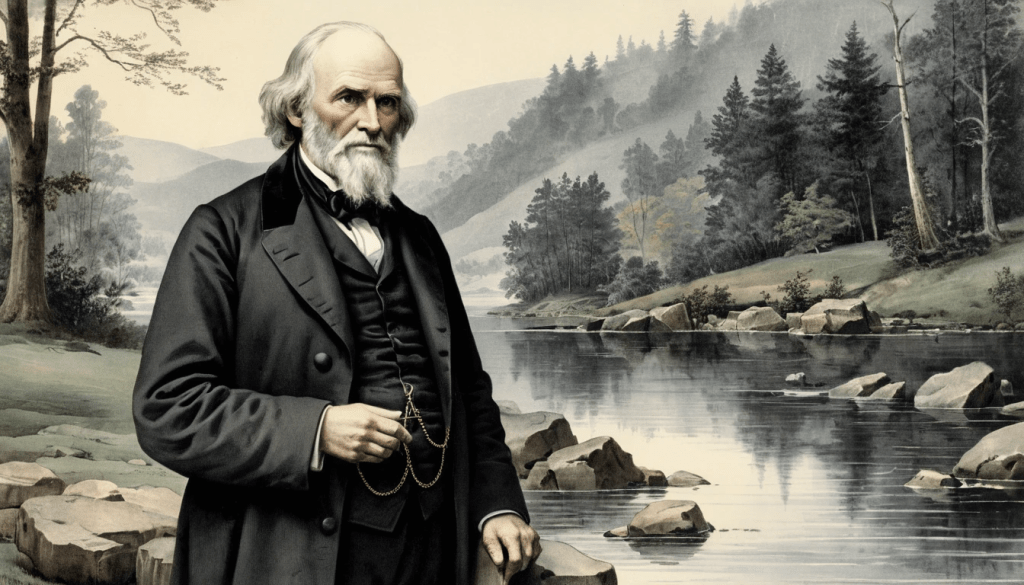
Born on November 3, 1794, William Cullen Bryant gave the English language its first truly American voice. Through Thanatopsis, he transformed English poetry, replacing Europe’s meadows with America’s vast landscapes. His solemn verse and principled prose proved that English could speak with both moral clarity and American soul.
-
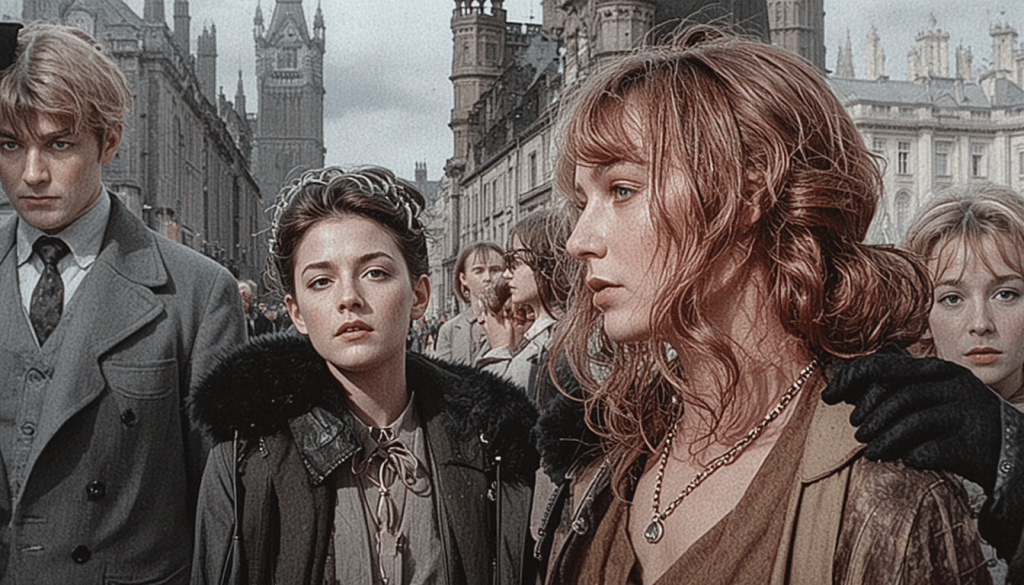
On November 2, 1960, a London jury declared Lady Chatterley’s Lover “not guilty” of obscenity — freeing not only a book but the English language itself. The verdict ended an era of censorship and began one of honesty, where love, class, and desire could finally be written in plain speech.
-
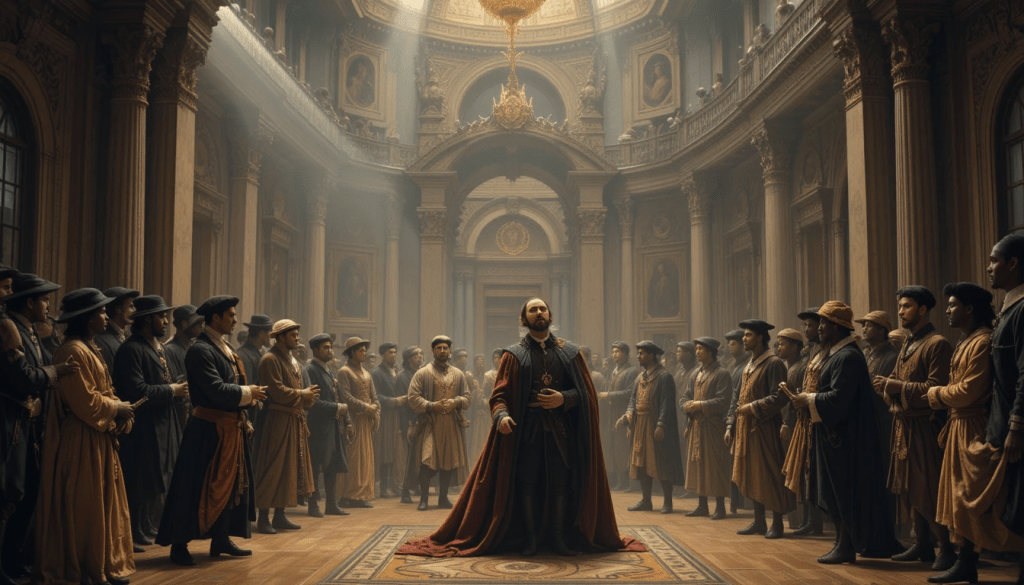
On November 1, 1604, Othello premiered at Whitehall Palace, marking the birth of psychological tragedy. Shakespeare turned jealousy into poetry, emotion into art, and English into a mirror of the human soul — the night when language itself learned to bleed, love, and doubt upon the stage.
-
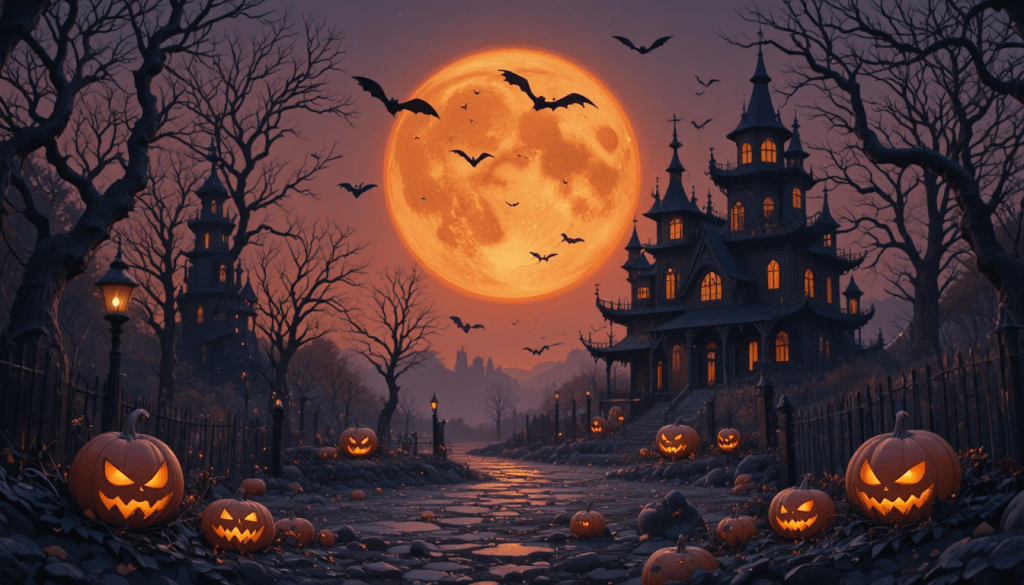
October 31, Halloween — a night between worlds — has long haunted the English imagination. From Shakespeare’s witches to Shelley’s monsters and Bradbury’s ghosts, it gave English a language of fear, wonder, and transformation, turning shadows into stories and the unknown into the heartbeat of creativity itself.
-
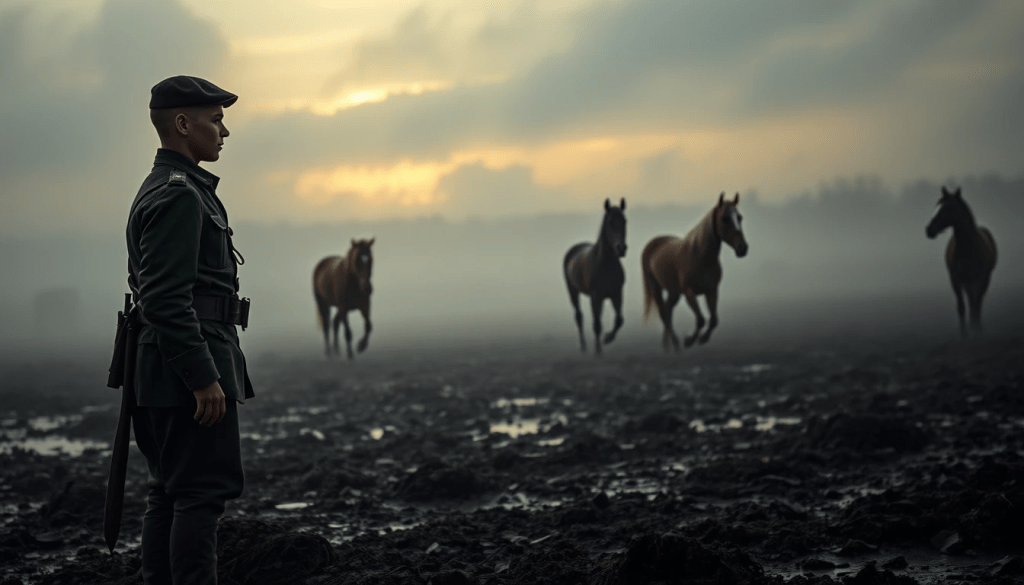
Born on October 30, 1930, Timothy Findley became a defining voice of conscience in modern English fiction. Through works like The Wars and Not Wanted on the Voyage, he explored war, myth, and moral imagination, revealing both the tenderness and the turmoil at the heart of human experience.
-
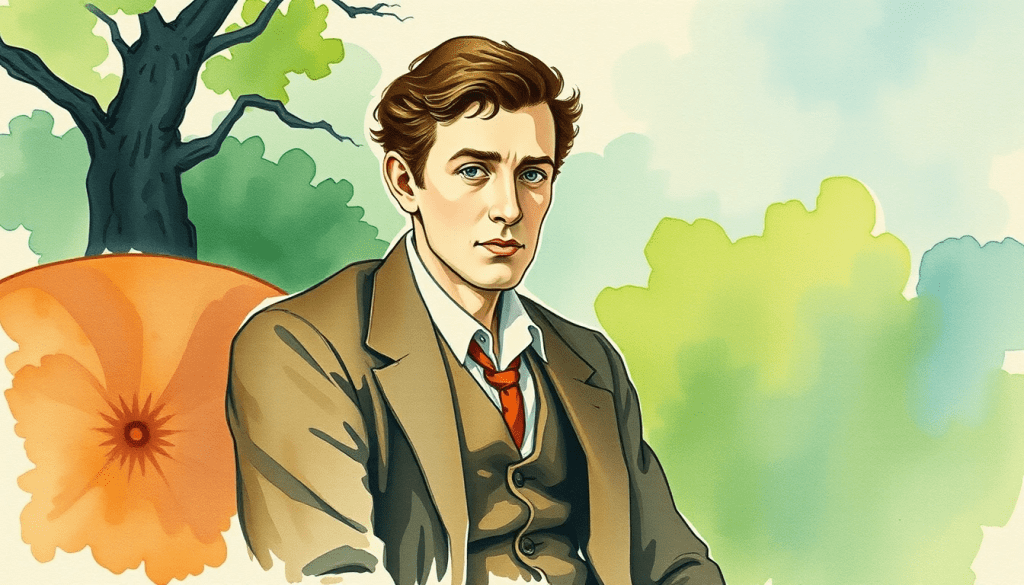
Henry Green (1905–1973) redefined English prose through silence, rhythm, and understatement. His novels transformed everyday speech into art, revealing emotion in the unsaid and poetry in the ordinary. A quiet modernist, Green’s restrained style proved that English fiction could whisper truth more powerfully than it could shout.
-

John Hollander (born October 28, 1929) taught English to hear itself. A poet, critic, and scholar, he united intellect and melody, proving that poetry’s structure is not confinement but creation. Through form, rhythm, and reflection, Hollander revealed that English verse thinks musically — every echo a renewal of meaning and sound.
-
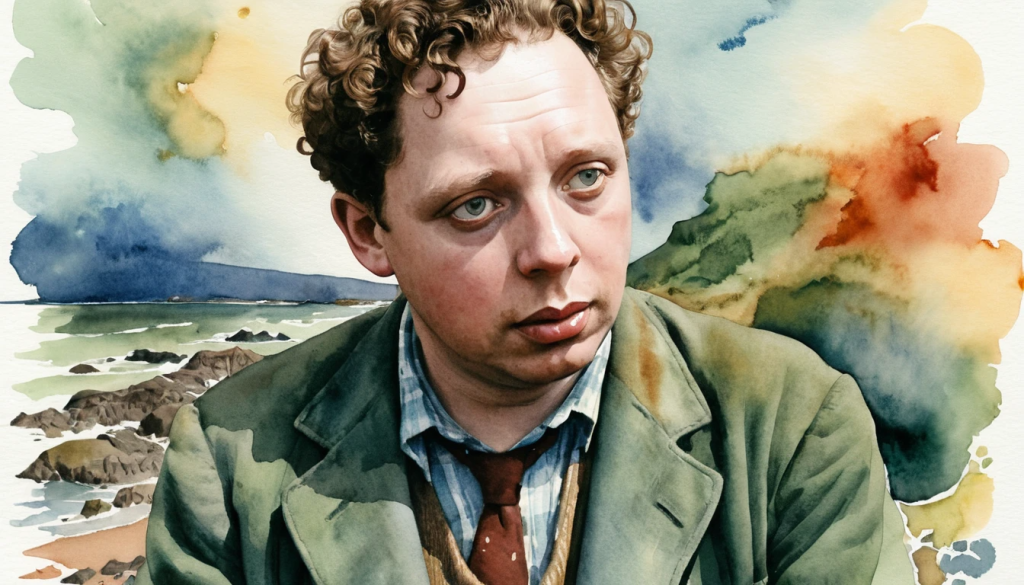
Born on October 27, 1914, Dylan Thomas redefined English poetry through rhythm, sound, and vision. His verse fused the musical and the mythic, transforming words into living music. From Do Not Go Gentle into That Good Night to Under Milk Wood, he revived English as a language that sings, breathes, and feels.
-
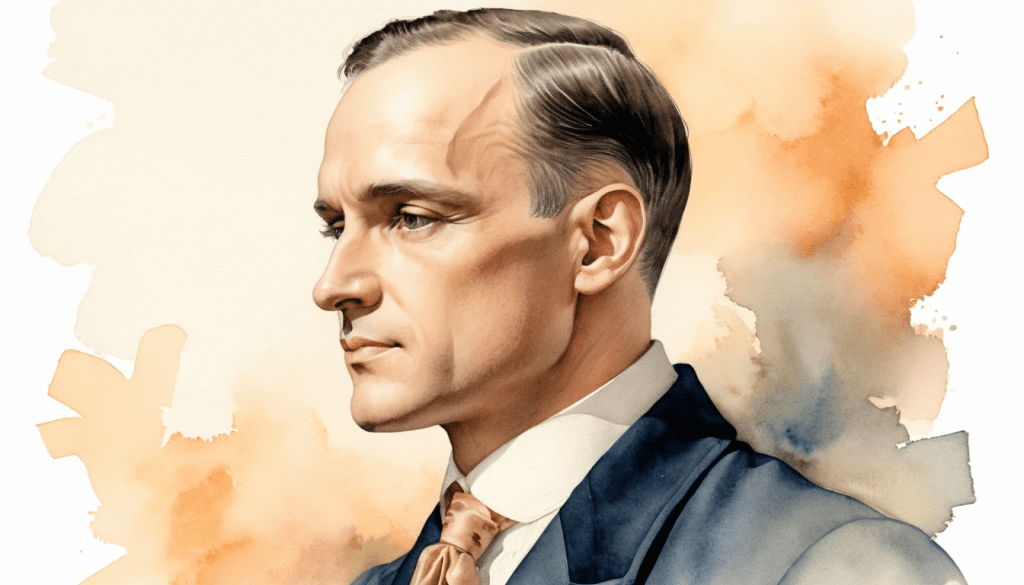
Born on October 26, 1883, Napoleon Hill transformed English into the language of ambition. Through Think and Grow Rich, he turned words into tools of belief, giving modern English its vocabulary of purpose, mindset, and success. His sentences didn’t just describe achievement—they made readers feel capable of it.
 What Happened on This Day?