
What Happened on This Day?
-
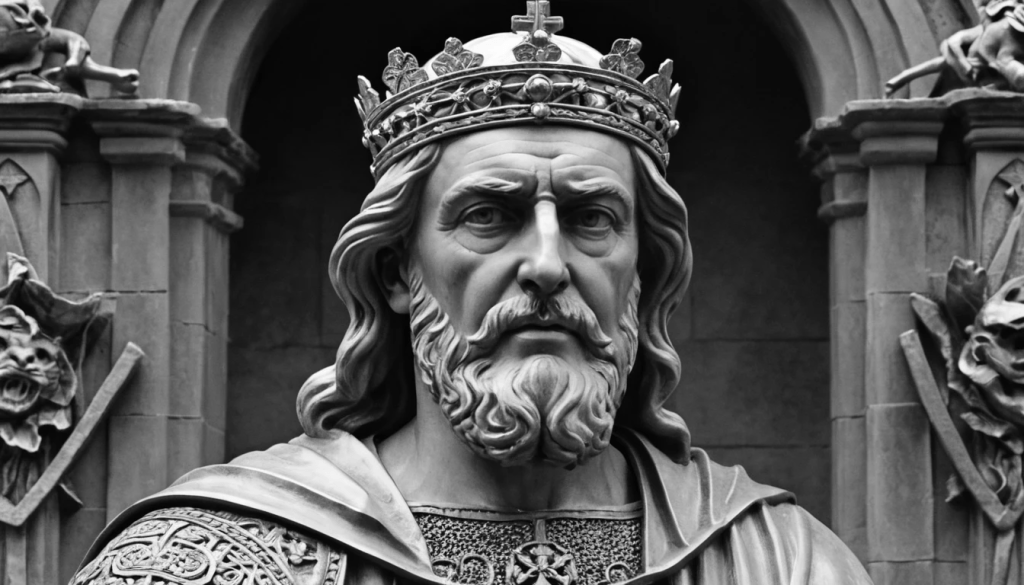
On November 15, 655, the death of Penda of Mercia ended the last major pagan resistance and opened the way for England’s Christianization and monastic literacy. This turning point redirected Old English from an oral heroic tradition toward a written culture that would eventually shape scripture, scholarship, and literature.
-
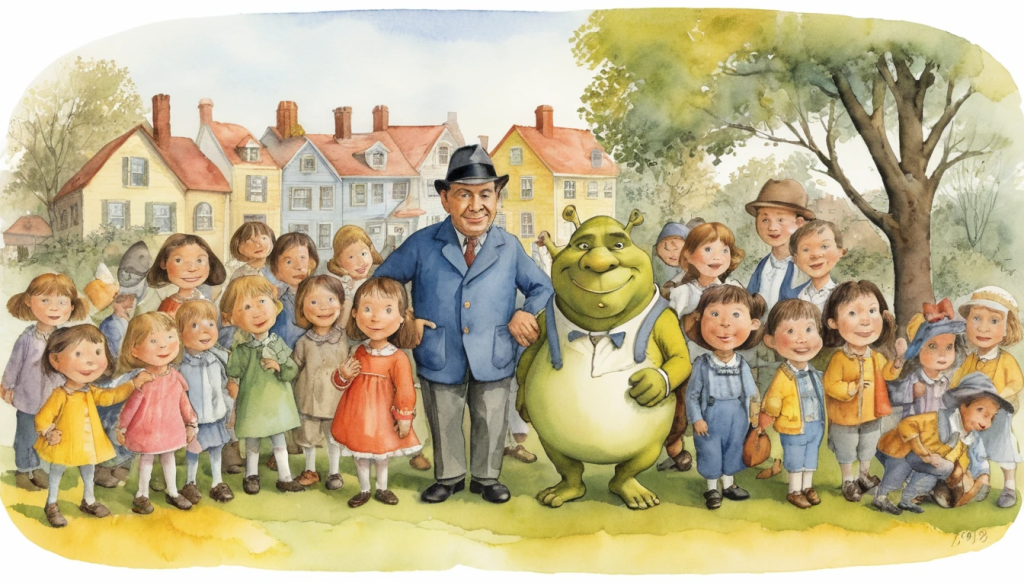
William Steig transformed children’s English by blending wit, emotional depth, and playful vocabulary into stories that never underestimated young readers. From his New Yorker captions to Sylvester, Doctor De Soto, and Shrek!, he proved that English for children can be rich, wise, mischievous, and endlessly imaginative.
-

Born on November 13, 1938, Jean Seberg became the emblem of transatlantic modernity. Through her bilingual presence in French and English cinema, she shaped how postwar culture imagined freedom and identity. Her minimalist voice and existential poise bridged art, language, and rebellion, leaving a lasting mark on English modernism.
-
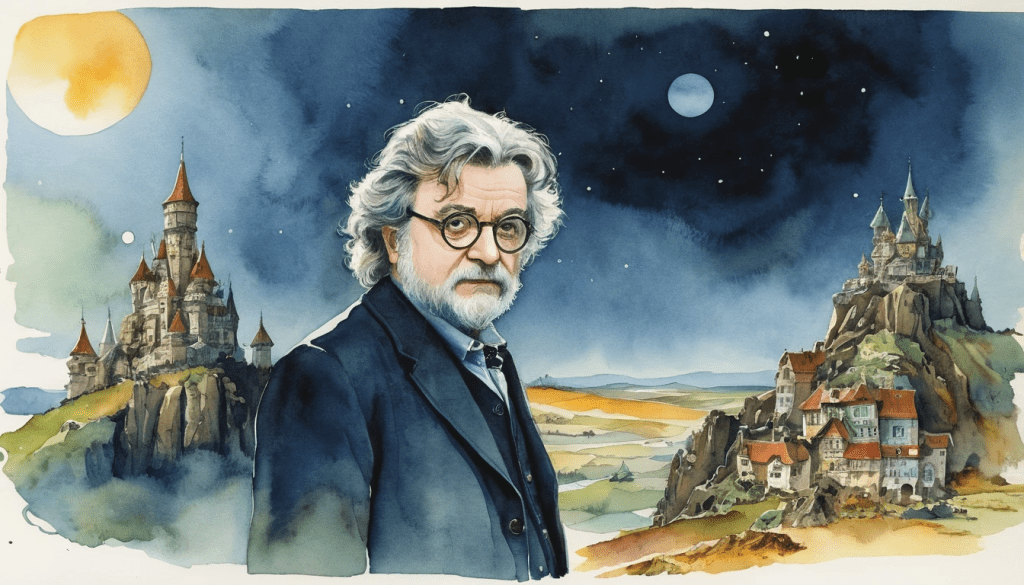
Born on November 12, 1929, Michael Ende transformed fantasy into philosophy and storytelling into reflection. Through The Neverending Story and Momo, he gave English readers a new language of imagination — one where reading becomes creation and stories never end, only begin again in the mind of each reader.
-
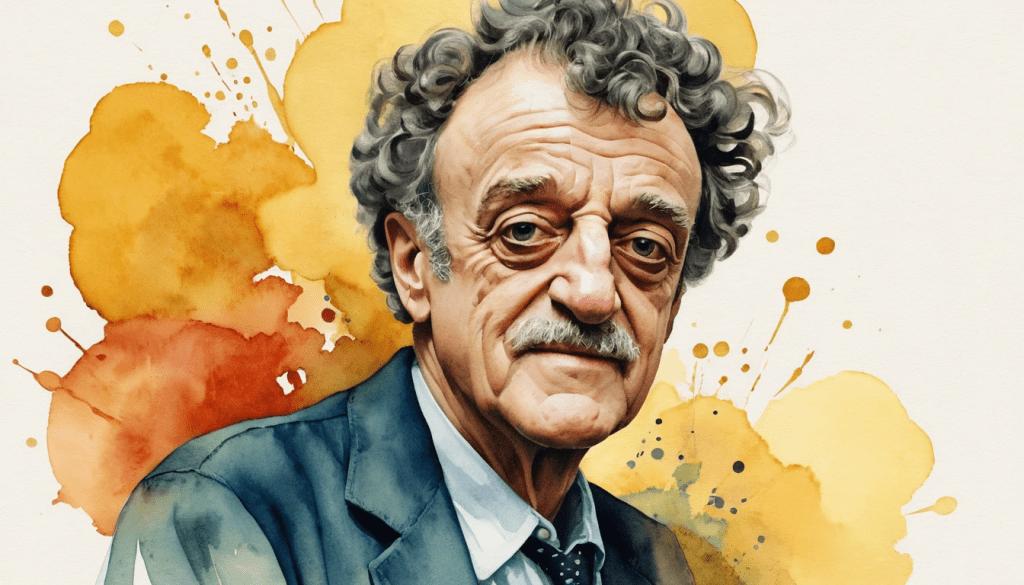
Born on November 11, 1922, Kurt Vonnegut transformed English prose into a tool for laughter amid despair. Blending satire, science fiction, and moral insight, he gave the modern world a new way to face tragedy — not with solemnity, but with irony, empathy, and a quiet, enduring sense of hope.
-
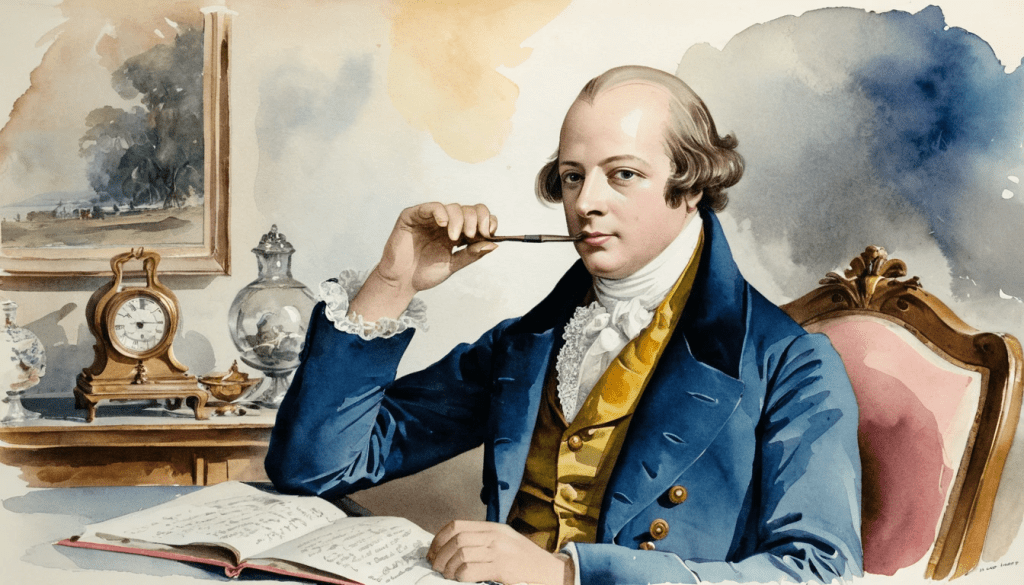
Born on November 10, 1728, Oliver Goldsmith gave English prose its heart — a union of wit, grace, and moral light. Through The Vicar of Wakefield, The Deserted Village, and She Stoops to Conquer, he transformed elegance into empathy, proving that humor and humanity could share the same sentence.
-
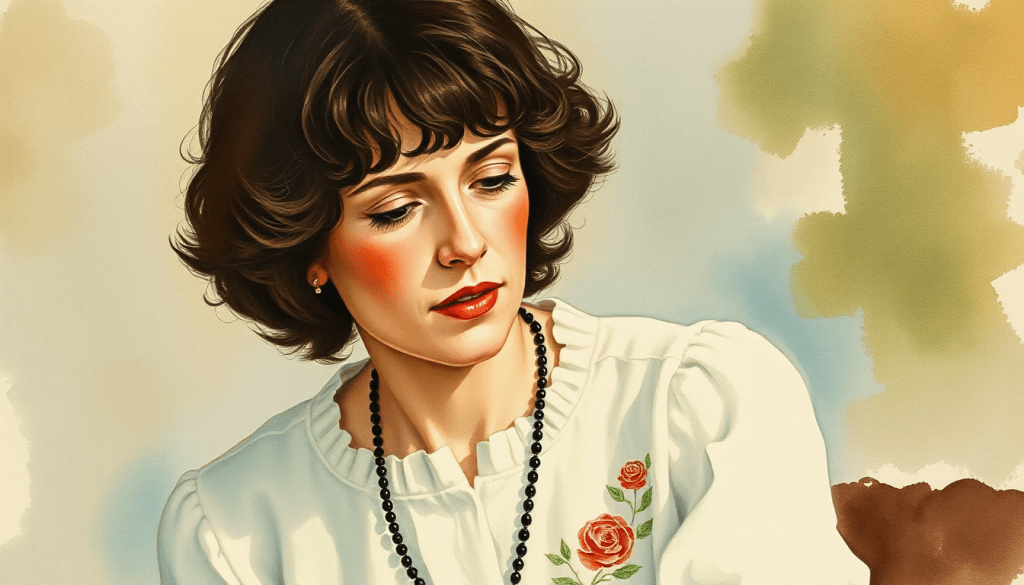
Born on November 9, 1928, Anne Sexton redefined modern poetry by turning confession into art. Her fearless voice transformed private anguish into public language, reshaping English verse with intimacy, rhythm, and raw emotion. Through her candor, she gave pain eloquence — and vulnerability, its own poetic form.
-
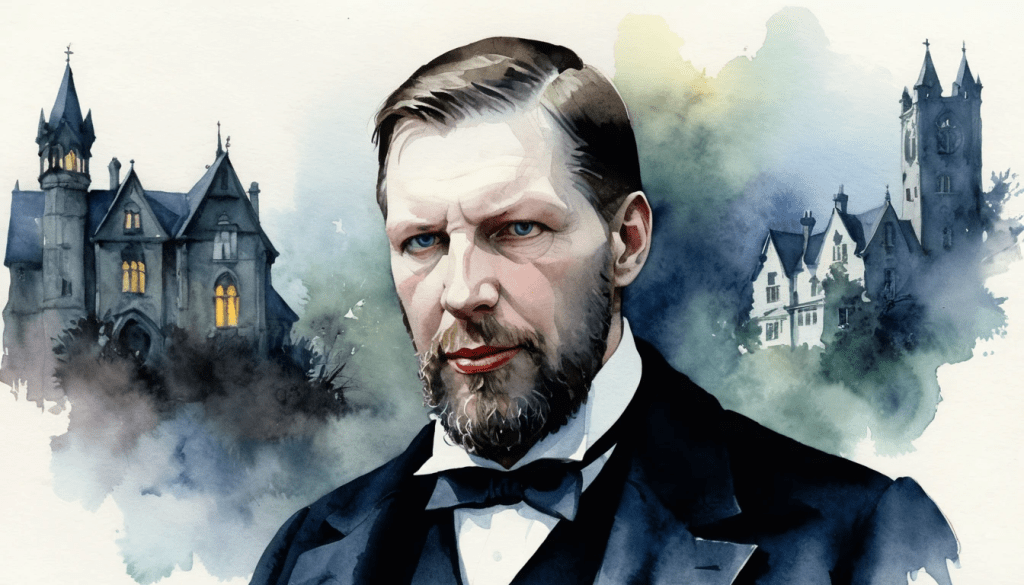
Born on November 8, 1847, Bram Stoker transformed English through Dracula, giving the language a new vocabulary of fear and fascination. His Gothic imagination fused myth and modernity, shaping how English speaks of darkness, desire, and the monstrous within. Through his words, terror became timeless — and eloquent.
-

Born on November 7, 1913, Albert Camus gave English a new moral language — lucid, humane, and quietly rebellious. Through translation, his French voice reshaped English prose, teaching it to speak of absurdity, dignity, and revolt with clarity. In his words, truth became courage, and simplicity, strength.
-
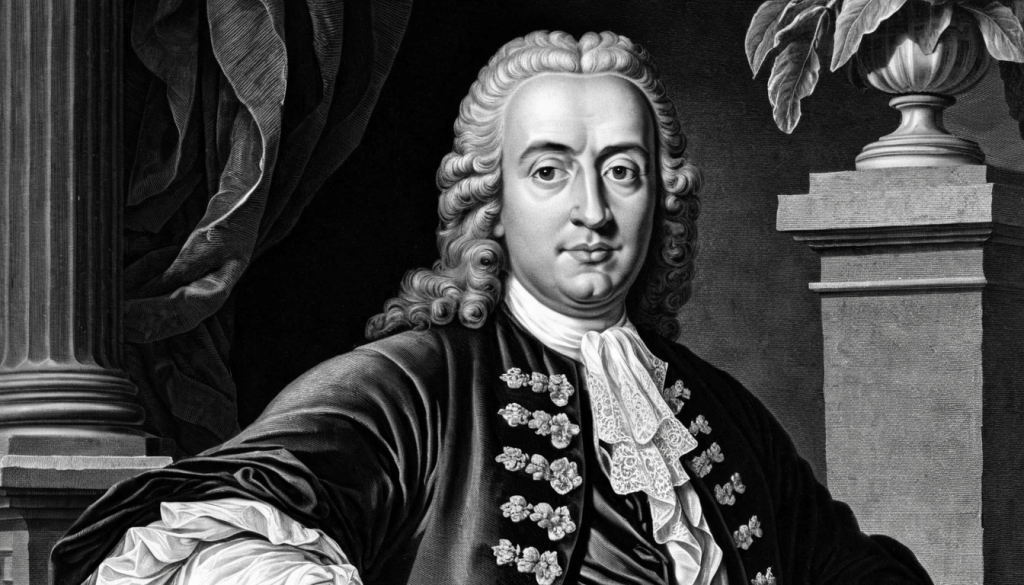
Born on November 6, 1671, Colley Cibber gave English comedy its theatrical rhythm. Actor, playwright, and Poet Laureate, he bridged stage and literature, shaping the lively sound of spoken English. His wit, rivalry, and unapologetic style helped define how English could perform — expressive, playful, and profoundly human.
 What Happened on This Day?