
What Happened on This Day?
-
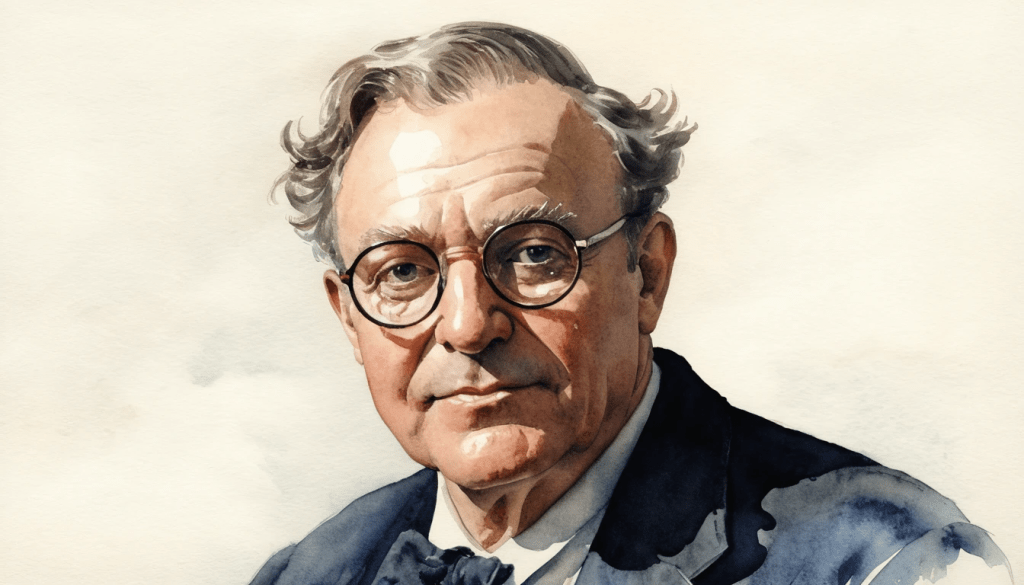
George Cram Cook gave English drama its American accent. As co-founder of the Provincetown Players, he championed authentic speech, regional rhythms, and psychological realism—turning everyday English into art. His vision made the stage a living space for ordinary voices to speak extraordinary truths.
-
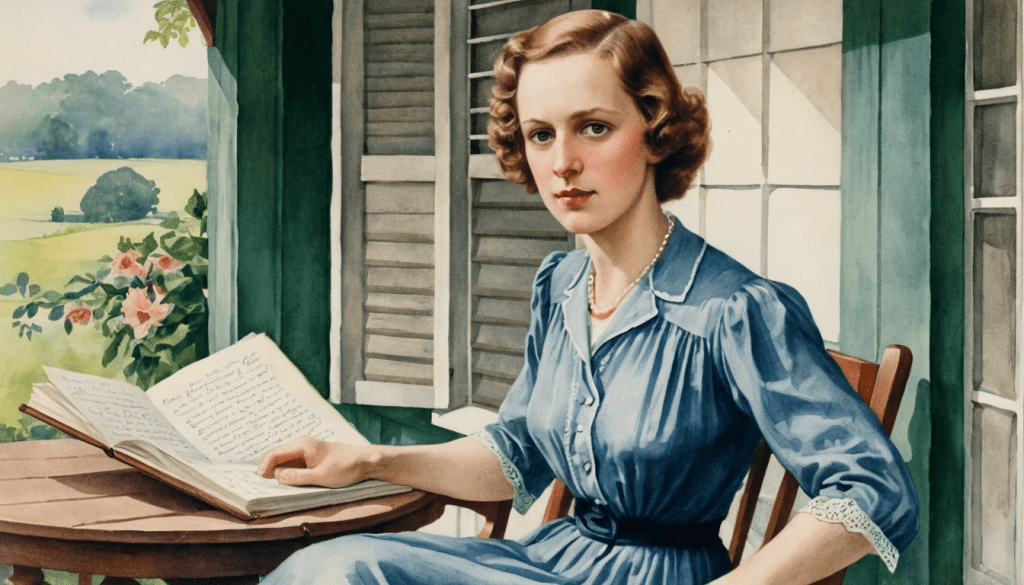
Born on October 6, 1895, Caroline Gordon gave English prose a rare harmony of Southern voice and classical form. Her fiction joined moral clarity with lyrical discipline, turning regional experience into universal art. Through her novels and criticism, English gained a language of conscience, structure, and enduring grace.
-
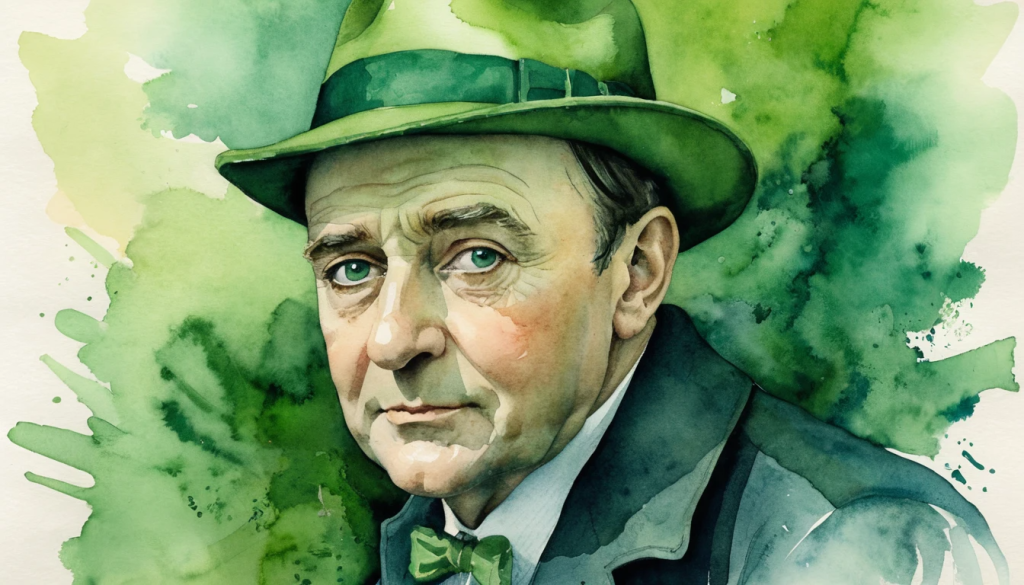
Flann O’Brien, born October 5, 1911, turned English into a hall of mirrors — where stories questioned their authors and language mocked its own seriousness. Through wit, absurdity, and linguistic play, he transformed English prose into an instrument of rebellion and reflection, shaping the comic spirit of modern literature.
-
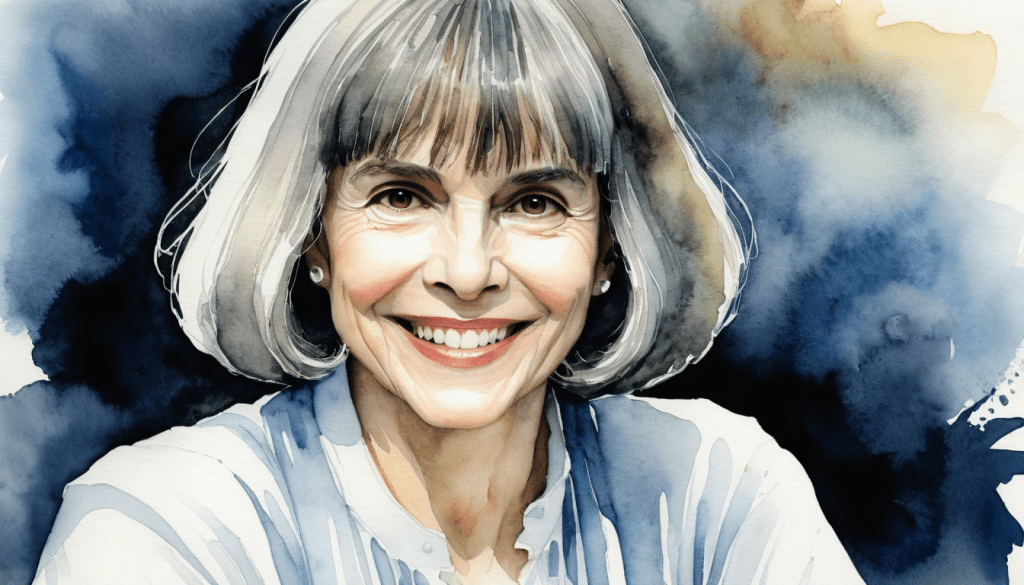
Born on October 4, 1941, Anne Rice transformed English literature by merging horror, sensuality, and philosophy. Through Interview with the Vampire and her Gothic universe, she gave English a poetic language of immortality, desire, and confession — where darkness reveals beauty and the soul seeks redemption in eternal night.
-
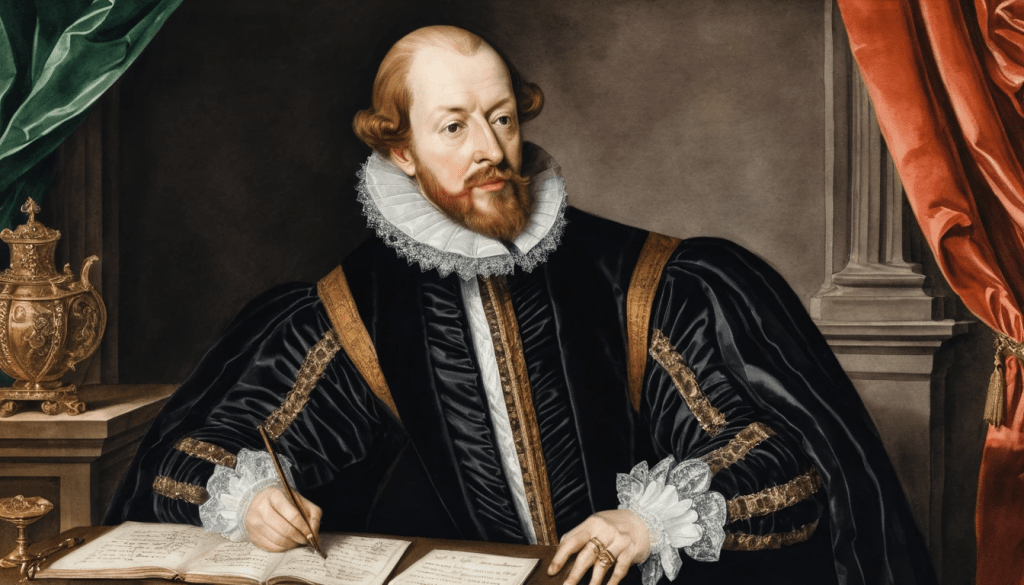
Born on October 3, 1554, Sir Fulke Greville gave English a voice of austerity and depth. A courtier, poet, and philosopher, he merged political duty with metaphysical reflection. His verse, tragedies, and treatises enriched English with a vocabulary of conscience, governance, and spiritual struggle, shaping Renaissance literary imagination.
-
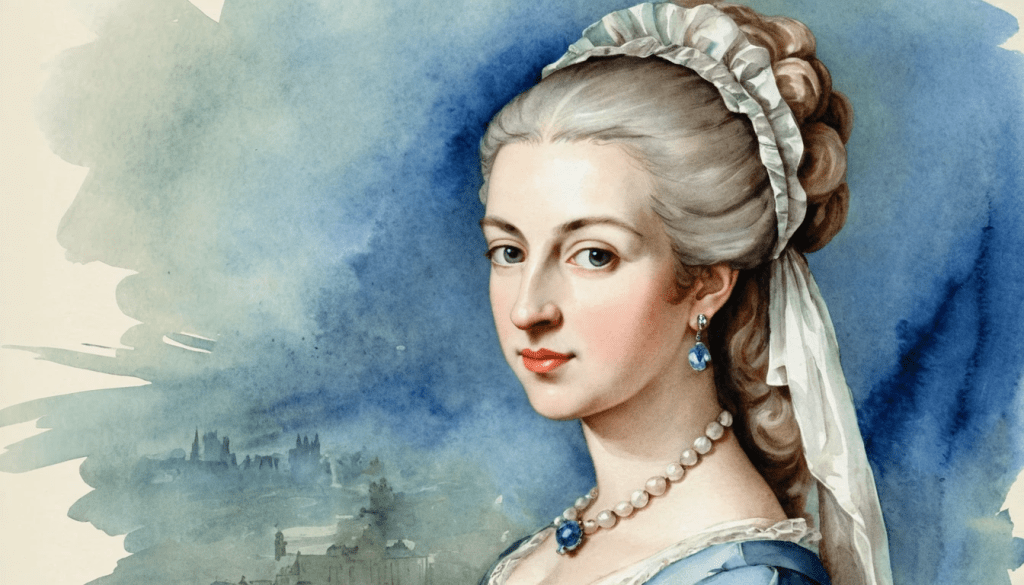
Elizabeth Montagu, born October 2, 1718, reshaped English through wit, salons, and scholarship. As “Queen of the Bluestockings,” she fostered women’s intellectual authority, defended Shakespeare’s genius, and gave English a vocabulary of cultural equality. Her salons created a tradition where women’s voices enriched conversation and criticism alike.
-
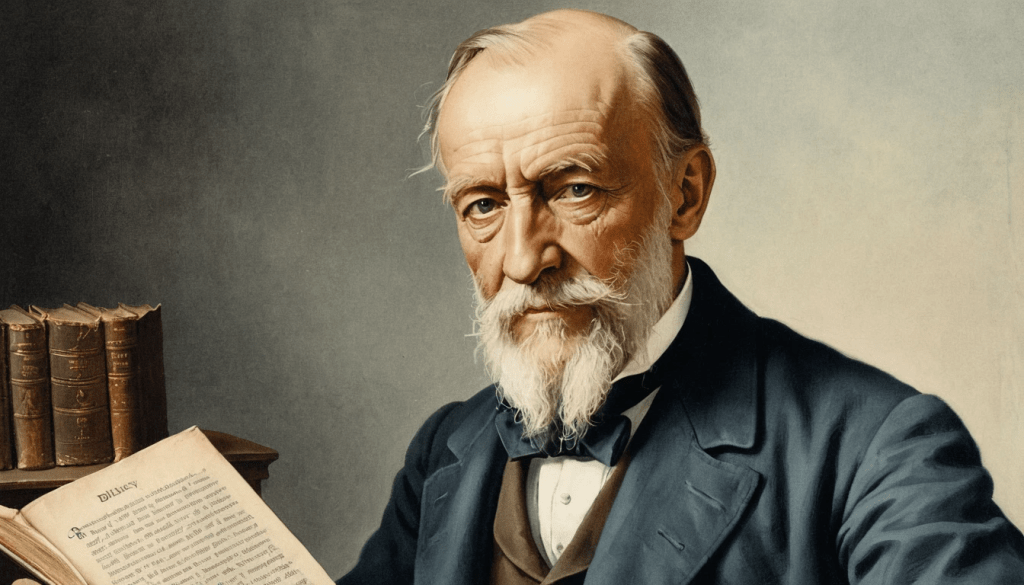
On October 1, 1911, Wilhelm Dilthey died, leaving English criticism a deeper vocabulary. His ideas of “lived experience” and hermeneutics enriched literary studies, shifting focus toward subjectivity, context, and interpretation. Dilthey’s legacy shaped modern criticism, providing English with enduring concepts that continue to guide philosophy, literature, and cultural analysis.
-
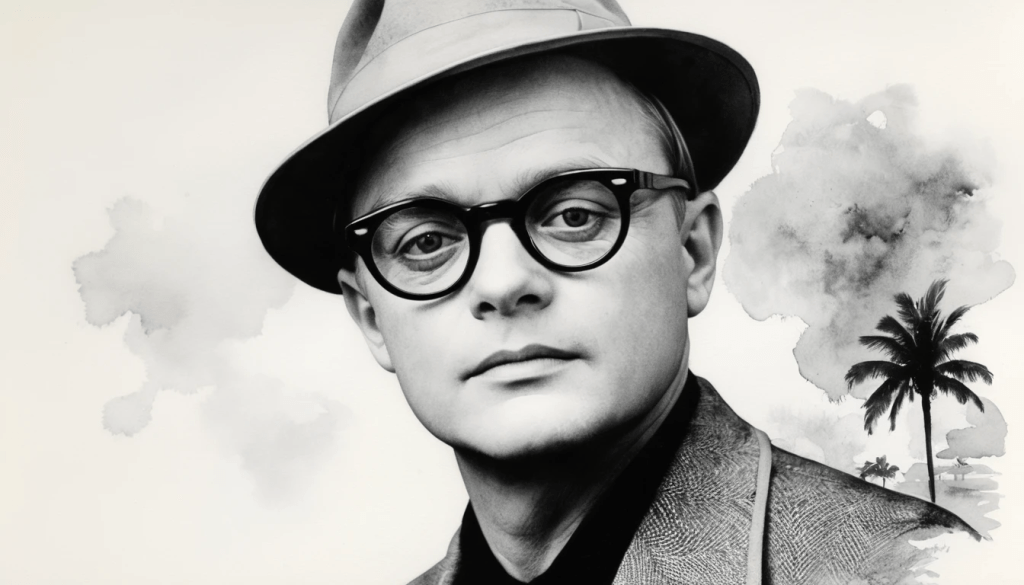
Born on September 30, 1924, Truman Capote transformed English literature by blending journalism with fiction. From Breakfast at Tiffany’s to In Cold Blood, he pioneered the nonfiction novel, creating a stylish, precise, and intimate voice that redefined both narrative art and cultural discourse in twentieth-century America.
-
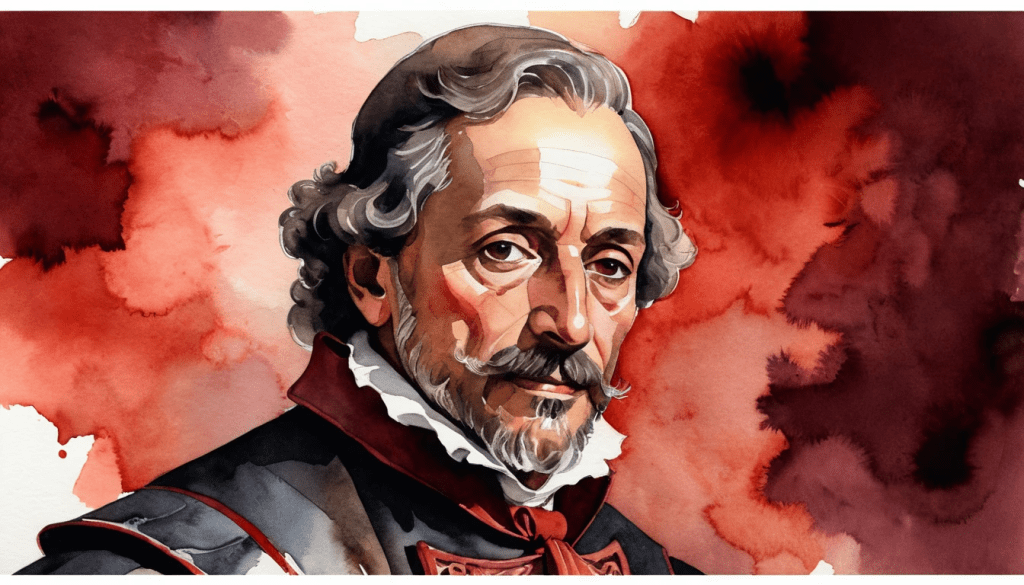
On September 29, 1547, Miguel de Cervantes was born, later shaping world literature with Don Quixote. His legacy gave English not only idioms like tilting at windmills and quixotic, but also the blueprint of the modern novel, influencing writers from Fielding to Joyce with irony, parody, and narrative innovation.
-
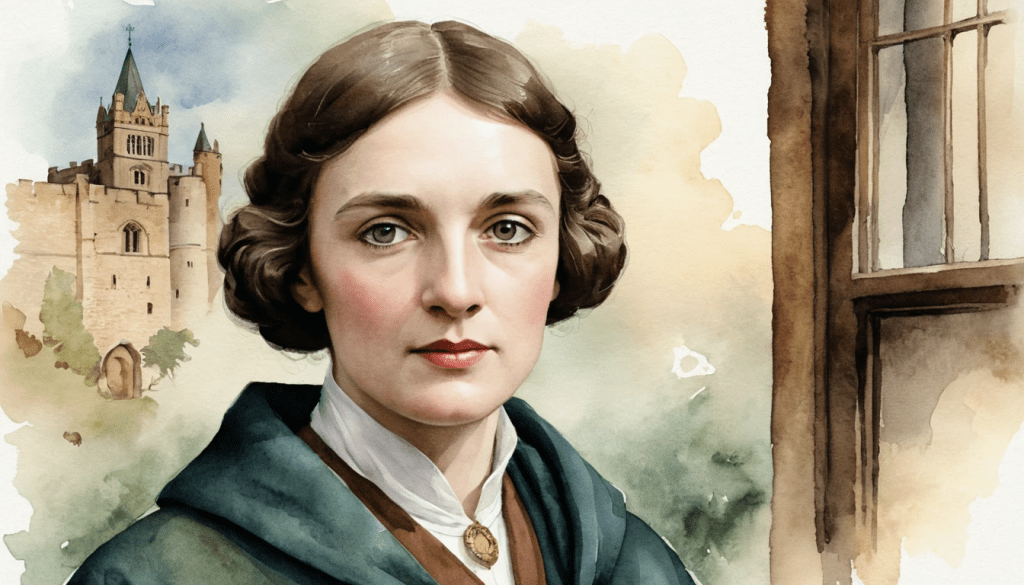
On September 28, 1913, Edith Pargeter was born, later transforming English literature with her Brother Cadfael mysteries. Blending medieval history with modern humanism, she created a compassionate detective, revived medieval life in clear prose, and helped establish historical mystery as a thriving genre that still shapes English storytelling today.
 What Happened on This Day?