
What Happened on This Day?
-
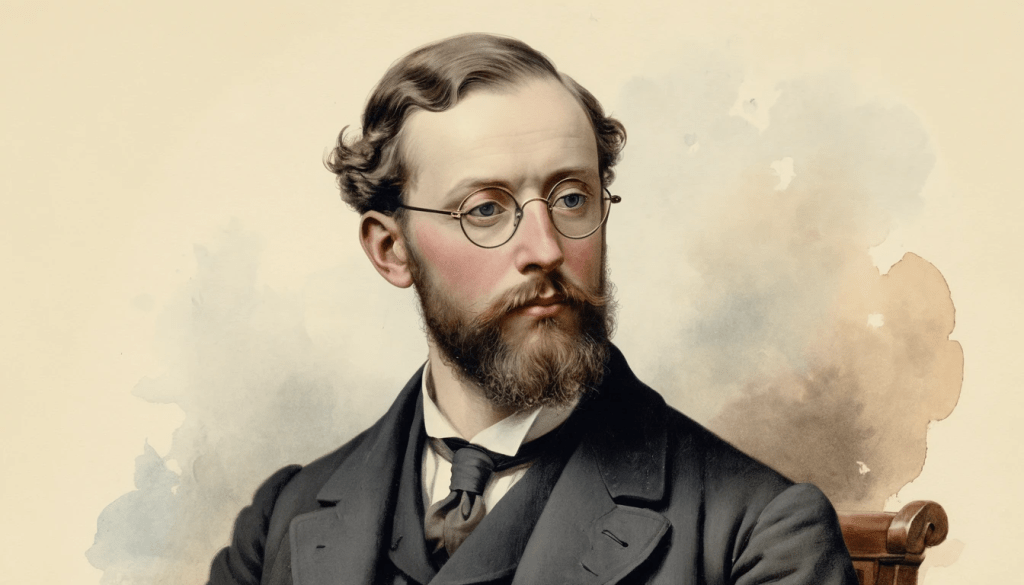
Francis William Lauderdale Adams, born September 27, 1862, carried English literature beyond Britain by rooting it in Australia. His novels, poems, and essays infused radical politics, colonial realities, and social justice into English prose, shaping an early Australian literary voice that broadened the global scope of English letters.
-
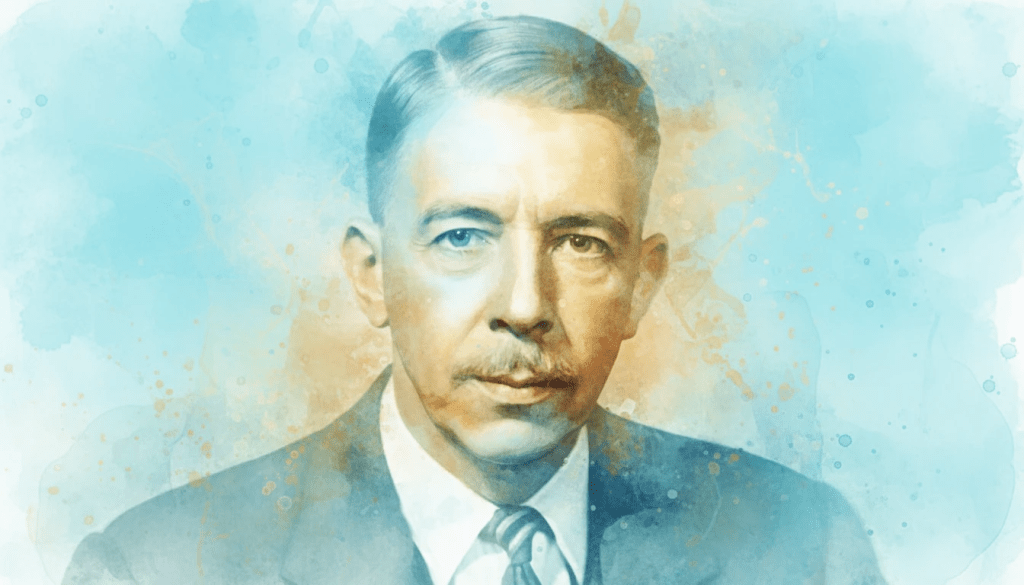
When William Strunk Jr. died on September 26, 1946, he left behind The Elements of Style, a guide that made clarity, brevity, and precision the hallmarks of modern English. With “omit needless words” as its mantra, Strunk reshaped American prose, embedding his stylistic DNA into generations of writers.
-
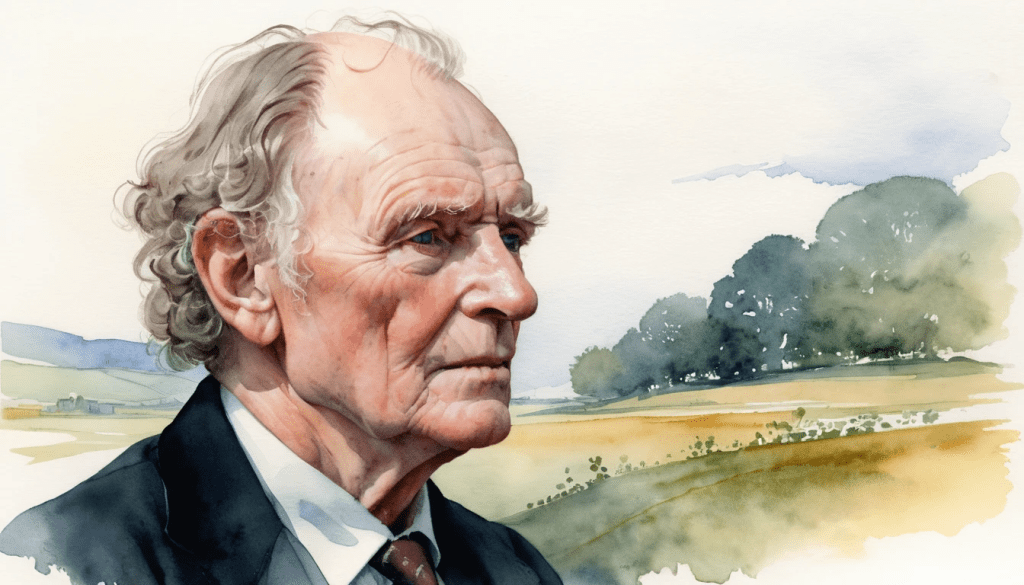
When R. S. Thomas died on September 25, 2000, English poetry lost a voice of stark clarity. A Welsh priest and poet, he gave English a vocabulary of silence, rural harshness, and spiritual doubt, fusing Welsh landscapes and cadences with modern austerity to reshape twentieth-century verse.
-
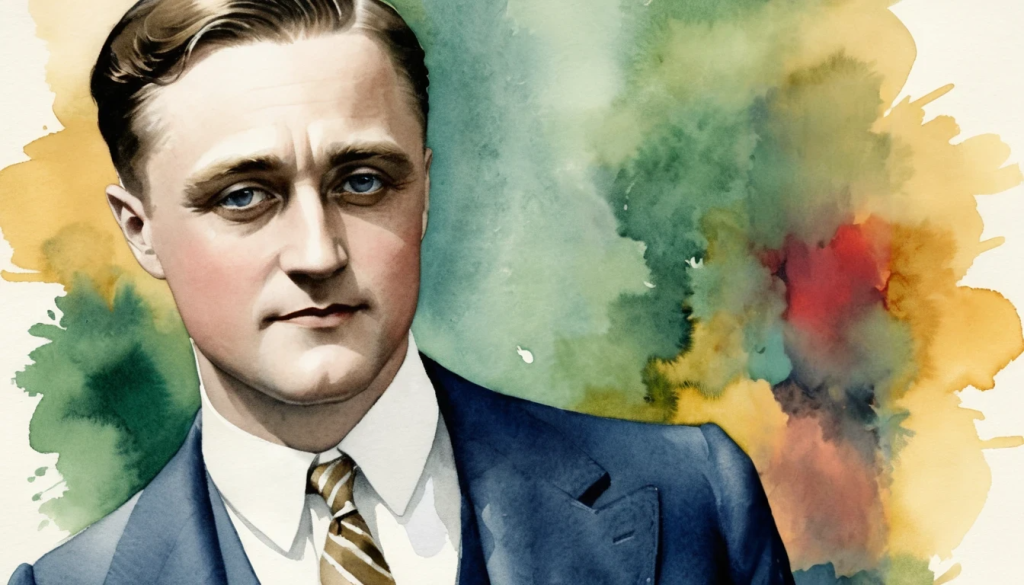
Born on September 24, 1896, F. Scott Fitzgerald gave English the language of the Jazz Age — glamour, disillusionment, and the American Dream. From The Great Gatsby’s “green light” to the word “Gatsbyesque,” his prose shaped modern English with enduring metaphors of aspiration, excess, and inevitable heartbreak.
-
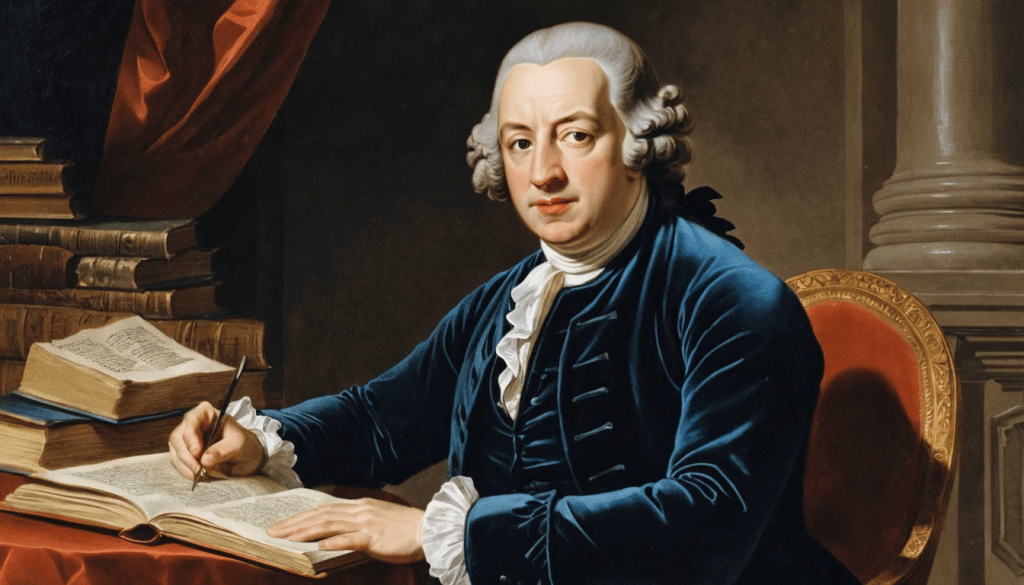
Robert Dodsley (1704–1777) rose from footman to one of England’s most influential literary figures. As playwright, essayist, and publisher, he enriched English drama, supported Johnson’s dictionary, and fostered anthologies and essays that shaped the eighteenth-century public sphere of letters and standardized the English language for generations.
-
Edward Wyndham Tennant, killed at nineteen in 1916, symbolizes the Lost Generation. His brief output, silence, and death enriched English with idioms of loss, trench vocabulary, and elegiac imagery. Through absence as much as words, Tennant helped transform poetry, shaping how English remembers youth, war, and broken promise.
-
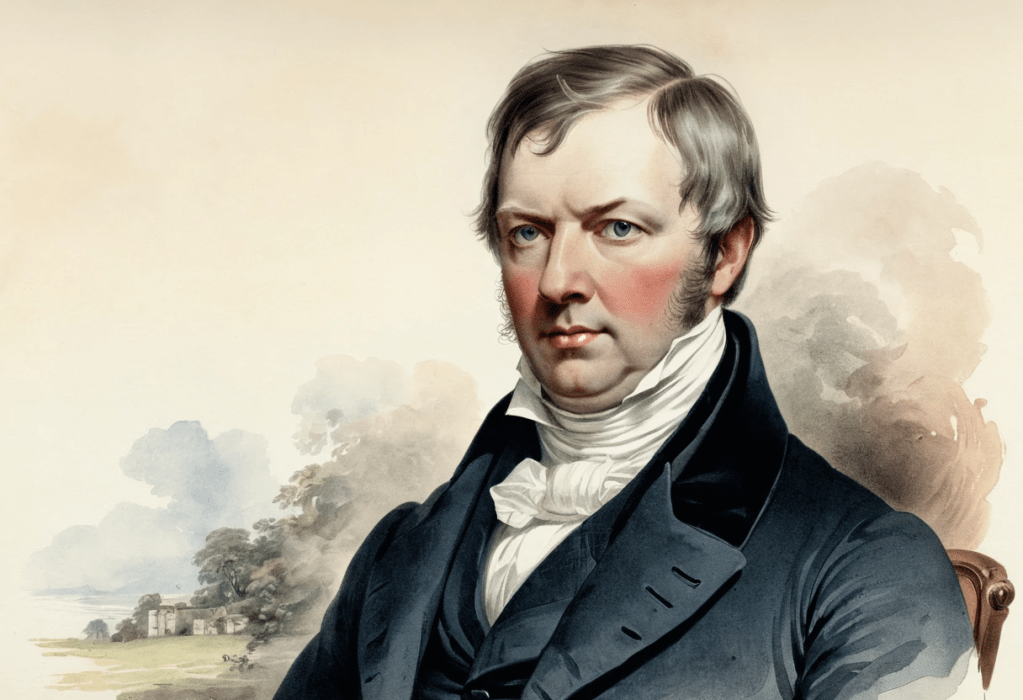
On September 21, 1832, Sir Walter Scott died, leaving English a legacy of romance, history, and national imagination. Through Waverley and Ivanhoe, he shaped the historical novel, revived chivalric vocabulary, and wove Scottish identity into English literature, ensuring his “Scottian romance” continues to define how culture remembers the past.
-
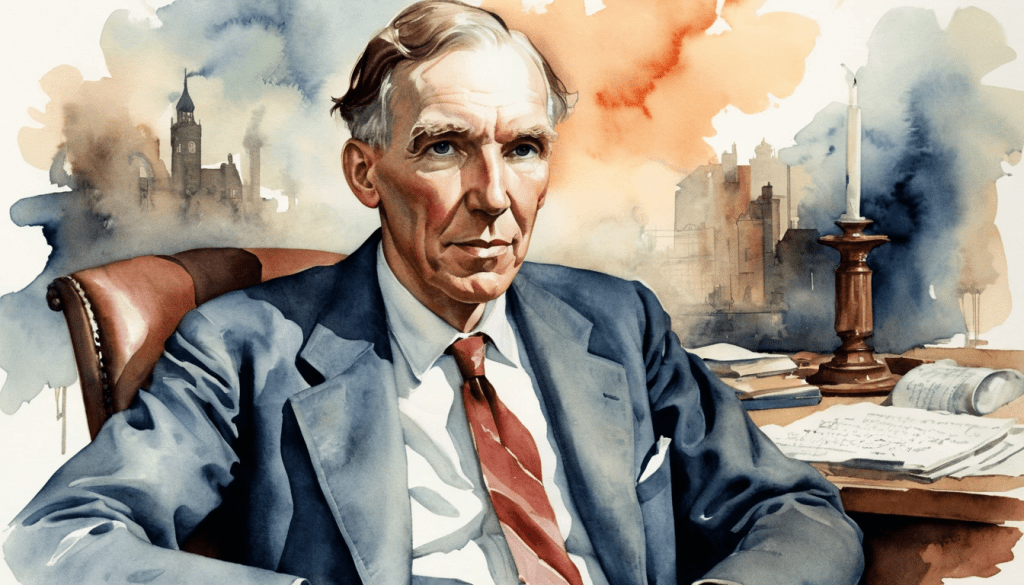
Born on September 20, 1878, Upton Sinclair reshaped English with a vocabulary of exposé, reform, and critique. The Jungle gave a lasting metaphor for exploitation, while The Brass Check exposed corrupt journalism. His muckraking style forged enduring idioms that still empower English to confront injustice and demand reform.
-
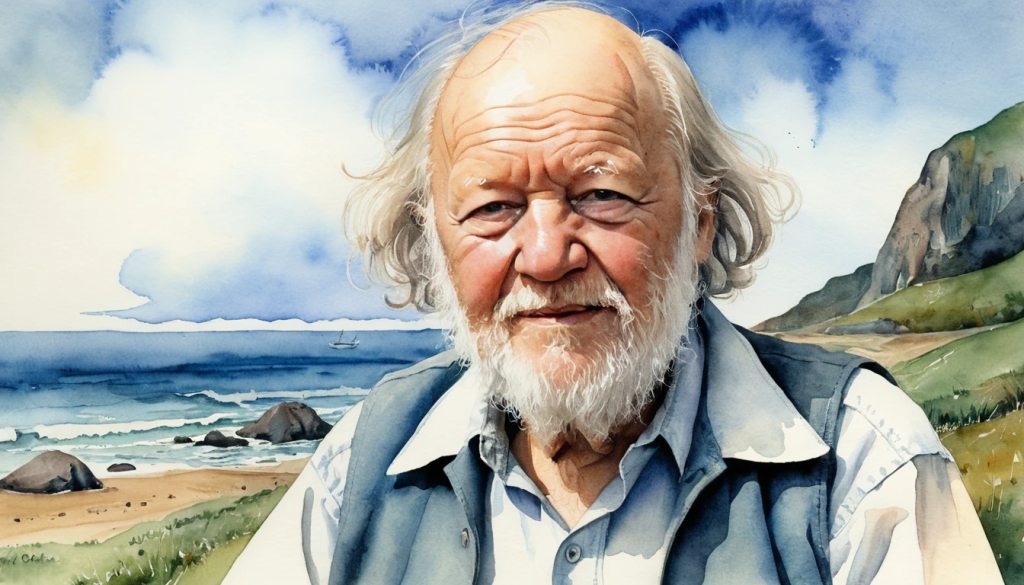
Born September 19, 1911, William Golding redefined English with symbolic myths of order and chaos. Lord of the Flies gifted enduring metaphors — the conch for fragile democracy, the title for savagery, and archetypal figures for humanity’s struggle. His Nobel Prize crowned a legacy of lasting cultural language.
-
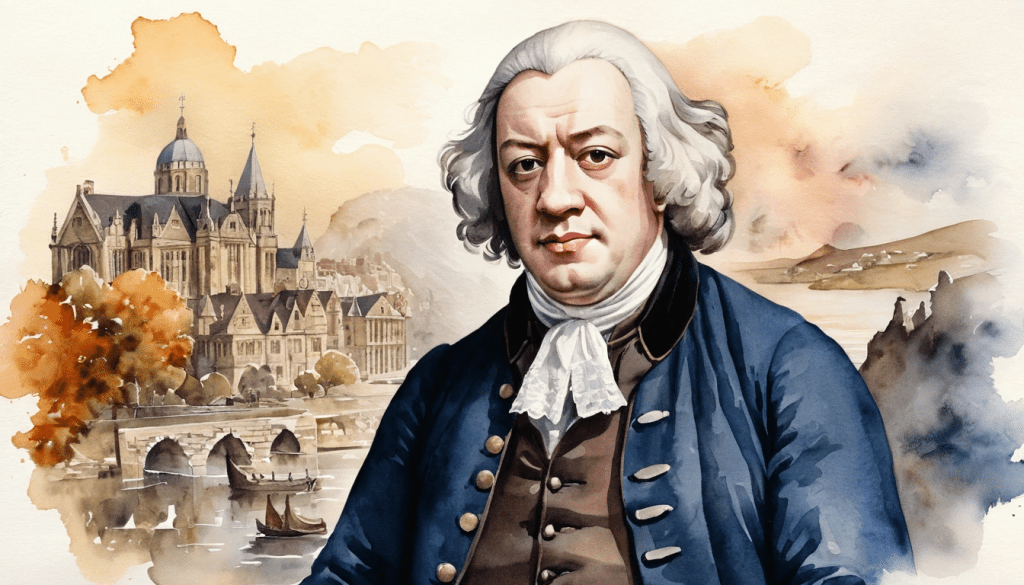
Born on September 18, 1709, Samuel Johnson gave English its first monumental dictionary, fixing spellings and meanings while enriching critical vocabulary. His essays, wit, and moral reflections shaped idioms, rhetoric, and literary criticism, leaving English with both linguistic structure and a voice of enduring authority.
 What Happened on This Day?