
What Happened on This Day?
-
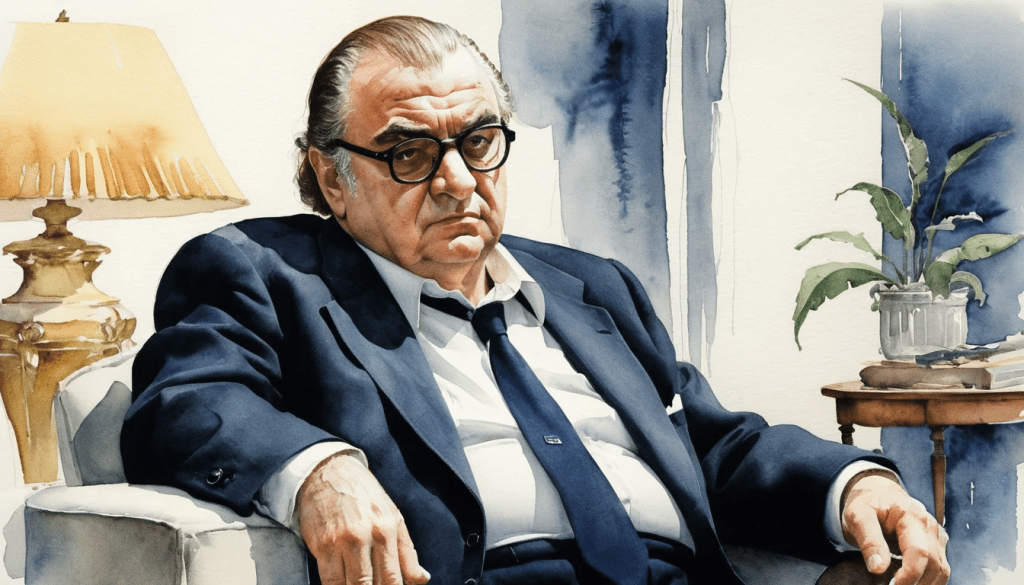
Born on October 15, 1920, Mario Puzo gave English its modern language of honor, loyalty, and power. With The Godfather, he transformed immigrant speech into cultural myth, turning everyday English into the voice of family, fate, and ambition — a timeless idiom of crime and conscience that reshaped world storytelling.
-
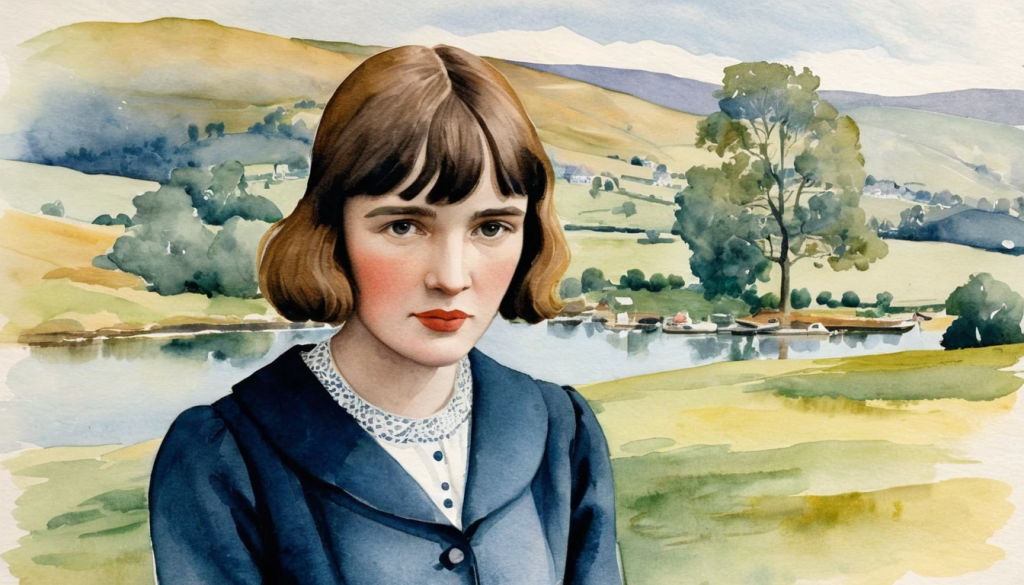
Born on October 14, 1888, Katherine Mansfield redefined English prose as a language of sensation and inner life. Her lyrical, impressionistic style transformed the short story into a form of emotional music, where silence, gesture, and fleeting awareness revealed truths too delicate for ordinary narration.
-
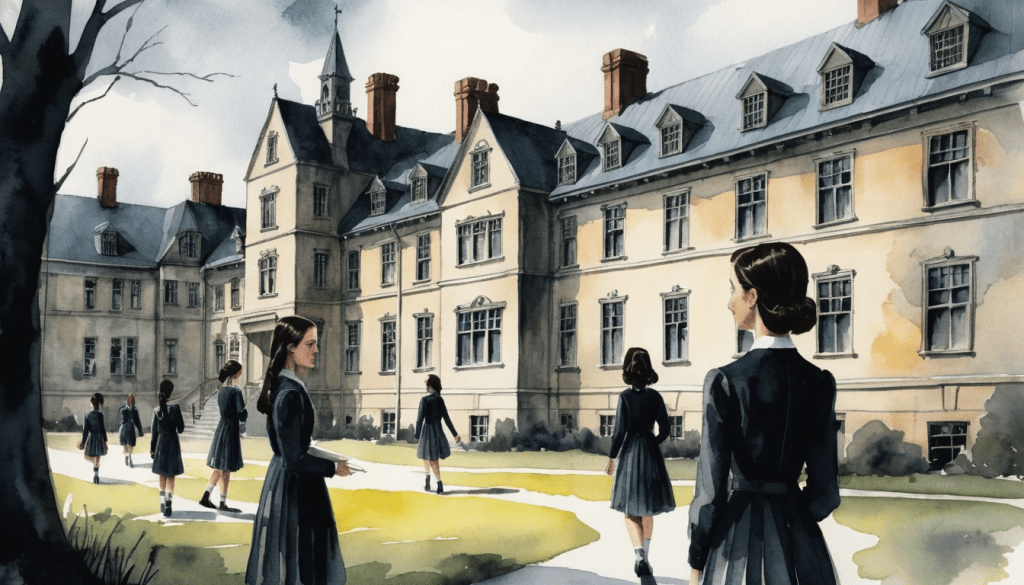
Born on October 13, 1931, Janice Elliott gave English fiction a voice of quiet brilliance. Her prose blended realism with dreamlike irony, exploring the fragility of identity and moral imagination. Whether writing for adults or children, she revealed how English could illuminate the subtle depths of human experience.
-
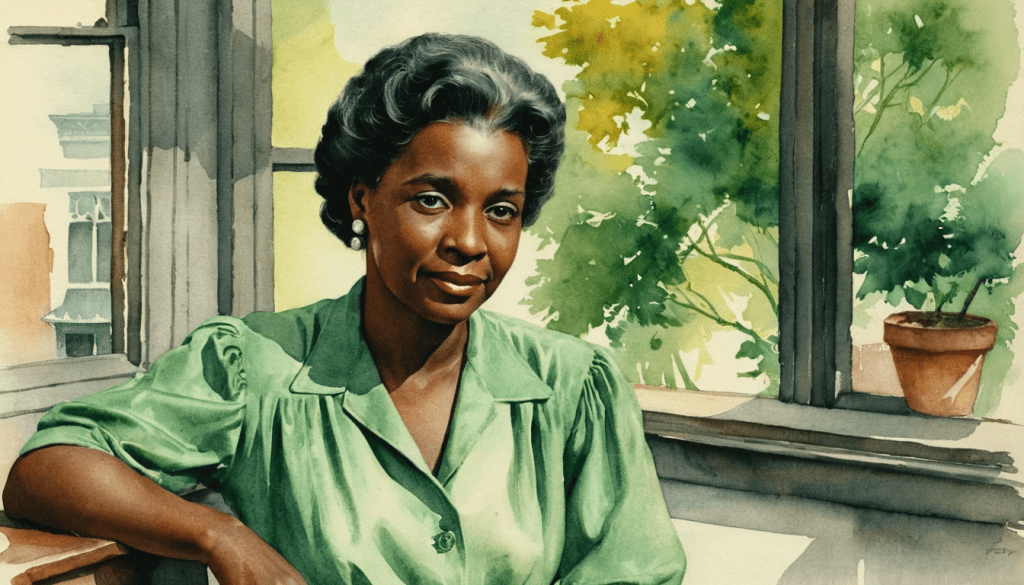
Born on October 12, 1908, Ann Petry gave English fiction a new moral rhythm. In The Street, she captured Harlem’s pulse — its struggle, beauty, and resilience — transforming English into a language of resistance. Her prose fused realism and empathy, making literature a mirror of both injustice and endurance.
-

Born on October 11, 1915, T. Llew Jones brought Welsh legend into the heart of British literature. Writing in Welsh, he proved that stories transcend language — his tales of courage and myth gave English readers an echo of Celtic song, reminding the world that imagination knows no borders.
-
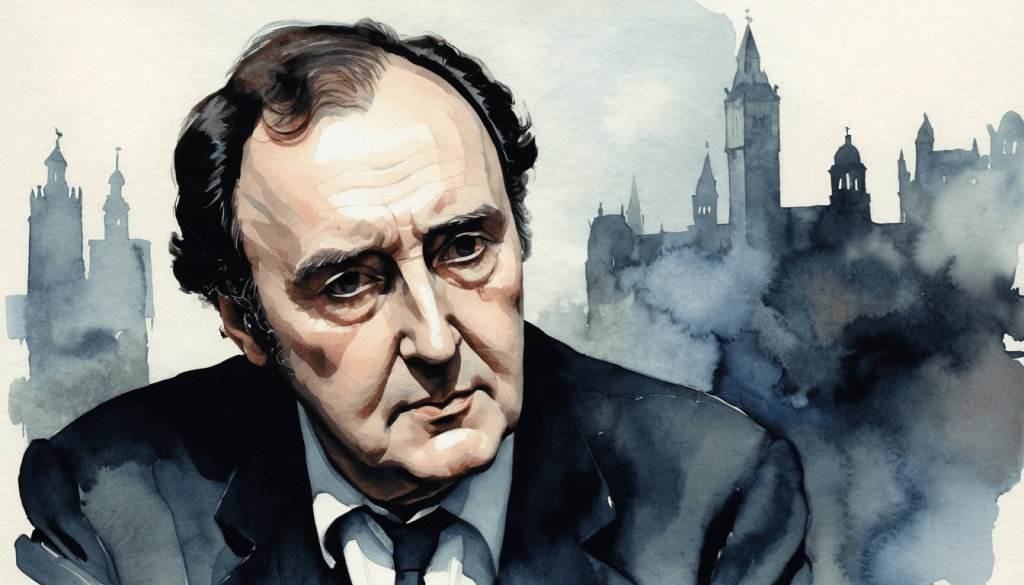
Harold Pinter transformed English drama by revealing the power of silence. His “Pinter pause” turned hesitation into meaning, making speech as much about what’s withheld as what’s said. Through menace, irony, and subtext, he taught English that words conceal truths — and that silence can echo louder than dialogue.
-
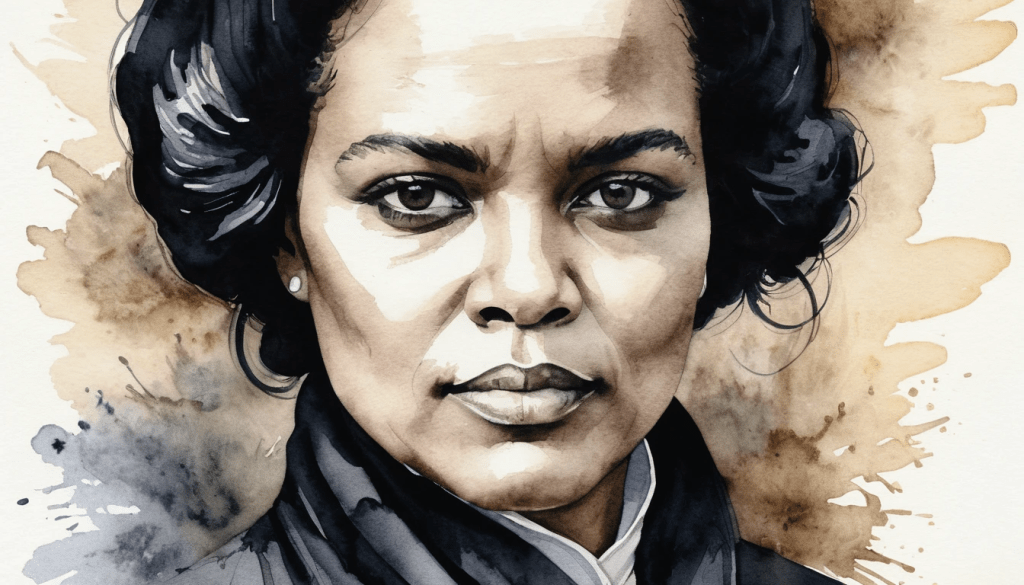
Born on October 9, 1823, Mary Ann Shadd Cary transformed English journalism into a language of freedom, equality, and moral purpose. As the first Black woman in North America to publish a newspaper, she redefined English as a voice for justice, education, and empowerment across boundaries of race and gender.
-
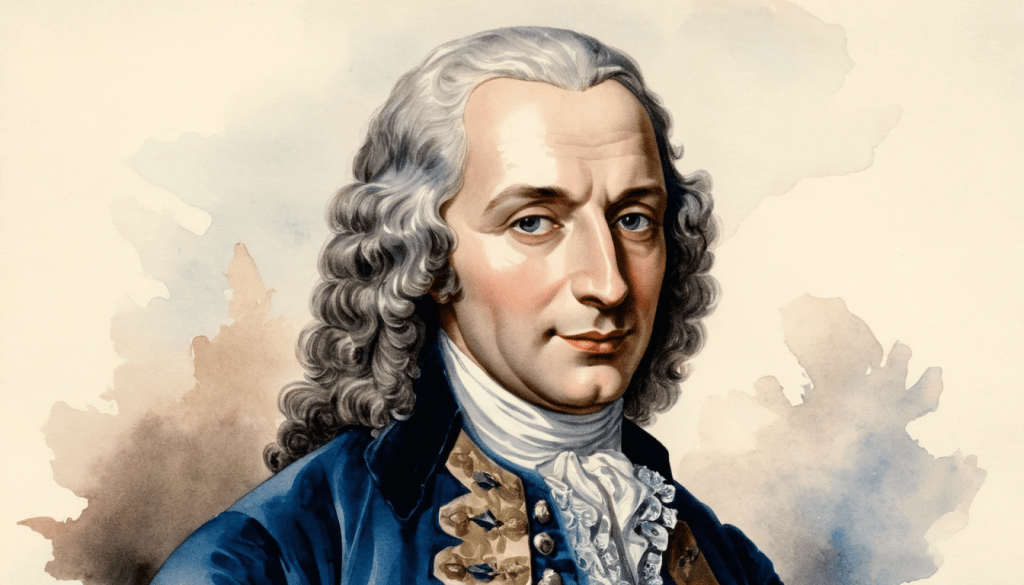
Henry Fielding gave English fiction its moral voice and comic spirit. Blending satire, realism, and philosophy, he turned storytelling into a mirror of virtue and vice. His “comic-epic in prose” shaped the modern novel—balancing laughter with law, and wit with wisdom for generations of readers.
-
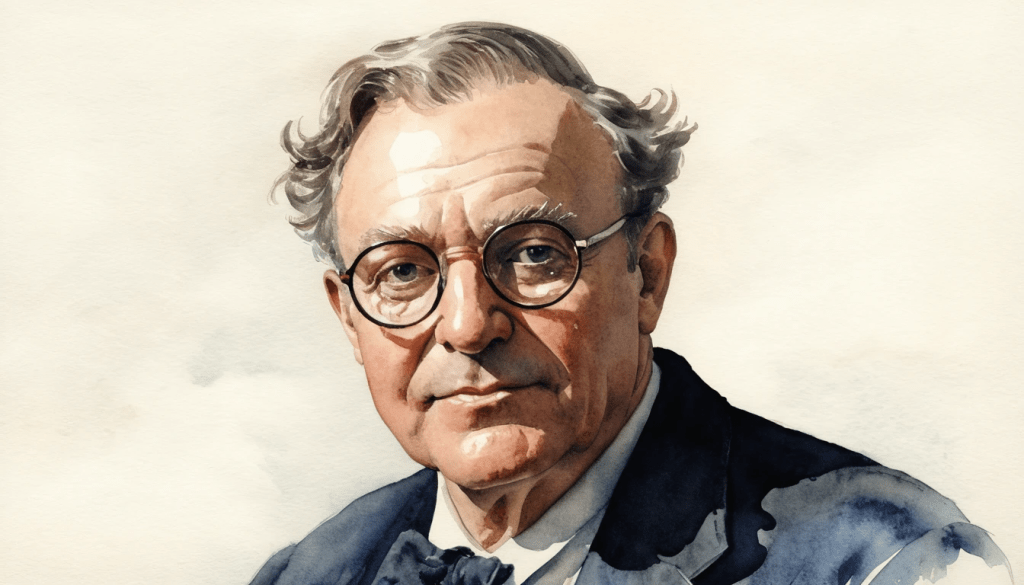
George Cram Cook gave English drama its American accent. As co-founder of the Provincetown Players, he championed authentic speech, regional rhythms, and psychological realism—turning everyday English into art. His vision made the stage a living space for ordinary voices to speak extraordinary truths.
-
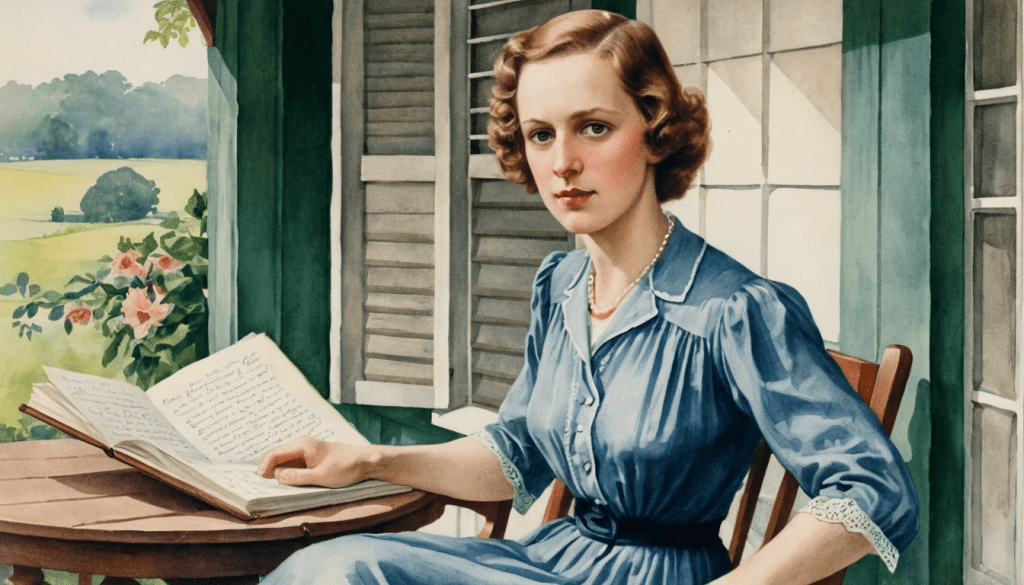
Born on October 6, 1895, Caroline Gordon gave English prose a rare harmony of Southern voice and classical form. Her fiction joined moral clarity with lyrical discipline, turning regional experience into universal art. Through her novels and criticism, English gained a language of conscience, structure, and enduring grace.
 What Happened on This Day?