
What Happened on This Day?
-
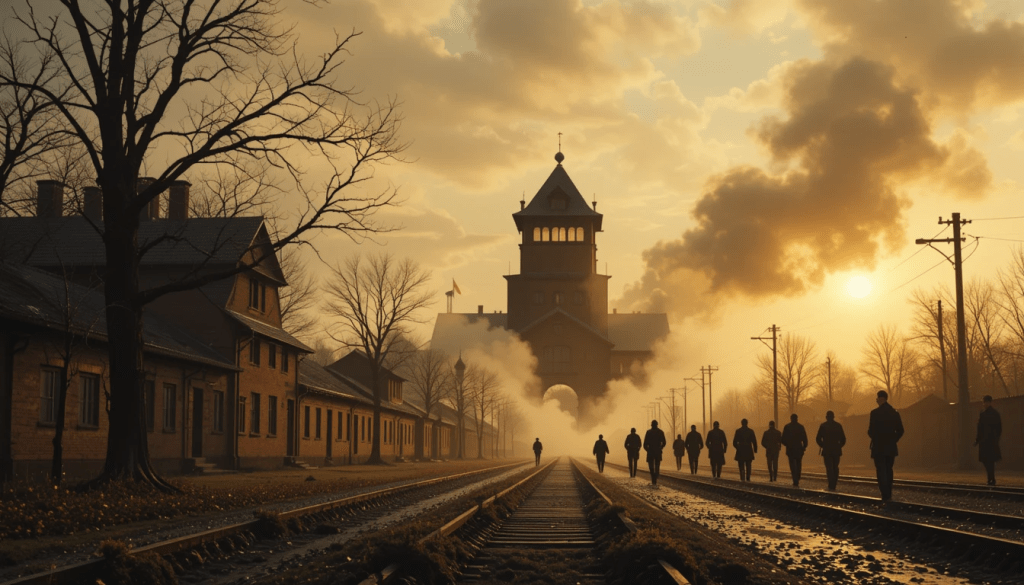
The liberation of Auschwitz on January 27, 1945, marked the end of unthinkable atrocities and redefined humanity’s understanding of justice and remembrance. Words like “genocide” and “crimes against humanity” gained prominence, shaping the global discourse on human rights, memory, and moral responsibility for future generations.
-

On January 28, 1813, Jane Austen’s Pride and Prejudice was published, redefining romantic fiction and English prose. Its groundbreaking narrative style, incisive social critique, and enduring themes of love and self-awareness cemented its place as a literary masterpiece, influencing writers and enriching the English language with timeless expressions and archetypes.
-
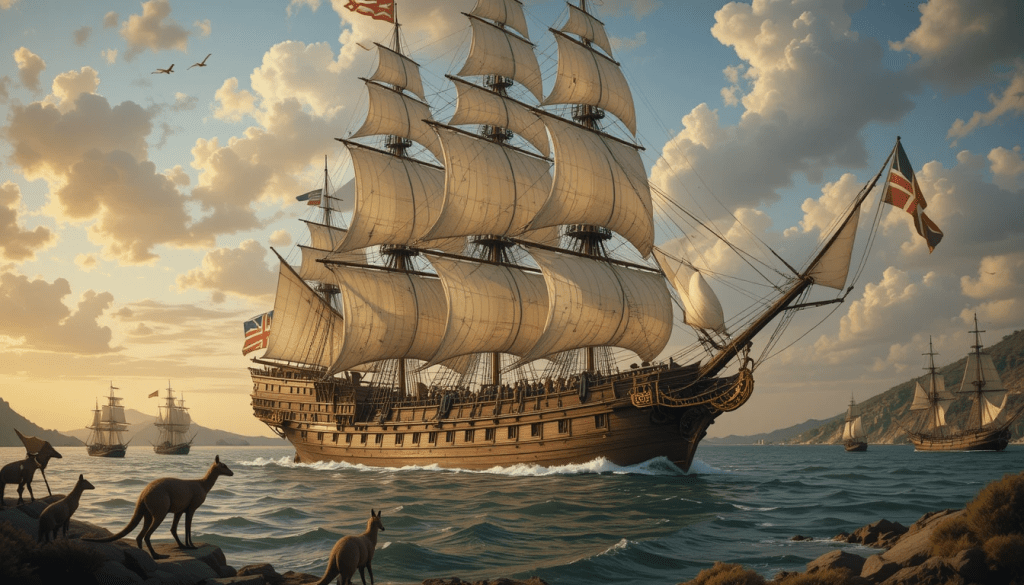
The First Fleet’s arrival in 1788 introduced English to Australia, blending British dialects with Aboriginal words and convict slang. This linguistic exchange birthed Australian English, a unique language shaped by the land, its people, and a resilient culture. Today, it reflects Australia’s diverse heritage and ongoing adaptation to a globalized world.
-
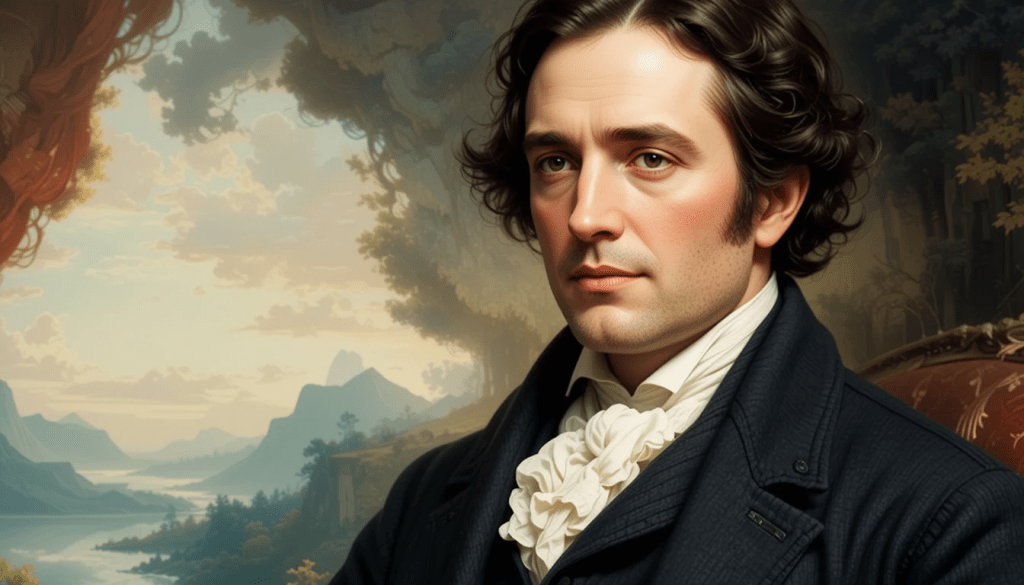
Born on January 25, 1759, Robert Burns elevated Scots language and culture through timeless poetry like To a Mouse and Auld Lang Syne. Celebrated globally on Burns Night, his works enriched English literature and preserved Scotland’s identity, leaving an enduring legacy of lyrical beauty, universal themes, and cultural pride.
-
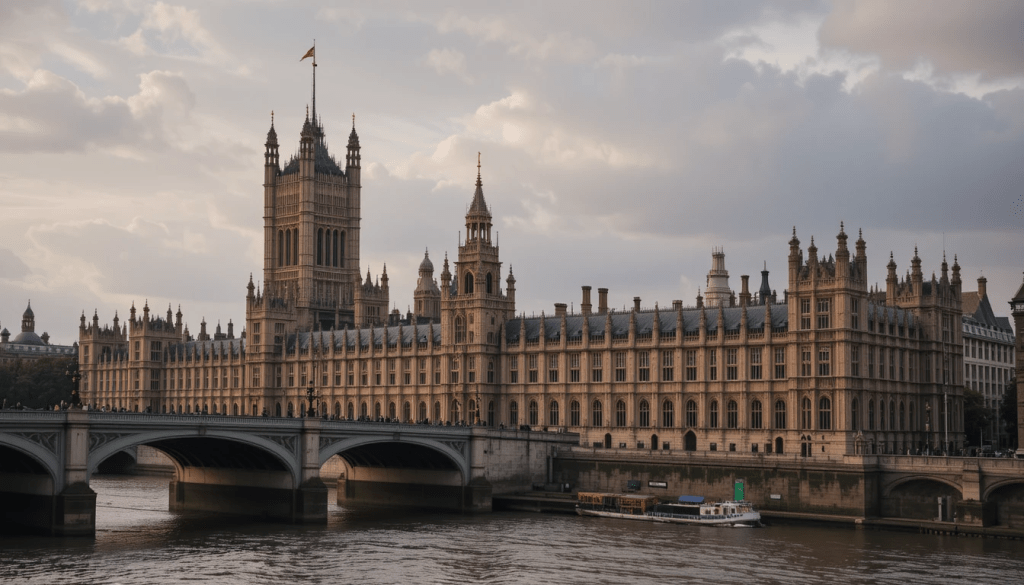
On January 20, 1265, Simon de Montfort convened England’s first Parliament, a groundbreaking assembly that introduced representation and democratic principles. This historic event also enriched English with key political terms like parliament, representative, and constituent, shaping governance, language, and democracy as we know them today.
-

Edgar Allan Poe, born January 19, 1809, redefined English literature with his psychological thrillers, Gothic narratives, and detective fiction. Through works like The Raven and The Tell-Tale Heart, he enriched language, introduced the macabre and unreliable narrators, and shaped literary genres, leaving an enduring impact on storytelling and cultural imagination.
-
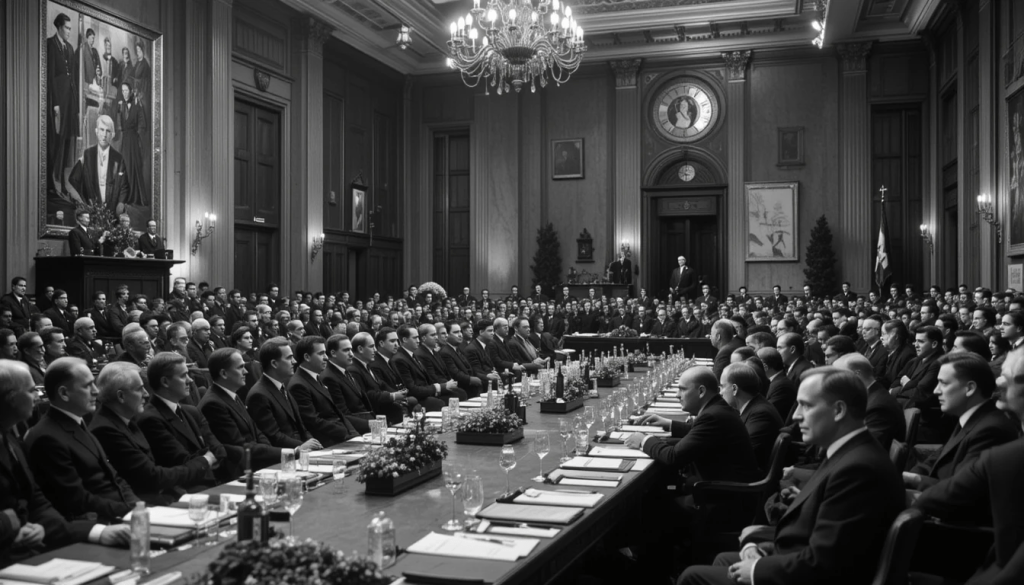
The Paris Peace Conference of 1919 redefined diplomacy, introducing terms like self-determination, mandate, and reparations. These words encapsulated the era’s evolving ideologies, transitioning from imperial dominance to sovereignty and global cooperation. Language became a powerful tool, bridging political ideals and public discourse while shaping modern discussions of governance and international relations.
-
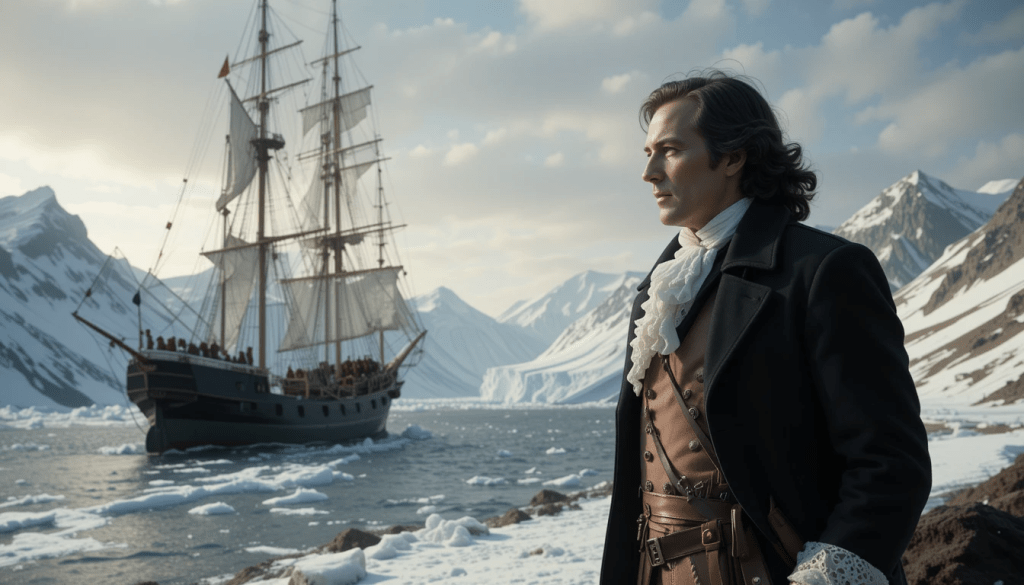
On January 17, 1773, Captain James Cook became the first to cross the Antarctic Circle, reshaping geography and enriching the English language. His pioneering journey introduced key terms like “Antarctic” and “iceberg,” transforming exploration, science, and culture, and laying the foundation for future expeditions and global curiosity.
-
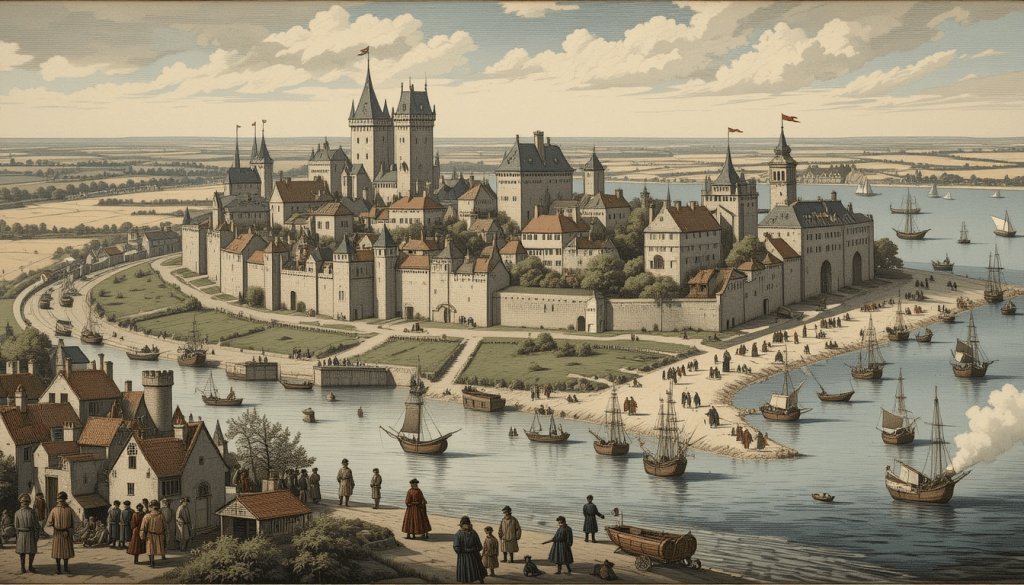
On January 7, 1558, the fall of Calais ended nearly 200 years of English rule in France, marking a turning point for England. This loss spurred a shift in national identity and culture, accelerating the rise of Modern English as the nation distanced itself from French influence and redefined its sovereignty.
-

On January 16, 1605, Cervantes’ Don Quixote debuted, revolutionizing literature with its complex narrative and enduring themes. Translated into English, it introduced words like “quixotic” and “tilting at windmills,” enriching the English lexicon and inspiring generations of writers. Its legacy transcends language, symbolizing the power of storytelling across cultures.
 What Happened on This Day?