
What Happened on This Day?
-
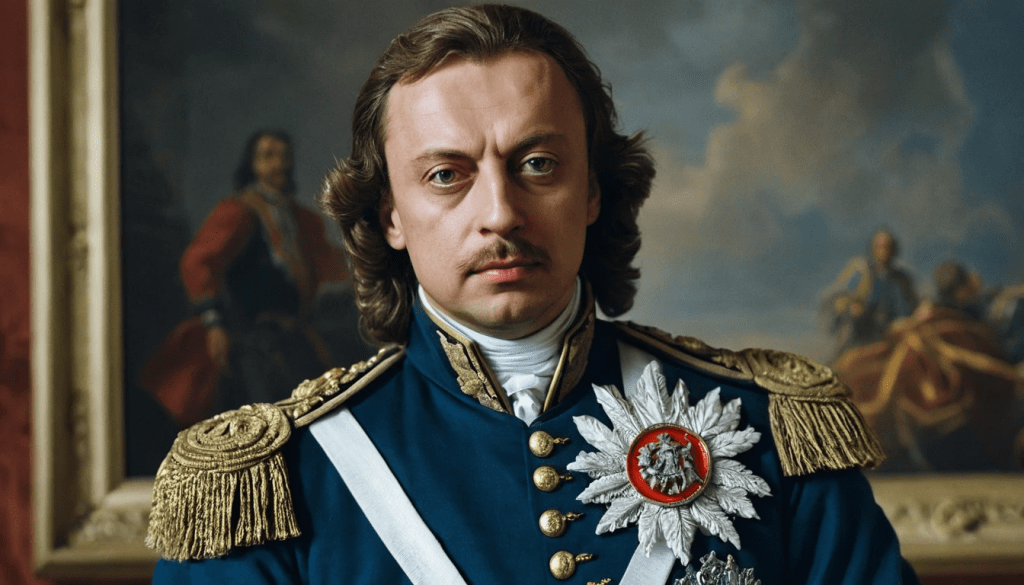
Peter the Great’s reign reshaped Russia’s global identity, integrating Western influences and fostering linguistic exchanges. Russian terms like “czar” and “Siberia” entered English, while English shipbuilding and diplomatic vocabulary enriched Russian discourse. His modernization efforts ensured that language remained a key bridge between Russia and the Western world.
-
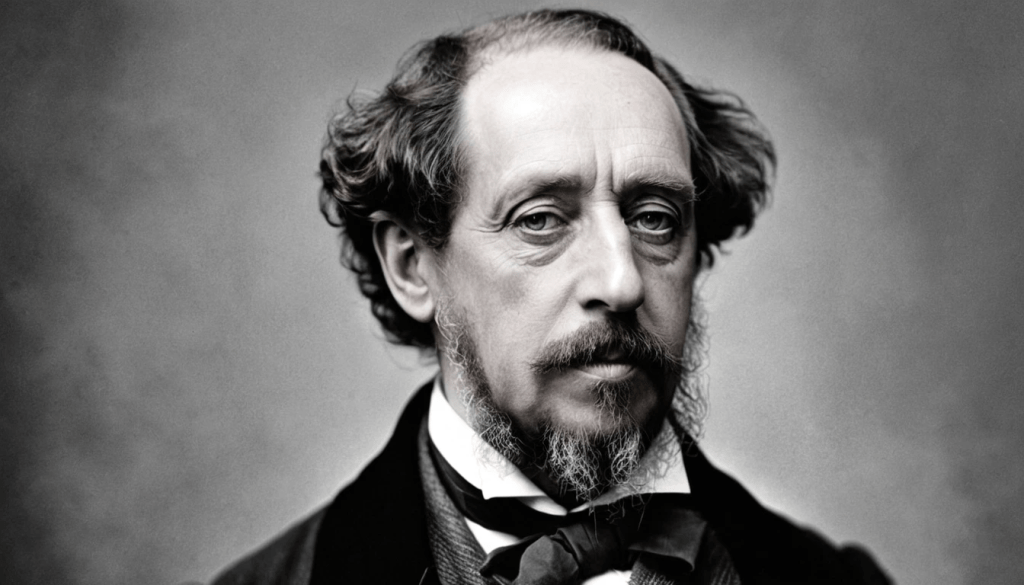
Charles Dickens revolutionized the English language with unforgettable characters, rich storytelling, and expressions like “Scrooge” and “Dickensian.” His works, from Oliver Twist to A Christmas Carol, shaped modern vocabulary, idioms, and serialized fiction, leaving an enduring literary and linguistic legacy that continues to influence writers, readers, and culture worldwide.
-
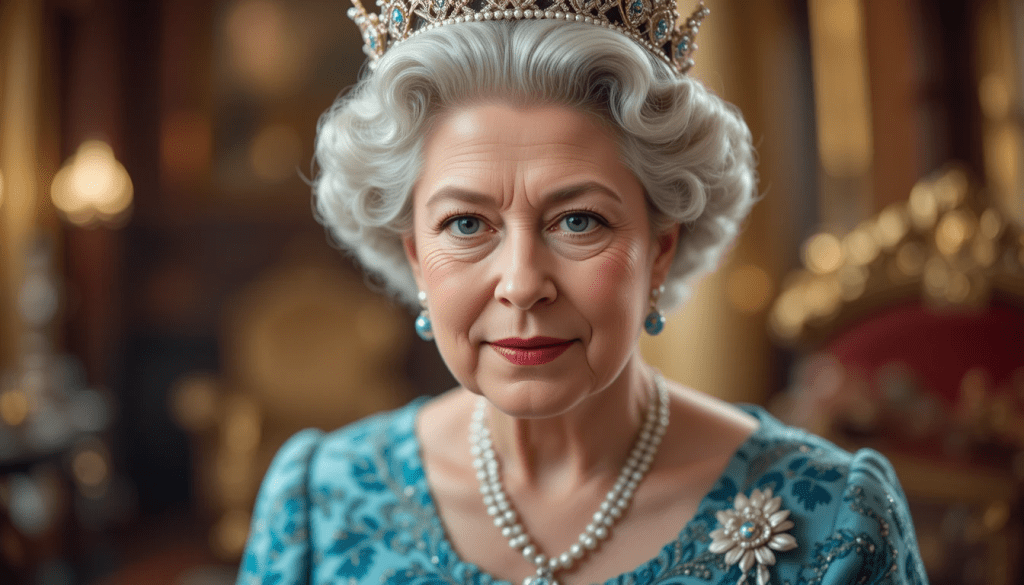
On February 6, 1952, Queen Elizabeth II ascended the throne, marking the start of a 70-year reign that shaped modern British English. Her speeches, royal terminology, and media influence introduced key phrases, reinforcing formal language while adapting to global changes, ensuring the monarchy’s linguistic impact remained relevant in the modern world.
-
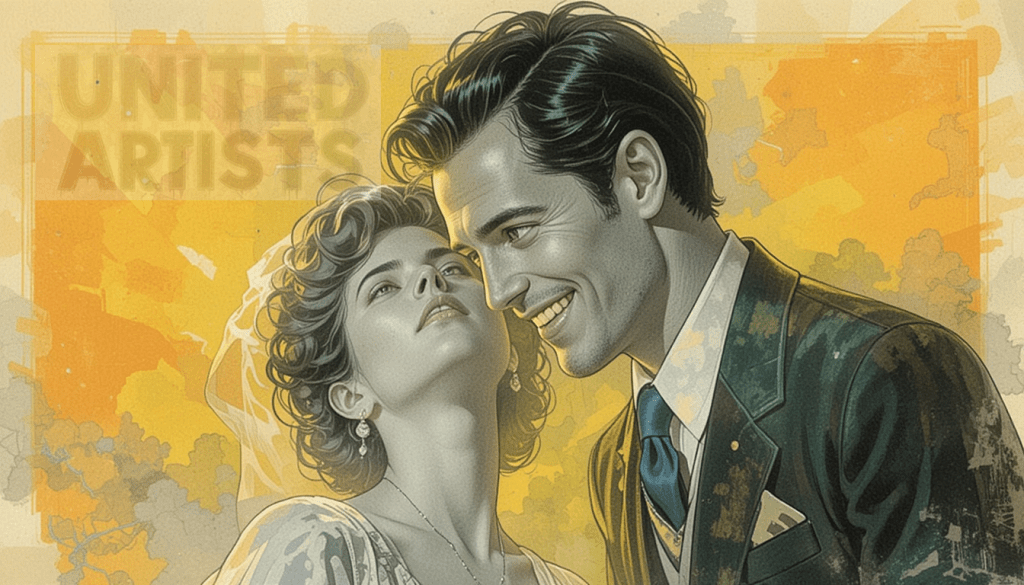
On February 5, 1919, United Artists revolutionized film by granting creative control to actors and directors. This shift influenced Hollywood’s language, popularizing terms like “silent film,” “talkies,” and “movie star.” The studio’s impact on storytelling and celebrity culture ensured its linguistic legacy would endure far beyond the golden age of cinema.
-
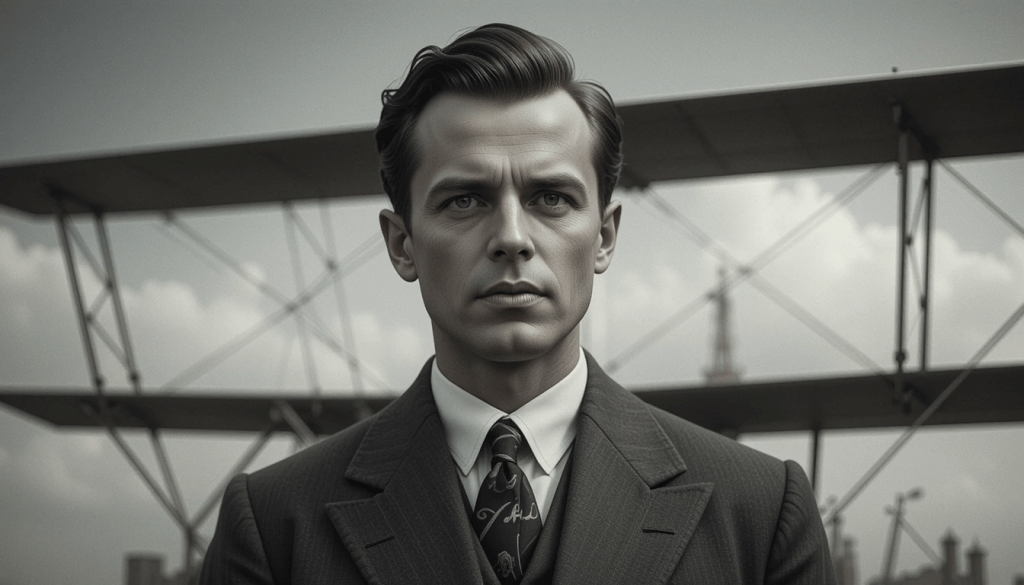
Charles Lindbergh’s historic 1927 solo transatlantic flight revolutionized aviation and introduced new terminology into English. Words like “aviator,” “nonstop flight,” and “take off” became mainstream, reflecting his impact on language and culture. His achievements shaped how we talk about flight, ambition, and success, leaving a lasting linguistic legacy.
-
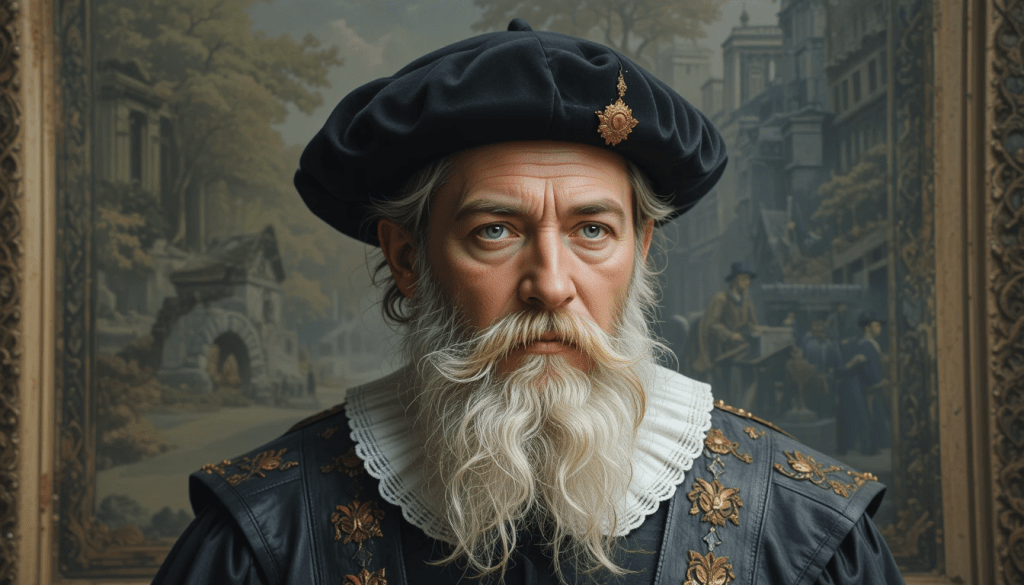
Johannes Gutenberg’s printing press revolutionized communication, standardizing English spelling and grammar while expanding vocabulary. It fueled literacy, religious reform, and journalism, shaping Modern English. The press democratized knowledge, making books widely accessible and fostering intellectual discourse. Today, its legacy endures in every printed page, influencing language and global thought.
-
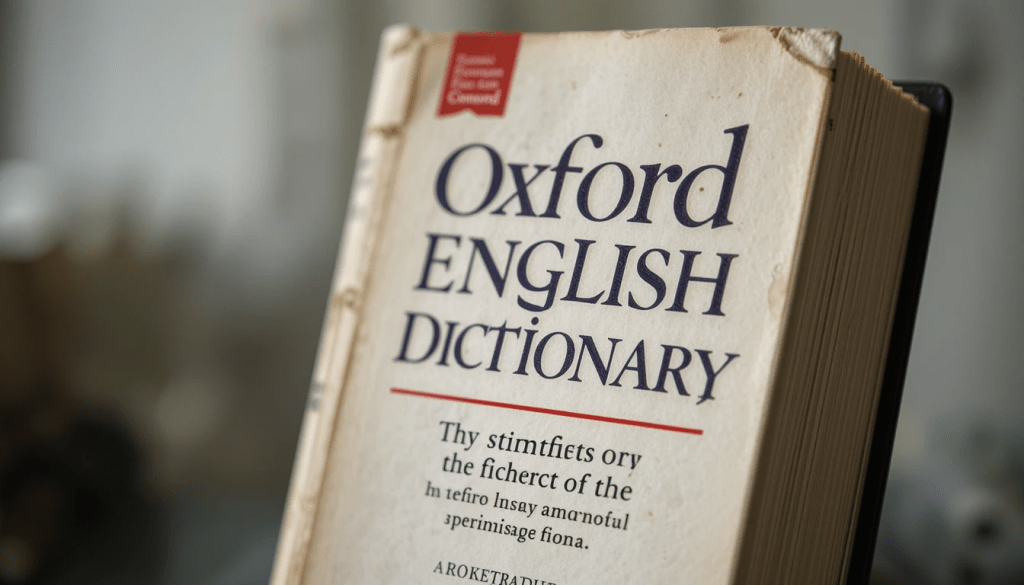
On February 1, 1884, the Oxford English Dictionary began its mission to document English in unprecedented detail. Tracing word origins, meanings, and usage, it became the definitive linguistic record, shaping literature, education, and research. Today, it remains an evolving testament to the richness and adaptability of the English language.
-

On January 31, 1606, the Gunpowder Plot conspirators were executed, leaving a lasting mark on history and language. Phrases like “Remember, remember the Fifth of November” and terms such as “treason” and “plot” emerged, shaping political discourse and culture to this day.
-
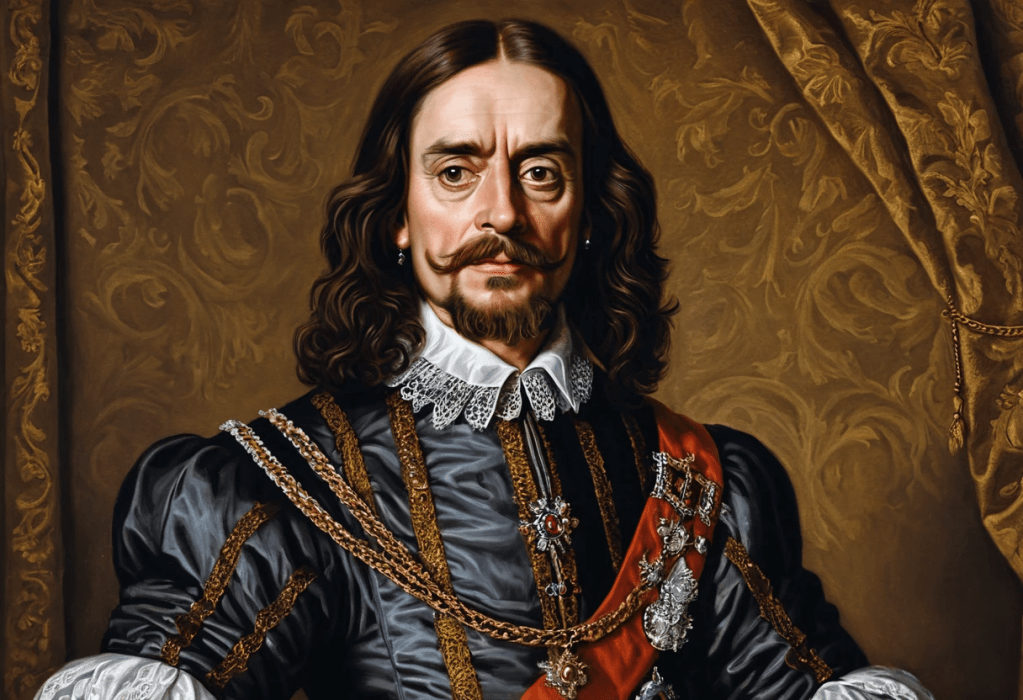
The execution of Charles I in 1649 redefined governance and political language. Terms like “regicide,” “tyranny,” and “treason” gained prominence, shaping discussions on power and justice. This event challenged monarchy, influenced later revolutions, and left a linguistic legacy still evident in political and legal discourse today.
-
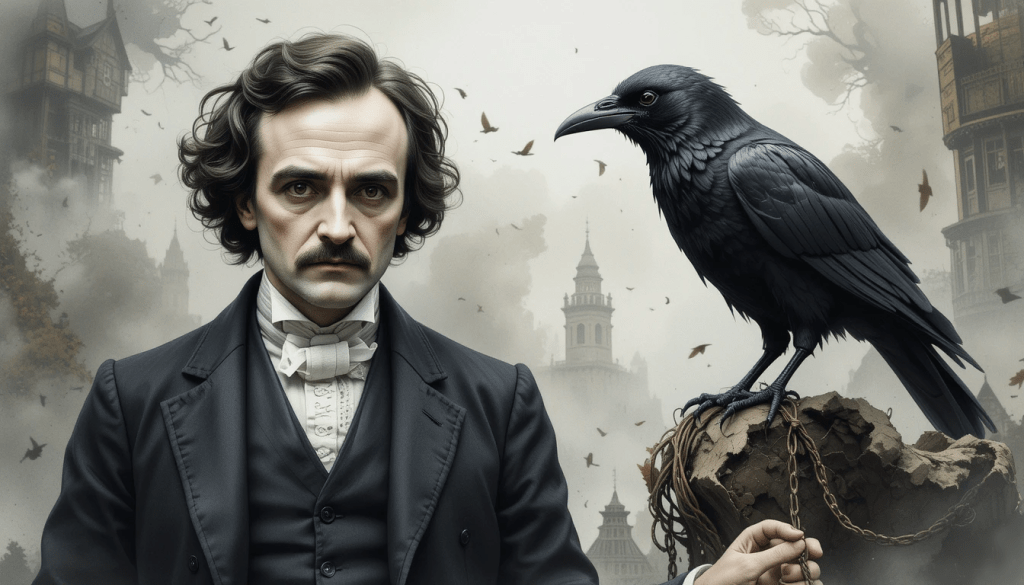
On January 29, 1845, Edgar Allan Poe’s The Raven was published, captivating readers with its haunting rhythm and melancholic themes. This Gothic masterpiece enriched the English language, introducing evocative phrases and shaping the vocabulary of mystery, horror, and sorrow, leaving an indelible mark on literature and popular culture.
 What Happened on This Day?