
2025 August
-
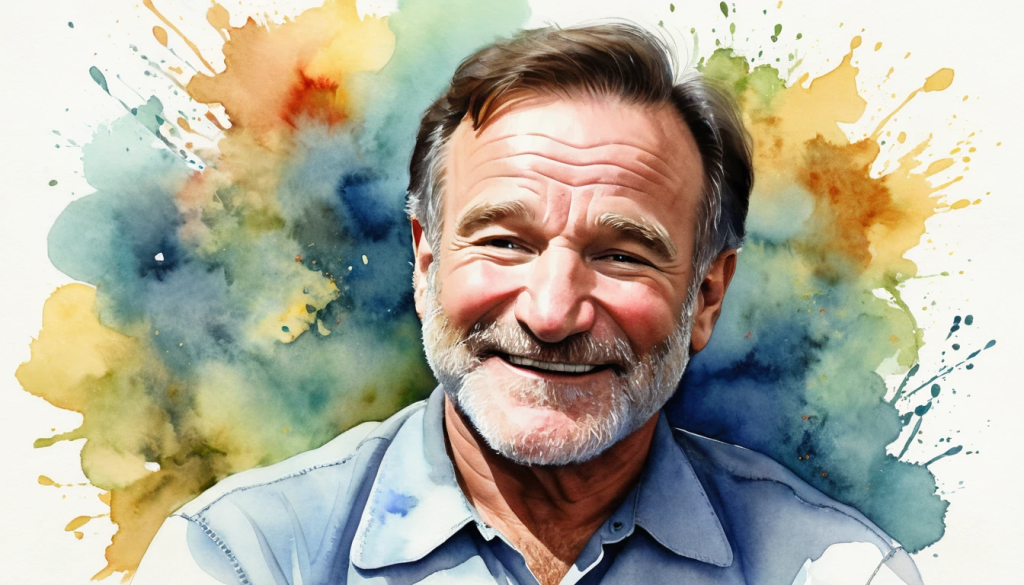
Robin Williams (1951–2014) transformed English comedic language with lightning-fast improvisation, new idioms, and eponymic adjectives like “Williamsian.” His performances fused humor and emotion, popularizing performance jargon in everyday speech and leaving a linguistic legacy that still defines how critics, fans, and comedians describe boundless comic creativity.
-

The 1908 electric guitar patent sparked a revolution in both music and language. It brought engineering jargon—like “amplifier,” “pickup,” and “feedback”—into everyday English, inspiring new metaphors and cultural slang that bridged technology, performance, and identity, forever amplifying the vocabulary of modern music.
-
On August 9, 1854, Thoreau’s Walden reshaped English literary, philosophical, and environmental language. Expressions like “to live deliberately” and “quiet desperation” endure, embedding simplicity, self-reliance, and harmony with nature into cultural and political discourse for over a century and a half.
-
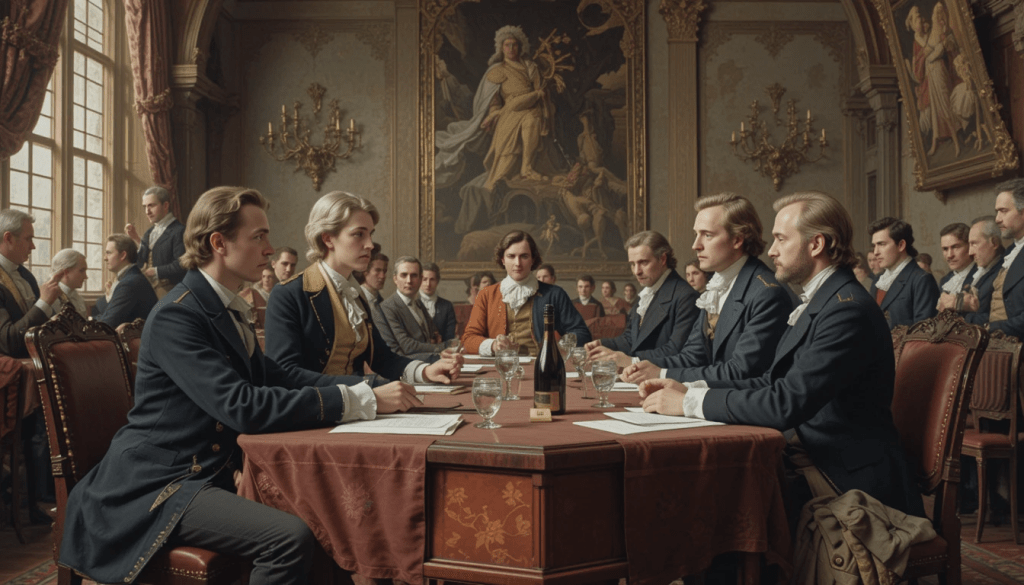
On August 8, 1814, peace talks in Ghent began, ending the War of 1812 and leaving a permanent mark on English political language. Terms like “Treaty of Ghent” and “status quo ante bellum” became enduring fixtures of diplomatic, journalistic, and historical discourse for over two centuries.
-
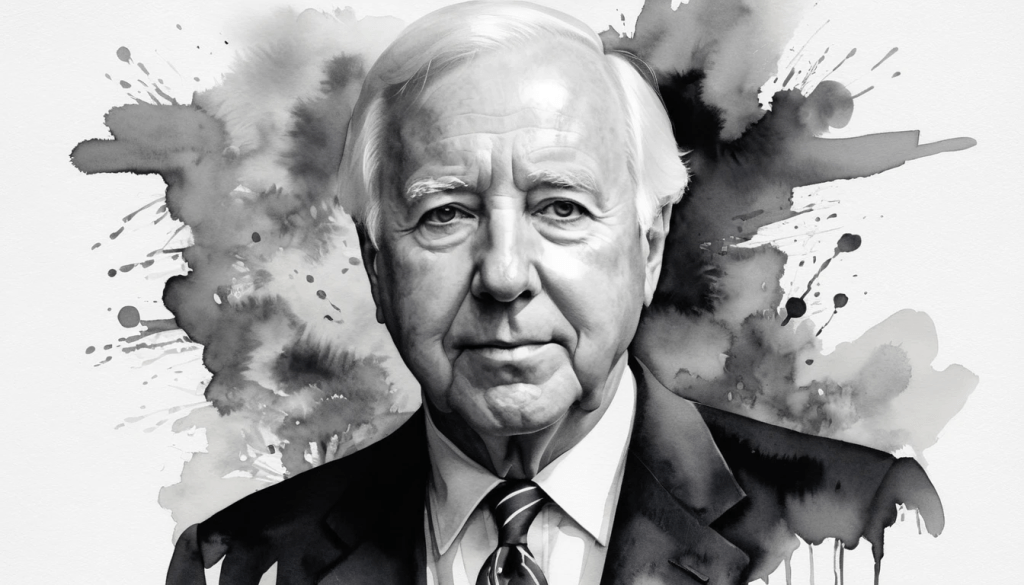
David McCullough redefined how English speakers write and hear history. Blending eloquence with factual depth, he shaped the tone of documentaries, biographies, and classrooms. His “readable history” style gave new life to civic language, inspiring a generation of storytellers who believe that history, when well-told, belongs to everyone.
-

The Hiroshima bombing on August 6, 1945, did more than launch the Atomic Age—it detonated a linguistic revolution. Terms like “fallout,” “ground zero,” and “nuclear deterrence” reshaped English, embedding moral, political, and existential weight into everyday language. Hiroshima became not just a place, but a metaphor for irreversible devastation.
-
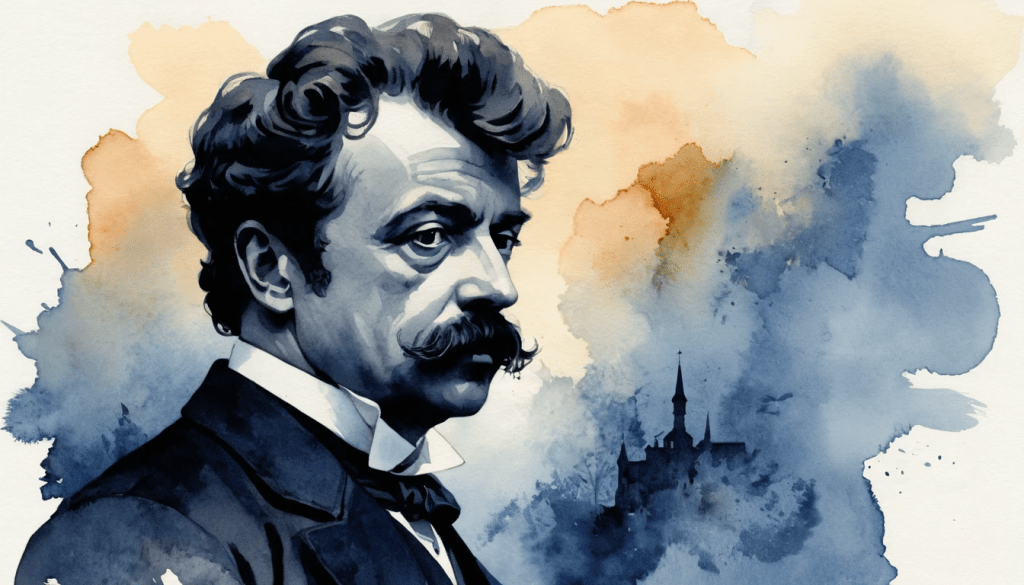
Though French by pen, Guy de Maupassant reshaped English fiction. His compact, emotionally charged stories introduced terms like naturalist fiction, literary economy, and psychological realism into English literary discourse. His style—precise, ironic, and deeply human—continues to influence how English describes the art of short-form storytelling and narrative realism.
-

Simon de Montfort’s death on August 4, 1265, sealed his role as a pioneer of English parliamentary language. His 1265 Parliament introduced terms like “commons” and “representation,” embedding a vocabulary of reform, resistance, and constitutional balance into English political discourse that continues to shape how democracy is spoken and imagined today.
-
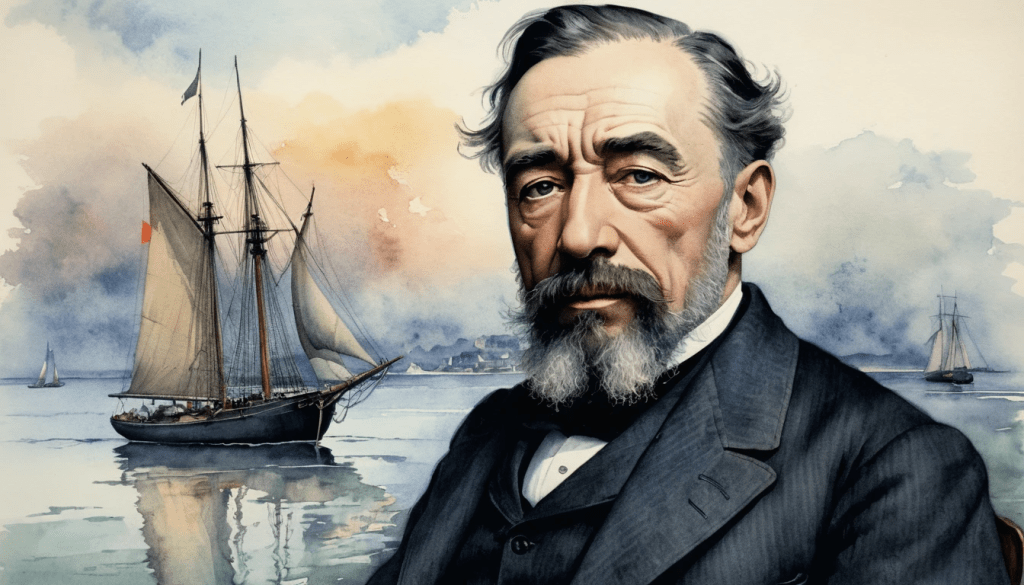
Joseph Conrad, though not a native speaker, redefined English prose through layered narrative, moral complexity, and imperial critique. His maritime metaphors and philosophical style reshaped literary vocabulary and gave rise to terms like Conradian and the heart of darkness, influencing modernist fiction and postcolonial discourse in enduring ways.
-
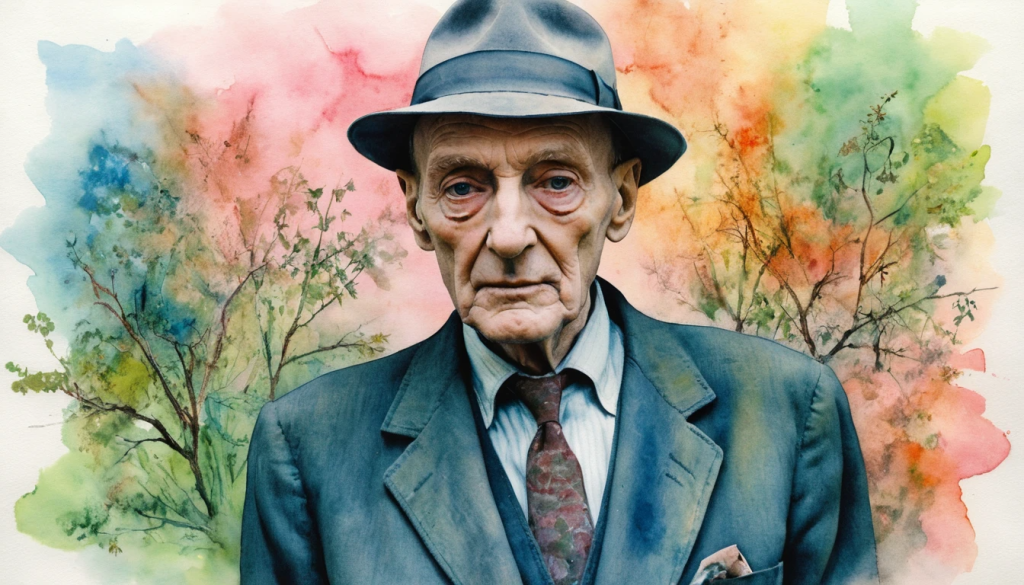
William S. Burroughs, who died on August 2, 1997, revolutionized English literature by dismantling narrative norms and injecting countercultural energy into language. His experimental syntax, raw themes, and coined expressions continue to influence modern writing, challenging readers to rethink how stories—and sentences—are told.
 What Happened on This Day?