
2025 December
-
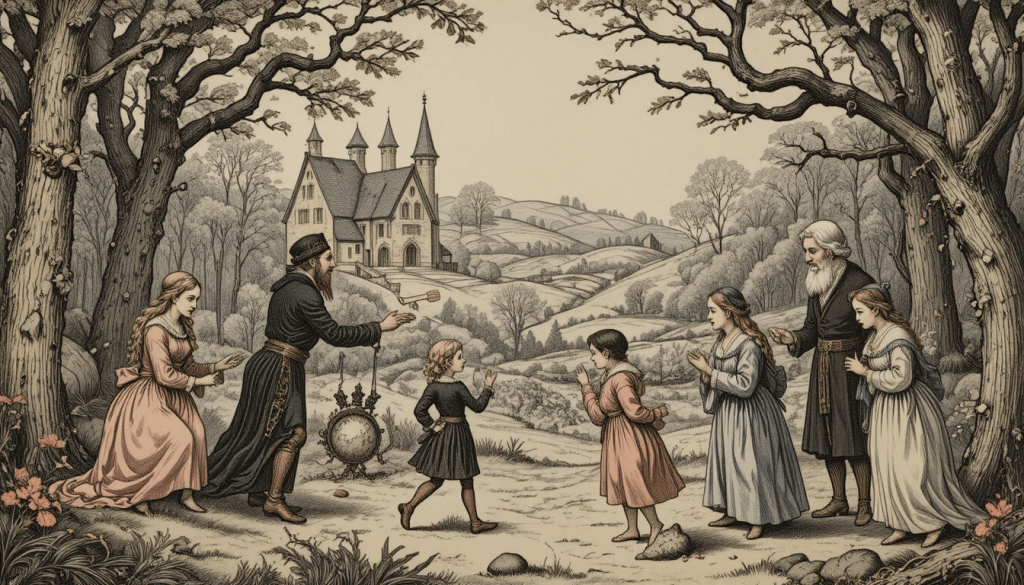
On December 20, 1812, the Brothers Grimm transformed oral folklore into permanent literature. By fixing communal tales in print, they shaped the deep narrative structures of English storytelling—trials, transformations, and moral logic—laying foundations for children’s literature, fantasy, and modern myth across generations of English writers.
-
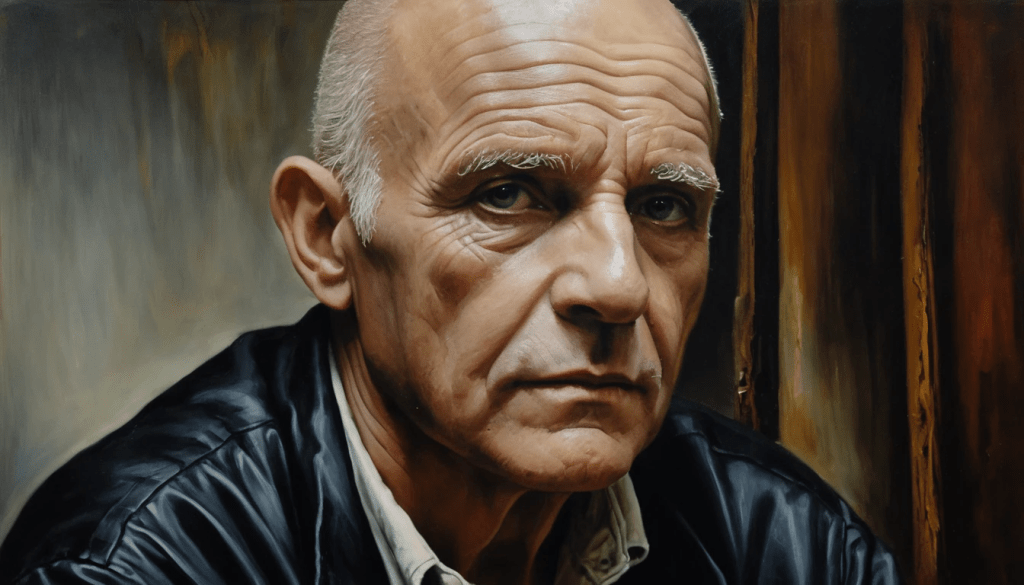
Born December 19, 1910, Jean Genet reshaped modern drama and literary thought in English through translation and performance. His ritualistic, confrontational language challenged realism, power, and identity, forcing English theatre and criticism to confront marginality as aesthetic force and political stance rather than subject matter.
-
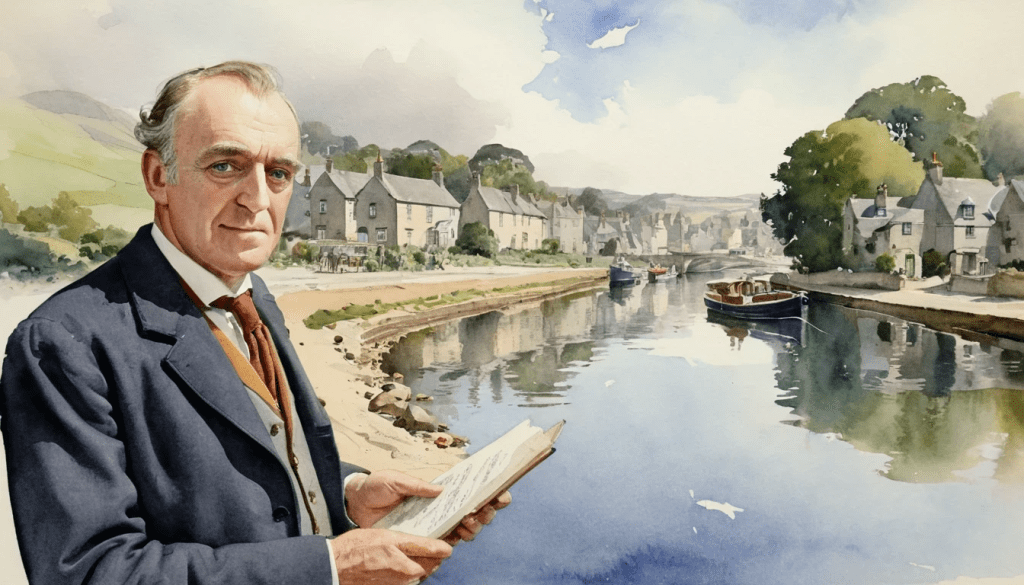
Born December 18, 1870, Saki sharpened English prose into a calibrated weapon. Through precision, irony, and restraint, his stories expose cruelty beneath civility. A single sentence can overturn hierarchies, deny comfort, and end illusions. He proved that wit, perfectly timed, wounds deeper than noise. Calm language became lethal by design.
-
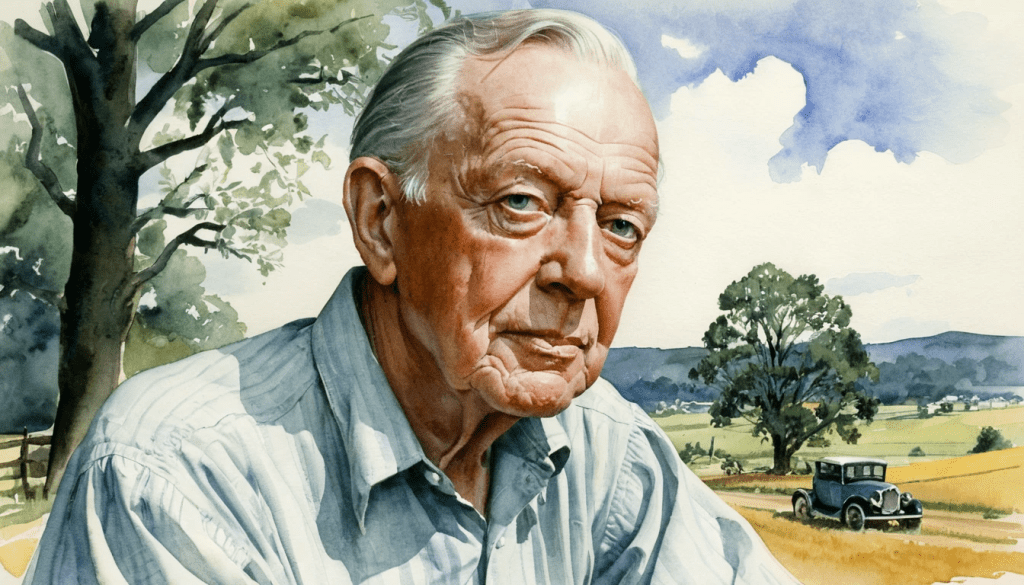
Erskine Caldwell reshaped American English by forcing it to speak in voices long ignored. His fiction used rural Southern dialect and blunt realism to expose poverty, inequality, and discomfort. English became less refined but more truthful, carrying social evidence instead of polish, and insisting that marginalized speech deserved narrative authority.
-
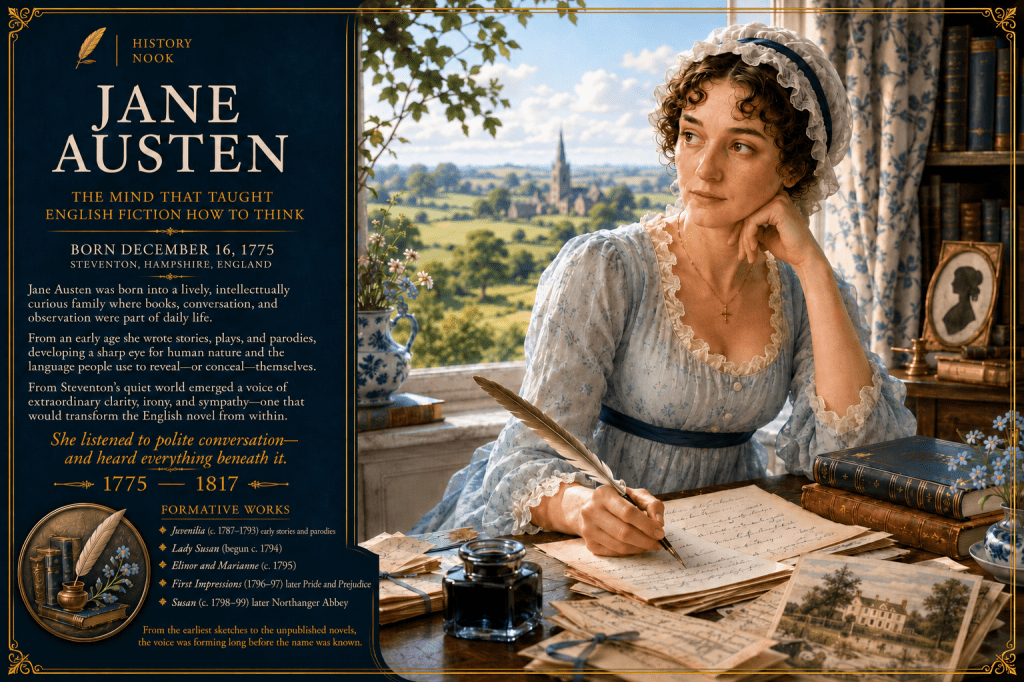
How did a rector’s daughter writing comic stories for her family develop the voice that would transform English fiction from within?
-
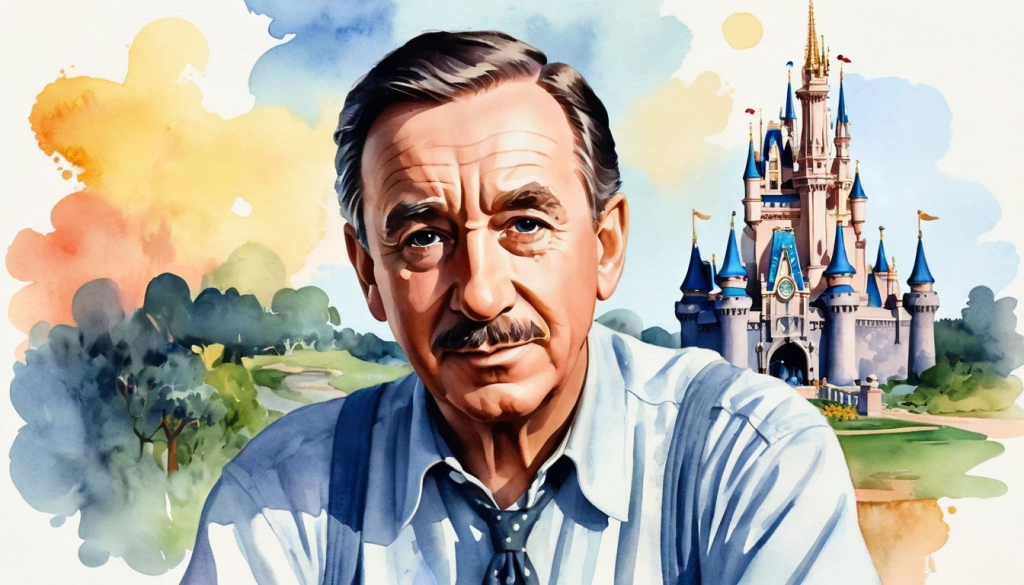
Walt Disney reshaped English storytelling without writing novels. By adapting folklore and classics into emotionally clear, repeatable narratives, he standardized how English-speaking audiences learn stories. His films became cultural reference points, teaching structure, morality, and myth through shared images, music, and memory across generations.
-
Roald Amundsen Reaches the South Pole (1911) – When Exploration Rewrote English Narrative Nonfiction
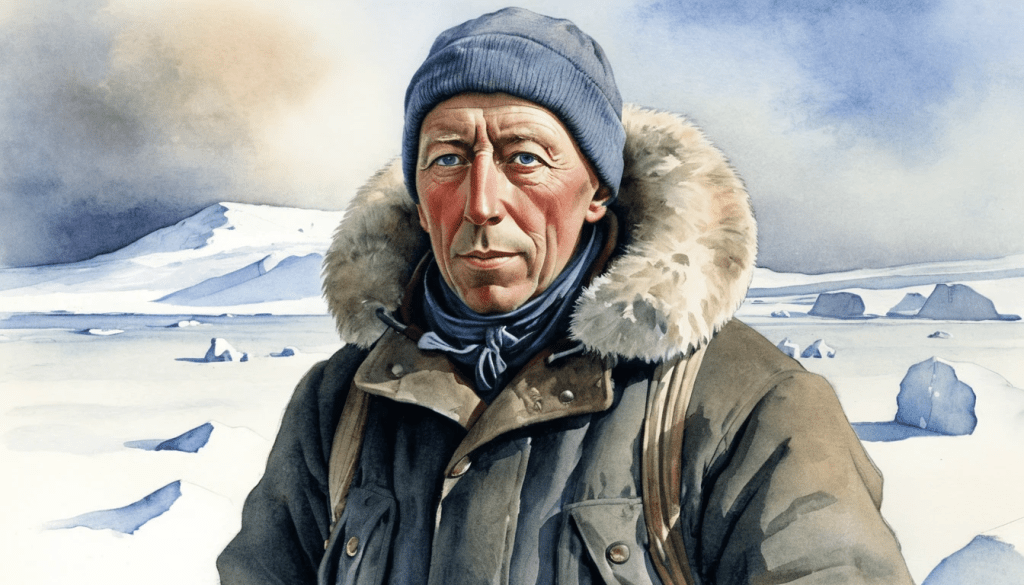
On December 14, 1911, Roald Amundsen reached the South Pole, sparking a transformation in English nonfiction. Diaries and memoirs turned extreme exploration into a new narrative form—precise, restrained, and reflective—where endurance, survival, and judgment reshaped how English told stories at the edge of human experience.
-
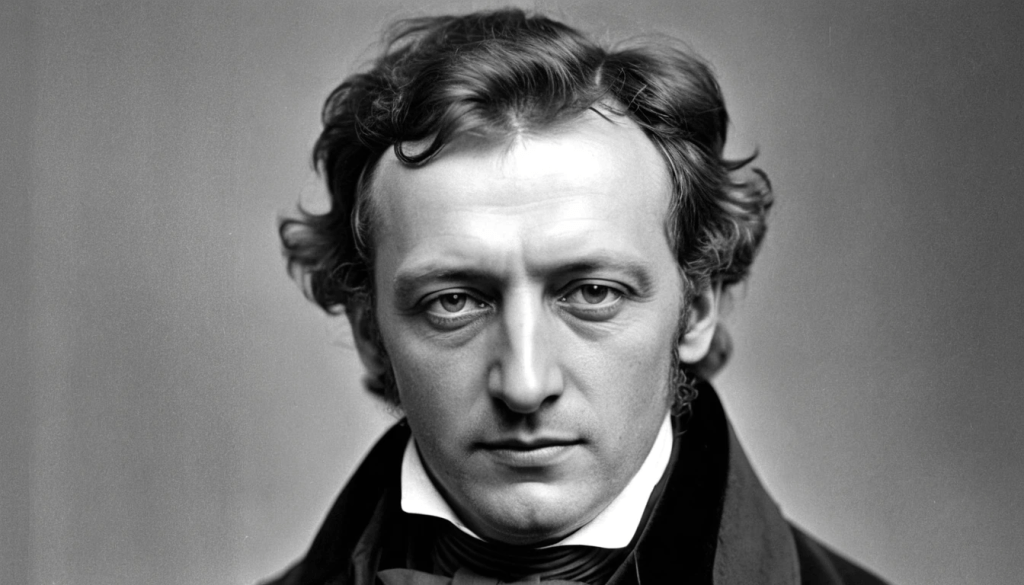
Born in 1797, Heinrich Heine reshaped English poetry without writing a line in English. Through translation and song, his lyrical brevity, irony, and musical clarity taught English verse to balance feeling with skepticism—showing that poetry could sing sweetly while smiling knowingly at itself.
-
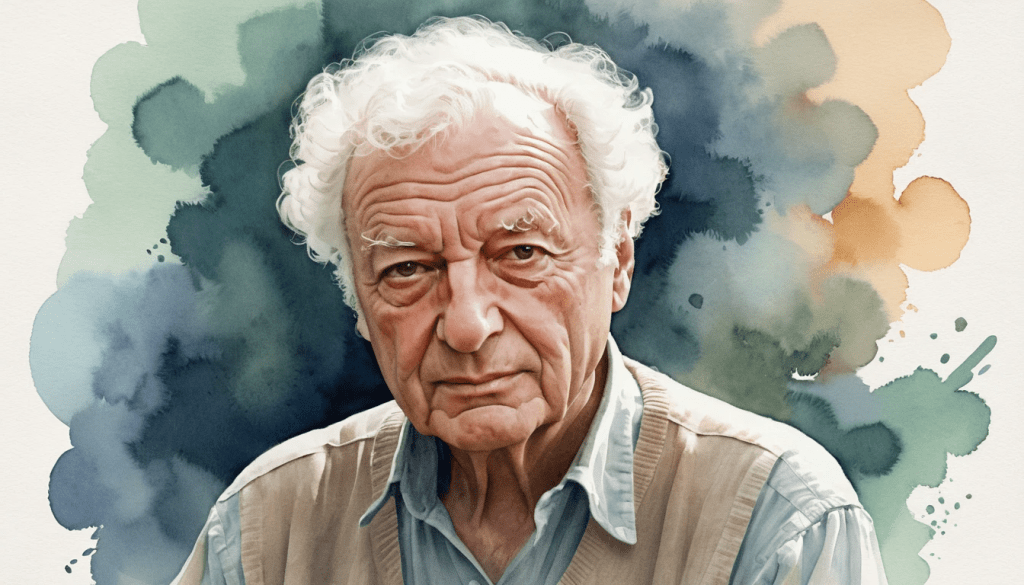
Joseph Heller transformed English-language satire by exposing the absurdity of bureaucratic logic and institutional speech. With Catch-22, he introduced a lasting idiom, reshaped the war novel, and showed how English can both reveal and distort reality. His work endures as a critique of power, language, and contradiction.
-
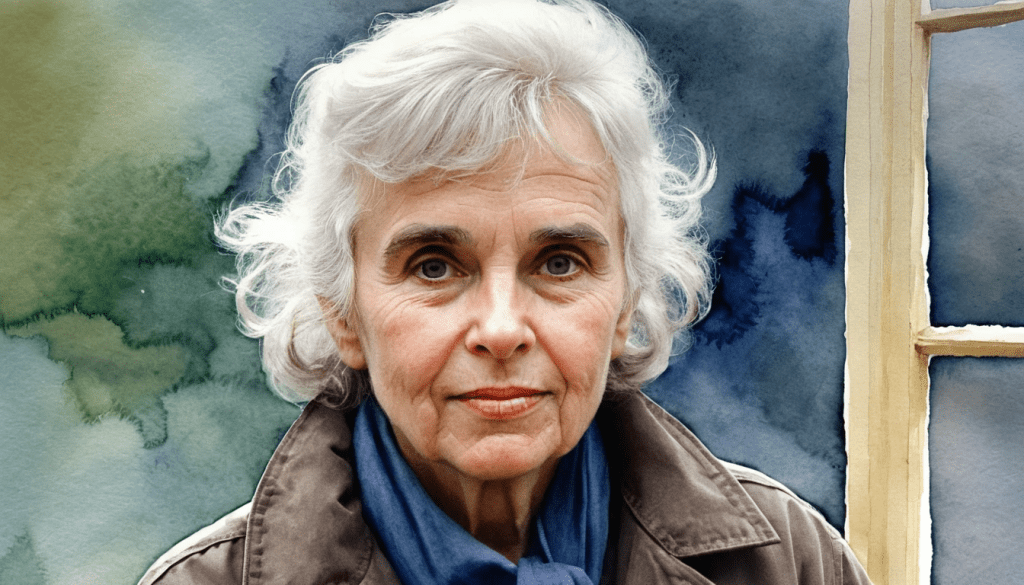
Grace Paley transformed English literature by elevating the rhythms of everyday speech into art. Her vibrant, voice-driven stories revealed how ordinary conversations could carry humor, struggle, tenderness, and political insight. She proved that the spoken English of real communities was not only literary, but revolutionary.
 What Happened on This Day?