
October 2024
-
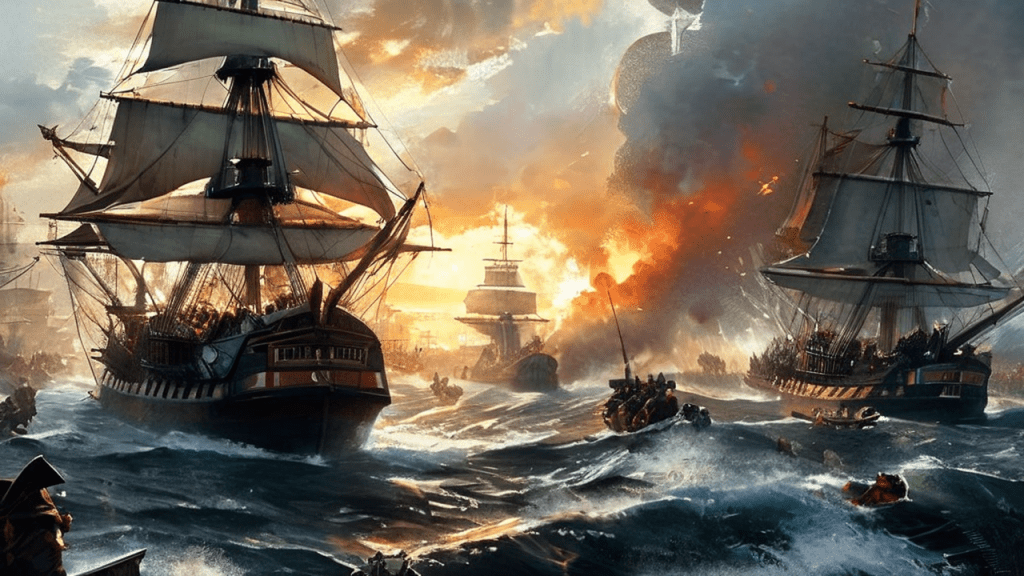
October 21, 1805 On October 21, 1805, the British Royal Navy, under the command of Admiral Horatio Nelson, achieved a decisive victory over the combined French and Spanish fleets at the Battle of Trafalgar. This naval triumph not only cemented Britain’s dominance of the seas but also had a far-reaching impact on the expansion of…
-

October 20, 1955 On October 20, 1955, J.R.R. Tolkien’s The Return of the King, the third and final volume of The Lord of the Rings trilogy, was published, cementing Tolkien’s legacy as one of the most influential authors in modern English literature. Tolkien’s work had a profound and lasting impact not only on fantasy literature…
-

October 19, 1453 On October 19, 1453, the Battle of Castillon concluded, marking the official end of the Hundred Years’ War between England and France. This conflict, which had lasted over a century, profoundly influenced not only the political and social landscape of England but also its language. With the end of the war, England…
-

October 18, 1954 On October 18, 1954, Texas Instruments announced the first commercially available transistor radio, a device that revolutionized not only technology and media consumption but also the English language. The transistor radio made it possible for people to carry music, news, and entertainment with them, transforming radio from a stationary, home-based activity into…
-
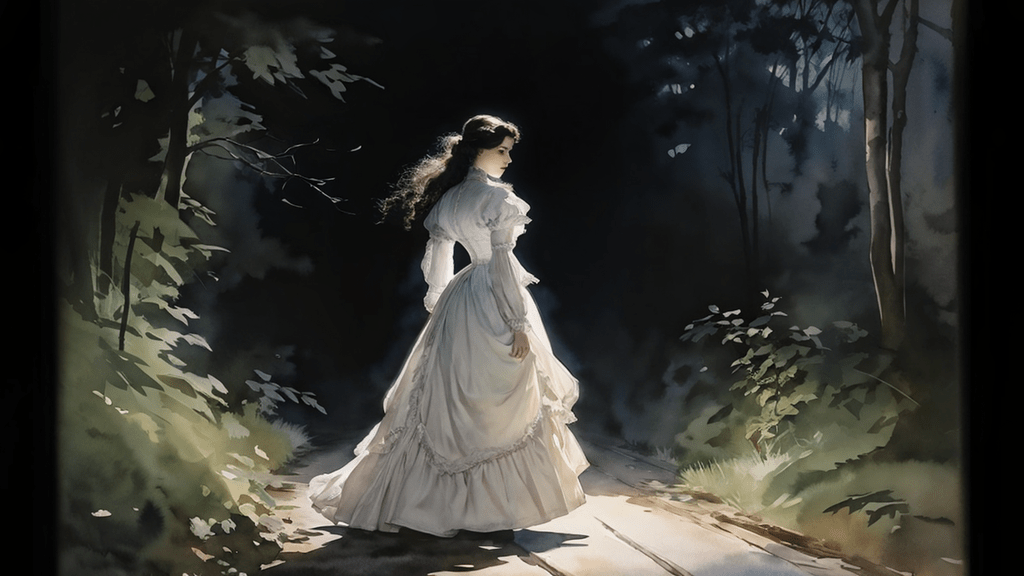
On October 17, 1859 On October 17, 1859, Wilkie Collins’ The Woman in White began its serialization in Charles Dickens’ popular journal All the Year Round. This groundbreaking novel is widely considered one of the earliest examples of mystery and sensation fiction, and it laid the foundation for the detective genre that would flourish in…
-

On October 16, 1806 On October 16, 1806, Noah Webster published A Compendious Dictionary of the English Language, a landmark work that would lay the foundation for the distinct identity of American English. This dictionary was the first comprehensive effort to standardize American English spelling, grammar, and usage, setting it apart from British English. Webster’s…
-

On October 15, 70 BCE On October 15, 70 BCE, one of the greatest poets of classical antiquity, Publius Vergilius Maro—commonly known as Virgil (or Vergil)—was born. Although he wrote in Latin and is firmly rooted in Roman culture, his literary legacy extended far beyond his own time and language. His epic work, The Aeneid,…
-
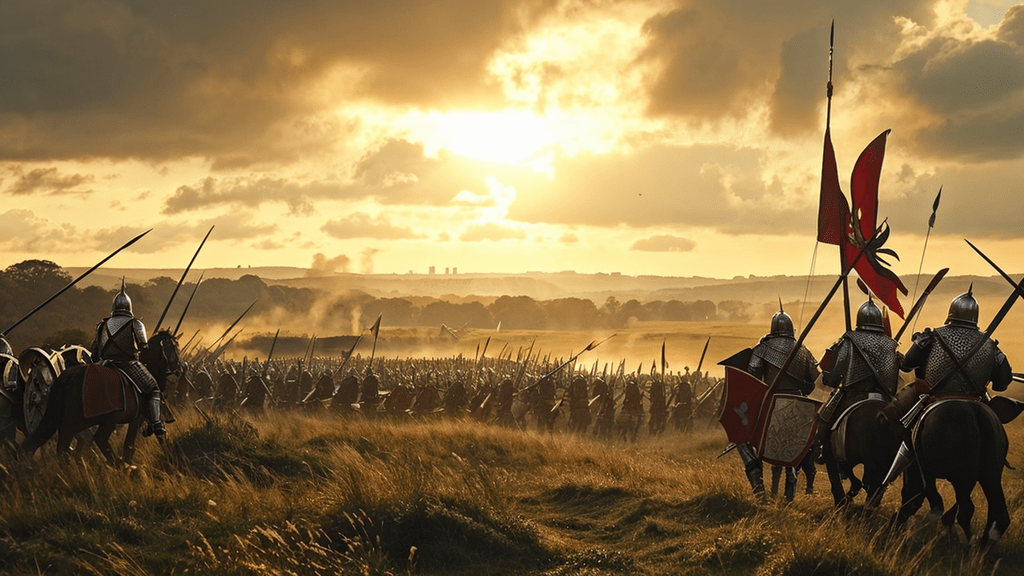
On October 14, 1066 On October 14, 1066, the Battle of Hastings forever changed the course of English history and the evolution of the English language. William the Conqueror, Duke of Normandy, defeated the Anglo-Saxon king Harold II, marking the beginning of the Norman Conquest of England. This event was not just a political and…
-
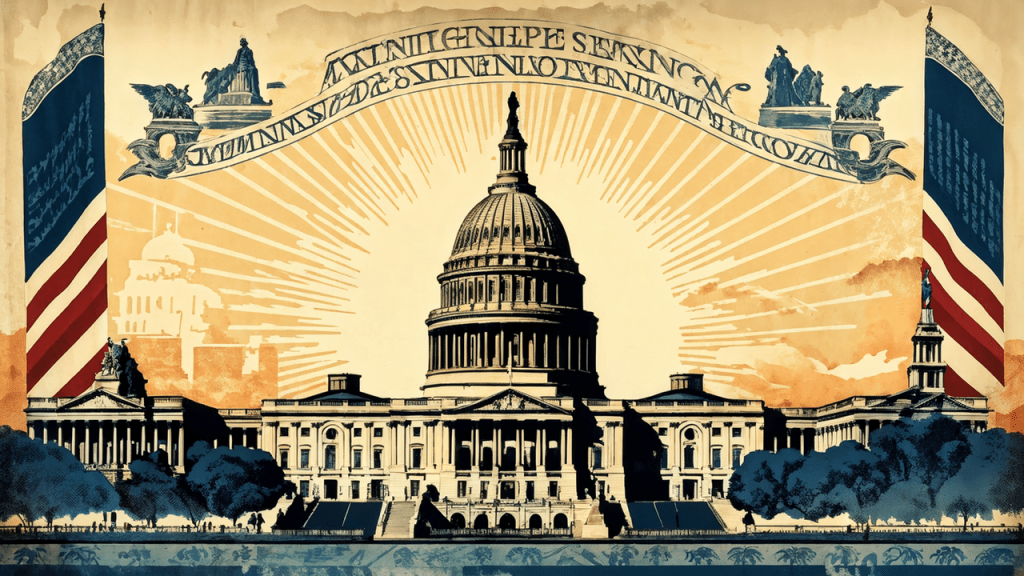
On October 13, 1792 On October 13, 1792, the cornerstone of what would become the United States’ new capital, Washington, D.C., was laid, marking the official foundation of the city. While this event primarily signified the establishment of a new seat of government for the young nation, it also had significant long-term implications for the…
-
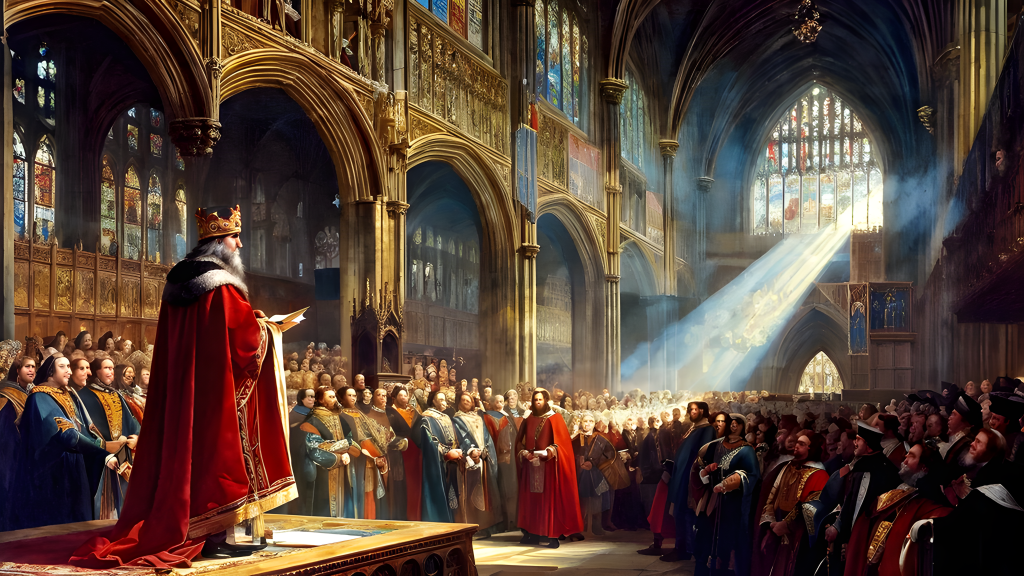
On October 12, 1362 King Edward III addressed Parliament in English for the first time. This marked a watershed moment in the evolution of English from a spoken vernacular used by the general populace to an accepted language of governance and law. The decision to use English in such a formal setting reflected deep cultural…
 What Happened on This Day?