
What Happened on This Day?
-
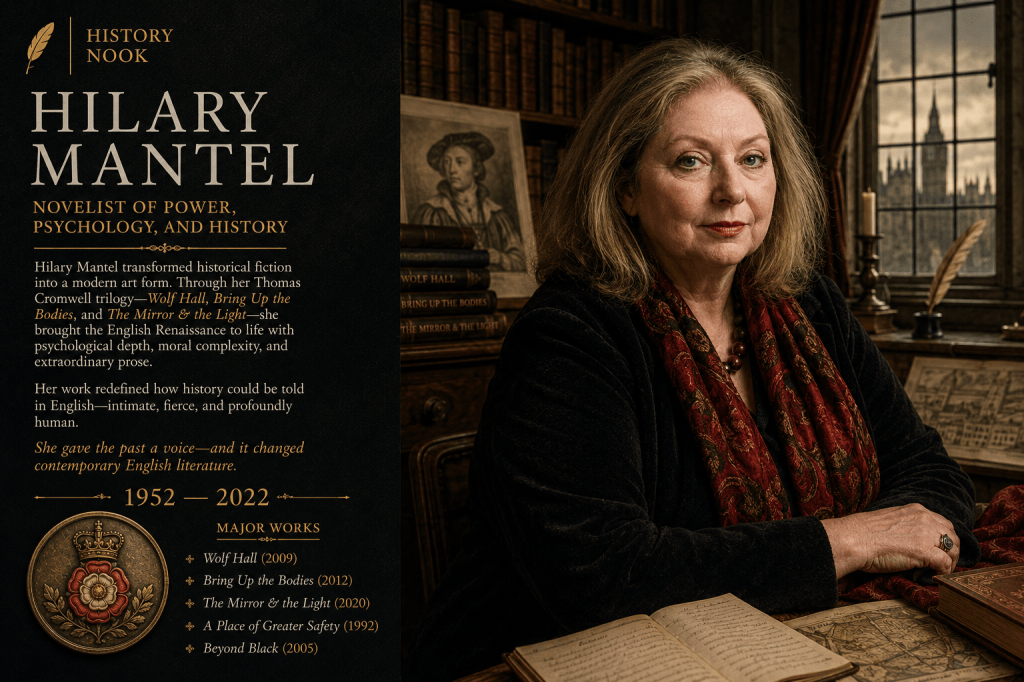
How do you make five hundred years of history feel as immediate as today? Discover how Hilary Mantel transformed historical fiction through Wolf Hall and her Thomas Cromwell trilogy, bringing Tudor England vividly to life with masterful English prose.
-
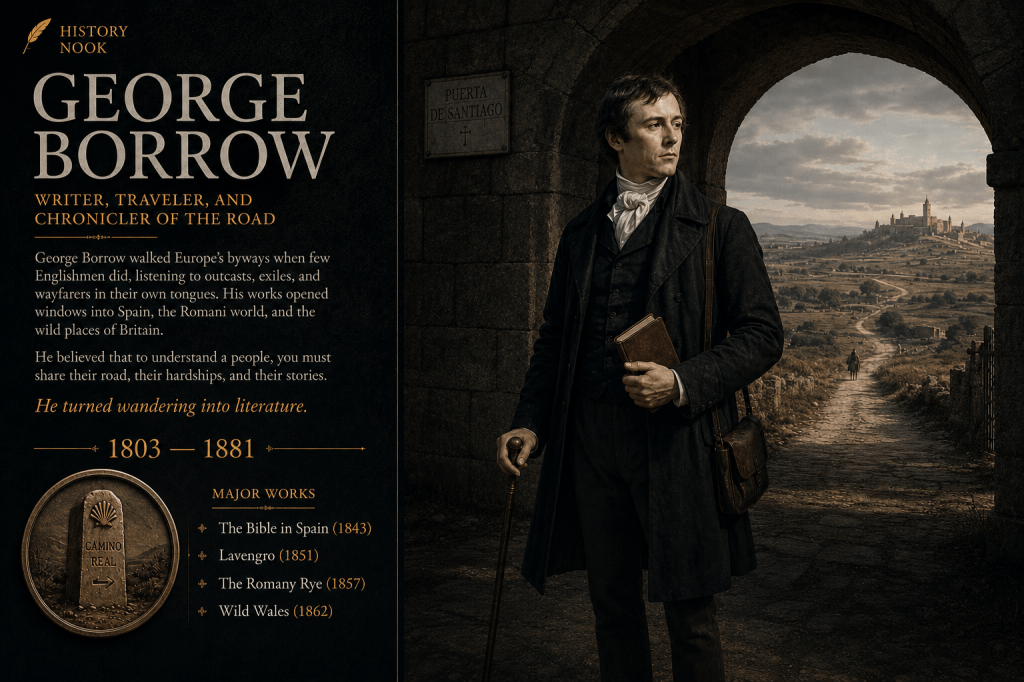
What happens when a writer treats every road as a language lesson? Born on July 5, 1803, George Borrow brought travel, translation, Romani culture, and linguistic curiosity into English literary life.
-
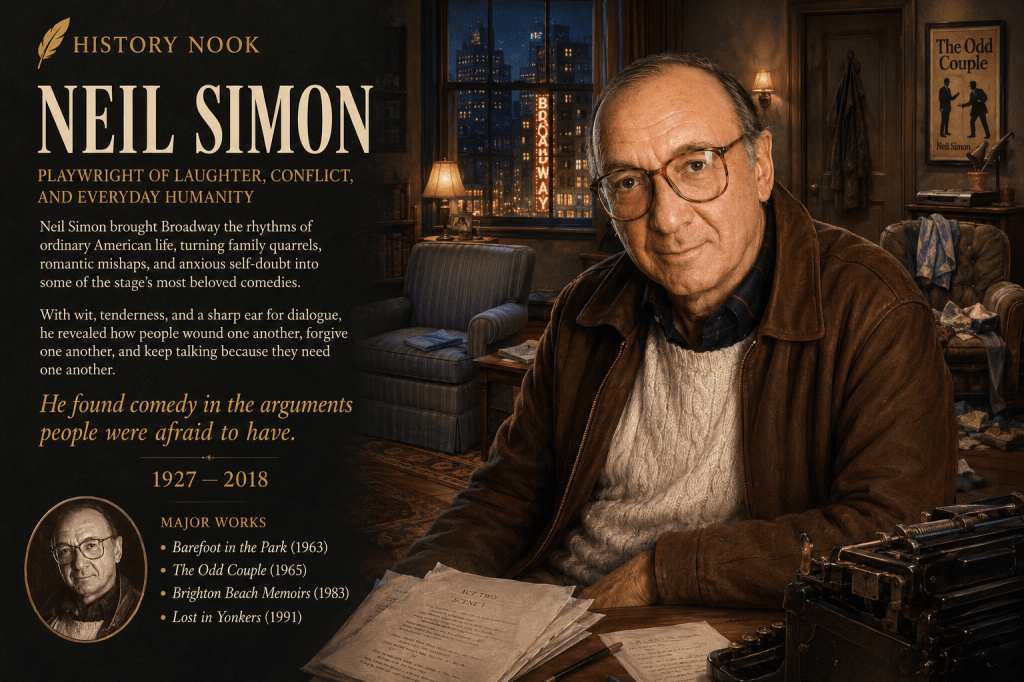
Neil Simon transformed everyday American conversation into literary dialogue, shaping modern comedy through natural speech, unforgettable characters, and remarkable comic timing.
-
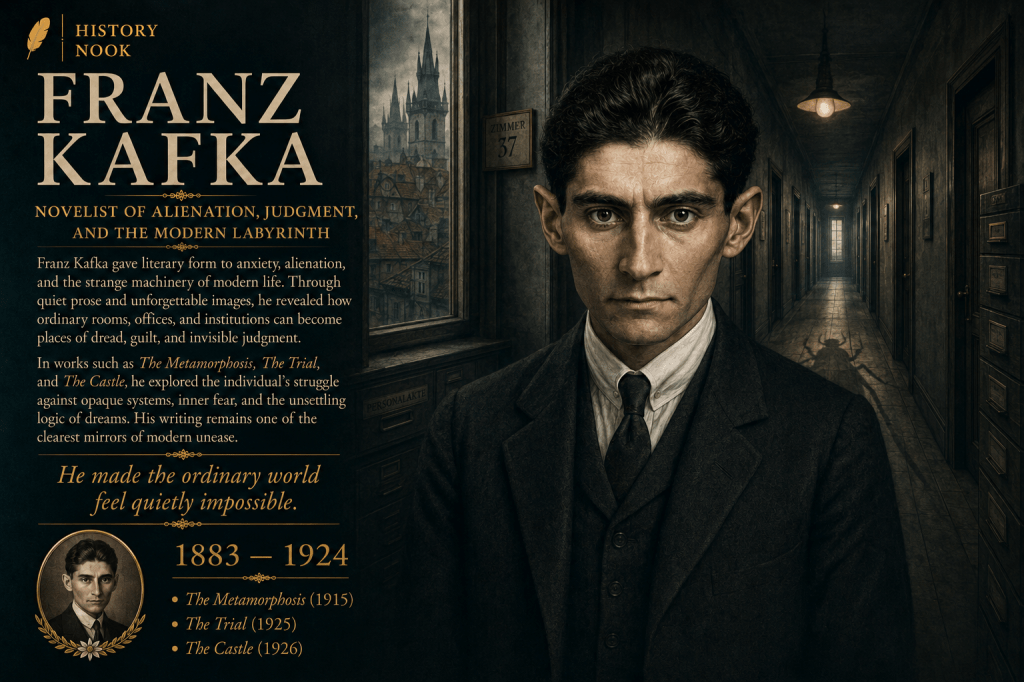
Franz Kafka transformed modern literature and gave English one of its most enduring literary words: Kafkaesque, now used worldwide to describe bureaucratic absurdity and existential uncertainty.
-
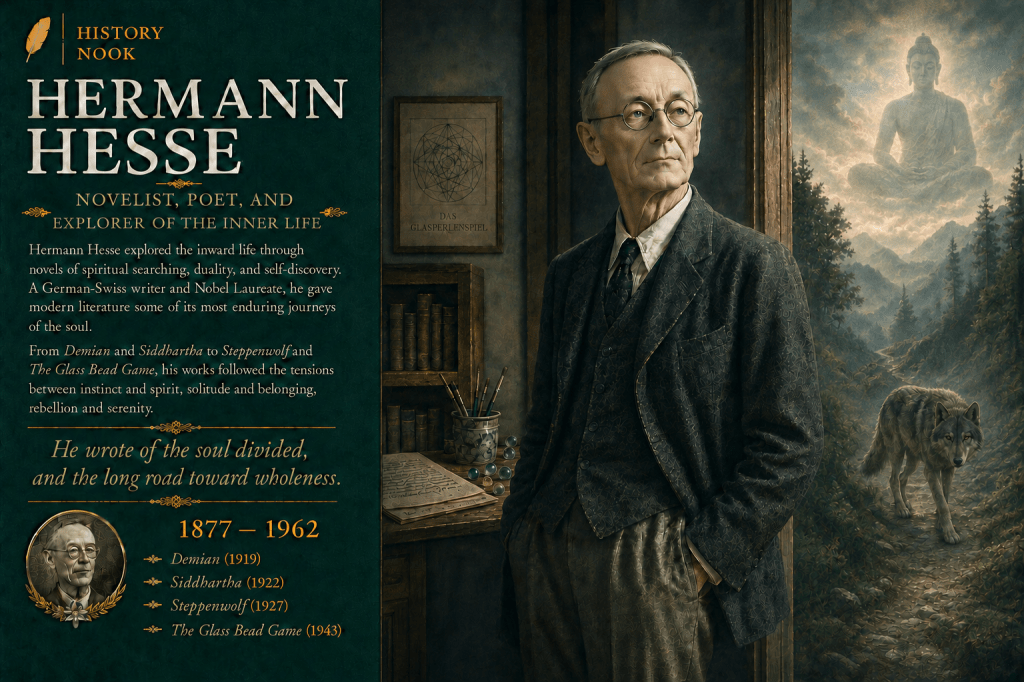
Hermann Hesse expanded English literary culture through philosophical fiction, inspiring generations of readers with translated novels that explore identity, spirituality, and self-discovery.
-
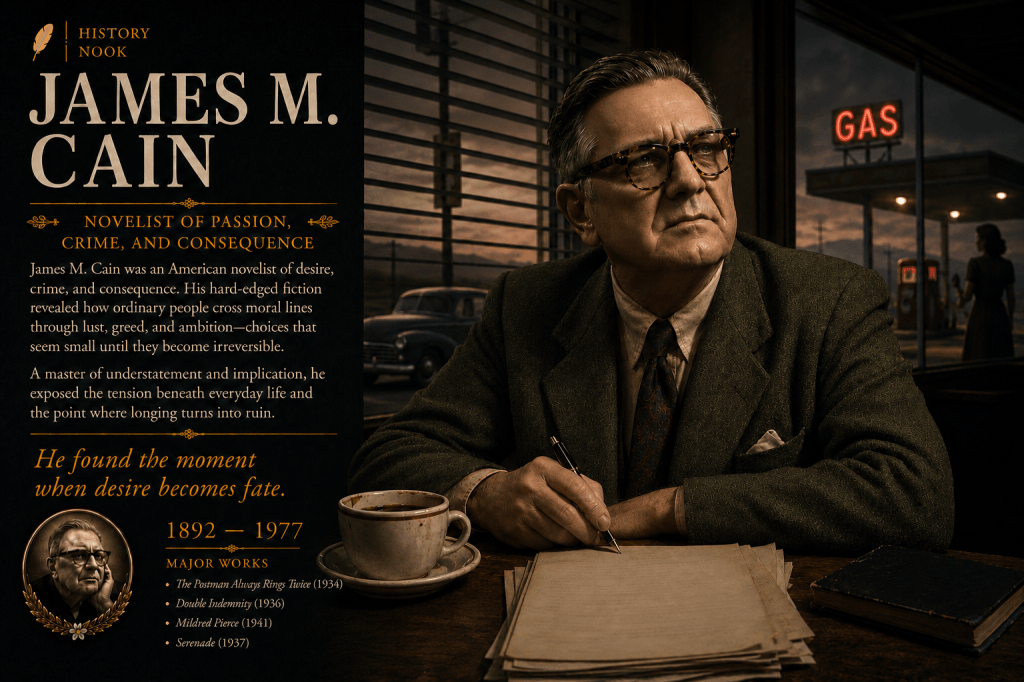
James M. Cain transformed English-language crime fiction through lean prose, psychological realism, and noir storytelling that continues to influence novels, films, and modern thrillers.
-
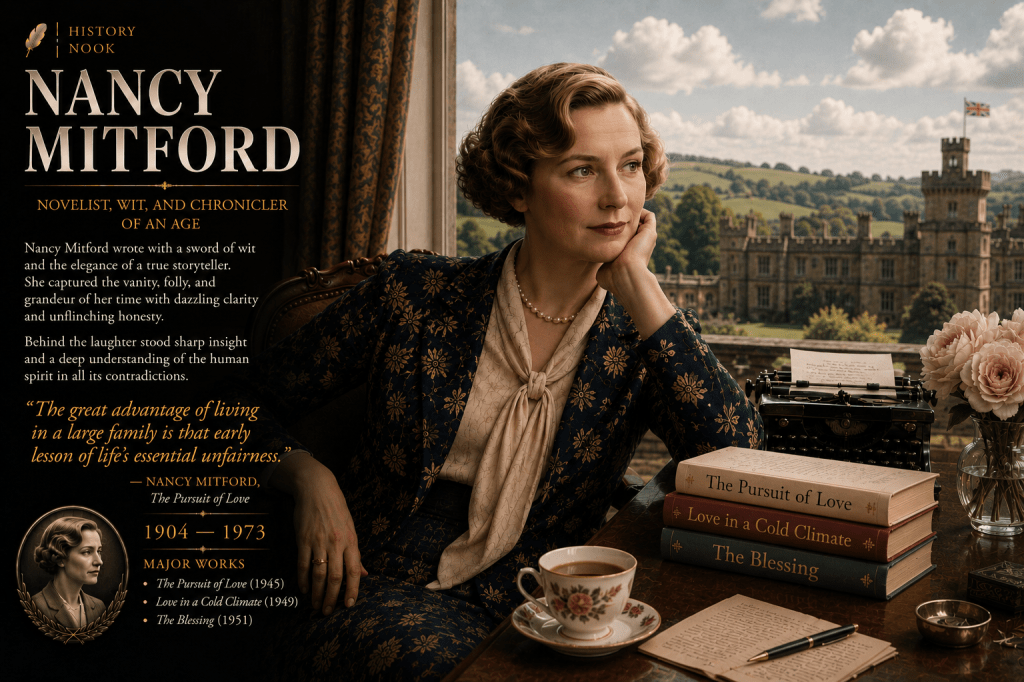
Nancy Mitford influenced English literary culture while popularizing the concepts of “U” and “non-U” speech, changing how generations discussed language, class, and identity.
-
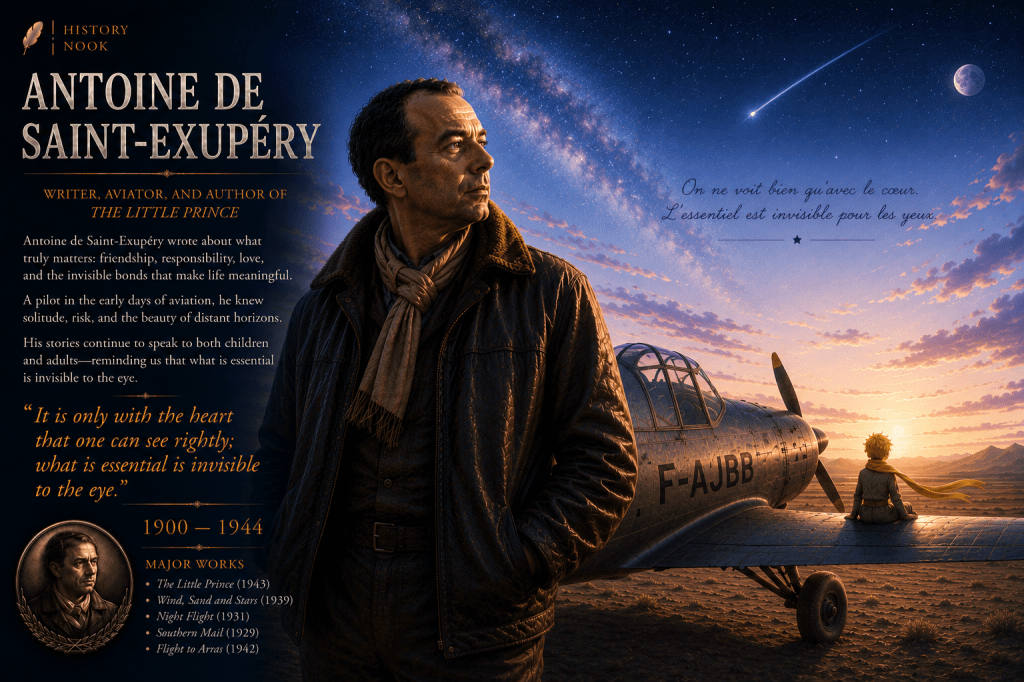
Antoine de Saint-Exupéry enriched English literary culture through The Little Prince, proving that a translated story can become a timeless classic across generations and languages.
-
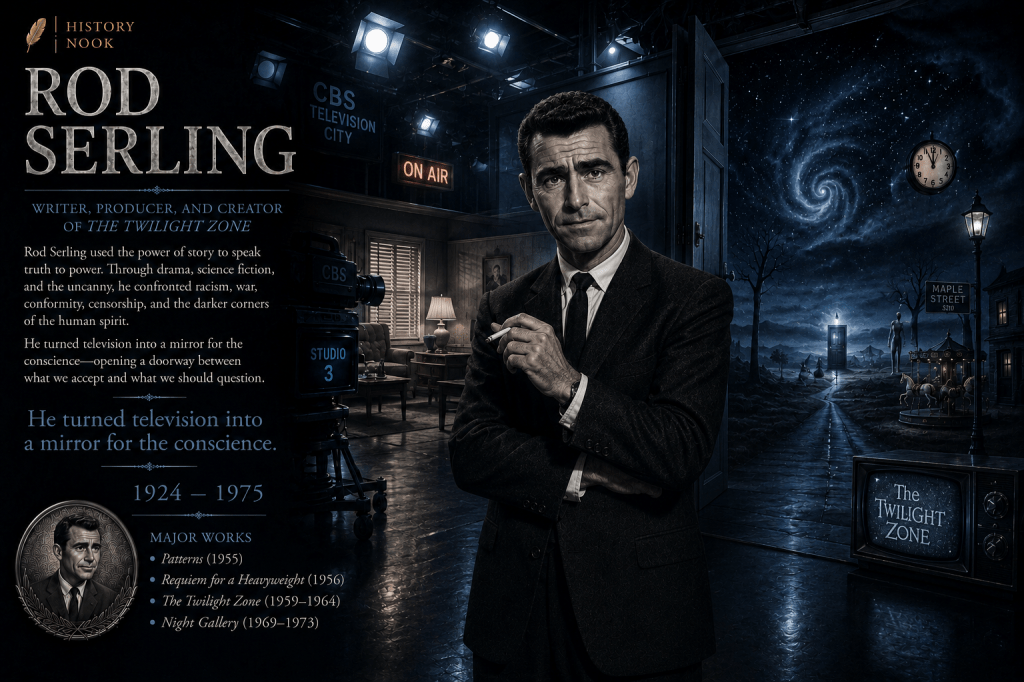
Rod Serling transformed television into a literary medium through The Twilight Zone, influencing generations of writers with concise prose, philosophical storytelling, and imaginative speculation.
-
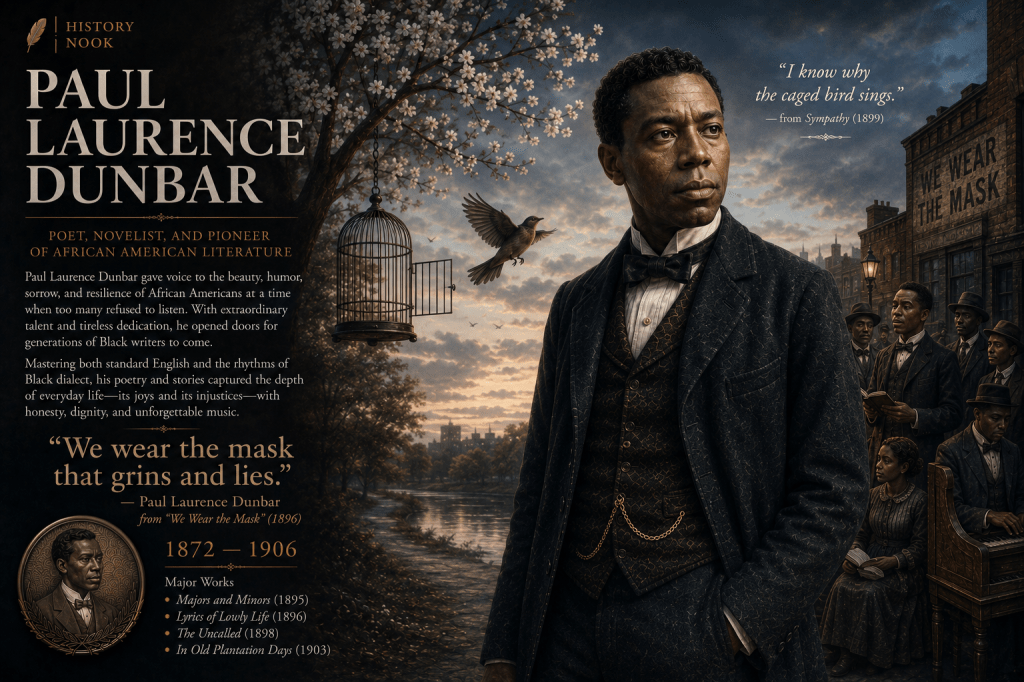
Paul Laurence Dunbar expanded American literary English by demonstrating that both Standard English and African American vernacular could achieve lasting literary excellence.
 What Happened on This Day?