
What Happened on This Day?
-
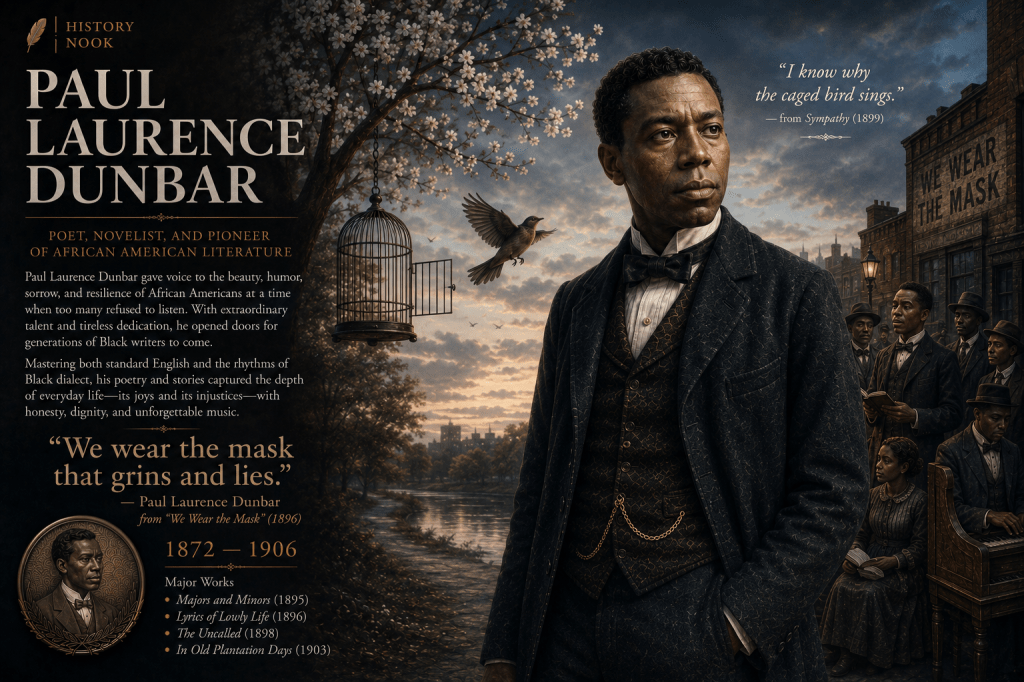
Paul Laurence Dunbar expanded American literary English by demonstrating that both Standard English and African American vernacular could achieve lasting literary excellence.
-
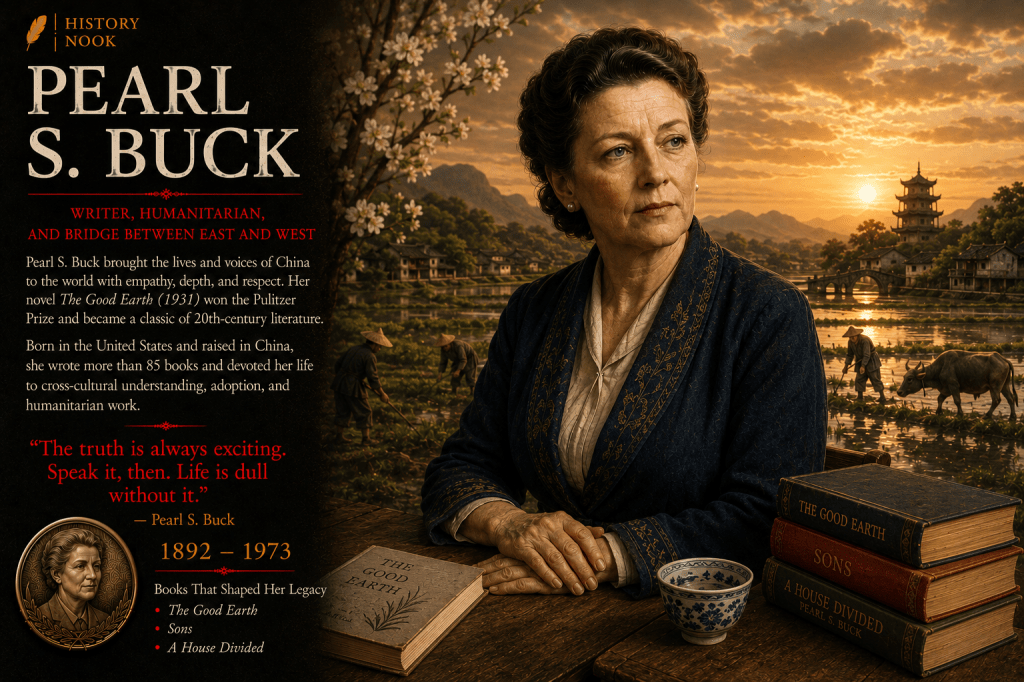
Pearl S. Buck expanded the horizons of English-language fiction by introducing millions of readers to Chinese society and demonstrating how literature can bridge cultures.
-

George Orwell transformed modern English through clear prose, influential essays, and enduring terms such as Orwellian, Newspeak, and doublethink, permanently shaping public discourse.
-
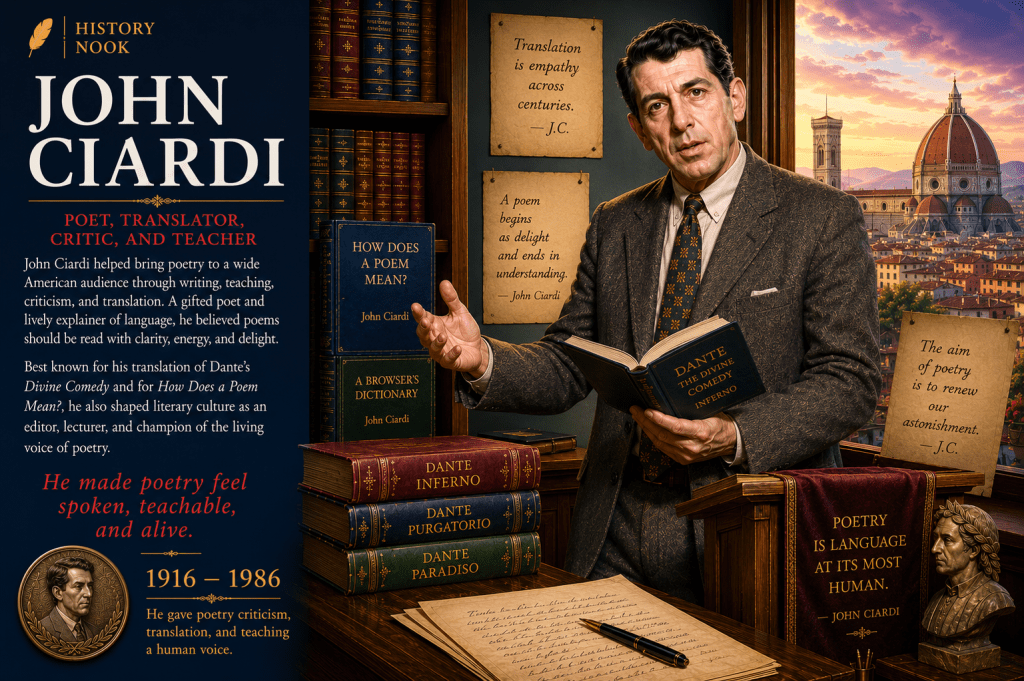
John Ciardi helped bring poetry, criticism, and literary education to a broad audience, making literature more accessible to generations of English-speaking readers.
-
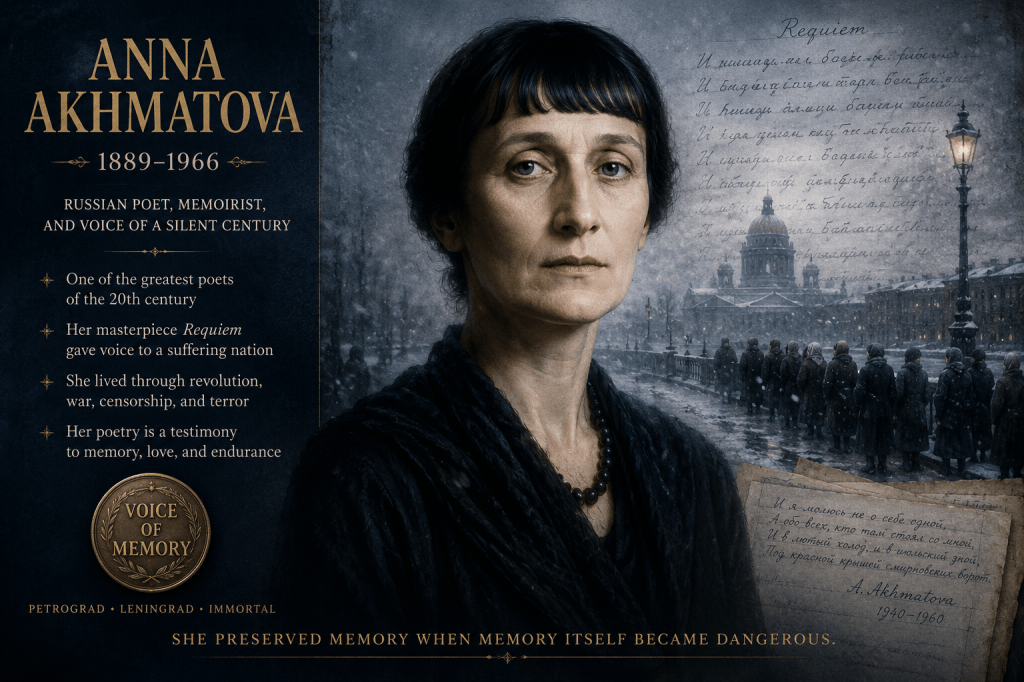
Anna Akhmatova influenced English-language poetry through translation, lyric precision, and a remarkable ability to express profound emotions with clarity, restraint, and enduring power.
-
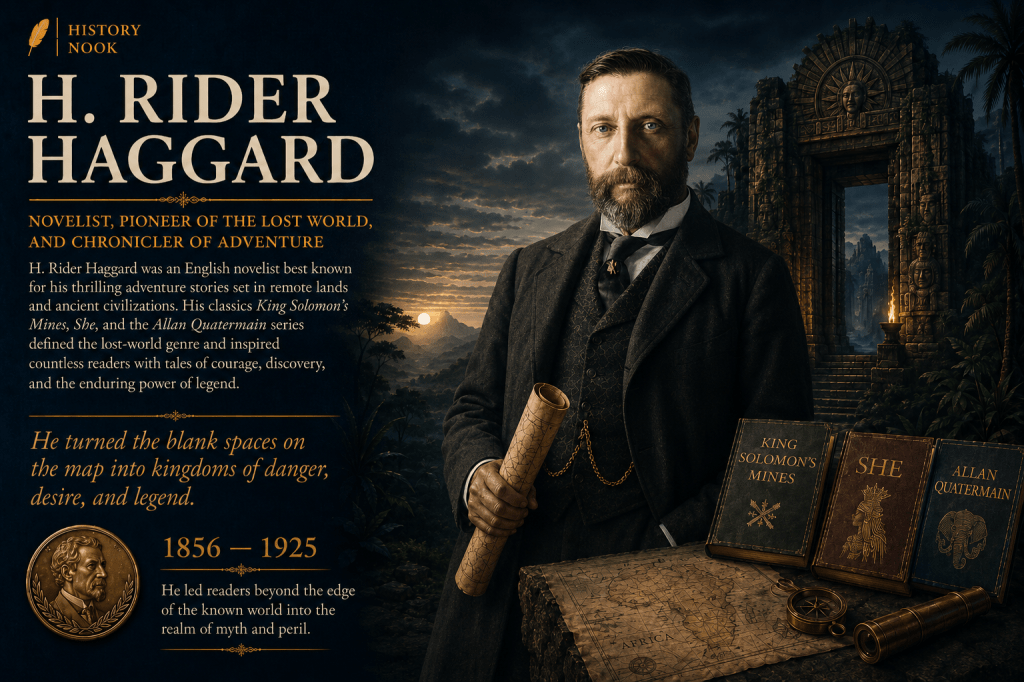
H. Rider Haggard helped shape modern adventure fiction through lost worlds, heroic quests, and exploration narratives that continue to influence English storytelling today.
-
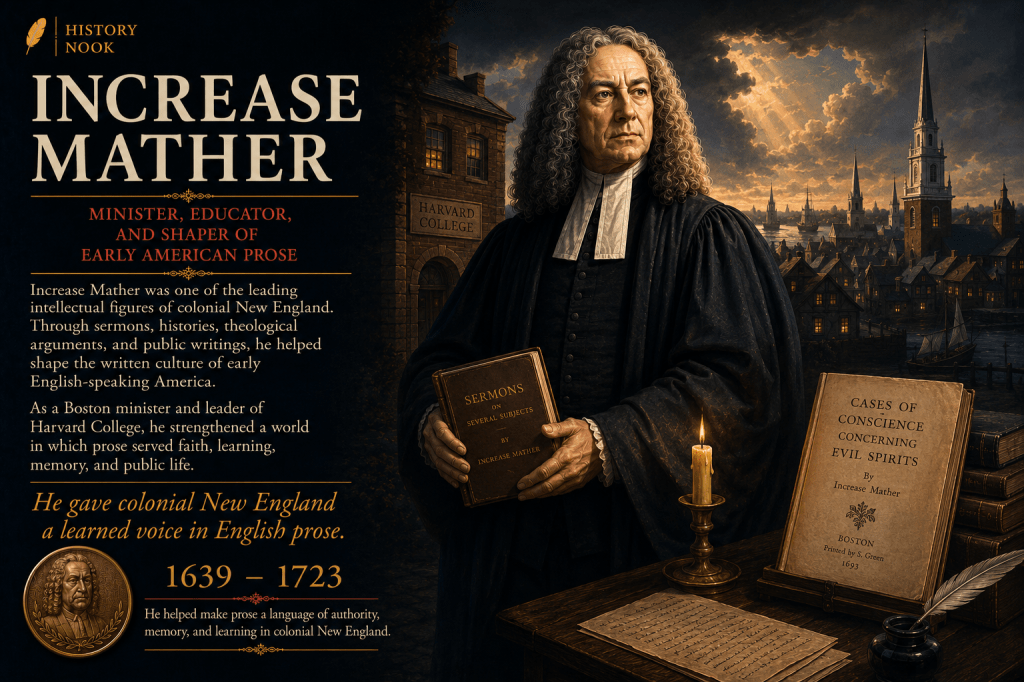
Increase Mather helped establish the written culture of colonial English America through sermons, histories, education, and public argument, strengthening the role of English prose in early North American society.
-
Birth of Anna Laetitia Barbauld (1743–1825) — Helping Invent Modern Children’s Literature in English
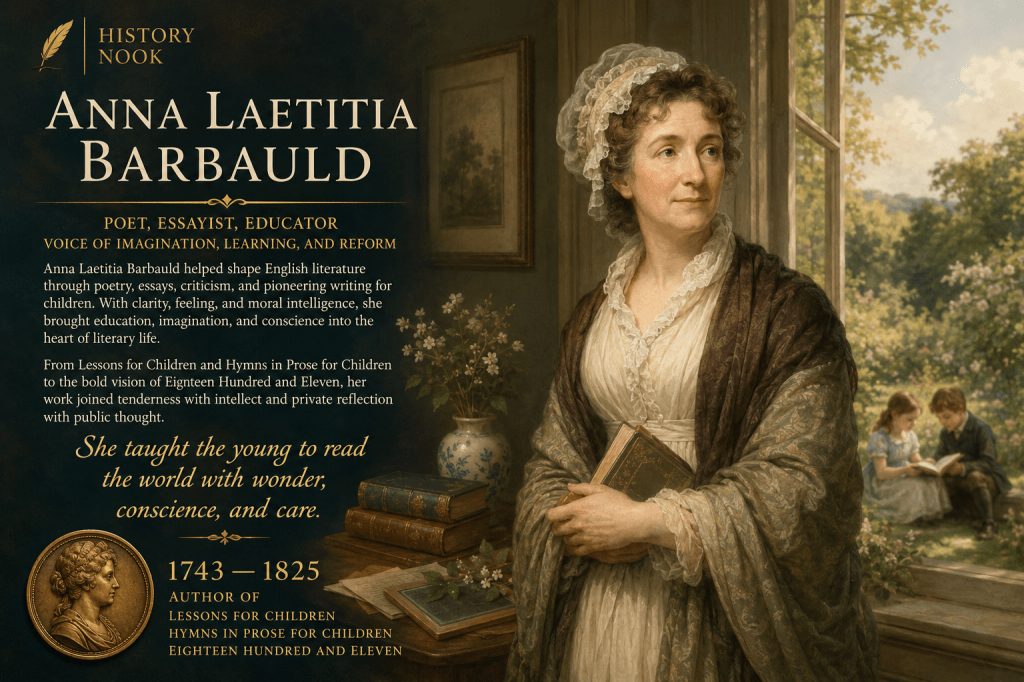
Anna Laetitia Barbauld helped shape English literature through education, criticism, and pioneering works for young readers, laying foundations for modern children’s literature.
-
Baptism of Thomas Fuller (1608–1661) — Shaping English Prose, Biography, and the Art of the Aphorism
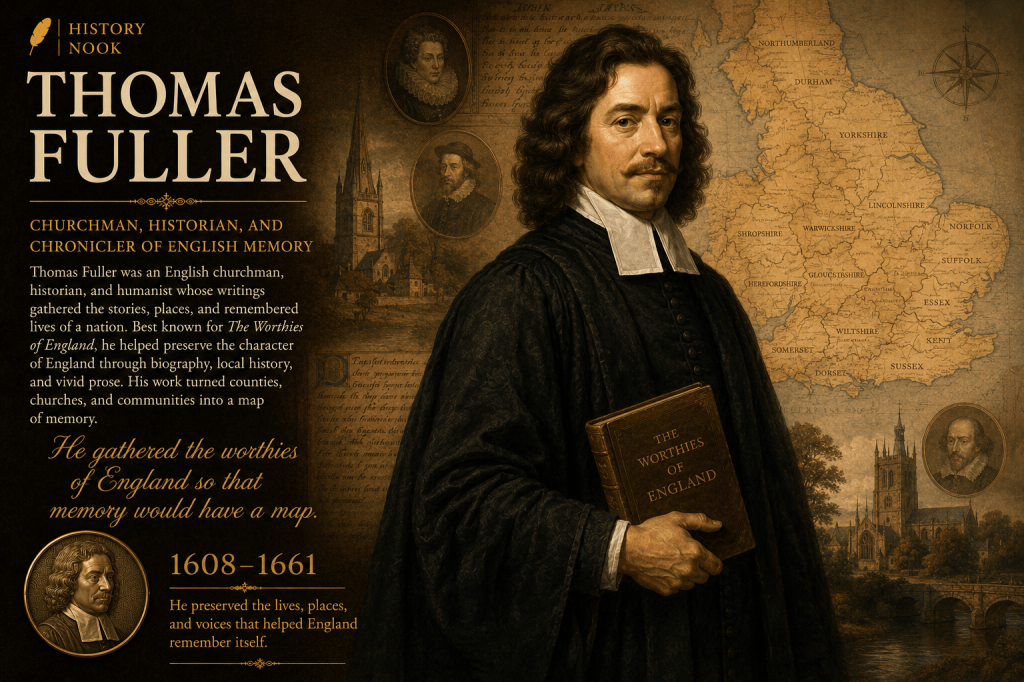
Thomas Fuller helped shape English prose through history, biography, and the art of the aphorism. A master of wit and memorable expression, he demonstrated how learning, clarity, and literary grace could coexist in English nonfiction.
-

John Cheever transformed the modern short story through elegant prose, psychological realism, and his ability to reveal profound meaning within everyday life.
 What Happened on This Day?