
What Happened on This Day?
-

Born on September 5, 1946, Freddie Mercury redefined not only rock but the English language of performance. His voice, flamboyance, and stagecraft birthed new idioms and critical terms—from “mercurial presence” to “arena anthem”—embedding his legacy as much in words as in music, a living lexicon of theatrical power.
-
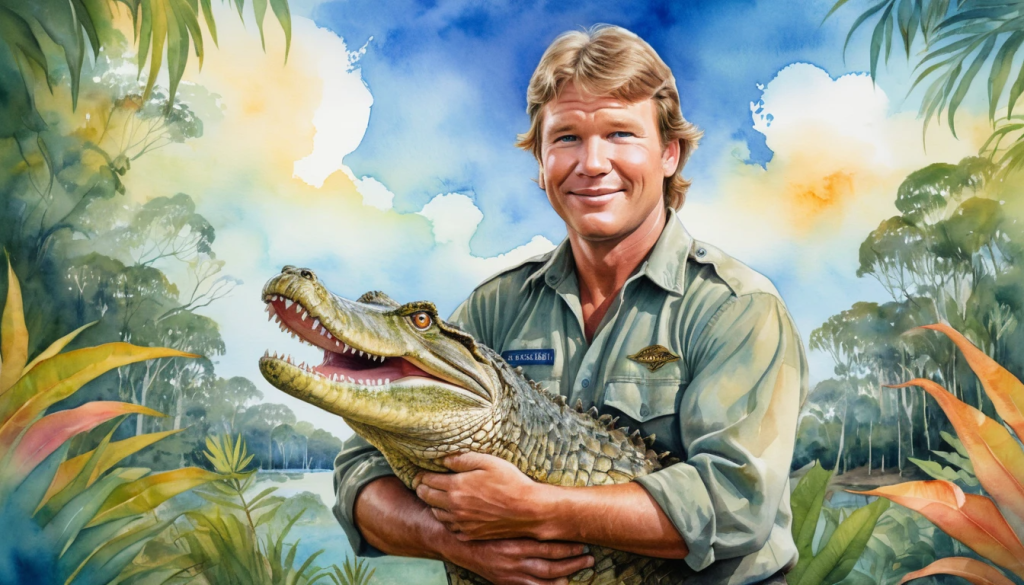
Steve Irwin, “The Crocodile Hunter,” left more than a conservation legacy—he transformed English itself. His catchphrases, from “Crikey!” to “Wildlife warrior,” blended Australian slang, science, and enthusiasm, reshaping how media, classrooms, and activism spoke about nature. Irwin’s words live on, embedding adventure and passion into global English expression.
-
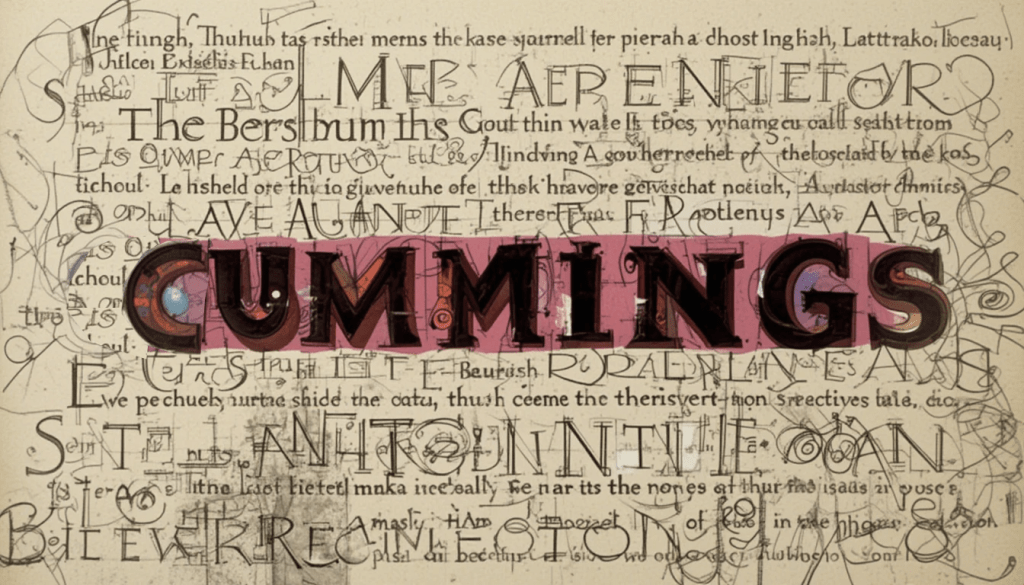
On September 3, 1962, the world lost E. E. Cummings, a poet who reinvented English verse. Through radical typography, fractured syntax, and lowercase rebellion, he created a “Cummingsesque” style that blurred art and language. His legacy endures as both literary innovation and a cultural shorthand for poetic freedom.
-
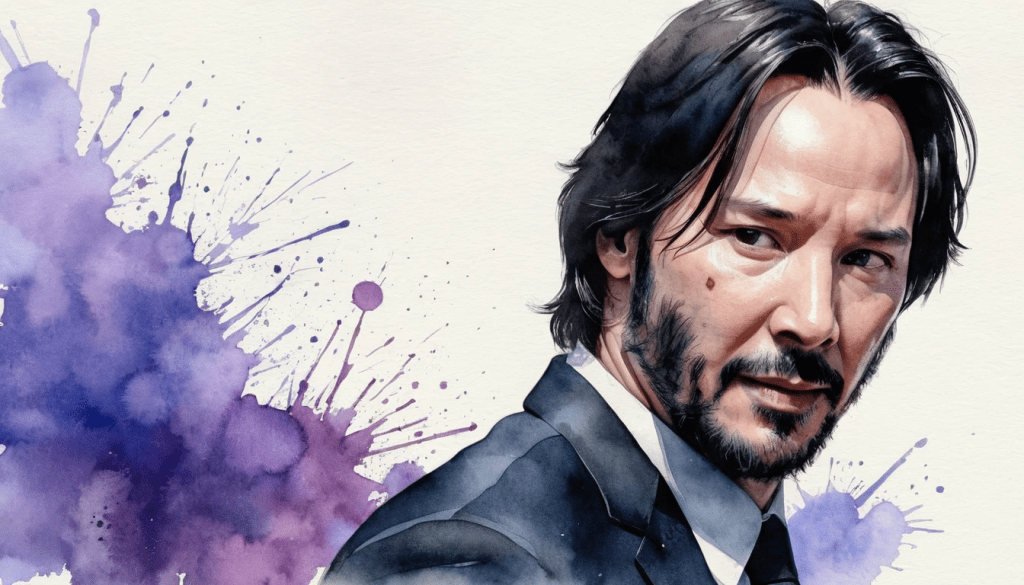
Keanu Reeves, born September 2, 1964, reshaped not only cinema but English itself. From “whoa” and “Keanu cool” to “John Wick energy” and “Neo-like detachment,” his performances birthed idioms, memes, and critical terms that transcend film, embedding his name and style into cultural and linguistic history.
-
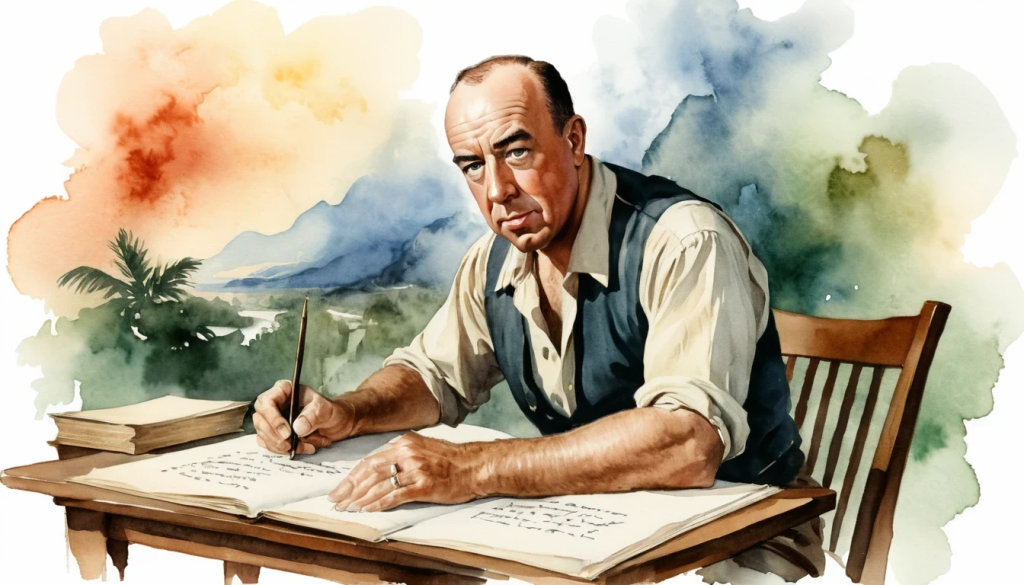
Born on September 1, 1875, Edgar Rice Burroughs transformed pulp storytelling into lasting myth. Creator of Tarzan and Barsoom, he coined words like “Tarzanesque” and “Barsoomian,” embedding new archetypes and imaginative language into English. His worlds bridged pulp and literature, shaping adventure, fantasy, and science fiction for generations.
-
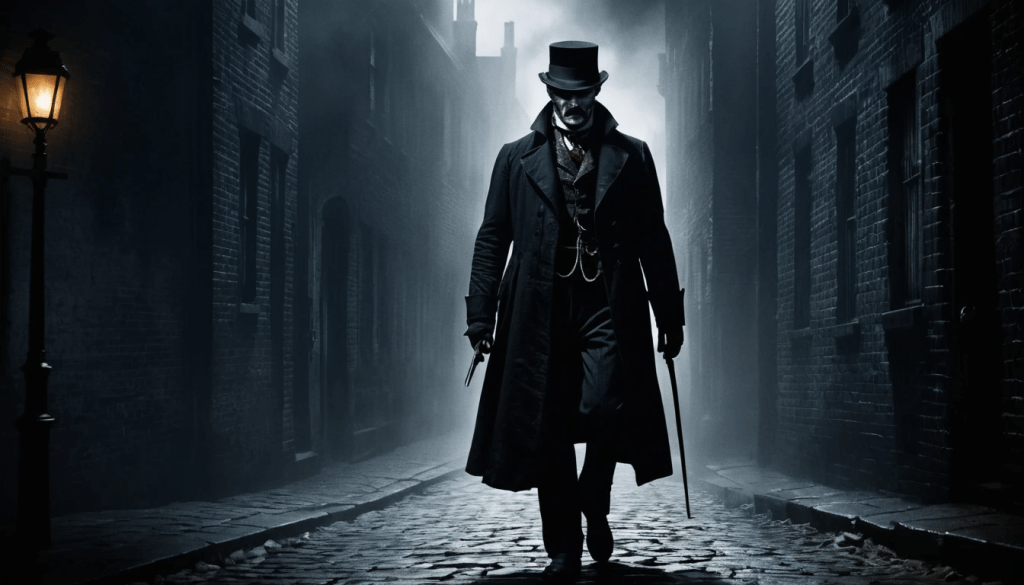
On August 31, 1888, Mary Ann “Polly” Nichols was murdered in Whitechapel, London—a crime now recognized as Jack the Ripper’s first canonical killing. Beyond its brutality, the case transformed English crime vocabulary, shaping the language of journalism, criminology, and Gothic imagination that still defines how we narrate mystery and violence.
-
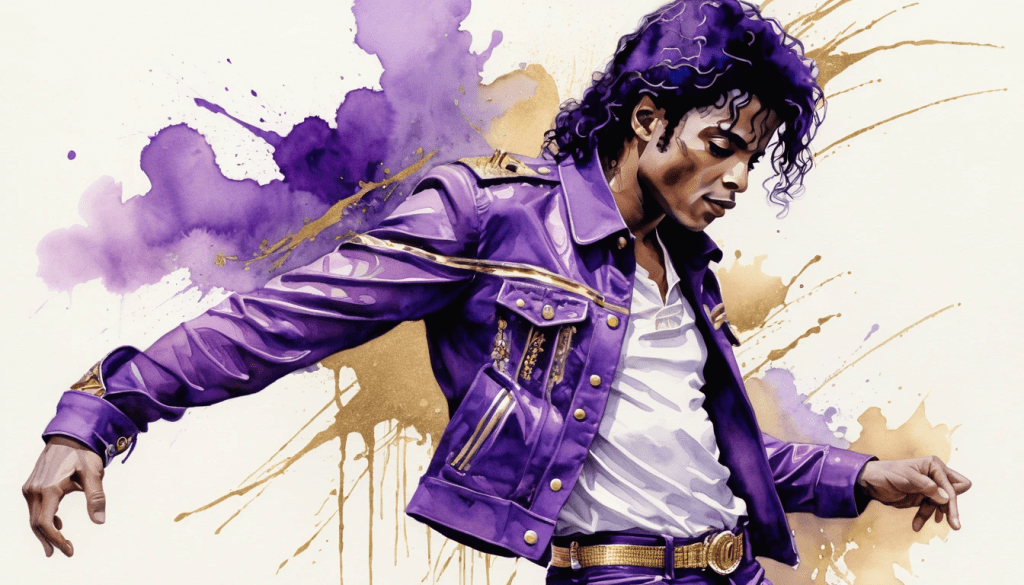
Michael Jackson, born August 29, 1958, was more than the King of Pop—he was a wordmaker. From “moonwalk” to “Thriller” and “Jackson mania,” his artistry reshaped the English of music, dance, and celebrity. His vocabulary innovations endure as cultural markers of spectacle, fame, and performance.
-

The first issue of Scientific American (1845) transformed how science spoke to the public. By simplifying terminology, using vivid metaphors, and diffusing key expressions like “innovation” and “applied science,” it bridged specialist discourse and common English, shaping the very language of modern scientific communication for generations.
-
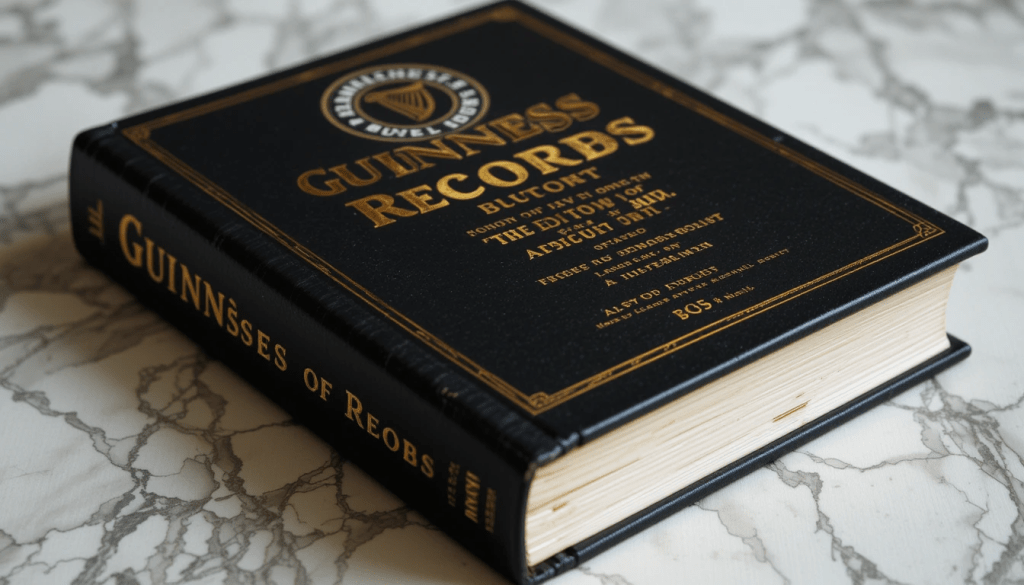
On August 27, 1955, the first Guinness Book of Records was published in the UK. Originally a brewery giveaway to settle trivia disputes, it grew into a global phenomenon, reshaping culture and language. Guinness introduced phrases like “world record” and “record-breaking,” embedding the vocabulary of achievement into everyday English.
-
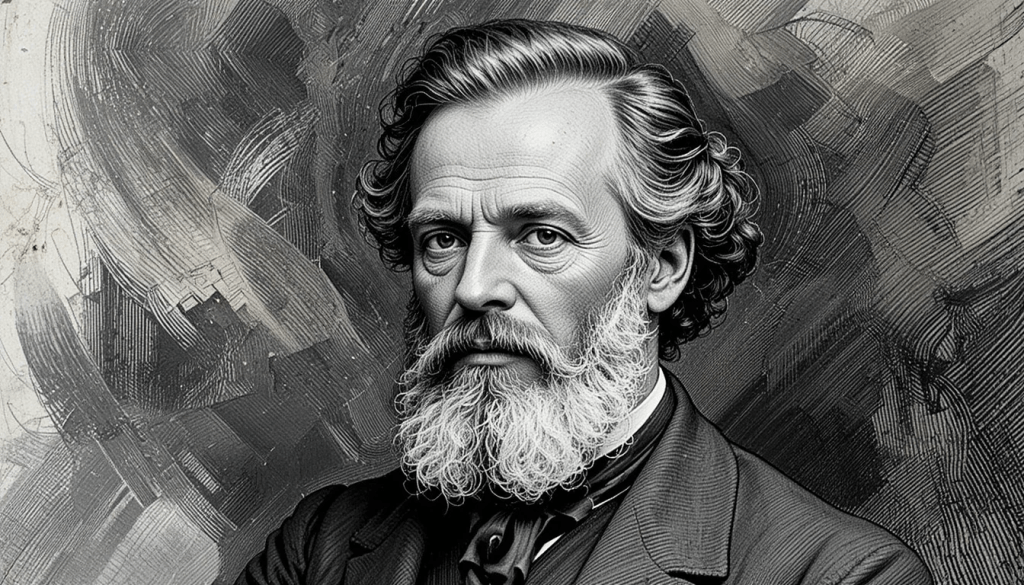
William James, the “father of American psychology,” died on August 26, 1910, leaving more than philosophy—he left a living vocabulary. From “stream of consciousness” to “pragmatism,” his words reshaped English, influencing psychology, literature, religion, and everyday speech. His linguistic legacy endures as much as his intellectual achievements.
 What Happened on This Day?