
What Happened on This Day?
-
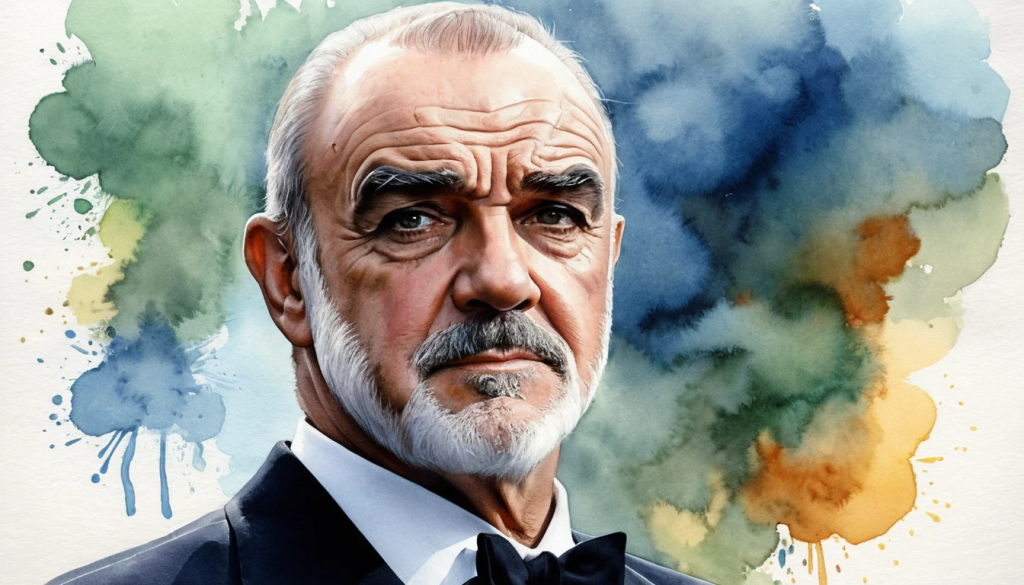
Sean Connery, born August 25, 1930, transformed cinema and English vocabulary alike. From “Bondian” sophistication to “Connery gravitas,” his presence shaped how critics and audiences describe style, masculinity, and authority. Beyond Bond, his legacy lives in language itself, proving that an actor’s influence can outlast the screen.
-
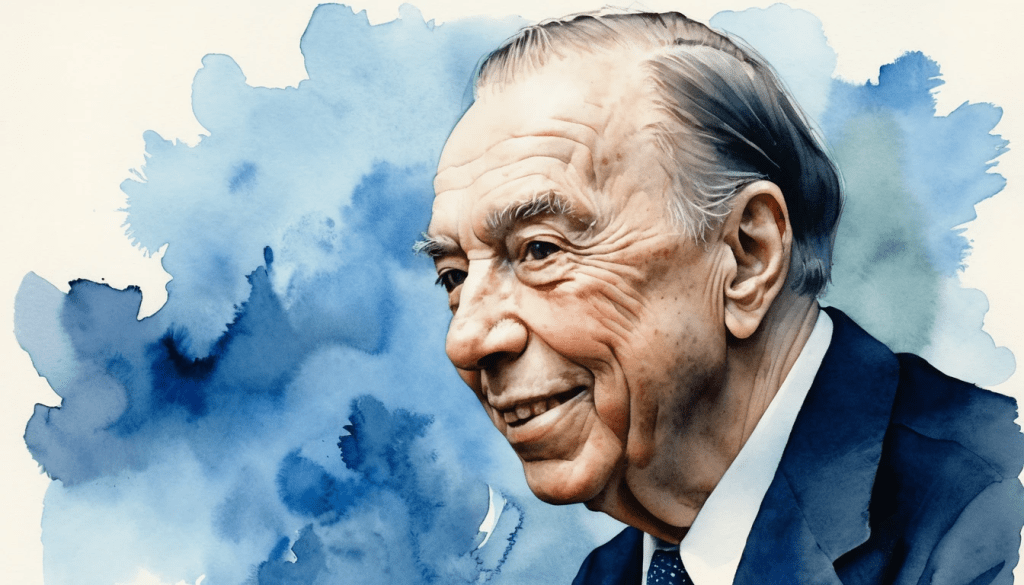
Jorge Luis Borges, born August 24, 1899, reshaped both Spanish and English literature. His metaphors—labyrinths, mirrors, infinite libraries—became critical vocabulary in English. Terms like “Borgesian,” “Library of Babel,” and “Aleph” entered global discourse, ensuring Borges’ imagination continues to define how we speak of infinity, recursion, and literary possibility.
-

On August 23, 1305, William Wallace, the Scottish knight and freedom fighter, was executed in London for treason against King Edward I. Though condemned, his brutal death transformed him into a legendary symbol of Scotland’s struggle for independence, inspiring centuries of chronicles, literature, and popular imagination.
-
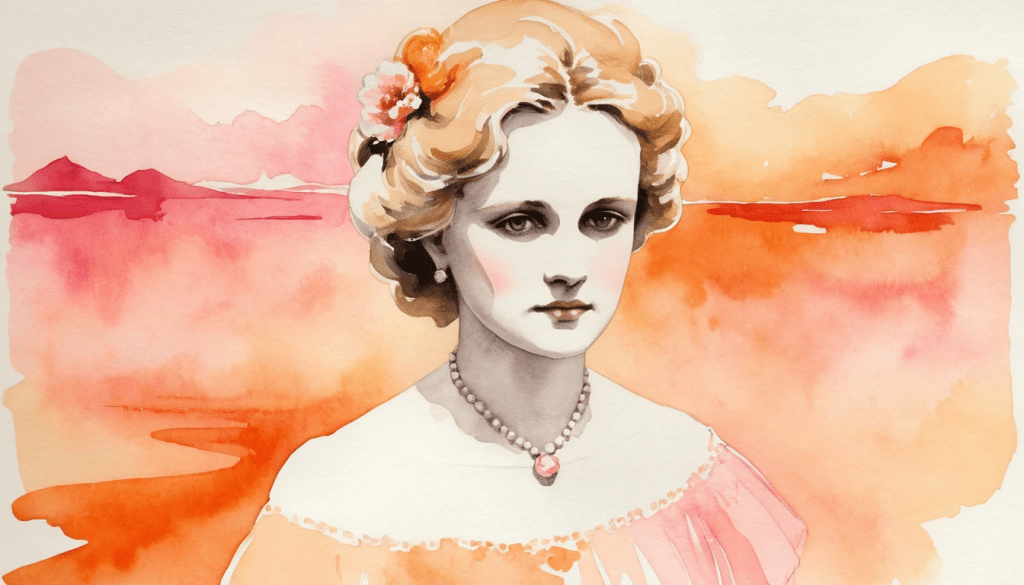
Kate Chopin, who died in 1904, was first remembered as a regional Louisiana writer. Her novel The Awakening faced rejection for its bold themes of sexuality and freedom, yet later feminist critics revived her legacy. Today, Chopin stands as a pioneer of modern feminist literature and cultural identity.
-
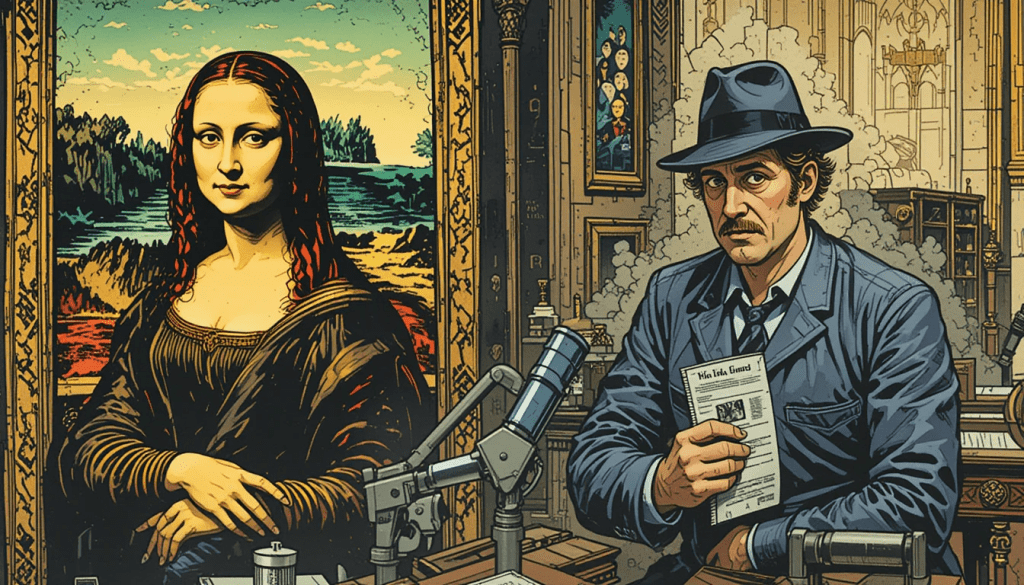
On August 21, 1911, the theft of Leonardo da Vinci’s Mona Lisa from the Louvre shocked the world. This audacious crime transformed the painting into a cultural icon, embedding phrases like “Mona Lisa smile,” “art heist,” and “media frenzy” into English, where mystery and artistry became inseparably linked.
-
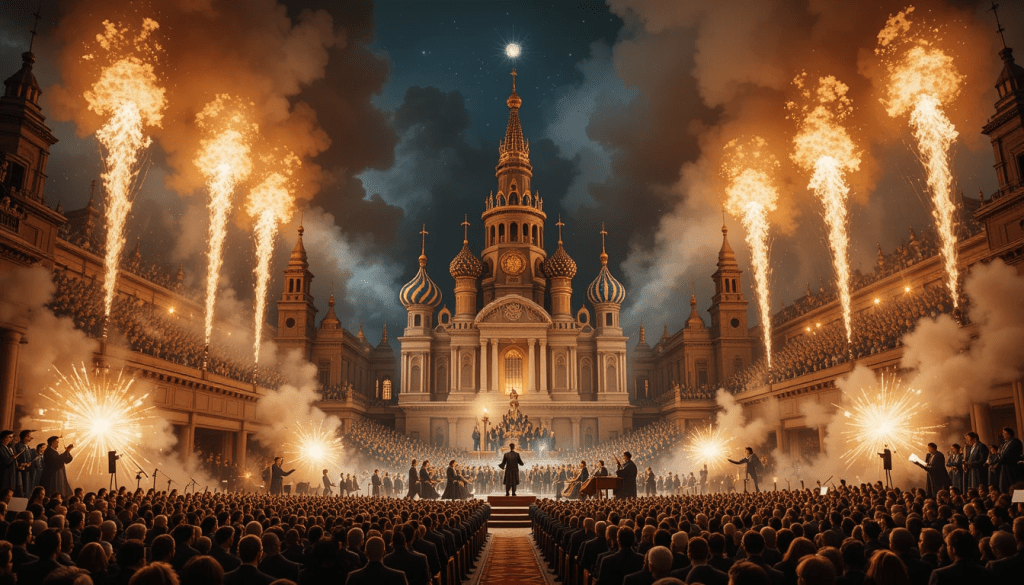
On August 20, 1882, Tchaikovsky’s 1812 Overture premiered in Moscow, its cannons and choral thunder marking a new era of musical spectacle. Soon, English absorbed phrases like “sonic spectacle” and “bombastic grandeur,” transforming the work into a cultural shorthand for triumph, celebration, and overwhelming artistic force across nations.
-
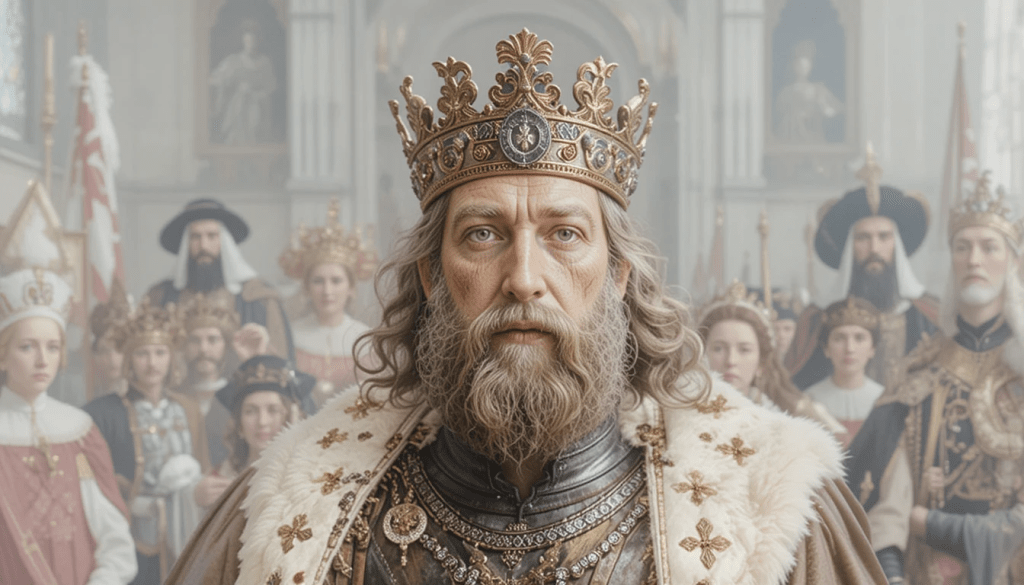
On August 19, 1274, Edward I was crowned at Westminster Abbey, blending sacred ritual with political statement. His height earned him the name “Longshanks,” while his campaigns made him the “Hammer of the Scots.” His reign reshaped English vocabulary in law, monarchy, and chivalry, leaving a lasting cultural legacy.
-
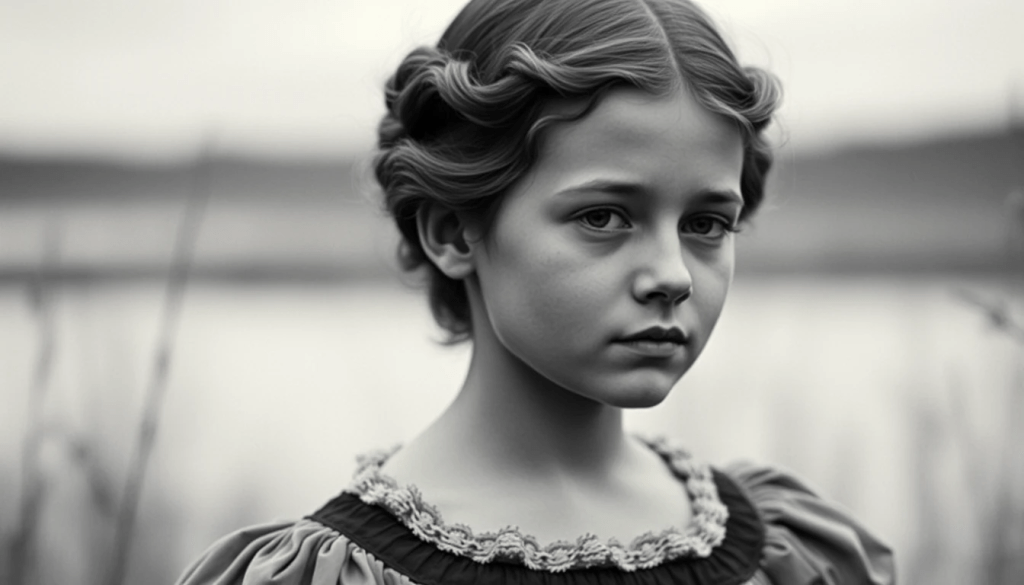
On August 18, 1587, Virginia Dare became the first English child born in the Americas. Her short, mysterious life—vanishing with Roanoke’s Lost Colony—spawned enduring vocabulary like “Lost Colony,” “American Eve,” and “Roanoke mystery,” embedding her name into the language of colonial myth, national identity, and unresolved historical enigmas.
-
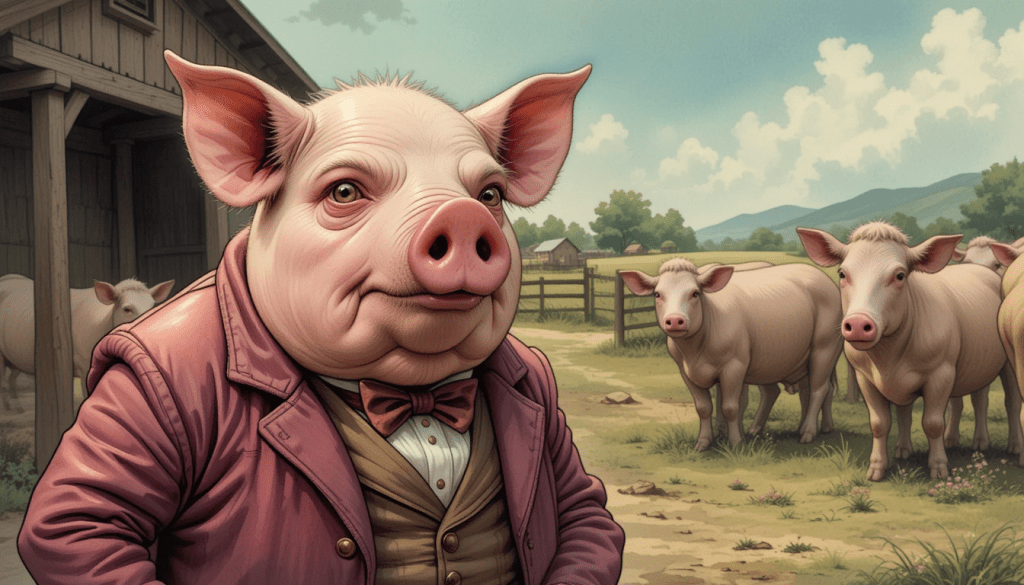
Published on August 17, 1945, George Orwell’s Animal Farm transformed English political vocabulary. Beyond allegory, it gifted enduring metaphors—“some are more equal than others,” “Squealer tactics,” “Napoleonic rule”—still used to expose corruption, betrayal, and propaganda in modern discourse, embedding Orwell’s satire into everyday English critique of power.
-
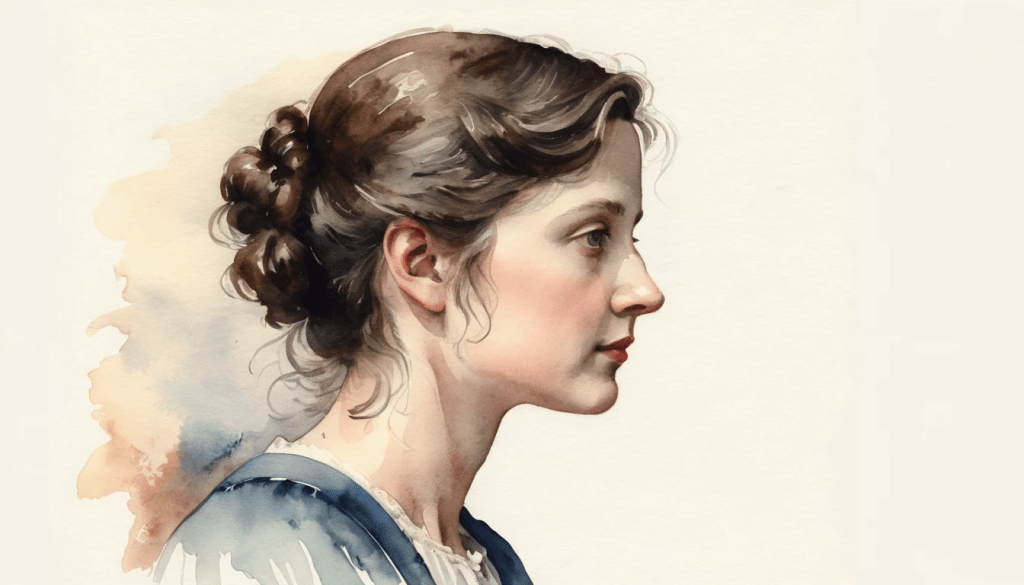
Born on August 15, 1858, Edith Nesbit revolutionized children’s literature by blending Edwardian domestic realism with magical adventures. Her classics, like The Railway Children and Five Children and It, shaped narrative styles and vocabulary that influenced generations of storytellers in the English-speaking world.
 What Happened on This Day?