
What Happened on This Day?
-
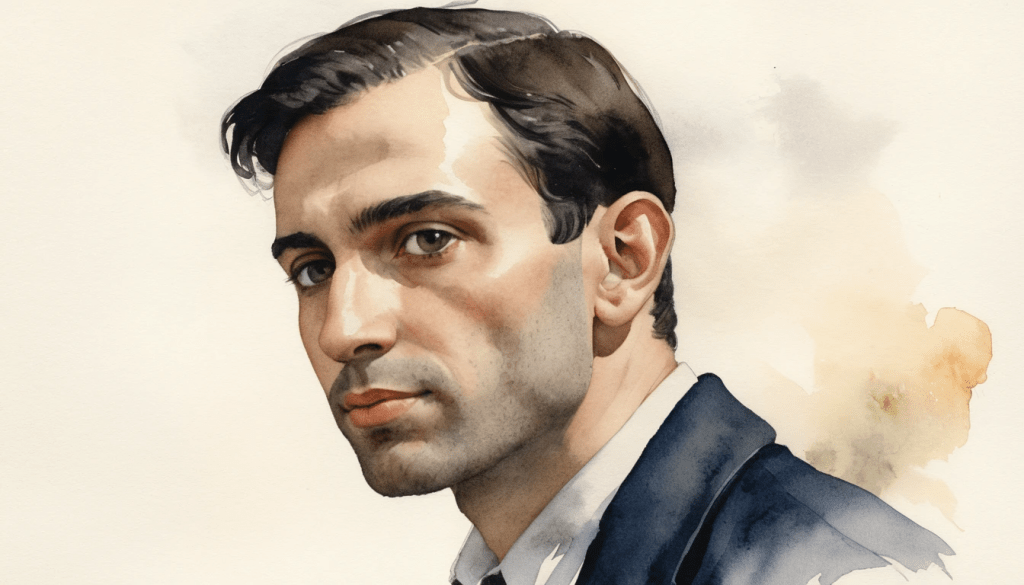
Edward Sapir showed that language is a cultural system shaping perception and social life. By uniting linguistics and anthropology, he taught English discourse to analyze structure, respect diversity, and question universals. Words were no longer labels but frameworks of meaning carrying histories identities and worldviews across cultures and minds today.
-
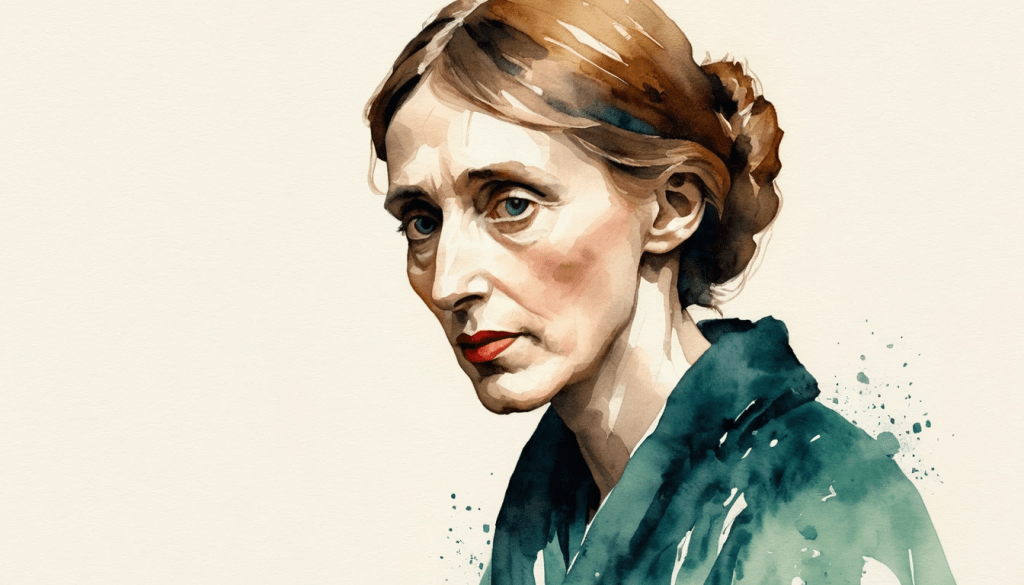
Virginia Woolf transformed English prose by teaching it to follow consciousness itself. Her writing reshaped how English handles time, memory, and perception, allowing sentences to move with thought rather than plot. Through fluid syntax and interior focus, she expanded whose lives and experiences English literature could fully represent.
-
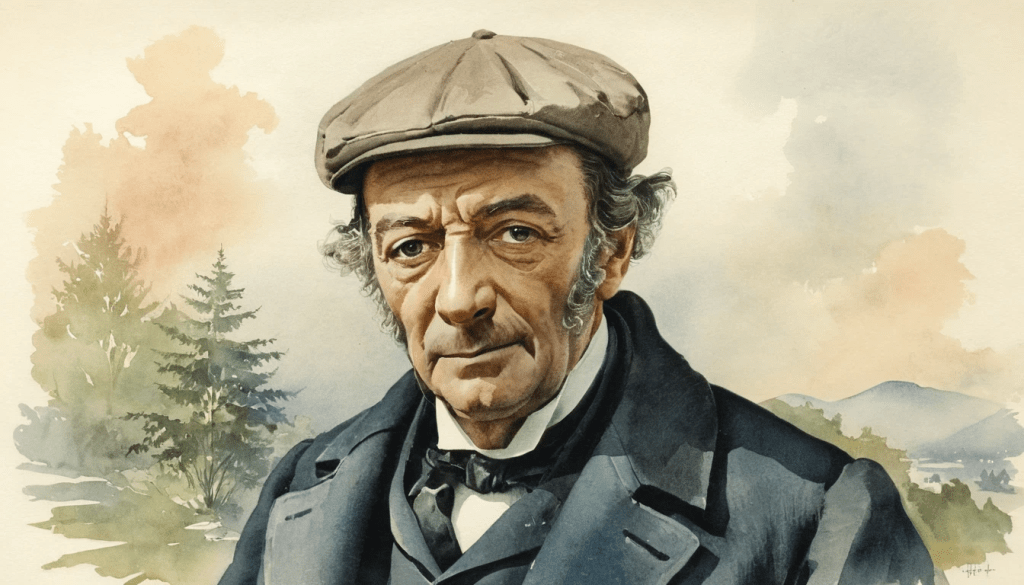
E. T. A. Hoffmann reshaped literary imagination by turning terror inward. His stories fractured reality, destabilized reason, and made the mind itself the stage of fear and wonder. Through translation, his influence transformed English fantasy, horror, and psychological fiction, expanding narrative depth and redefining how literature explores consciousness.
-
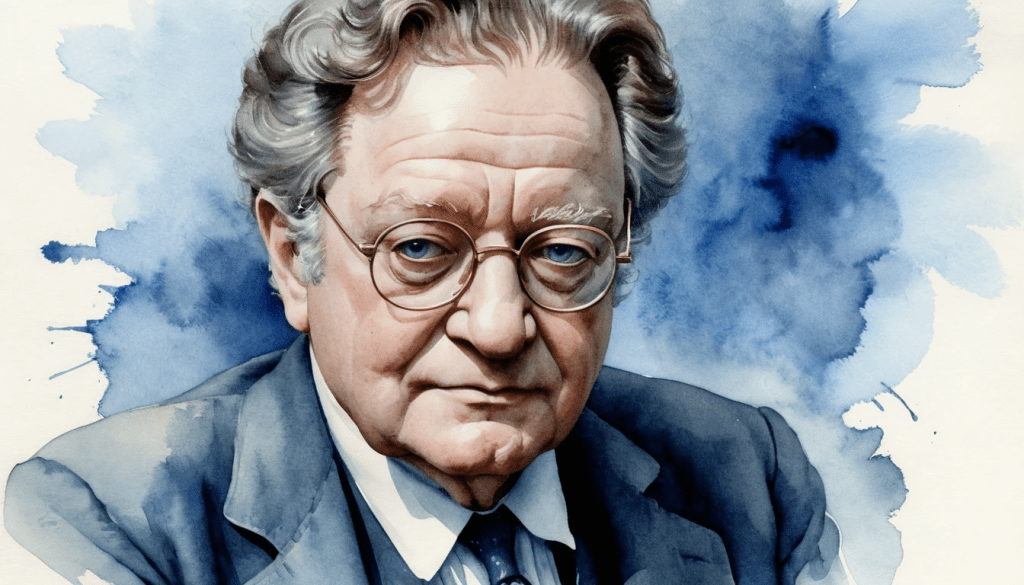
Northrop Frye transformed English criticism by revealing literature as a structured system of recurring myths and archetypes. Through Anatomy of Criticism, he replaced impression with pattern and biography with structure, teaching readers to see English literature as an interconnected imaginative order governed by shared forms and cycles.
-
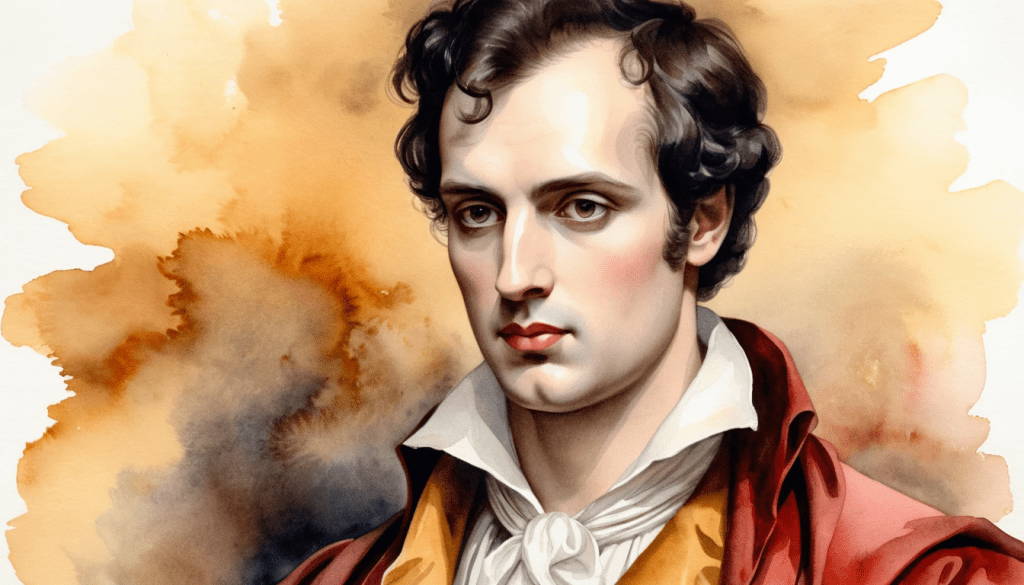
Lord Byron transformed English poetry by making personality a driving force. His verse fused irony and passion, grandeur and mockery, discipline and volatility. Through works like Childe Harold and Don Juan, Byron proved English could sustain emotional risk, tonal freedom, and self-conscious performance without losing intellectual control.
-
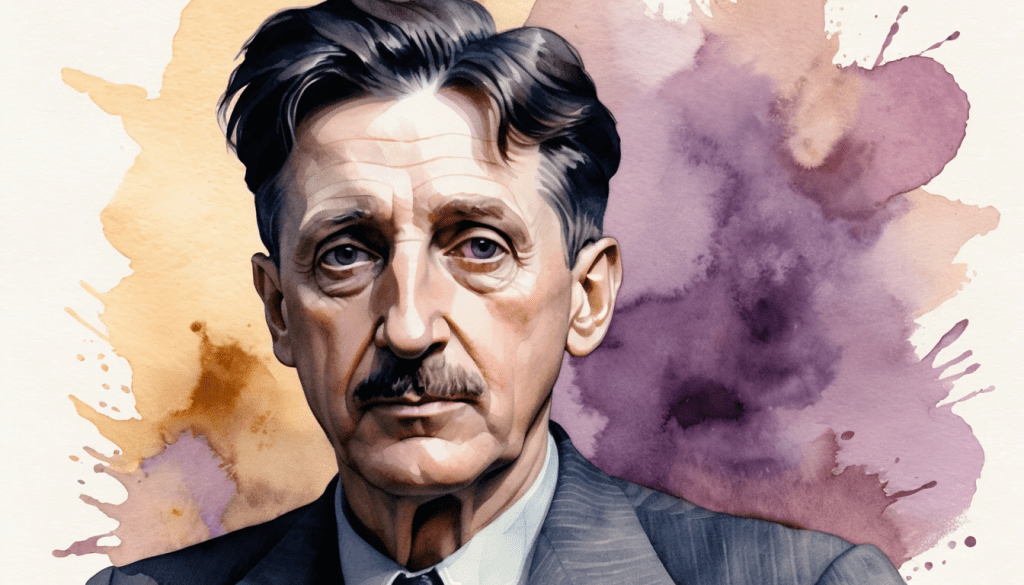
George Orwell’s death left English to guard itself. He had taught the language to value clarity as resistance and precision as ethics. After January 21, 1950, English prose carried his warnings alone, shaped by his insistence that words expose power, resist manipulation, and hold thought morally accountable.
-
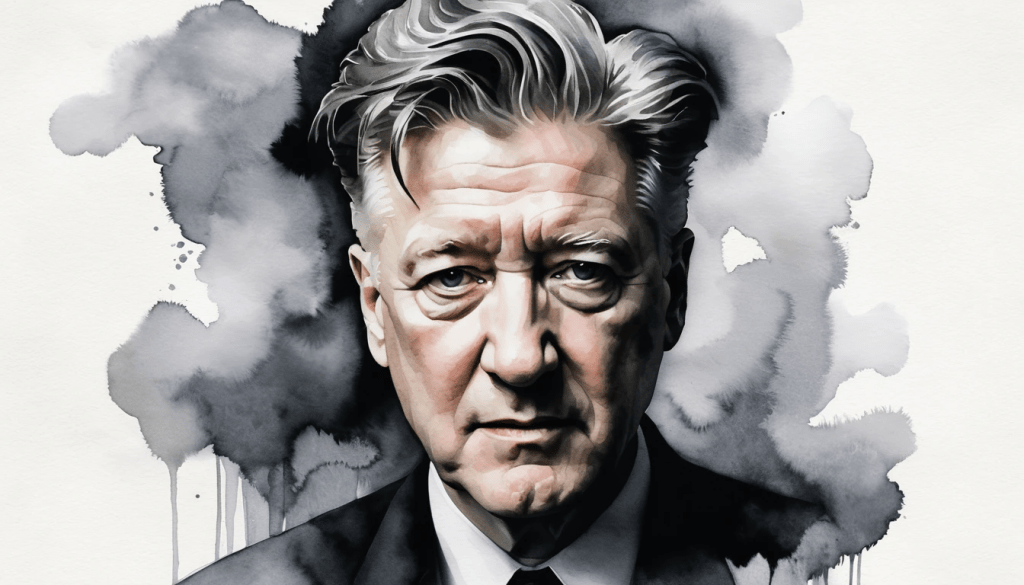
David Lynch reshaped English storytelling by proving that meaning can live in silence and ambiguity. Through dream logic, repetition, and unresolved scenes, he showed that English does not need explanation to communicate. His narratives speak through mood and absence, training the language to suggest rather than conclude, and to let unease become a form of…
-
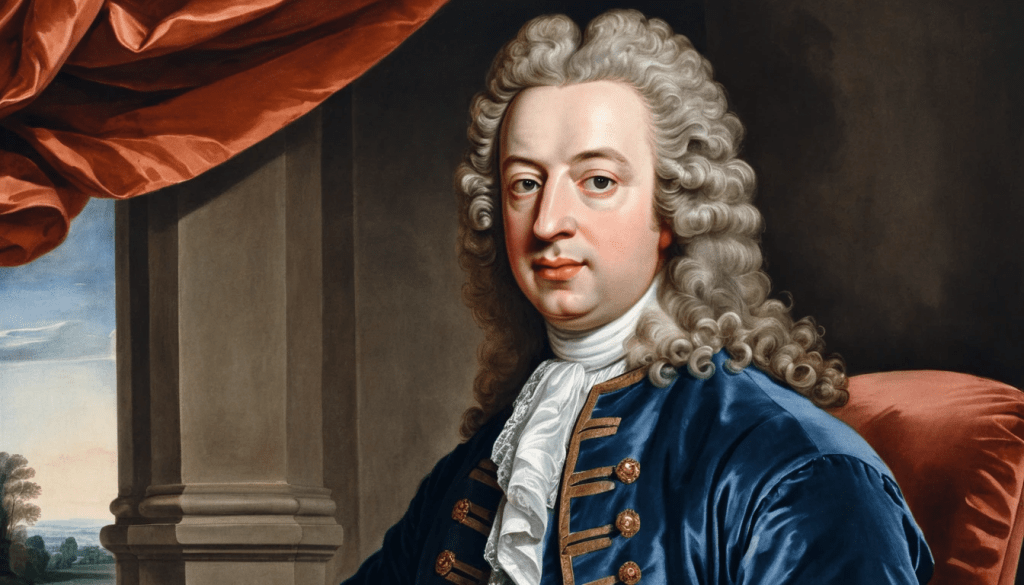
William Congreve refined English comedy into a discipline of precision and balance. His dialogue proved that wit could be elegant without dullness and sharp without cruelty. Through controlled syntax and intellectual play, he trained English to argue gracefully, speak economically, and reward attentive listeners with layered meaning and social intelligence.
-

A. A. Milne taught English how to speak softly without losing depth. Through simple sentences and gentle dialogue, he showed that philosophy can live in kindness, hesitation, and humor. His language respected childlike thought, proving that clarity and emotional intelligence do not require complexity or noise.
-

Jim Carrey’s birth marked a turning point in how English could be performed. His work proved that meaning survives exaggeration, distortion, and silence. By fusing voice, body, rhythm, and absurdity, he revealed English as elastic and resilient—capable of surviving excess while still communicating emotion, critique, and identity.
 What Happened on This Day?