
What Happened on This Day?
-
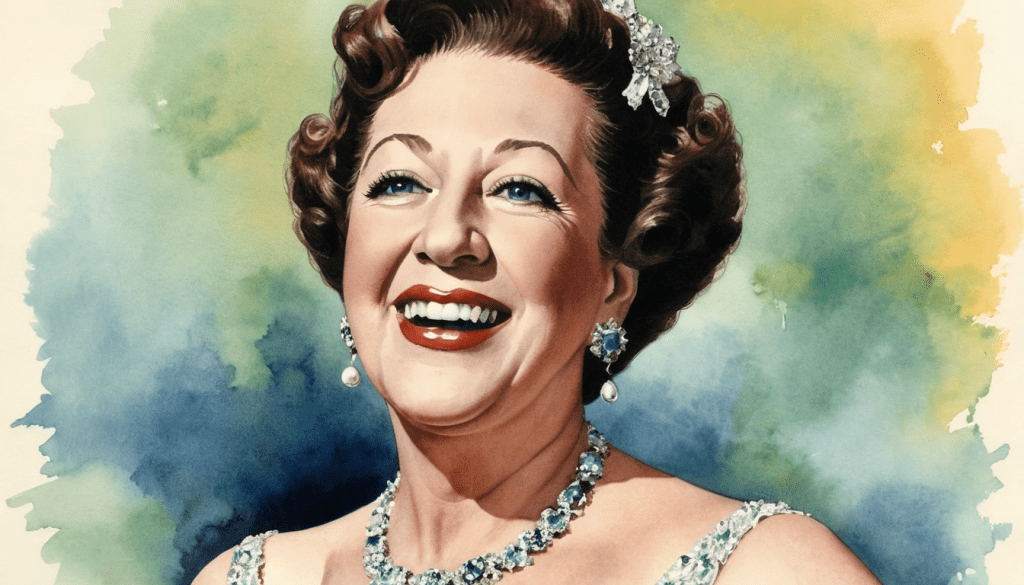
Ethel Merman transformed how English functions when sung on stage. Her unmatched projection and diction proved that clarity need not be sacrificed for power. By preserving stress, rhythm, and intelligibility, she reshaped Broadway lyrics into speech-driven song, establishing a lasting standard for how English could be heard, understood, and remembered in musical theatre.
-
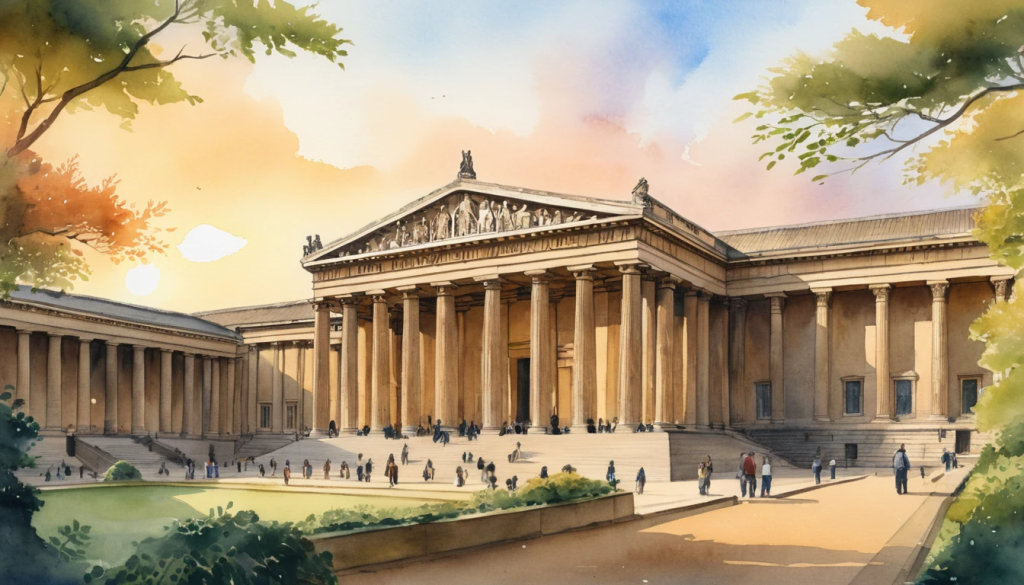
The opening of the British Museum in 1759 transformed English into a language with public memory. Knowledge, texts, and artifacts became accessible to all, shaping English as a medium of scholarship, evidence, and historical consciousness. From that moment, English evolved not only as expression, but as preservation, interpretation, and shared cultural record.
-
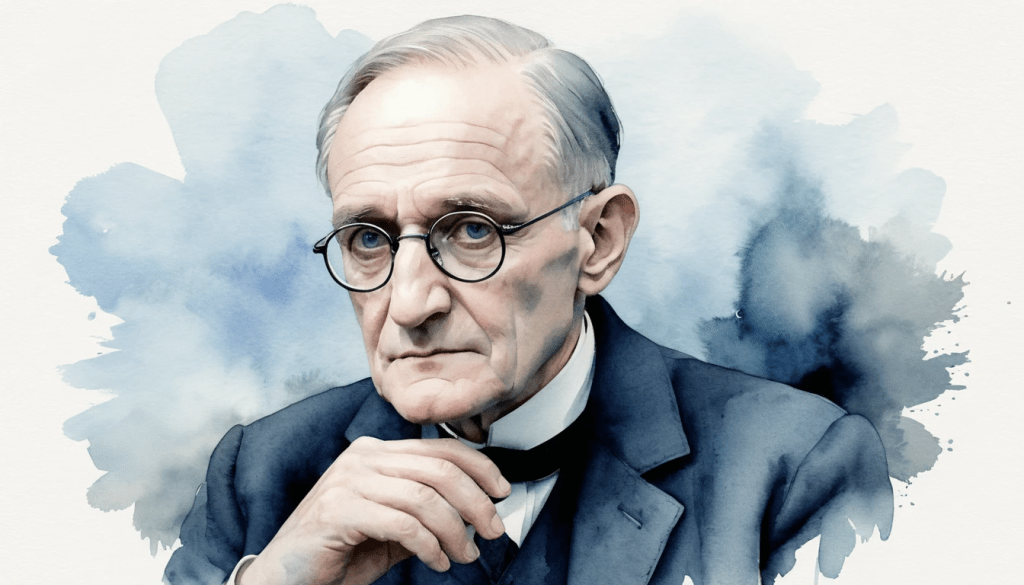
Martin Niemöller’s legacy endures in English through a single translated sentence that reshaped moral language. “First they came…” gave English a way to name silence as action, inaction as guilt, and responsibility as cumulative. Through repetition and structure, it became a permanent ethical framework embedded in global discourse.
-

David Mitchell transformed English fiction into a system of intersecting voices and times. His novels move fluidly across centuries, genres, and dialects, proving that English can sustain radical structural complexity while remaining emotionally precise. Through recursion and plurality, he reshaped the novel into a networked form suited to a global, interconnected age.
-
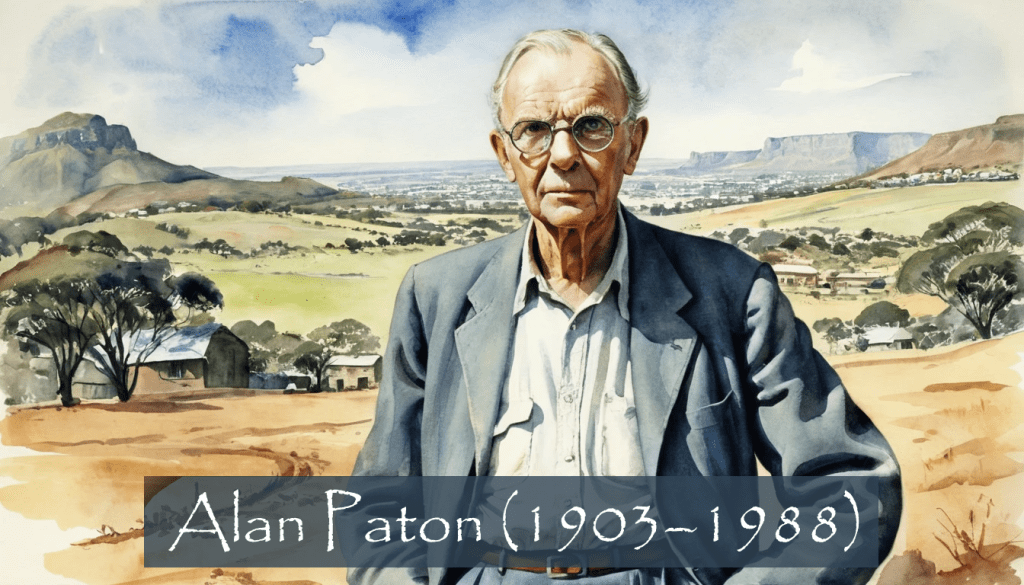
Born in 1903, Alan Paton transformed inherited English into a language of conscience. Through biblical cadence, restraint, and moral clarity, he showed that English could confront racial injustice without violence, carrying sorrow, empathy, and hope. His prose proved clarity itself could be an ethical force in a divided world.
-
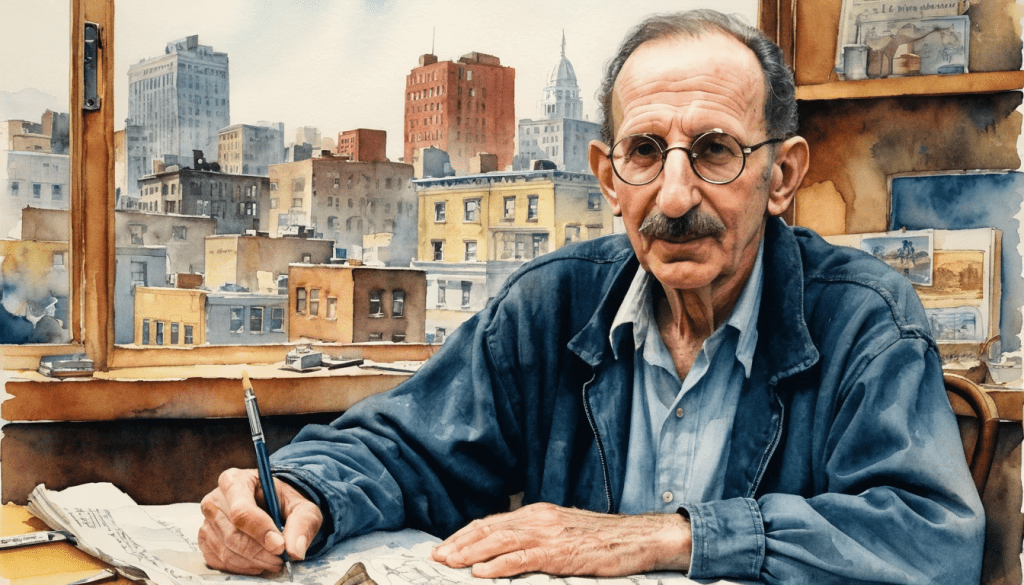
Born in Detroit, Philip Levine taught American poetry to listen to labor. His plainspoken English carried factories, fatigue, and moral clarity into verse, proving working-class speech could bear philosophy, anger, and dignity. Poetry learned to speak without ornament, for lives previously unheard, and the language never narrowed again afterward ever.
-

The end of the Gallipoli campaign forced English war language to abandon heroic illusion. Letters, diaries, and reports replaced glory with restraint, irony, and loss. Defeat demanded plain speech, teaching English how to describe endurance without victory and failure without myth, reshaping modern war prose permanently and globally across voices.
-
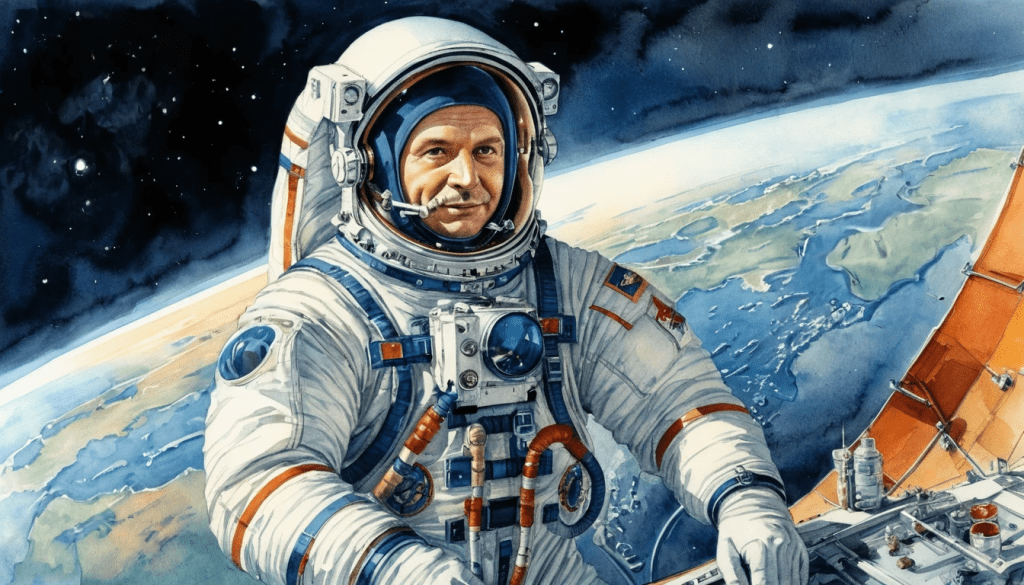
Valeri Polyakov’s 437-day mission forced English to describe endurance rather than events. Scientific prose learned to track routine, isolation, and gradual change with precision. Time became data, not drama, expanding English’s capacity to sustain clarity across months of human adaptation beyond Earth under unprecedented orbital conditions and extended confinement alone.
-
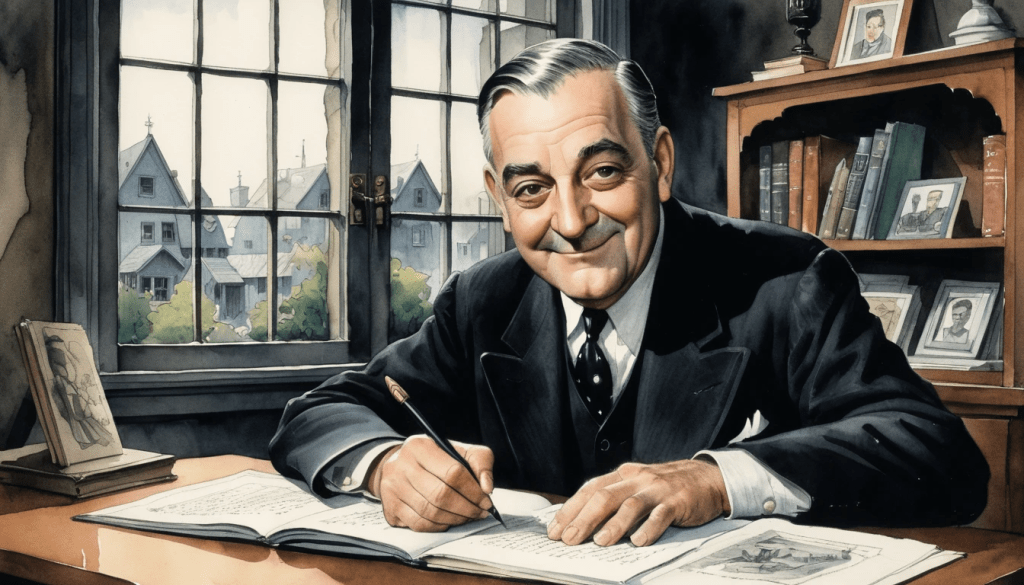
Charles Addams mastered deadpan English, pairing flawless politeness with gothic absurdity. Through minimal captions and visual prose, he taught language to whisper horror calmly. His irony reshaped American humor, proving grammar can remain innocent while meaning turns macabre, and comedy emerges from restraint, not exaggeration, and visual understatement endures today.
-
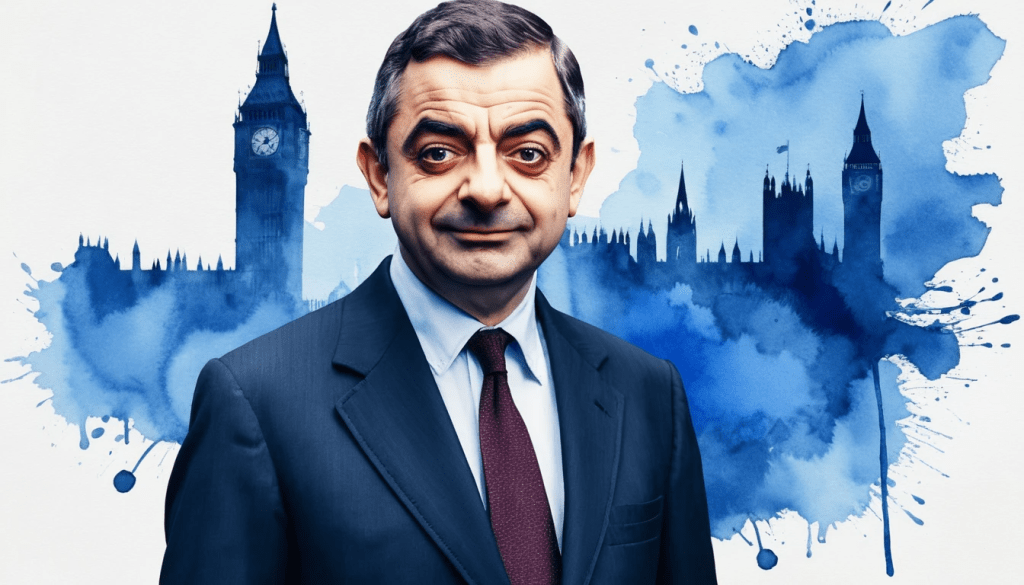
Rowan Atkinson redefined English expression by mastering precision, silence, and structure. His comedy treats language as an engineered system, where pauses replace clauses and gestures function as grammar. From Blackadder to Mr Bean, meaning survives with minimal words, revealing that English lives as much in inferencez what is unsaid as what is spoken.
 What Happened on This Day?