
2025 April
-
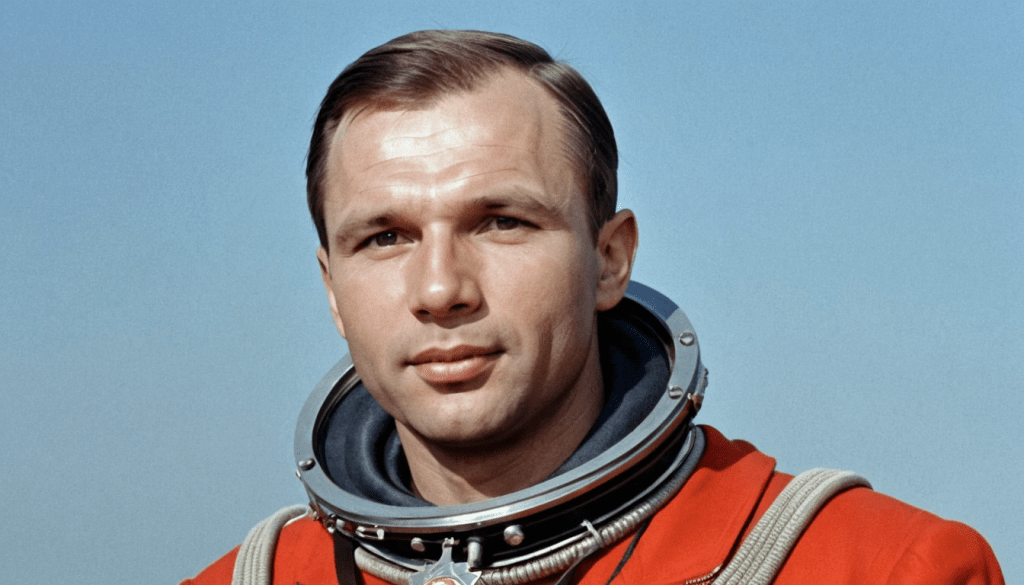
Yuri Gagarin’s spaceflight on April 12, 1961, didn’t just orbit Earth—it reshaped the English language. Words like “cosmonaut,” “liftoff,” and “zero gravity” gained global recognition, launching a new vocabulary that fused science, ambition, and imagination into everyday speech and culture. His journey marked a linguistic and technological milestone.
-

Born on April 11, 1903, Misuzu Kaneko became a quiet force in poetry, blending empathy, nature, and emotional intelligence. Her verse, rediscovered decades after her death, has shaped English children’s literature through its tender simplicity, profound perspective, and soft power—showing that gentleness can be as revolutionary as brilliance.
-
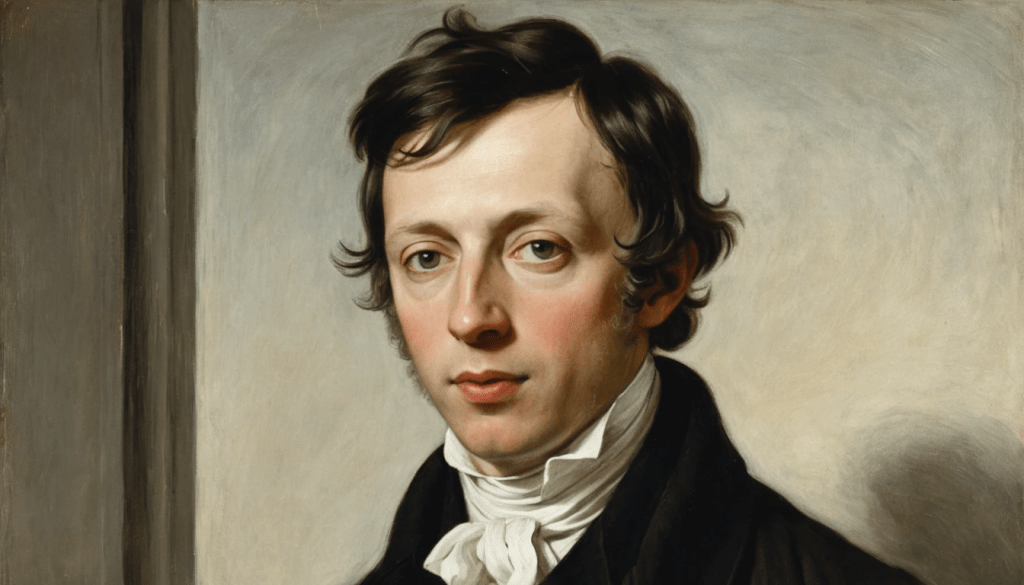
Born April 10, 1778, William Hazlitt transformed English literature through essays that fused intellect and emotion. His vivid style, critical insight, and personal voice helped define the Romantic era and shaped modern literary thought, influencing generations of writers and deepening the way we reflect on art, politics, and human nature.
-
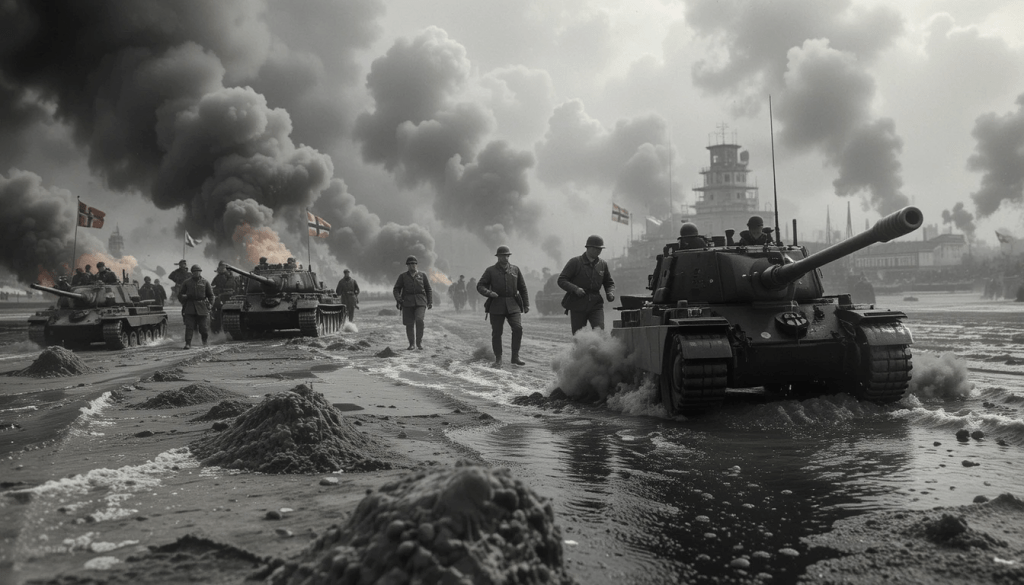
On April 9, 1940, Nazi Germany invaded Denmark and Norway in Operation Weserübung, marking a turning point in World War II. Beyond its military impact, the campaign shaped strategic English vocabulary with terms like blitzkrieg, Quisling, and preemptive strike, embedding them in the language of warfare and diplomacy.
-
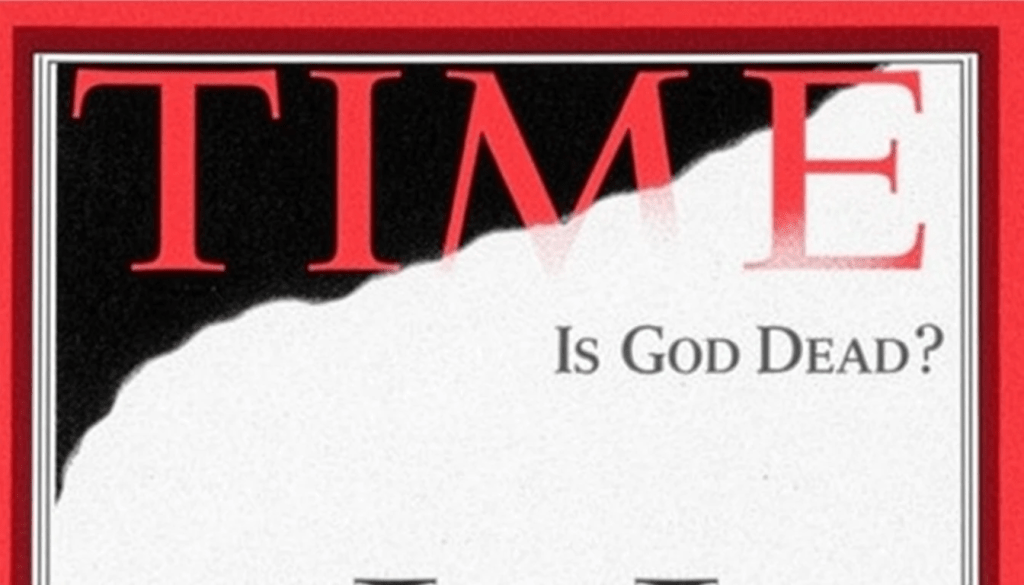
Time’s 1966 “Is God Dead?” cover ignited a national debate by elevating academic theology into public consciousness. Its minimalist design, rhetorical punch, and cultural ambiguity made it iconic. Beyond religion, it shaped media language, sparked existential reflection, and cemented its place in journalism history as a turning point in American discourse.
-
On April 7, 1948, the World Health Organization was founded, marking a new era in global health. Beyond coordinating medical efforts worldwide, the WHO shaped international vocabulary, standardizing terms like pandemic, primary health care, and universal coverage, making health discourse more accessible, precise, and influential across cultures and languages.
-
When the U.S. entered World War I on April 6, 1917, it didn’t just change history—it changed language. Words like “doughboy,” “shell shock,” and “home front” emerged, shaping how Americans talked about war, duty, and trauma. From slang to slogans, the conflict left a permanent mark on English vocabulary.
-
Carrie revolutionized horror fiction upon its release on April 5, 1974, fusing supernatural terror with psychological realism. Stephen King’s debut not only redefined genre storytelling but also reshaped English vocabulary—introducing terms like “prom night horror” and “telekinetic rage” that remain embedded in how we discuss fear, trauma, and emotional breakdowns today.
-
Founded on April 4, 1975, Microsoft ignited a digital revolution that forever changed computing—and language. From “Windows” and “PC” to “PowerPoint” and “Cloud,” Microsoft didn’t just shape technology; it coined and popularized the vocabulary that defines the digital age. Its linguistic legacy continues to grow with each innovation.
-
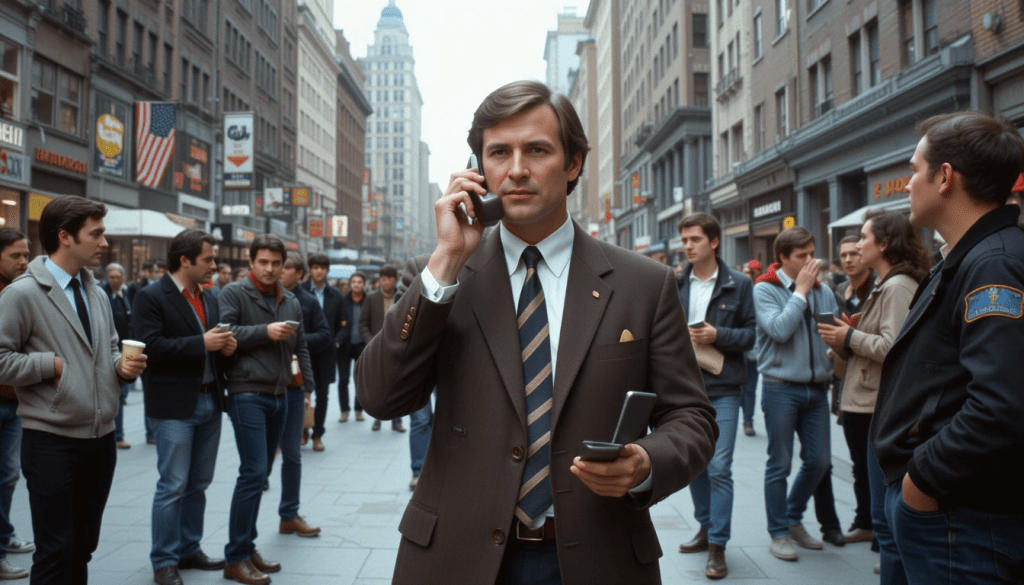
On April 3, 1973, Martin Cooper made history by making the first public call from a handheld mobile phone. Calling his rival from a New York street, he ushered in a new era of communication, forever changing how people connect and introducing new words that remain essential to modern language.
 What Happened on This Day?