
2025 February
-
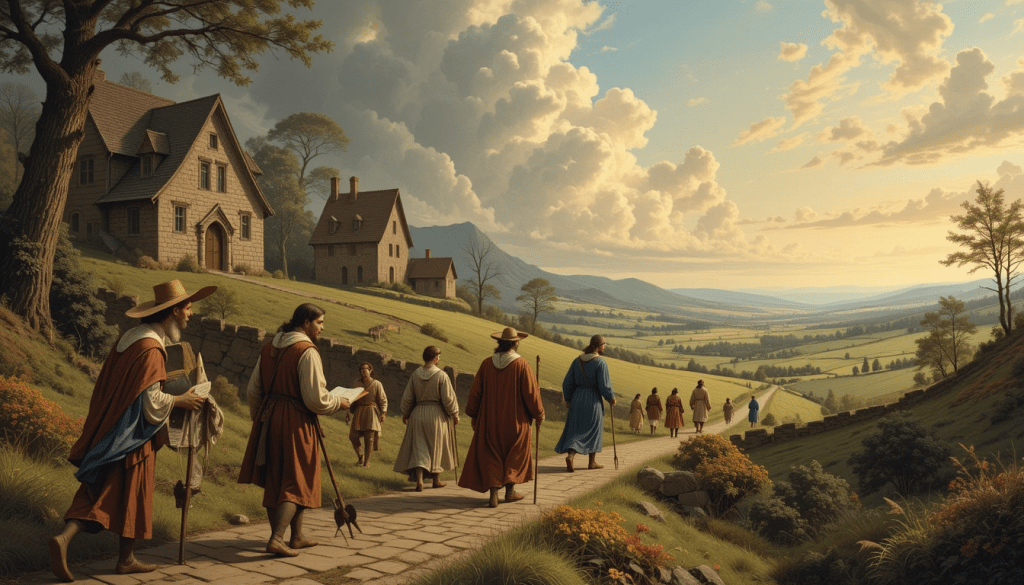
On February 18, 1678, John Bunyan published The Pilgrim’s Progress, a Christian allegory that shaped English literature. Written in prison, its story of Christian’s journey influenced storytelling, language, and culture, introducing iconic phrases and leaving an unmatched literary legacy.
-

On February 17, 1600, Giordano Bruno was executed for heresy, his belief in an infinite universe challenging religious doctrine. His ideas shaped scientific vocabulary, philosophical discourse, and English literature, influencing thinkers from Newton to Shakespeare. His execution remains a symbol of the struggle between intellectual freedom and institutional dogma.
-

On February 16, 1968, the first 9-1-1 call in the U.S. was made in Haleyville, Alabama, marking a revolution in emergency response. This system standardized public safety communication, improving response times and coordination. Today, 9-1-1 remains essential, evolving with technology to enhance emergency services nationwide.
-

On February 15, 1493, Columbus wrote a letter to Spain’s monarchs, describing the New World. His report not only shaped European exploration but also introduced indigenous words like “canoe” and “hurricane” into English, enriching the language with terms that described unfamiliar landscapes, foods, and cultures from across the Atlantic.
-
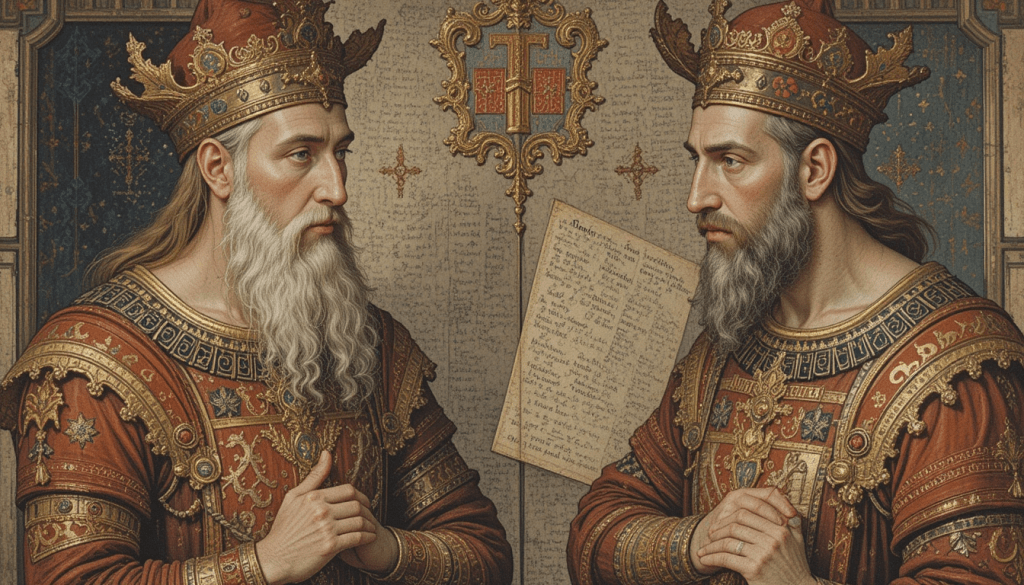
On February 14, 842, Charles the Bald and Louis the German swore the Oaths of Strasbourg, marking the first known written use of Old French and Old High German. This event not only shaped European languages but also signaled the political fragmentation of Charlemagne’s empire, influencing France and Germany’s identities.
-
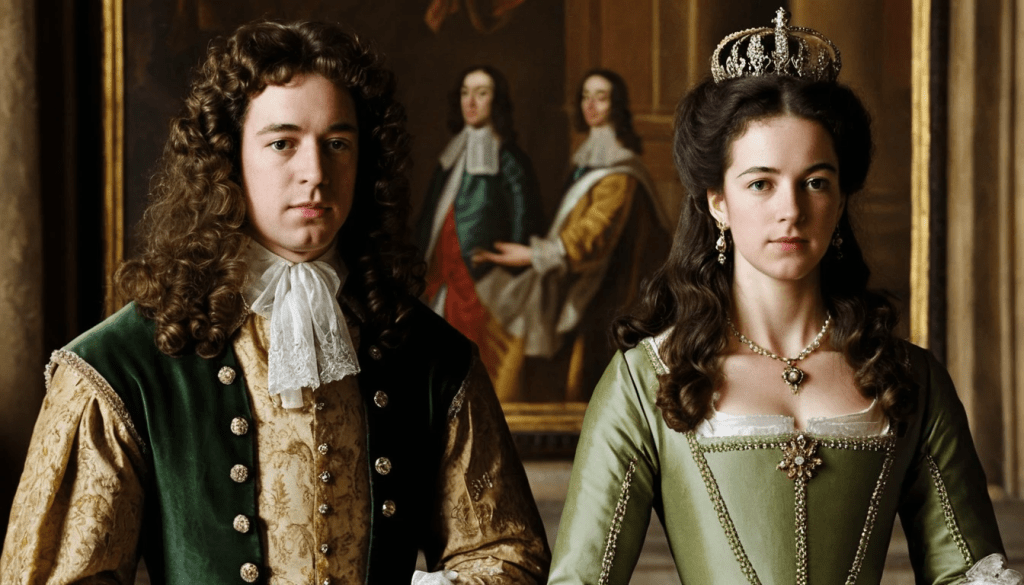
On February 13, 1689, William III and Mary II became joint monarchs, transforming England into a constitutional monarchy. Their reign introduced key political terms like “Bill of Rights” and “parliamentary sovereignty,” shaping modern governance. This linguistic shift influenced democratic principles worldwide, embedding new legal and political discourse into English.
-

On February 12, 1554, Lady Jane Grey, the “Nine Days’ Queen,” was executed for treason. Her tragic fate shaped the English language, cementing expressions like Nine Days’ Wonder and terms like “usurper” and “rightful heir,” reinforcing debates on monarchy, legitimacy, and power.
-
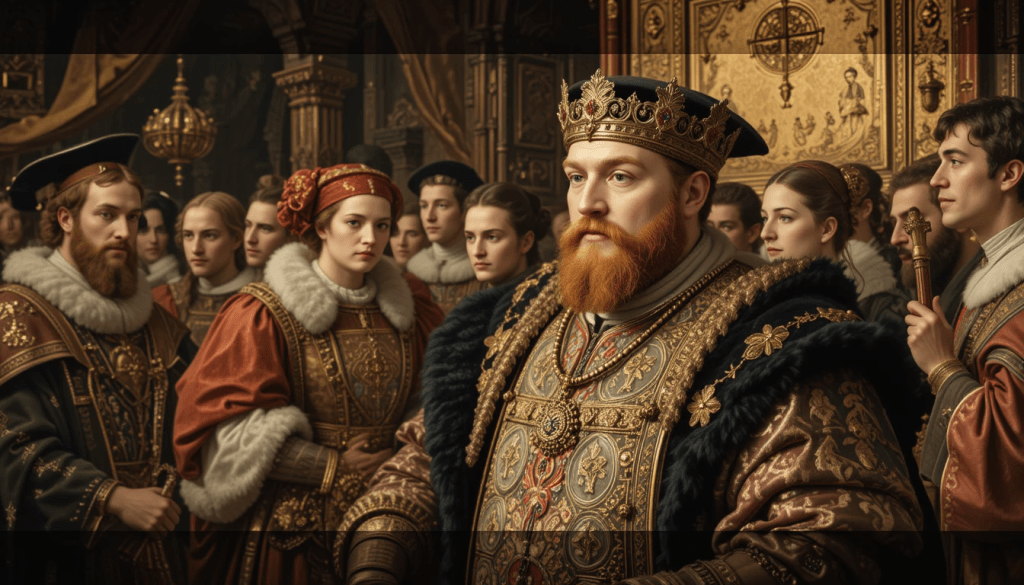
On February 11, 1531, Henry VIII was declared Supreme Head of the Church of England, sparking the English Reformation. This shift introduced theological, political, and legal terms that shaped modern English, from “heresy” to “excommunication,” reinforcing the monarchy’s power and standardizing religious discourse in the English language.
-
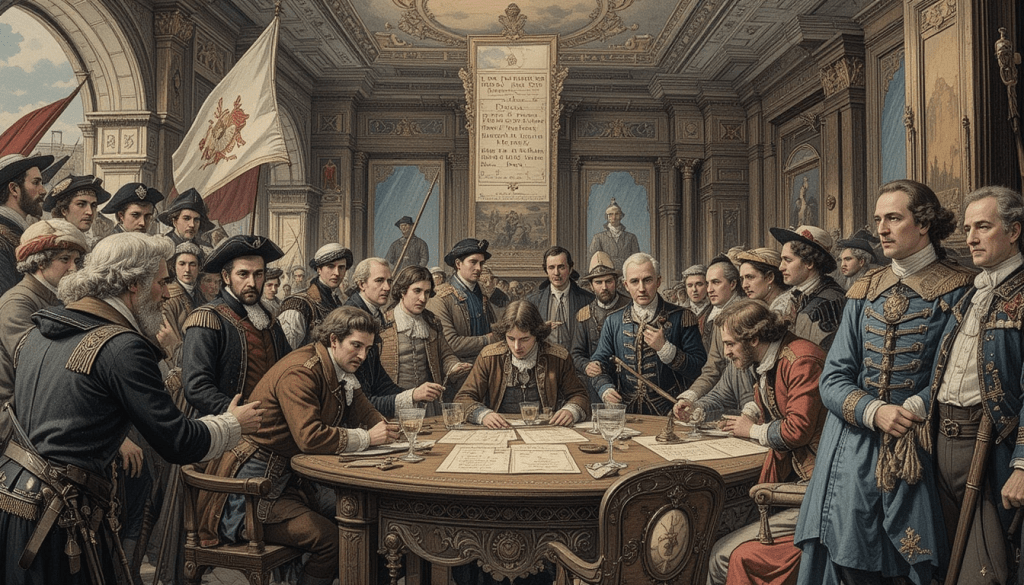
The Treaty of Paris (1763) ended the Seven Years’ War, reshaping global power and accelerating English’s spread. Britain gained vast territories, embedding English in governance, diplomacy, and trade. This linguistic expansion introduced key political terms and absorbed foreign words, solidifying English’s role as a dominant global language.
-

The first recorded horse race in Chester on February 9, 1540, helped shape the English language. Phrases like “dark horse” and “neck and neck” emerged from the racetrack, influencing politics, business, and everyday speech. Horse racing’s linguistic impact gallops far beyond the sport, proving its lasting cultural significance.
 What Happened on This Day?