
2026 May
-
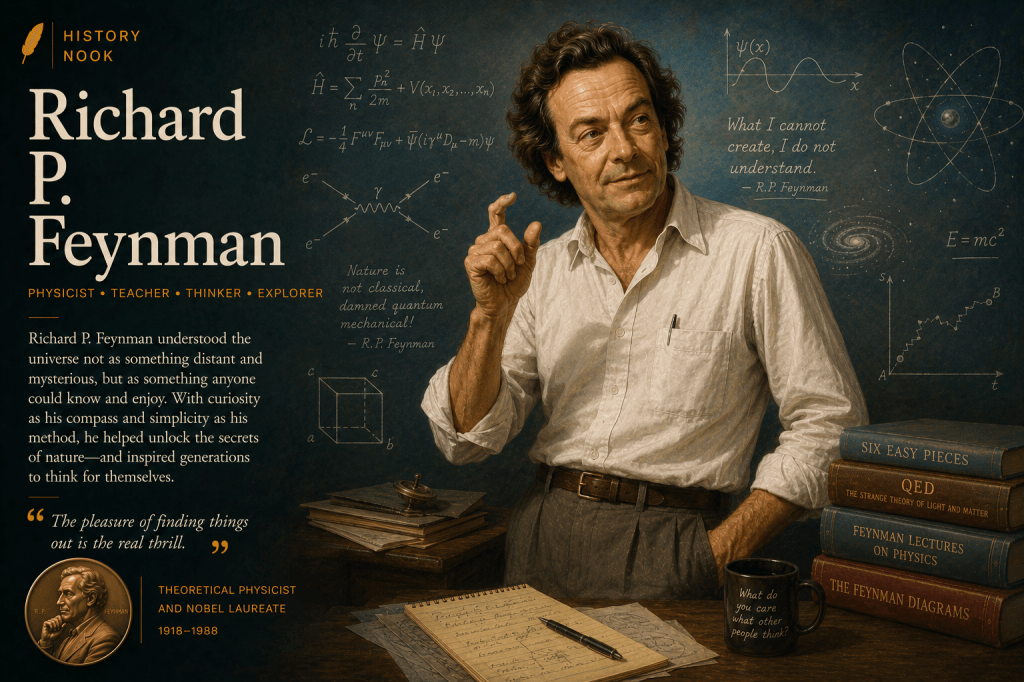
Richard P. Feynman helped transform scientific English through clarity, curiosity, and conversational explanation. By making advanced physics understandable without sacrificing precision, he reshaped how science is taught, written, and shared with the wider public.
-
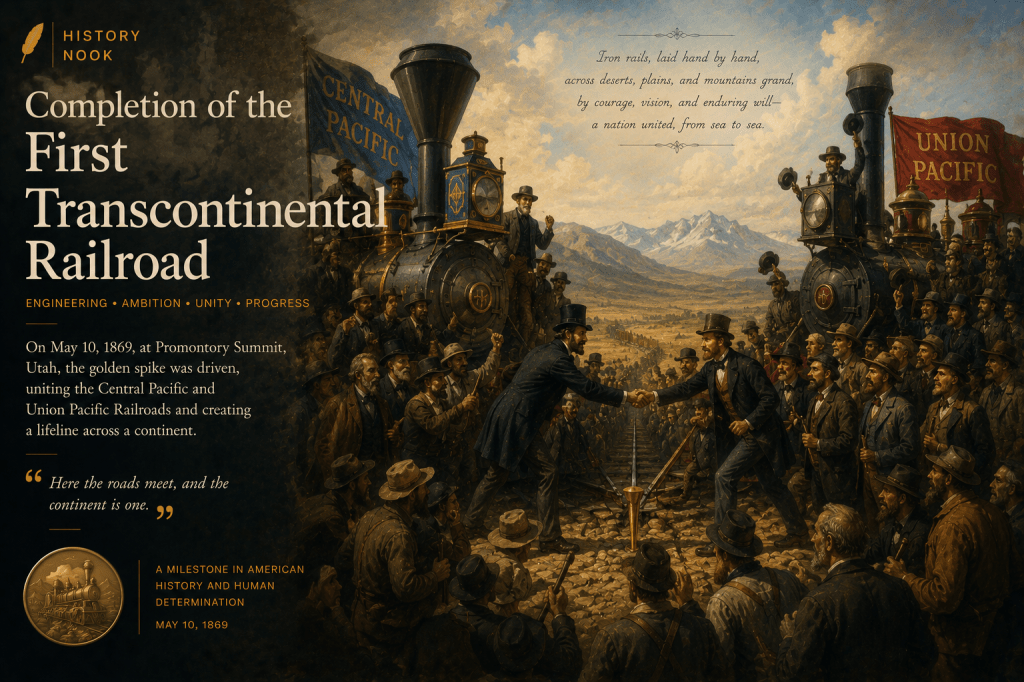
The completion of the First Transcontinental Railroad in 1869 changed more than transportation. By accelerating travel, journalism, trade, and migration, it helped bring regional forms of American English into contact—strengthening a more connected and increasingly unified national language.
-
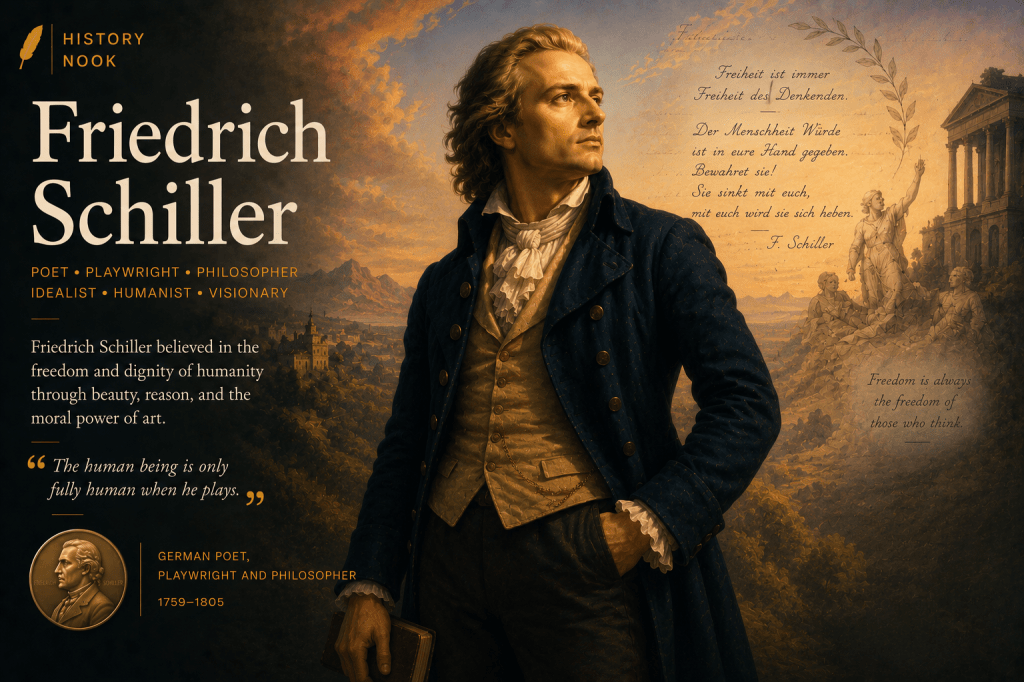
Friedrich Schiller helped expand the emotional and philosophical range of English literature. Through poetic drama, Romantic idealism, and translated prose, his influence shaped how English writers expressed freedom, beauty, moral struggle, and intellectual ambition.
-
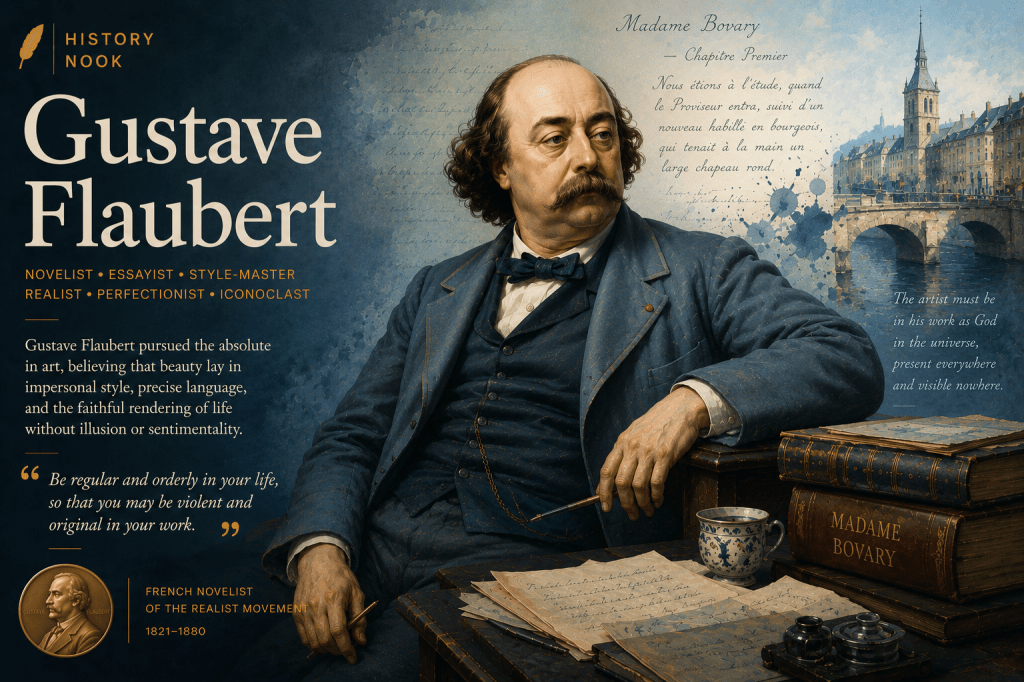
Gustave Flaubert helped reshape modern English fiction through precision, realism, and stylistic discipline. Though he wrote in French, his influence transformed how English prose approached narrative voice, psychological depth, and the pursuit of the exact right word.
-
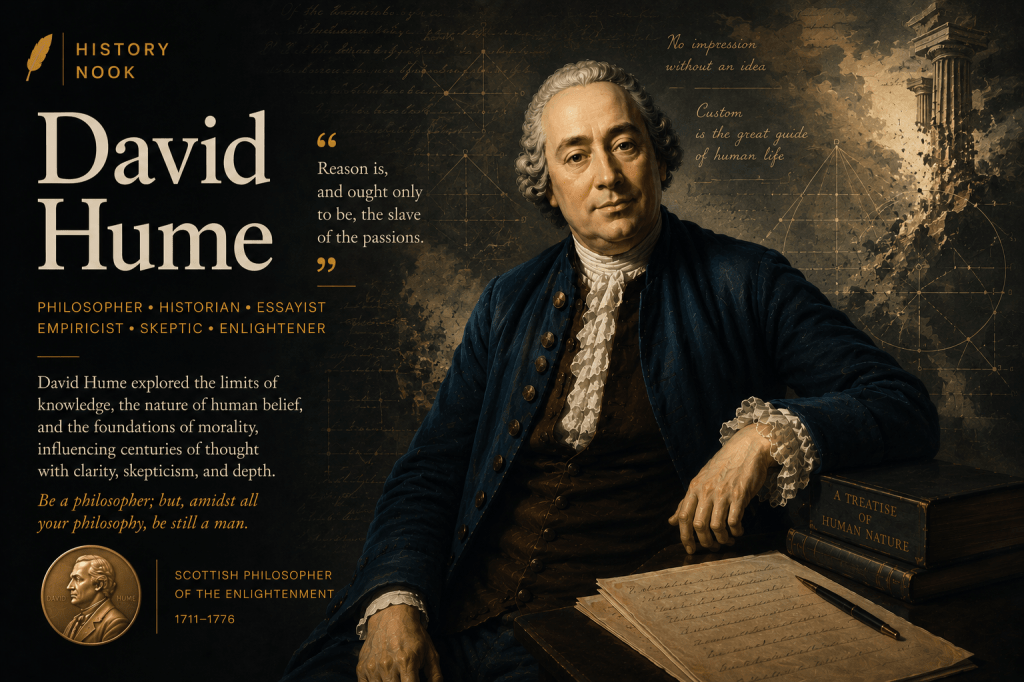
David Hume helped shape English into one of the world’s great languages of inquiry. Through clear, balanced, and skeptical prose, he transformed philosophical writing—showing that complex ideas could be expressed with precision, readability, and disciplined reasoning.
-
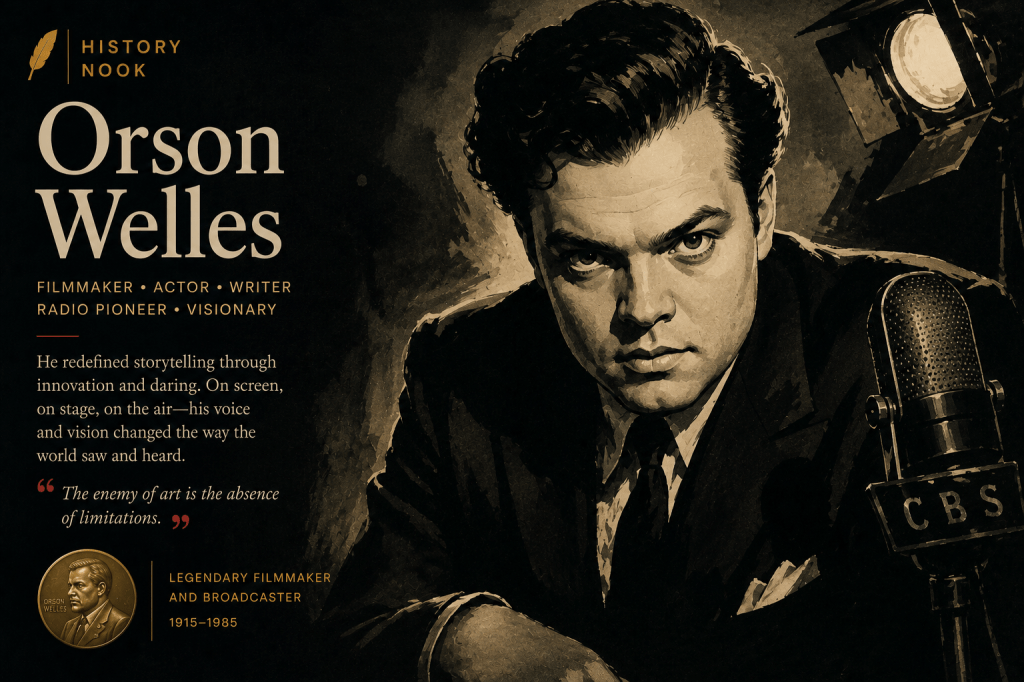
Orson Welles helped transform English into a language of performance. Through radio, theatre, and film, he showed that voice—through rhythm, tone, and silence—can shape meaning as powerfully as words themselves, redefining how English is heard and experienced.
-

Nellie Bly helped transform journalistic English by making reporting more immediate, vivid, and human. Through firsthand investigation and clear, reader-centered prose, she brought journalism closer to lived experience—reshaping how English newspapers sounded and how readers entered the story.
-
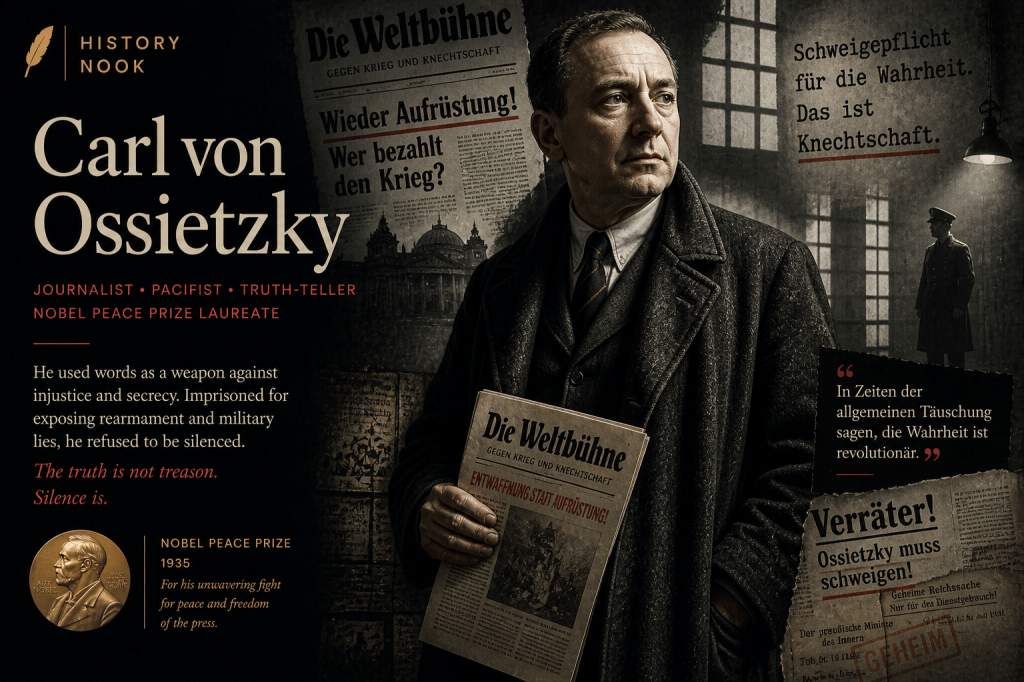
Carl von Ossietzky helped shape a sharper political English. Through investigative journalism, moral clarity, and translated political writing, his work strengthened the language of accountability—showing that English could do more than report power. It could expose it, challenge it, and name what it tried to hide.
-
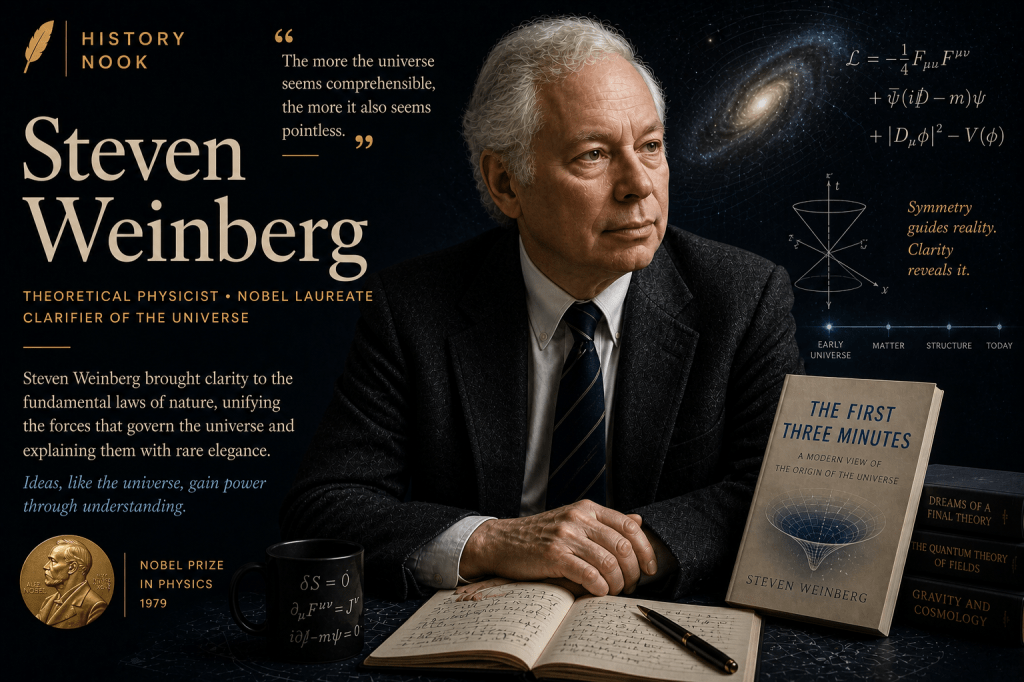
Steven Weinberg helped show that scientific English could be both exact and readable. Through clear, disciplined prose, he made advanced physics more accessible to specialists and general readers alike—strengthening English as a language not only of scientific discovery, but of scientific understanding.
-
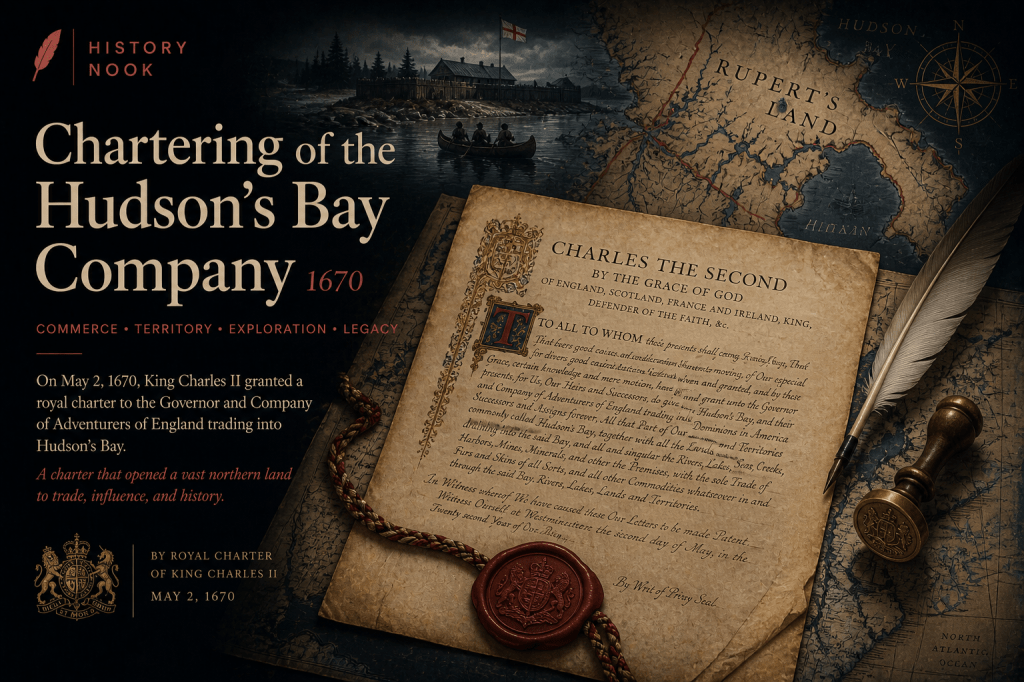
Chartered in 1670, the Hudson’s Bay Company helped carry English across northern North America through trade, mapping, and administration. As the language moved through commerce and colonial contact, it absorbed new vocabulary, place-names, and systems of record—expanding not only its reach, but its role in power and territorial control.
 What Happened on This Day?