
2026 May
-

The founding of the American Red Cross helped shape modern humanitarian and medical English. As disaster relief and emergency medicine expanded, English evolved into a clearer and more standardized language of crisis response, public care, and international coordination.
-
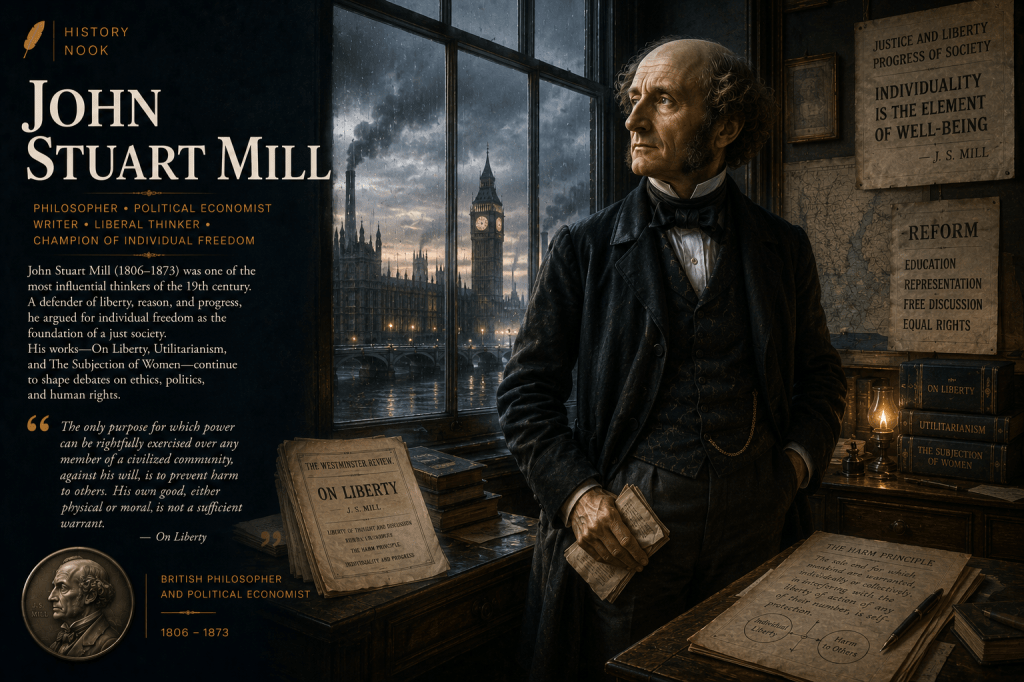
John Stuart Mill helped transform English into a language of analytical thought, public reasoning, and modern intellectual debate. Through clarity, logic, and civic engagement, his prose shaped philosophical writing, political vocabulary, and the evolution of modern nonfiction in English.
-

T. E. Lawrence transformed English literary nonfiction through autobiographical intensity, descriptive power, and rhetorical precision. Through Seven Pillars of Wisdom, he helped show that factual prose could achieve the emotional depth, atmosphere, and artistry traditionally associated with the novel.
-
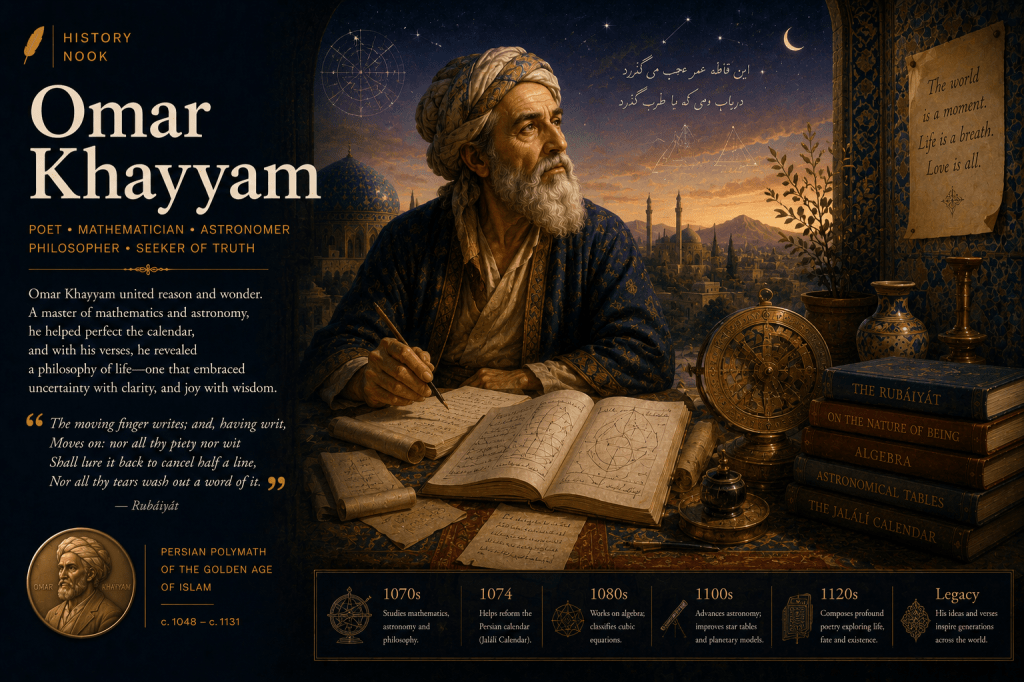
Through the Rubáiyát, Omar Khayyam profoundly influenced English poetry despite writing in Persian. Its reflective melancholy, memorable aphorisms, and lyrical treatment of time and mortality reshaped Victorian poetic language and became part of English literary culture itself.
-
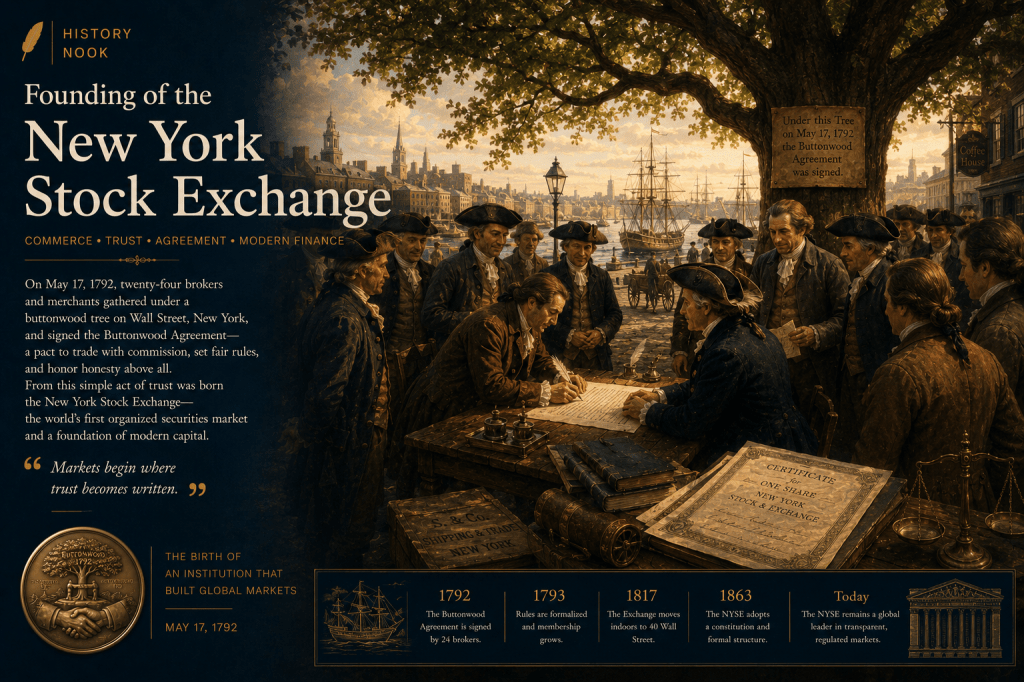
The founding of the New York Stock Exchange in 1792 helped standardize the language of finance in English. As organized markets expanded, English developed clearer vocabulary for trade, investment, ownership, and risk—shaping modern business communication and financial journalism.
-
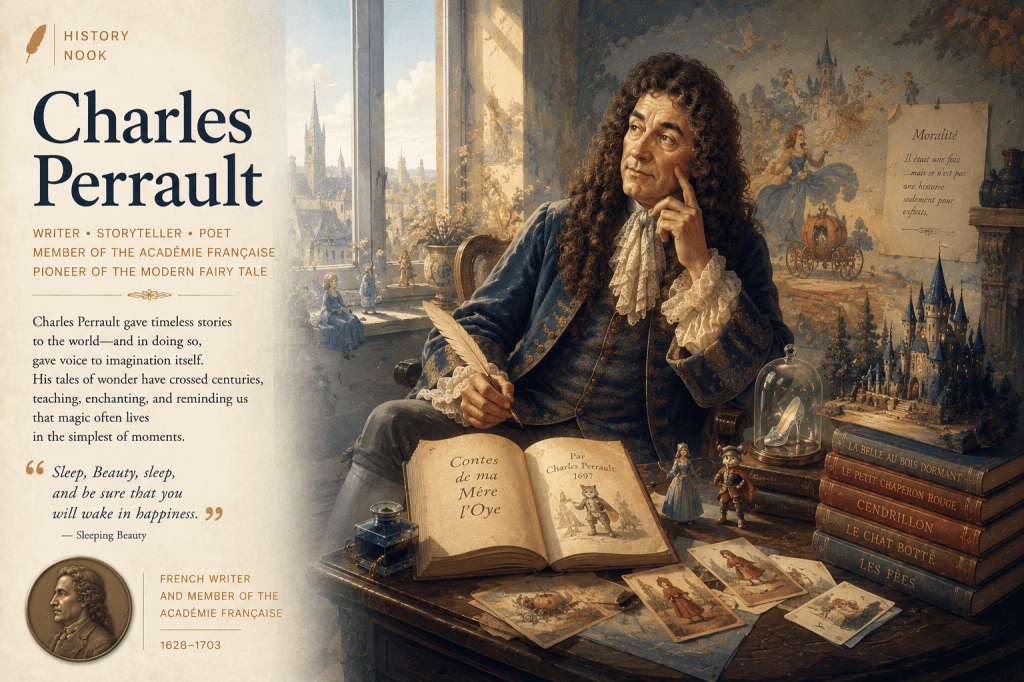
Charles Perrault helped shape English storytelling through fairy tales that became part of global literary culture. Through translation and retelling, stories such as Cinderella and Little Red Riding Hood transformed the language of childhood, imagination, and symbolic narrative in English.
-
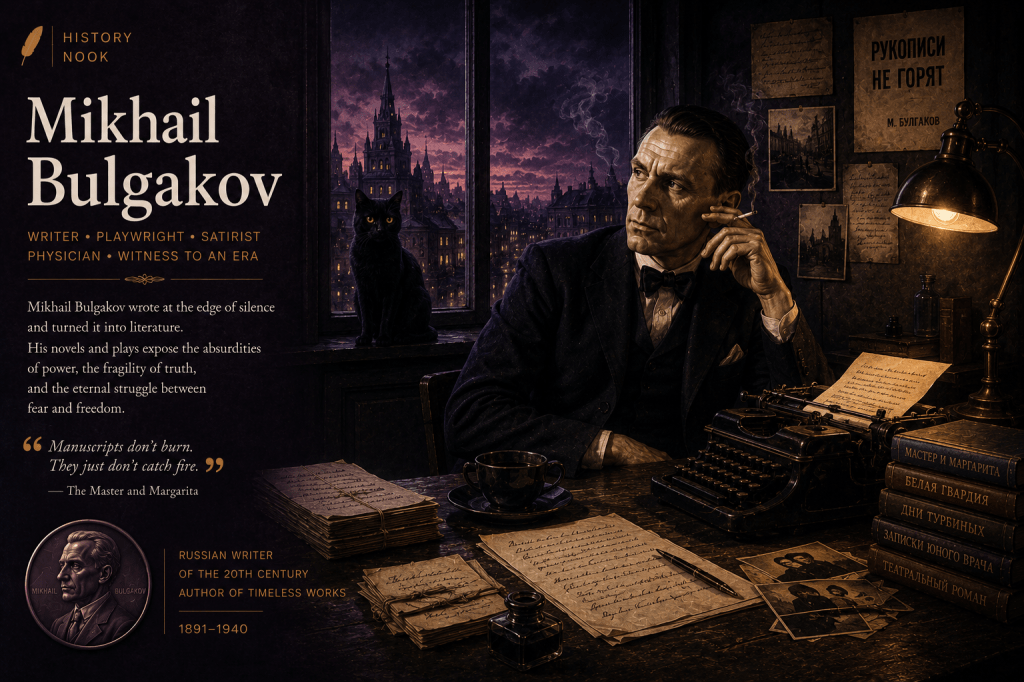
Mikhail Bulgakov expanded modern English fiction through satire, surrealism, and philosophical narrative. Through translation and literary influence, his work helped English prose become more experimental, symbolically daring, and capable of confronting the absurd contradictions of modern life.
-
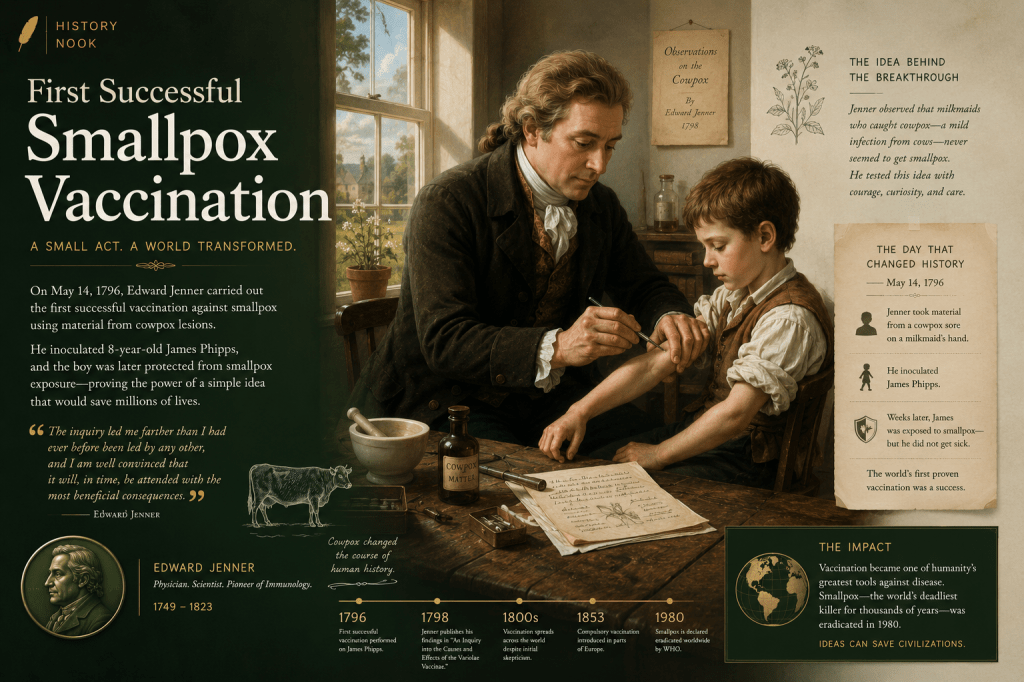
The first successful smallpox vaccination in 1796 transformed both medicine and English. Through the rise of words such as vaccine, vaccination, and immunity, English gained a new vocabulary for prevention, public health, and collective protection.
-
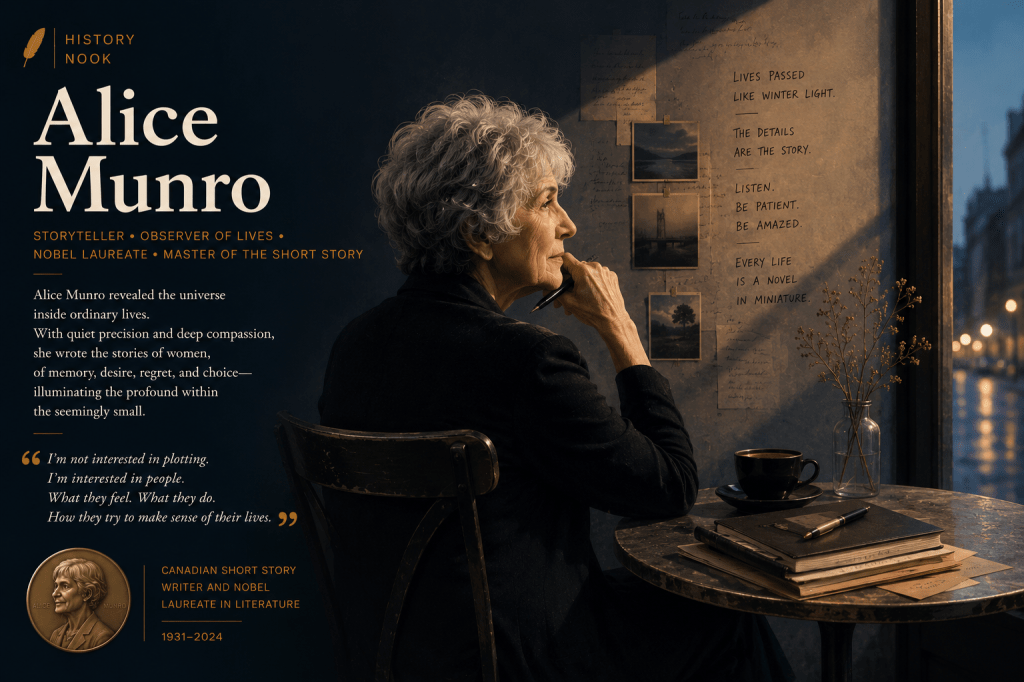
Alice Munro transformed modern English short fiction through precision, restraint, and psychological depth. By proving that short stories could carry the emotional and structural complexity of novels, she reshaped contemporary literary prose across the English-speaking world.
-
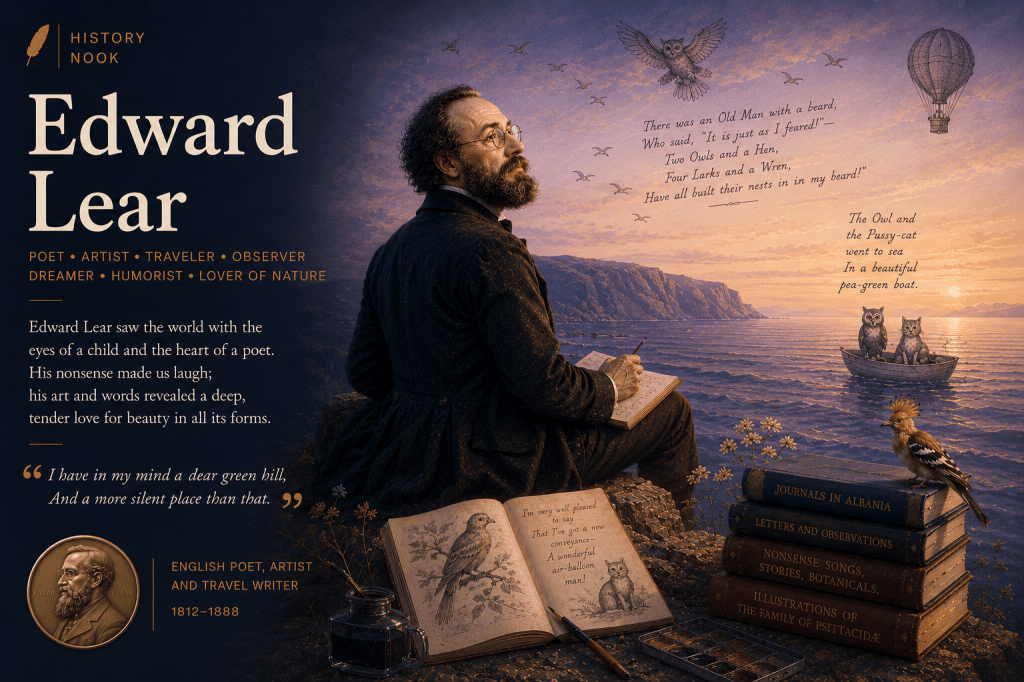
Edward Lear transformed English through nonsense verse, playful rhythm, and invented language. By treating absurdity as serious literary art, he helped make English more imaginative, musical, and delightfully unpredictable—shaping children’s literature, comic poetry, and linguistic play for generations.
 What Happened on This Day?