
November 2024
-

November 10, 1483 Martin Luther, born on November 10, 1483, became one of the most influential figures in religious history by sparking the Protestant Reformation in 1517, a movement that reshaped not only religious practices but also the language of faith, philosophy, and personal conscience in English. By challenging the authority of the Catholic Church,…
-
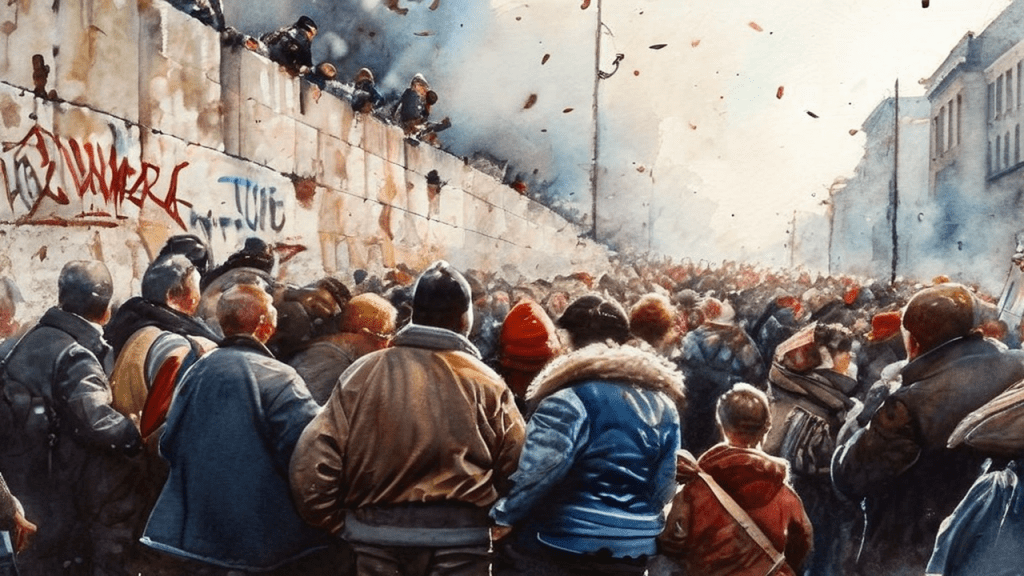
November 9, 1989 On November 9, 1989, the Berlin Wall, a powerful symbol of the Cold War, was breached. This event marked not only the beginning of German reunification but also the end of an era defined by global tension, nuclear standoffs, and ideological division between East and West. The fall of the Berlin Wall…
-
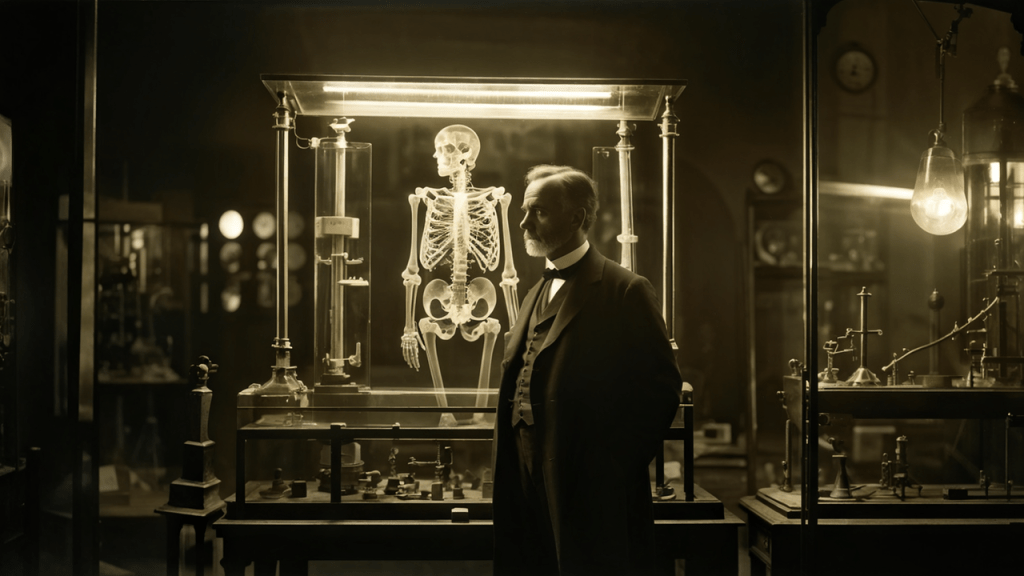
November 8, 1895 On November 8, 1895, Wilhelm Röntgen’s discovery of X-rays marked a breakthrough in medical and scientific fields, introducing transformative vocabulary into the English language. As Röntgen’s work revealed the ability of X-rays to visualize the interior of the human body, terms such as “X-ray,” “radiology,” and “imaging” became essential to medicine, physics,…
-
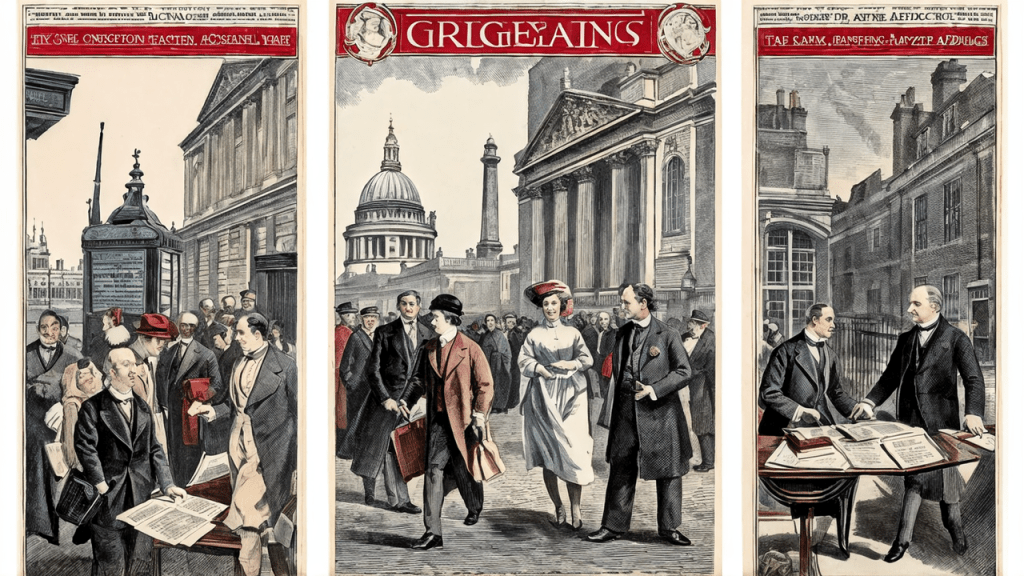
November 7, 1665 On November 7, 1665, The London Gazette published its first edition, laying the groundwork for modern English journalism. Originally known as The Oxford Gazette before its relocation to London, the publication was established as an official record of government affairs and public notices. The London Gazette played a unique role as both…
-
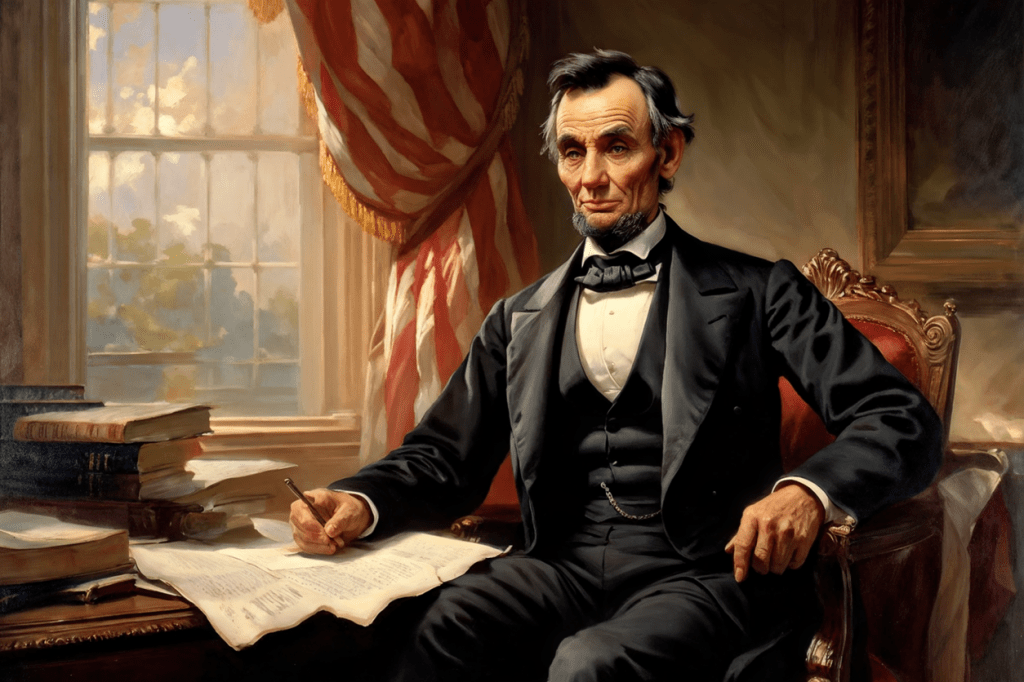
November 6, 1860 On November 6, 1860, Abraham Lincoln was elected as the 16th President of the United States. His election represented a turning point in American history, triggering a series of events that led to the Civil War and the eventual abolition of slavery. Lincoln’s leadership and oratory had a profound impact on American…
-

November 5, 1605 On November 5, 1605, Guy Fawkes and a group of conspirators attempted to carry out one of the most infamous plots in British history: the Gunpowder Plot. Their plan to blow up the Houses of Parliament aimed to assassinate King James I and overturn the Protestant government in favor of a Catholic…
-
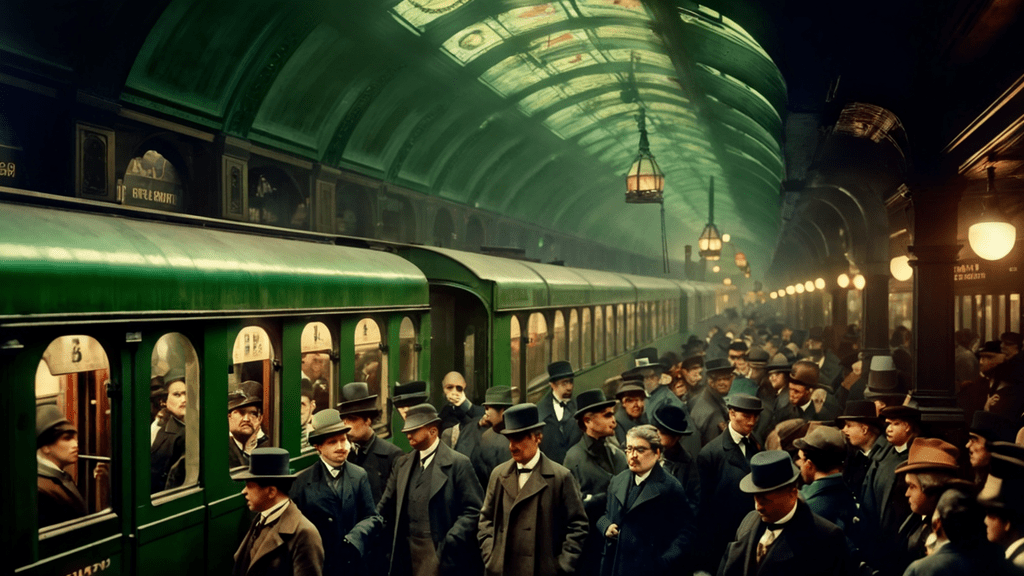
November 4, 1890 On November 4, 1890, the City and South London Railway officially opened as the world’s first electrified underground railway, connecting the Stockwell and King William Street stations in London. This remarkable engineering feat transformed urban transit and introduced a new vocabulary that reshaped public transport language in English-speaking countries. Terms like “subway,”…
-
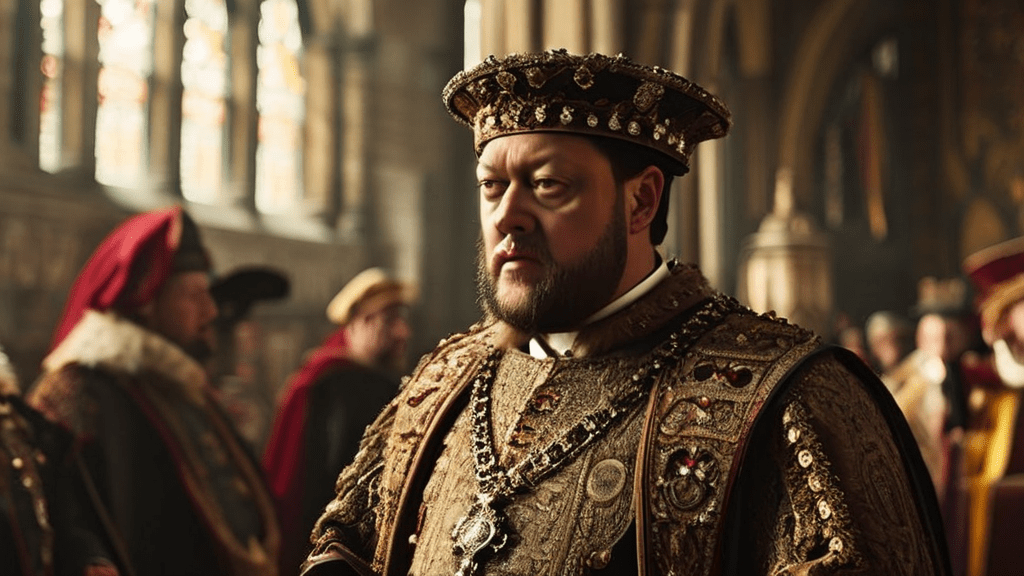
November 3, 1534 On November 3, 1534, King Henry VIII was declared the Supreme Head of the Church of England, a historic break from the authority of the Roman Catholic Church that reshaped religious life and language in England. Enacted through the Act of Supremacy, this separation marked the beginning of the English Reformation, a…
-
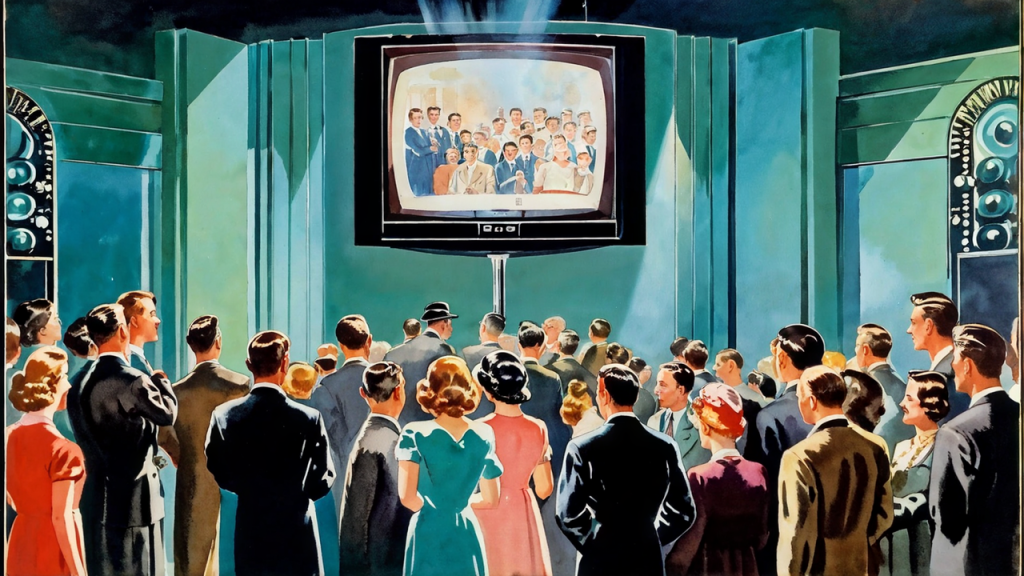
November 2, 1936 On November 2, 1936, the British Broadcasting Corporation (BBC) began the world’s first regular television broadcasts, launching an era that would forever transform communication, entertainment, and language. This pioneering step in media history signaled the arrival of television as a central medium for reaching mass audiences with news, entertainment, and educational programming,…
 What Happened on This Day?