
What Happened on This Day?
-

Miyazaki reshaped English storytelling through translation, proving myth can be gentle, ethical, and visually written. His stories taught English to value silence, ambiguity, and ecological balance, expanding fantasy beyond conquest and spectacle. Through global circulation, his narrative logic entered English, changing expectations of childhood, imagination, and moral complexity worldwide today.
-
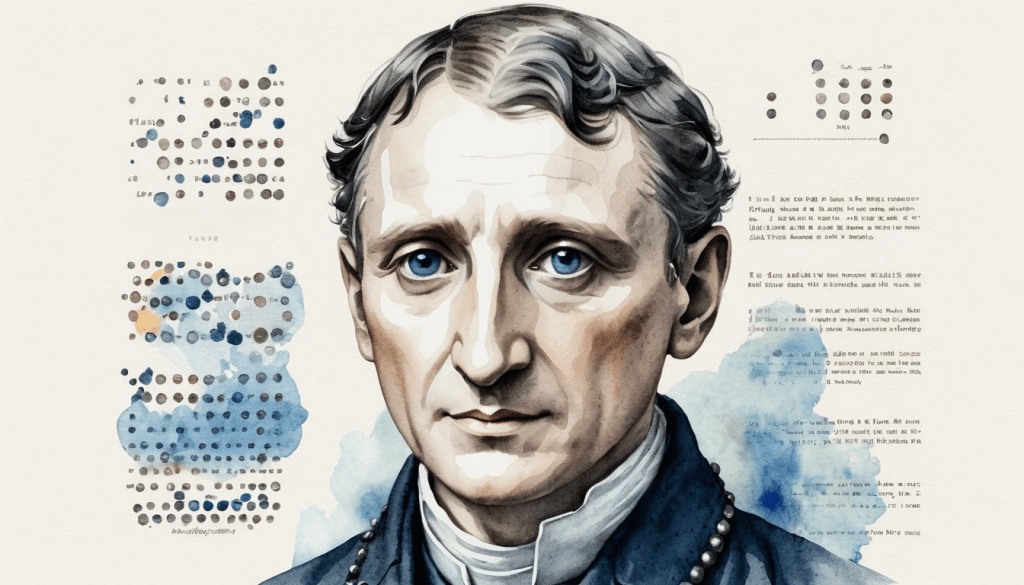
Louis Braille transformed writing by proving that language does not depend on sight. His tactile system preserved spelling, grammar, and structure, allowing English and other languages to be read by touch. Braille expanded literacy beyond vision, redefining writing as a pattern of meaning accessible to every mind.
-
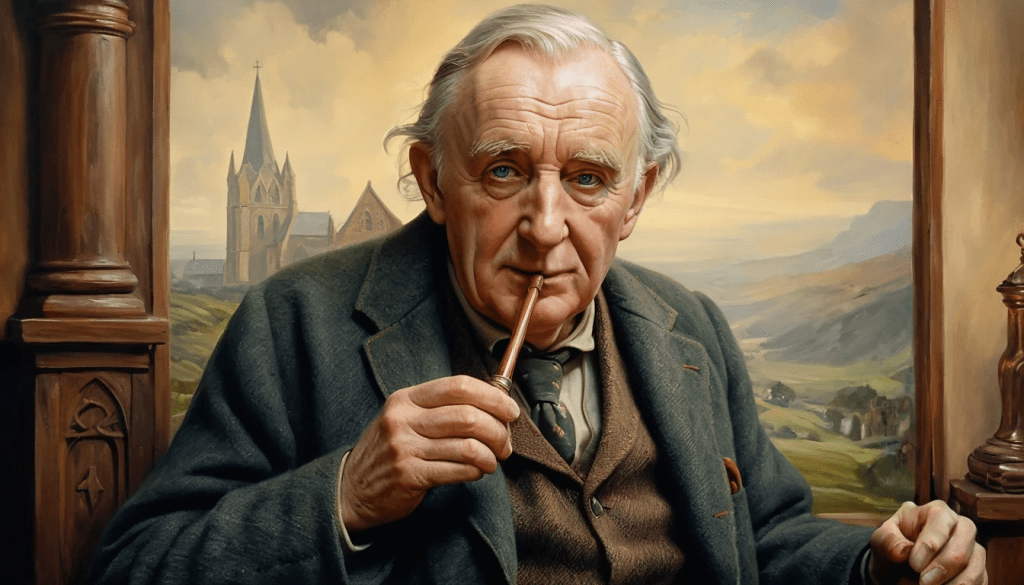
Born January 3, 1892, J. R. R. Tolkien reshaped English by restoring its ancient memory and mythic power. Through philology, epic fantasy, and invented languages, he proved English could sustain deep history, moral gravity, and timeless imagination, speaking with the authority of myth rather than modern novelty and collective memory.
-
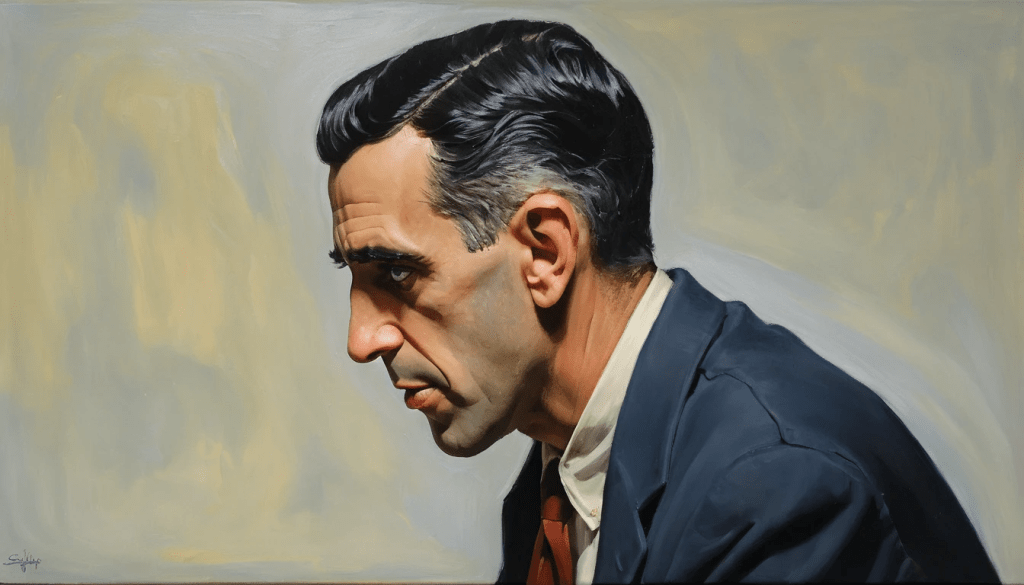
J. D. Salinger reshaped modern English by making prose sound like private thought. His colloquial, hesitant narrators gave language a voice for doubt, sincerity, and resistance to falseness. With careful control disguised as casual speech, he taught English how to think aloud, emotionally raw yet formally precise, for a postwar generation.
-

Anthony Hopkins proves that spoken English is a disciplined music. By honoring syntax, meter, and pause, he makes complex writing audible, precise, and alive. His performances teach that clarity comes from structure, emotion from grammar, and authority from restraint—English realized, not approximated, through decades of stage and screen mastery alone.
-
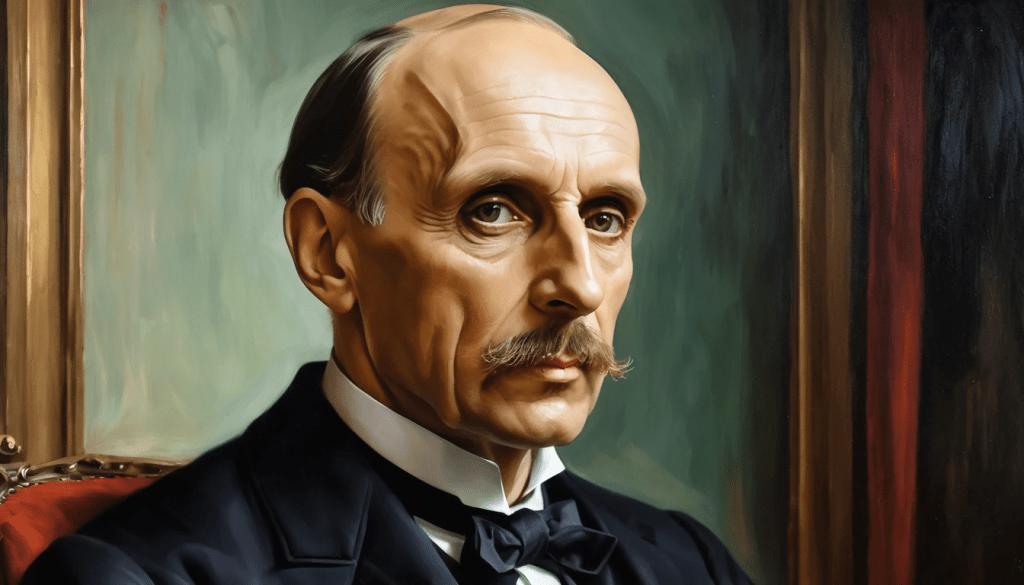
When Romain Rolland died in 1944, English lost a moral voice it had never owned, yet deeply absorbed. Through translation, his pacifism and ethical clarity shaped how English writers spoke of conscience, war, and responsibility—teaching the language restraint, seriousness, and the courage of principled dissent.
-
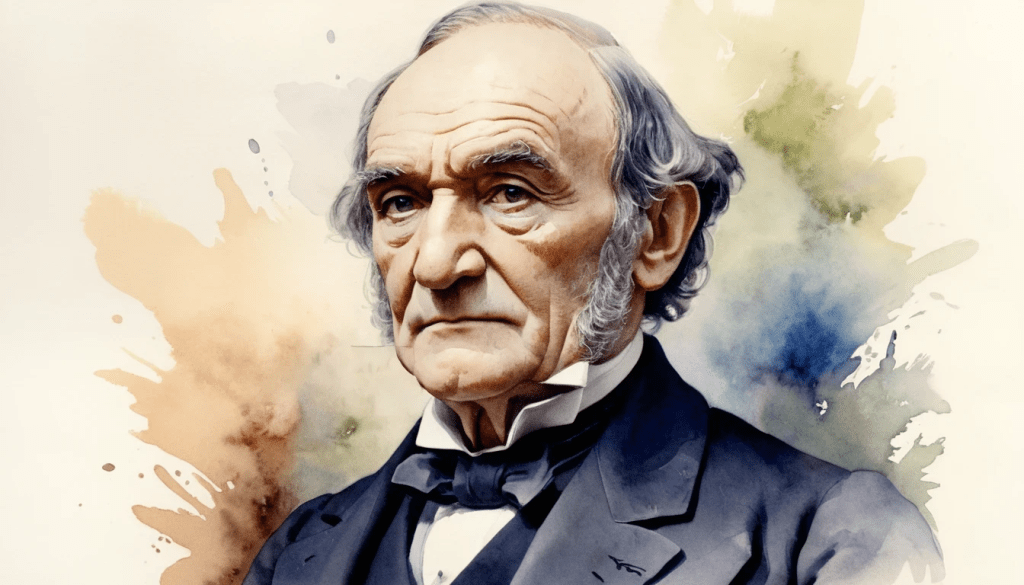
Born December 29, 1809, William Ewart Gladstone shaped nineteenth-century English prose through moral argument and classical discipline. His speeches and essays demonstrated how complex sentences could carry ethical weight, intellectual rigor, and persuasive force, defining a serious register of English that influenced political, academic, and public discourse.
-

Born December 28, 1922, Stan Lee reshaped English storytelling through comics. He fused mythic stakes with everyday speech, rapid dialogue, humor, and direct address. By letting heroes sound human, he expanded popular English—making it conversational, emotional, and epic—while legitimizing comics as literature for generations of readers and future creators worldwide.
-
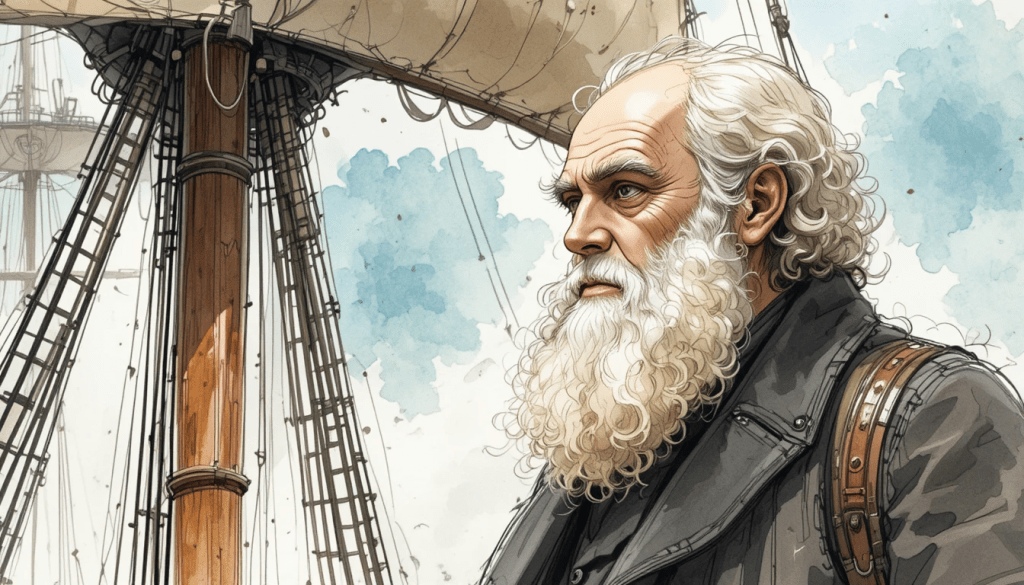
On December 27, 1831, Darwin’s voyage aboard the HMS Beagle taught English to think in processes rather than declarations. Observation replaced authority, accumulation replaced assertion, and time itself entered prose. From this journey, English learned to argue patiently, describe gradual change, and treat uncertainty as intellectual strength.
-

Born December 26, 1891, Henry Miller shattered the boundaries of modern English prose. By challenging censorship, embracing radical autobiography, and reshaping sentence rhythm, he expanded what English could legally, morally, and stylistically express. His work transformed prose into a vehicle of personal freedom, intensity, and unapologetic subjectivity.
 What Happened on This Day?