
What Happened on This Day?
-

December 25 is one of the most densely written dates in English. Across sermons, poems, letters, and stories, it provides a shared narrative grammar of renewal, judgment, and generosity. More than a subject, Christmas Day organizes how English rehearses moral meaning, returning each year to the same emotional center.
-
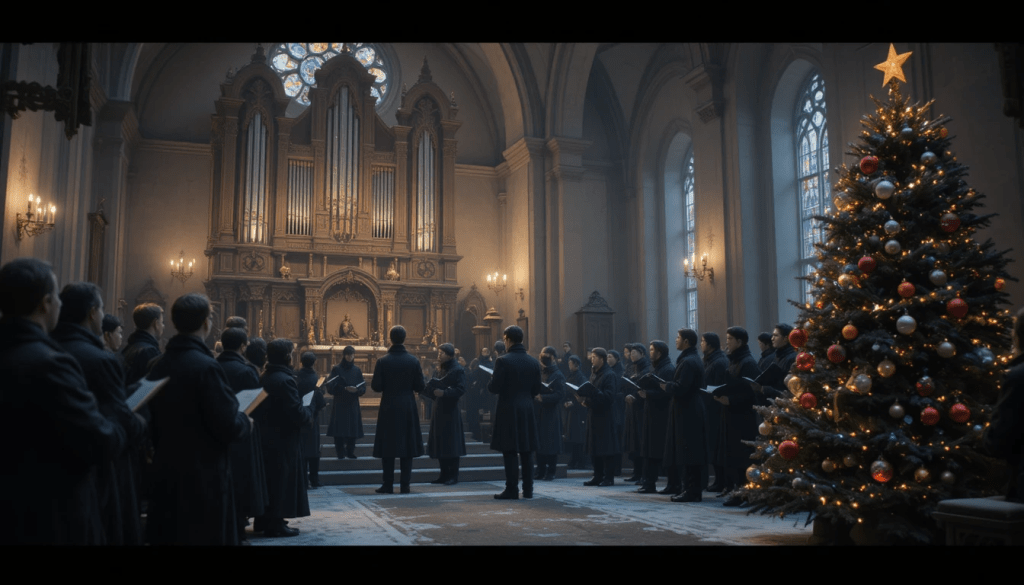
On December 24, 1818, “Silent Night” revealed that sacred meaning need not be ornate. Through simple words, gentle repetition, and universal images, English learned to speak holiness softly. The carol reshaped hymnody, seasonal poetry, and emotional tone, proving that restraint can carry memory, peace, and shared wonder across generations worldwide.
-
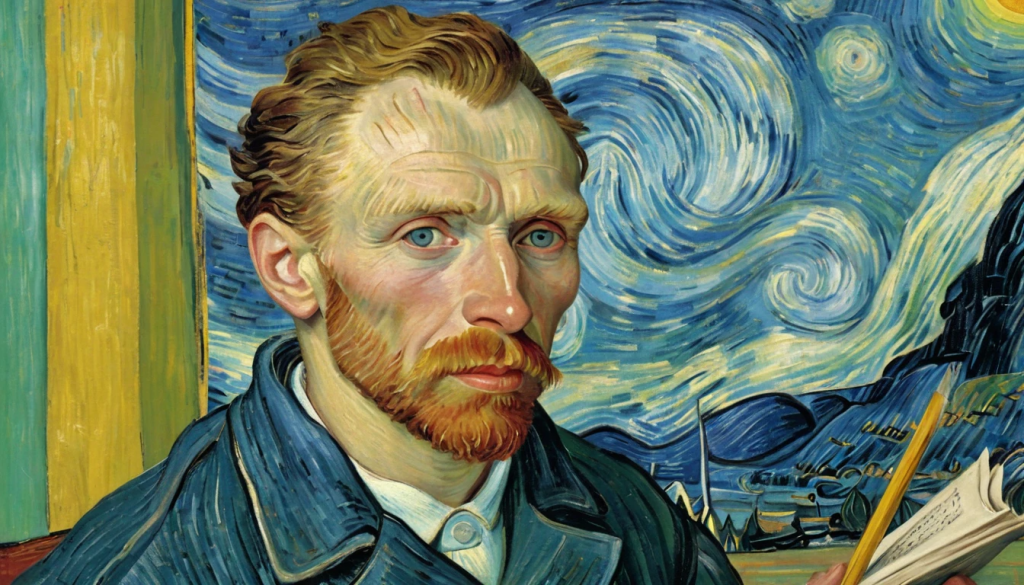
On December 23, 1888, suffering crossed into literature as deliberate self-narration. After his crisis in Arles, Van Gogh turned to letters as survival. Pain became structured language, identity was written into coherence, and inner life emerged as something disciplined, communicable, and ethically shaped rather than hidden or romanticized.
-
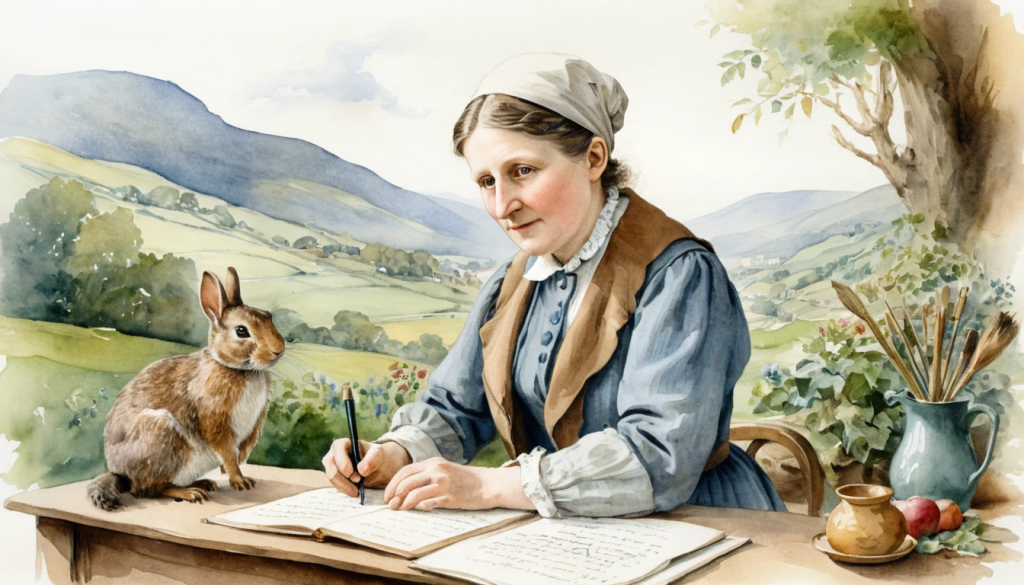
Born December 22, 1866, Beatrix Potter reshaped English children’s prose through precision, intimacy, and trust in young readers. Rejecting moralizing tones, she created a conversational, psychologically realistic voice that still defines how English speaks to children—clear without simplification, playful without condescension, and emotionally exact.
-
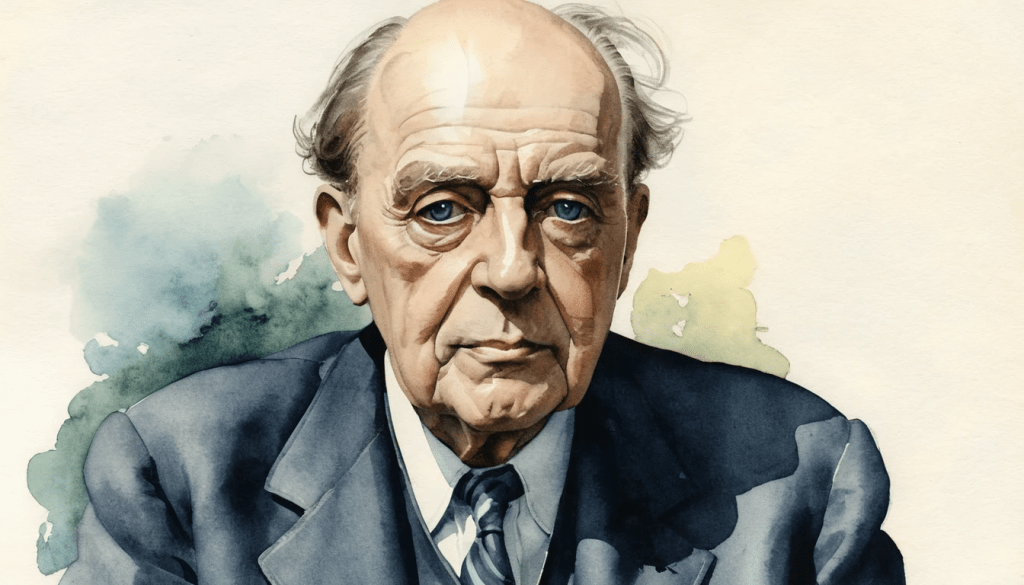
Born December 21, 1917, Heinrich Böll shaped postwar English literary thought through translation. His restrained realism offered a language for guilt, conscience, and responsibility after catastrophe, rejecting heroics and abstraction. By accounting for damage rather than dramatizing it, Böll taught English prose how moral seriousness can emerge through clarity, silence, and ethical restraint.
-
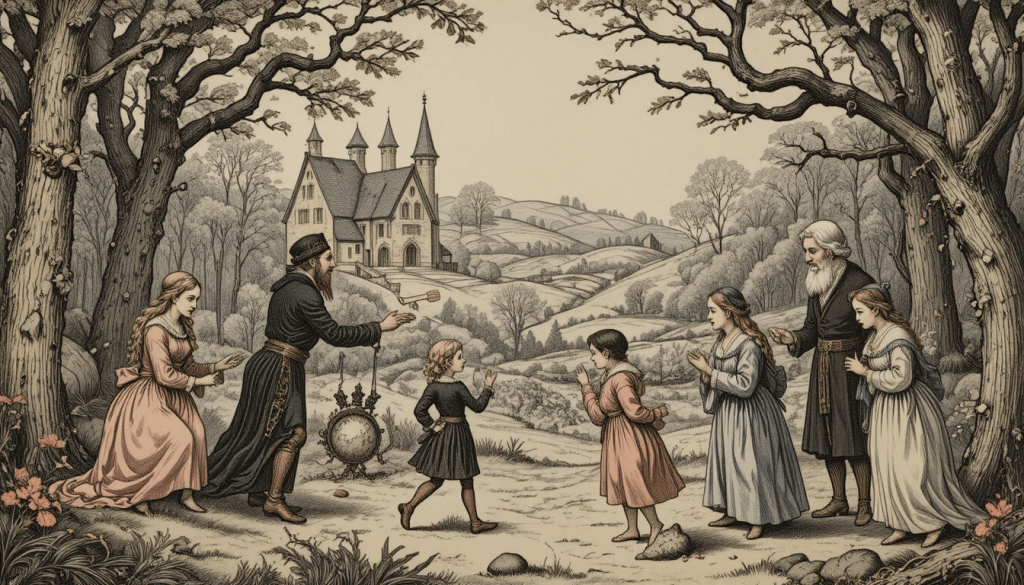
On December 20, 1812, the Brothers Grimm transformed oral folklore into permanent literature. By fixing communal tales in print, they shaped the deep narrative structures of English storytelling—trials, transformations, and moral logic—laying foundations for children’s literature, fantasy, and modern myth across generations of English writers.
-

Born December 19, 1910, Jean Genet reshaped modern drama and literary thought in English through translation and performance. His ritualistic, confrontational language challenged realism, power, and identity, forcing English theatre and criticism to confront marginality as aesthetic force and political stance rather than subject matter.
-
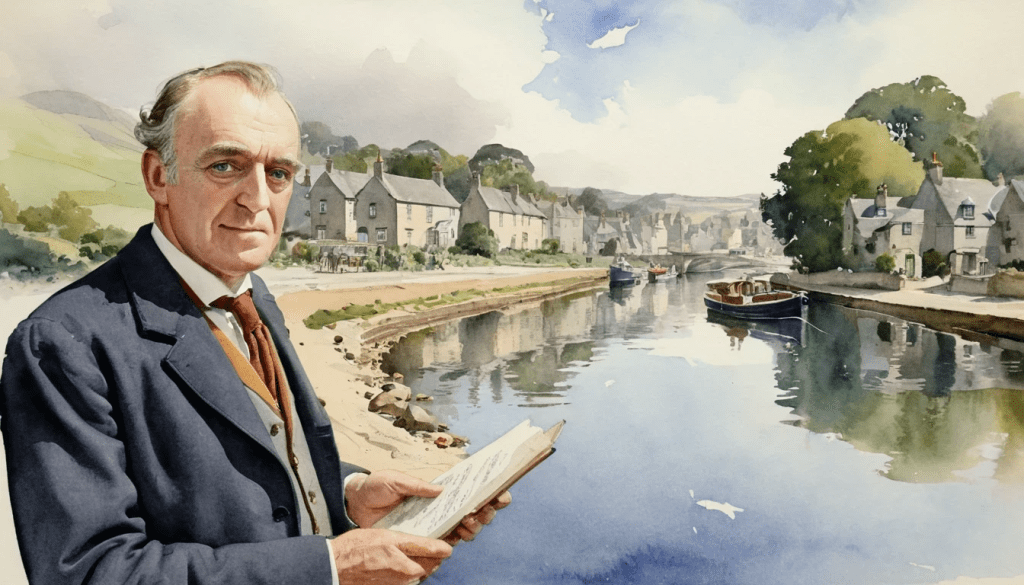
Born December 18, 1870, Saki sharpened English prose into a calibrated weapon. Through precision, irony, and restraint, his stories expose cruelty beneath civility. A single sentence can overturn hierarchies, deny comfort, and end illusions. He proved that wit, perfectly timed, wounds deeper than noise. Calm language became lethal by design.
-

Erskine Caldwell reshaped American English by forcing it to speak in voices long ignored. His fiction used rural Southern dialect and blunt realism to expose poverty, inequality, and discomfort. English became less refined but more truthful, carrying social evidence instead of polish, and insisting that marginalized speech deserved narrative authority.
-
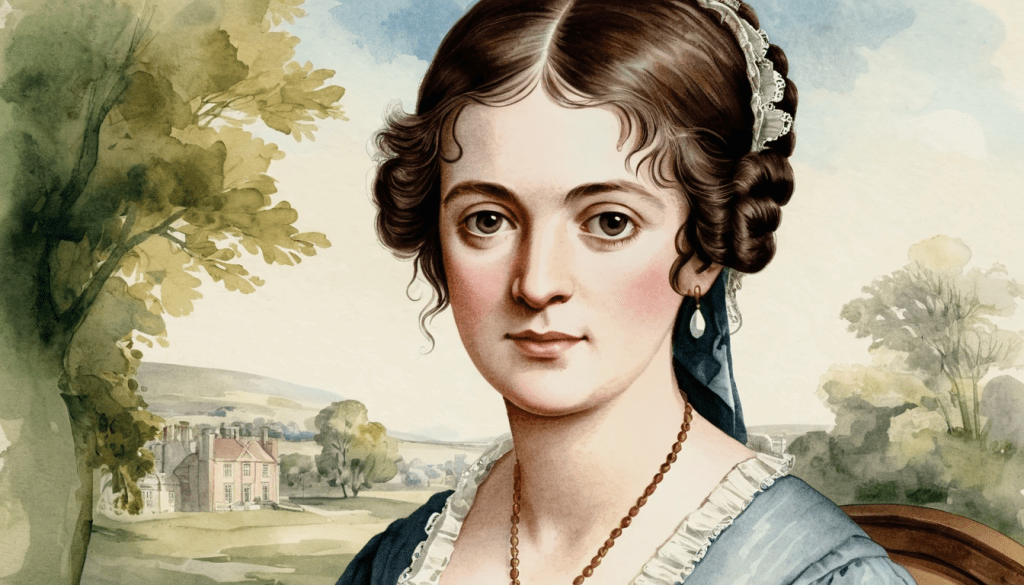
Born December 16, 1775, Jane Austen reshaped English fiction by refining irony, psychological realism, and narrative voice. Her novels taught English how to think on the page—balancing wit with moral insight, intimacy with distance—creating a prose style that observes, judges, and understands human nature with unmatched intelligence.
 What Happened on This Day?