
What Happened on This Day?
-
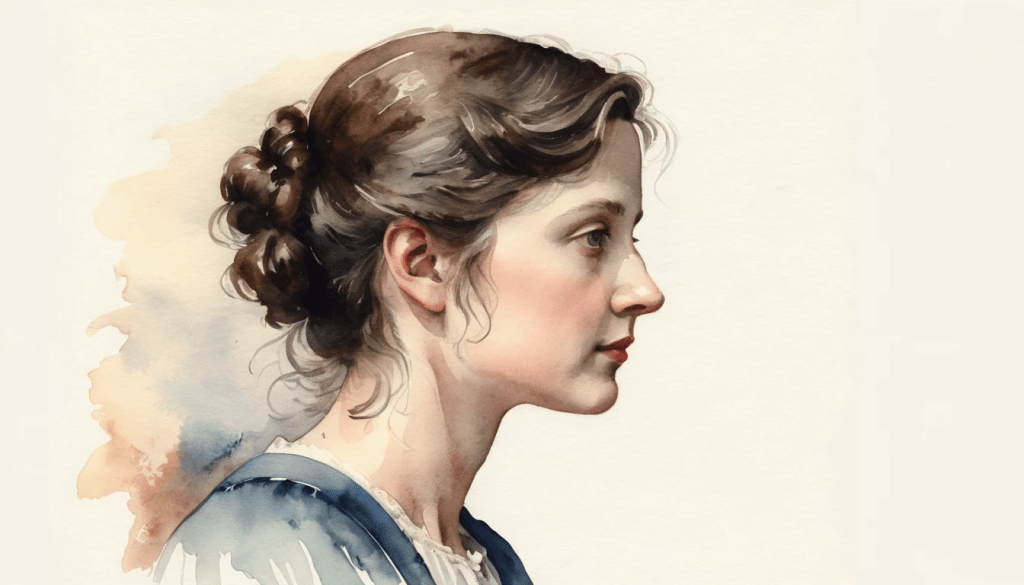
Born on August 15, 1858, Edith Nesbit revolutionized children’s literature by blending Edwardian domestic realism with magical adventures. Her classics, like The Railway Children and Five Children and It, shaped narrative styles and vocabulary that influenced generations of storytellers in the English-speaking world.
-
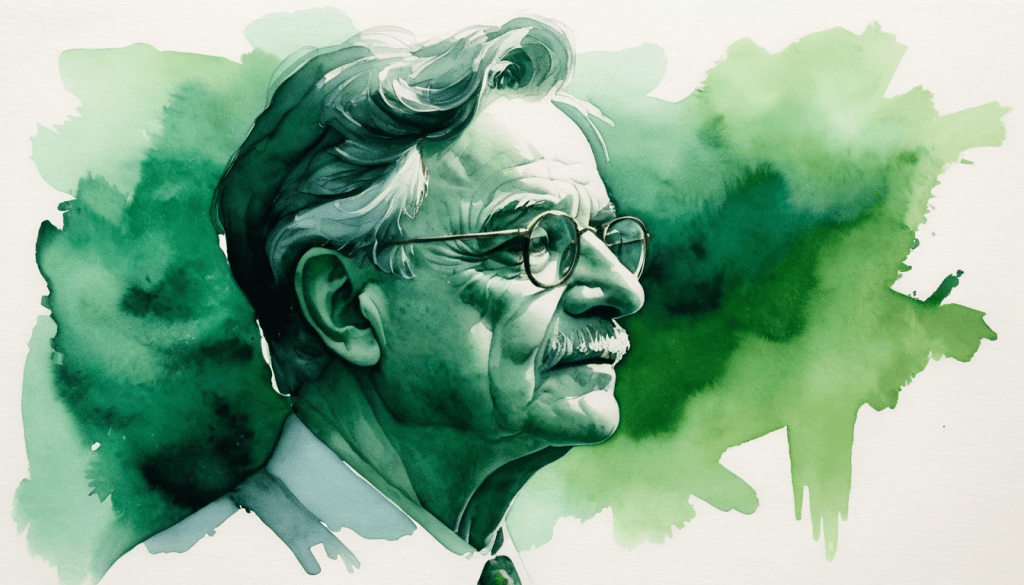
On August 14, 1994, Elias Canetti died in Zurich, leaving a profound mark on English intellectual discourse. Through works like Crowds and Power, his German prose—translated into English—reshaped conversations about authority, mass psychology, and the language of power.
-
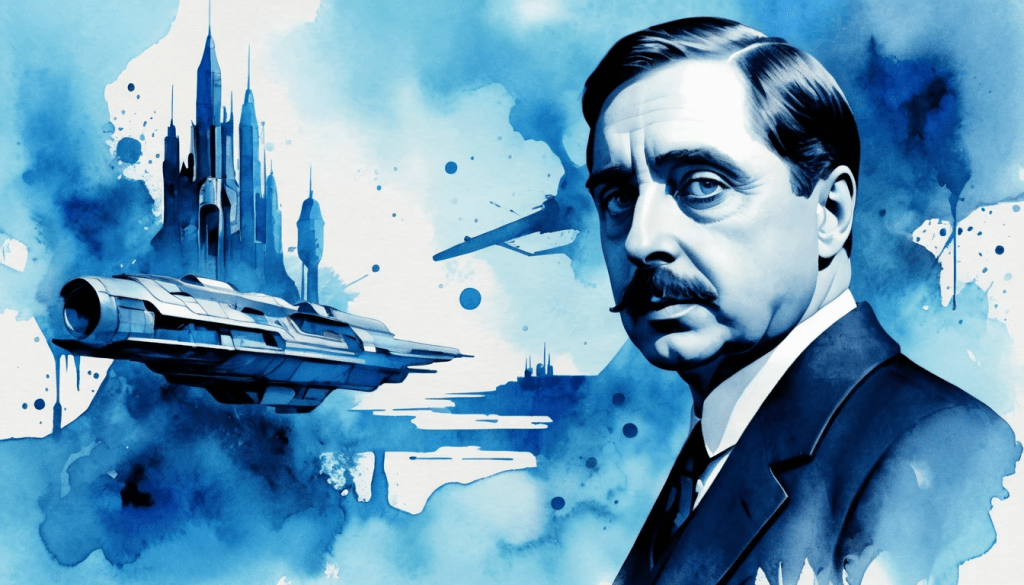
On August 13, 1946, H. G. Wells died, leaving English richer with phrases like “time machine,” “World State,” and “War of the Worlds.” His visionary blend of science, politics, and storytelling rewired the language for speaking about the past, the future, and everything between.
-
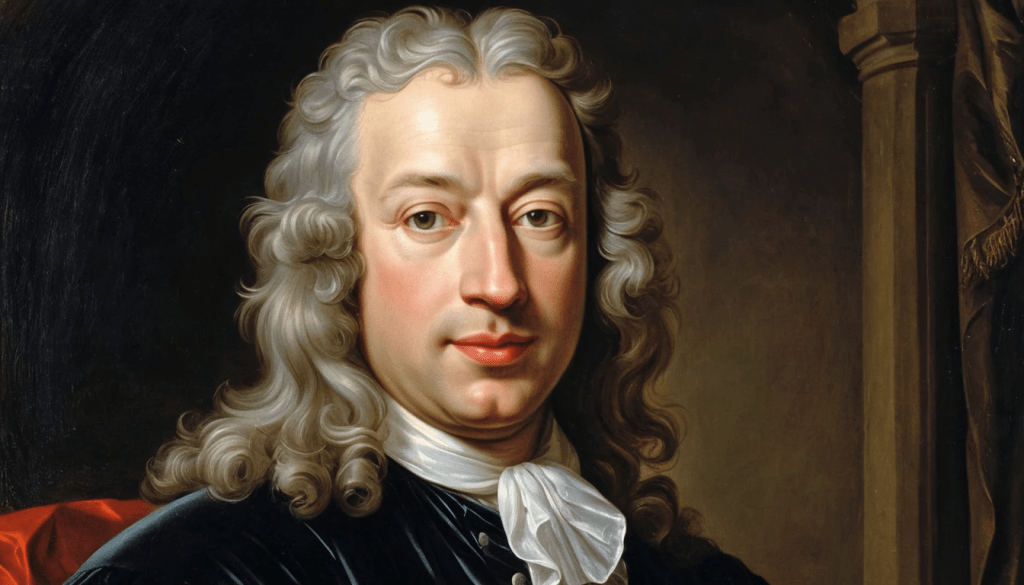
Born on August 12, 1631, John Dryden, England’s first official Poet Laureate, shaped English literary vocabulary and style. Through verse, criticism, and translation, he codified terms like “heroic couplet” and “decorum,” refining poetic diction and cementing critical concepts that still define English literary discourse today.
-

The 1908 electric guitar patent sparked a revolution in both music and language. It brought engineering jargon—like “amplifier,” “pickup,” and “feedback”—into everyday English, inspiring new metaphors and cultural slang that bridged technology, performance, and identity, forever amplifying the vocabulary of modern music.
-
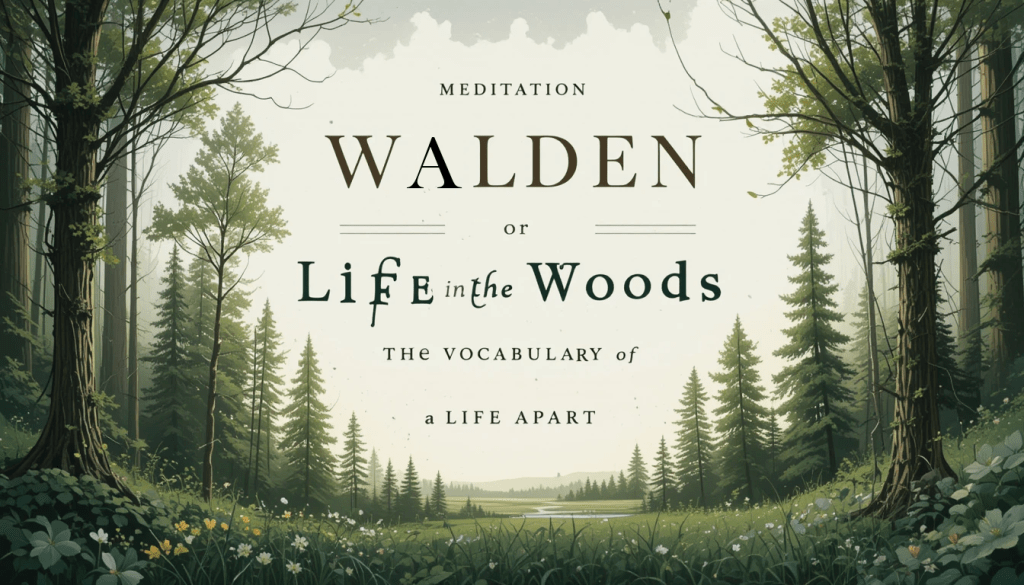
On August 9, 1854, Thoreau’s Walden reshaped English literary, philosophical, and environmental language. Expressions like “to live deliberately” and “quiet desperation” endure, embedding simplicity, self-reliance, and harmony with nature into cultural and political discourse for over a century and a half.
-
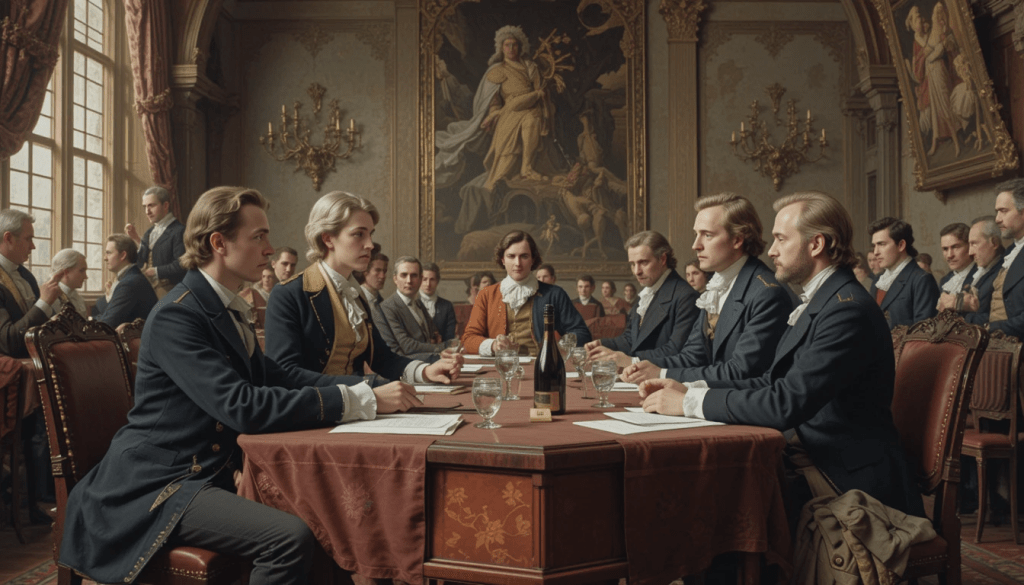
On August 8, 1814, peace talks in Ghent began, ending the War of 1812 and leaving a permanent mark on English political language. Terms like “Treaty of Ghent” and “status quo ante bellum” became enduring fixtures of diplomatic, journalistic, and historical discourse for over two centuries.
-
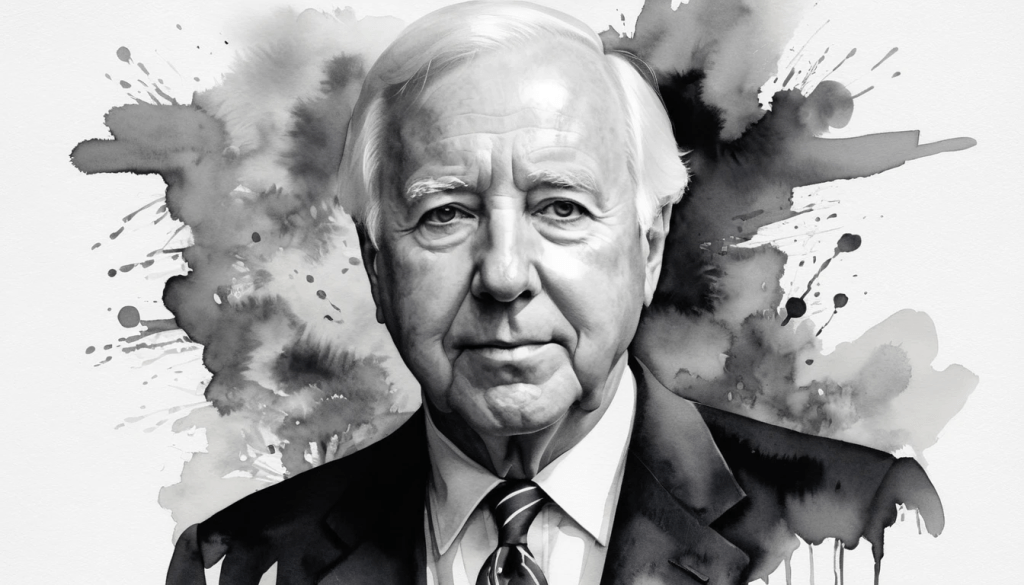
David McCullough redefined how English speakers write and hear history. Blending eloquence with factual depth, he shaped the tone of documentaries, biographies, and classrooms. His “readable history” style gave new life to civic language, inspiring a generation of storytellers who believe that history, when well-told, belongs to everyone.
-

Simon de Montfort’s death on August 4, 1265, sealed his role as a pioneer of English parliamentary language. His 1265 Parliament introduced terms like “commons” and “representation,” embedding a vocabulary of reform, resistance, and constitutional balance into English political discourse that continues to shape how democracy is spoken and imagined today.
-
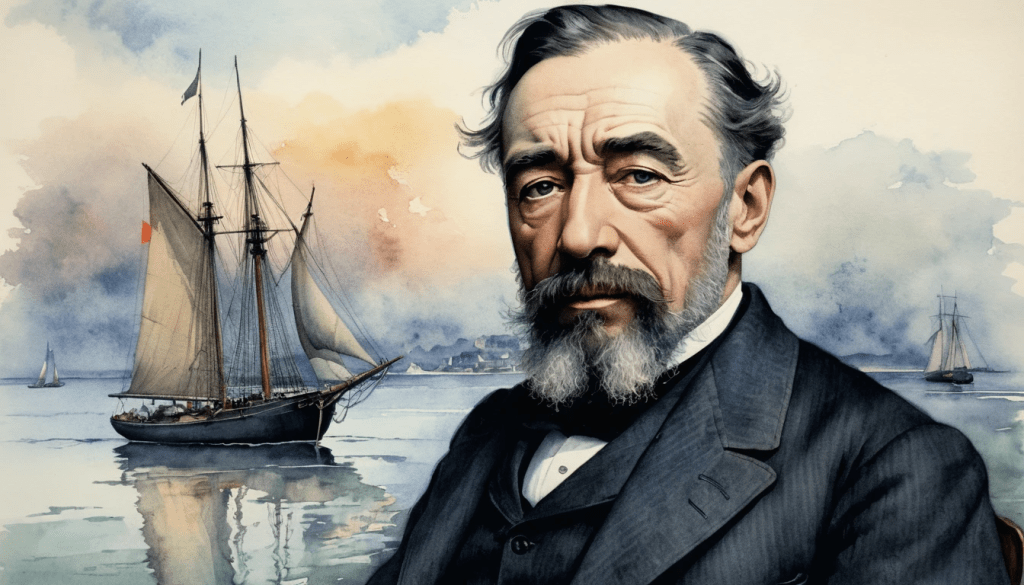
Joseph Conrad, though not a native speaker, redefined English prose through layered narrative, moral complexity, and imperial critique. His maritime metaphors and philosophical style reshaped literary vocabulary and gave rise to terms like Conradian and the heart of darkness, influencing modernist fiction and postcolonial discourse in enduring ways.
 What Happened on This Day?