
What Happened on This Day?
-
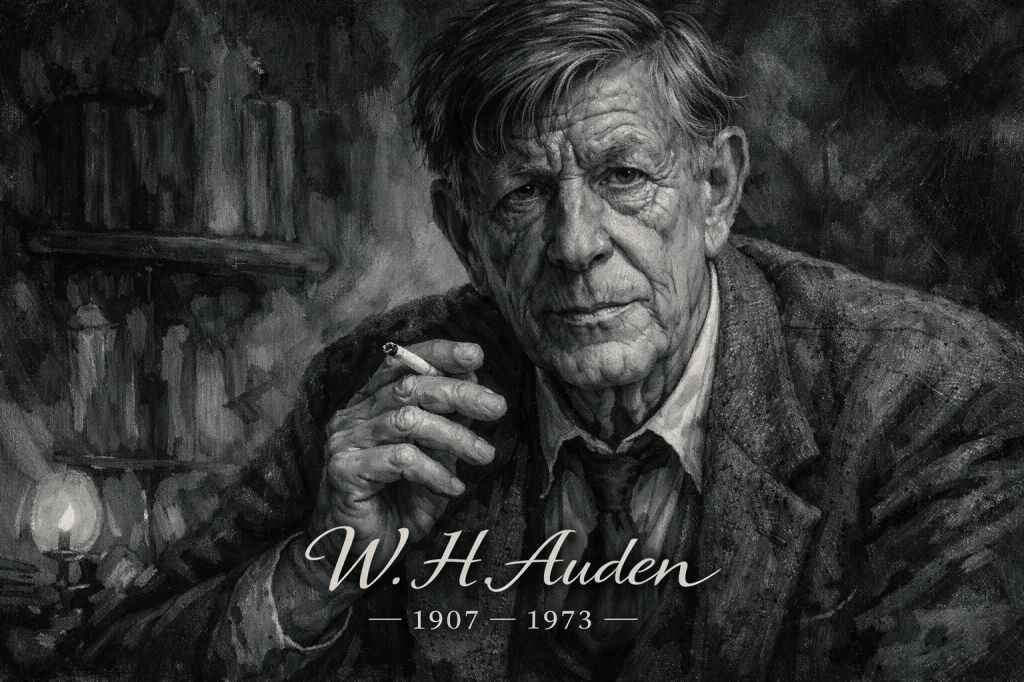
Born in 1907, W. H. Auden reshaped modern English poetry by blending intellectual rigor with lyrical music. His verse moves fluidly between philosophy, politics, and everyday speech, proving that poems can reason as they sing. Through flexible form and precise diction, he expanded English into a medium for thinking aloud.
-
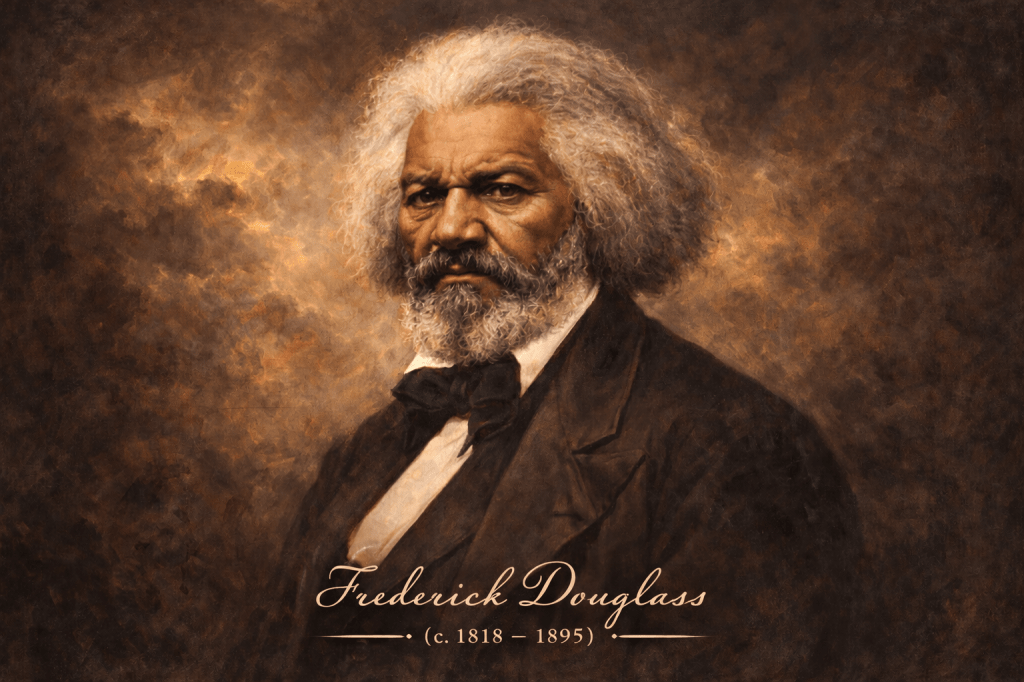
Frederick Douglass’s death in 1895 sealed the legacy of a voice that transformed English into an instrument of moral persuasion. Blending autobiography, logic, and oratory rhythm, he showed that language could confront injustice, affirm human dignity, and turn personal testimony into universal argument for freedom and civic responsibility and justice.
-
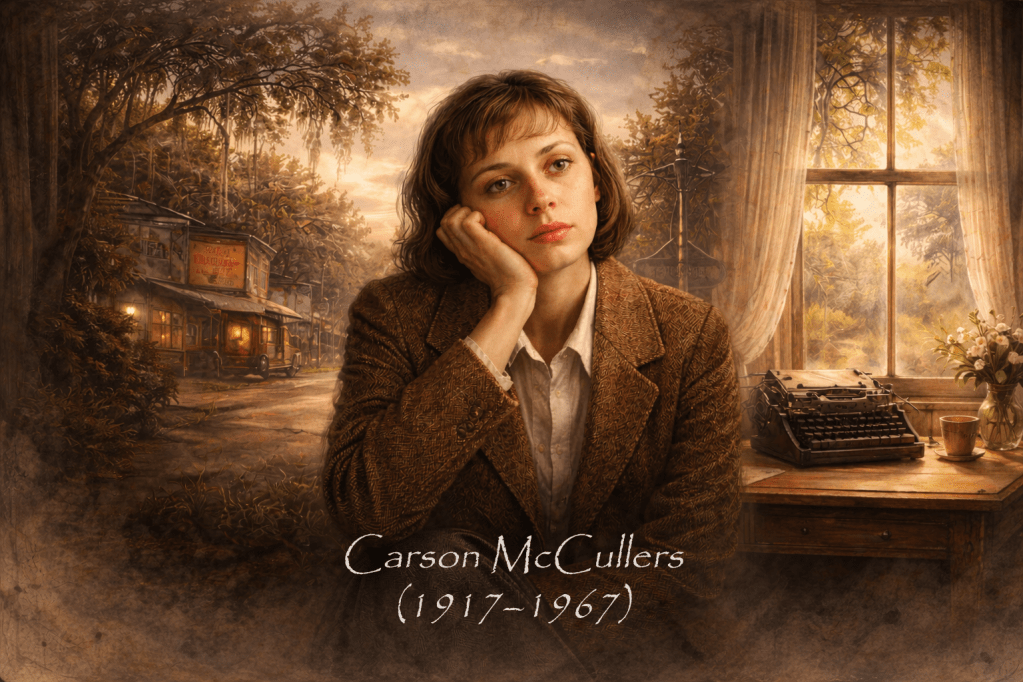
Born in 1917, Carson McCullers transformed American prose through psychological stillness, restraint, and interior focus. Her fiction showed that silence, subtext, and muted longing could carry immense narrative weight, expanding English’s emotional vocabulary and shaping modern introspective storytelling that values understatement over spectacle and inner life over overt dramatic action.
-
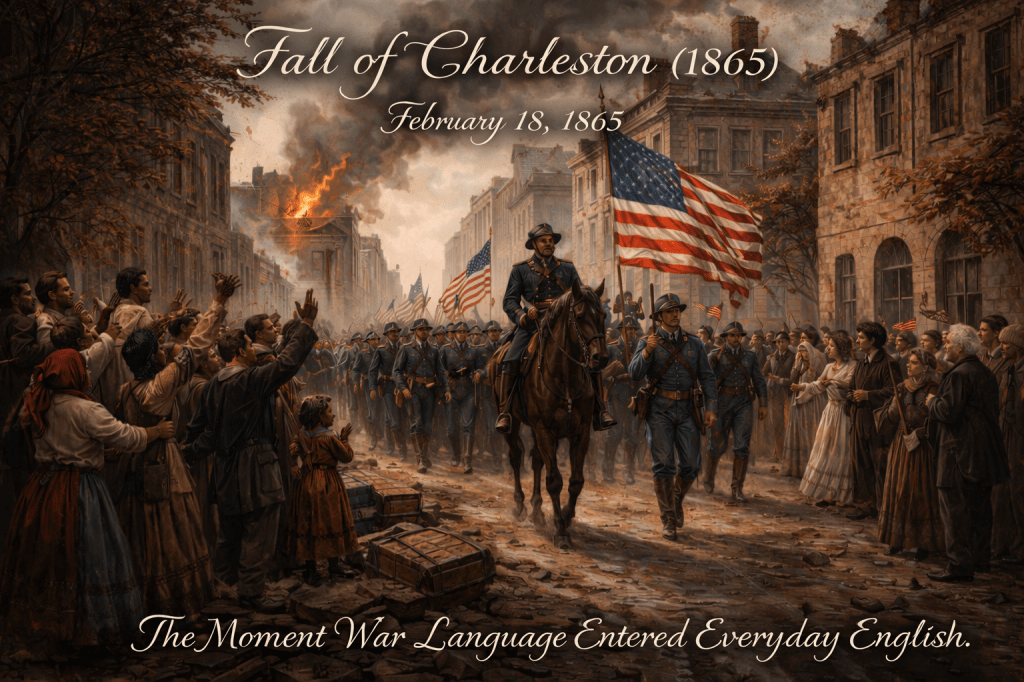
On February 18, 1865, Union forces captured Charleston, transforming a military victory into a linguistic turning point. Civil War reporting solidified terms like secession, Reconstruction, and federal authority, embedding them in American political speech. The fall of the city helped forge a permanent vocabulary of conflict, nationhood, and moral struggle.
-
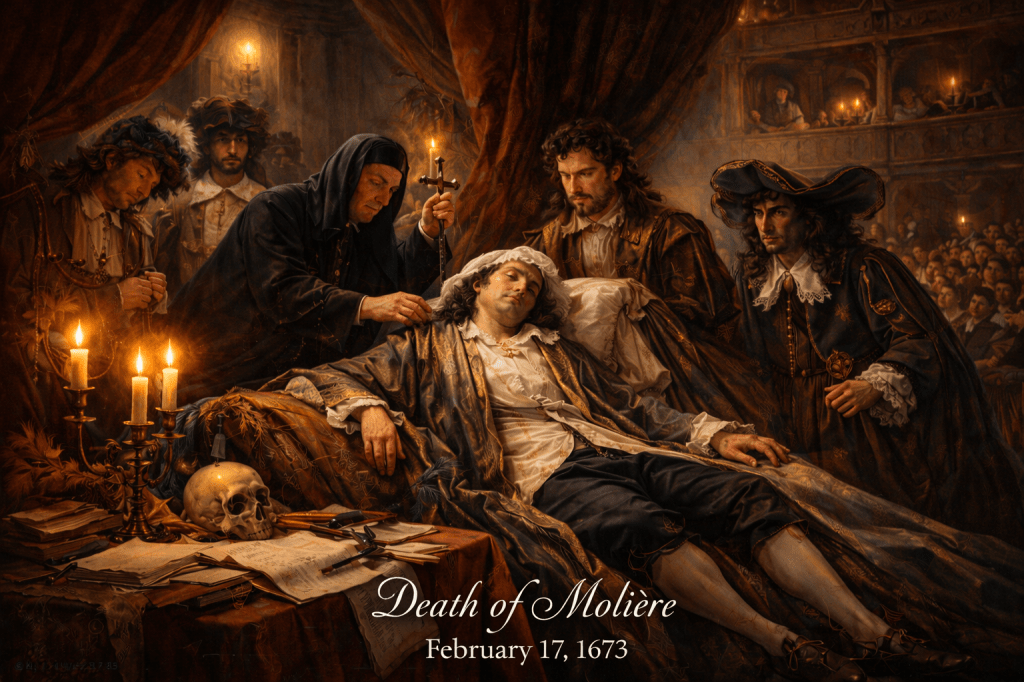
On February 17, 1673, Molière died after collapsing during a performance, sealing a life where theater and reality intertwined. His sharper legacy lies in language: he transformed satire into disciplined intelligence, shaping comic dialogue, social critique, and the evolution of modern dramatic prose across Europe, including English literature.
-
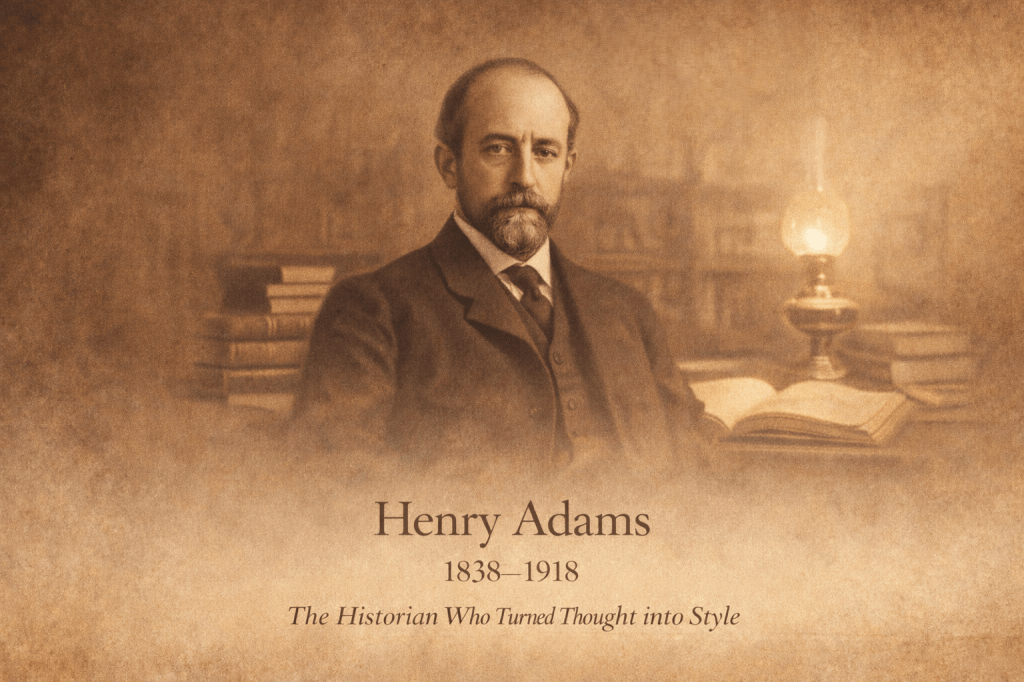
Born February 16, 1838, Henry Adams transformed historical writing into reflective art. In The Education of Henry Adams, he fused philosophy, autobiography, and analysis, proving that English nonfiction could think deeply while sounding elegant. His prose reshaped how history narrates consciousness, modernity, and the intellectual evolution of the self.
-
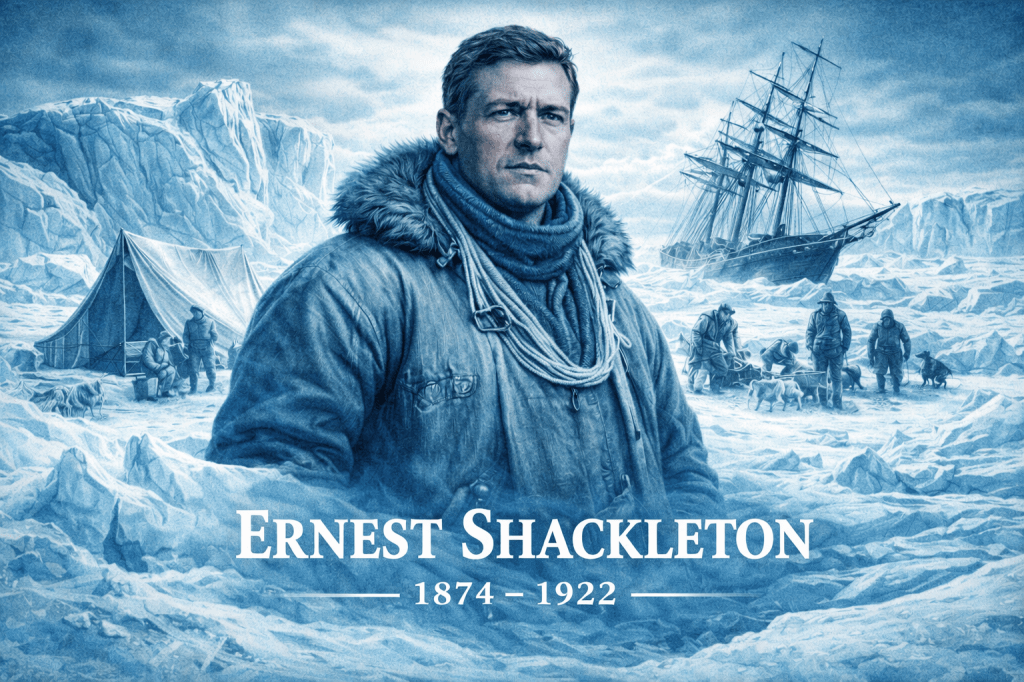
Born on February 15, 1874, Ernest Shackleton transformed exploration into narrative art. Through Antarctic journals and reports, he shaped how English expresses endurance, uncertainty, and leadership under extreme conditions. His prose blended scientific clarity with dramatic tension, forging the modern voice of survival storytelling and resilient human experience.
-
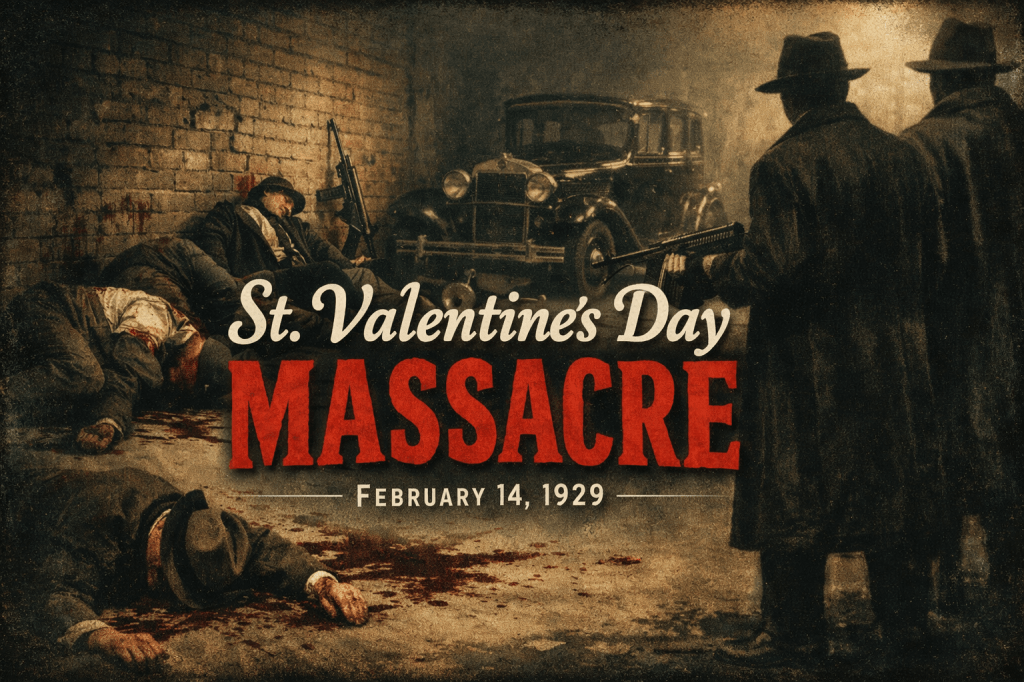
On February 14, 1929, the St. Valentine’s Day Massacre transformed violence into narrative. Newspaper coverage of the crime, linked to Al Capone, forged a modern crime lexicon and a sharp, visual prose style that still shapes true crime, noir fiction, and investigative storytelling in English today.
-
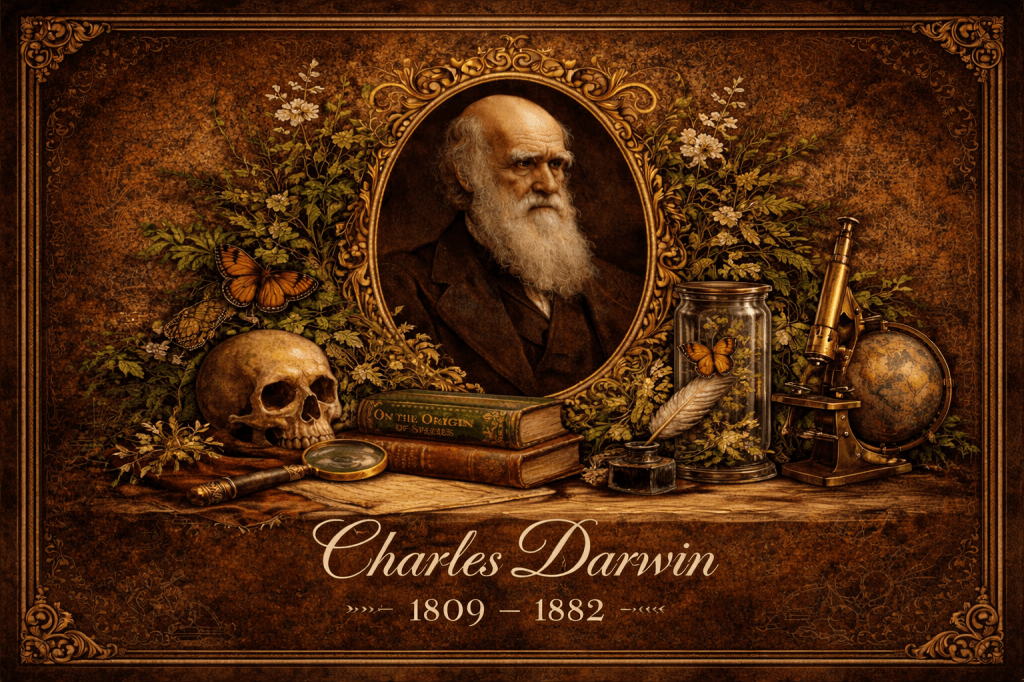
On February 12, 1809, Charles Darwin was born — a thinker who reshaped not only biology but the architecture of modern English prose. His writing proved that scientific language could be precise yet persuasive, cautious yet revolutionary, establishing a model of argument built on evidence, clarity, and intellectual humility.
-
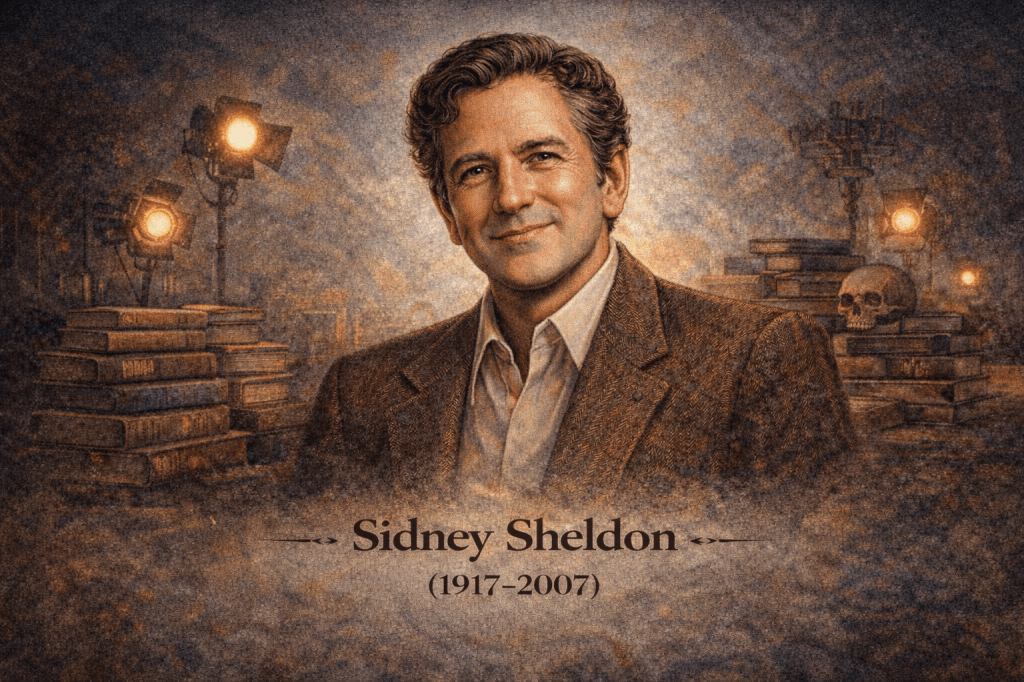
Born February 11, 1917, Sidney Sheldon refined the architecture of the modern page-turner. His lean, cinematic prose prioritized speed, suspense, and clarity, shaping commercial English fiction worldwide. By perfecting cliffhangers and momentum-driven chapters, he engineered narrative as propulsion—storytelling calibrated for global readability and relentless anticipation.
 What Happened on This Day?