
2026 February
-
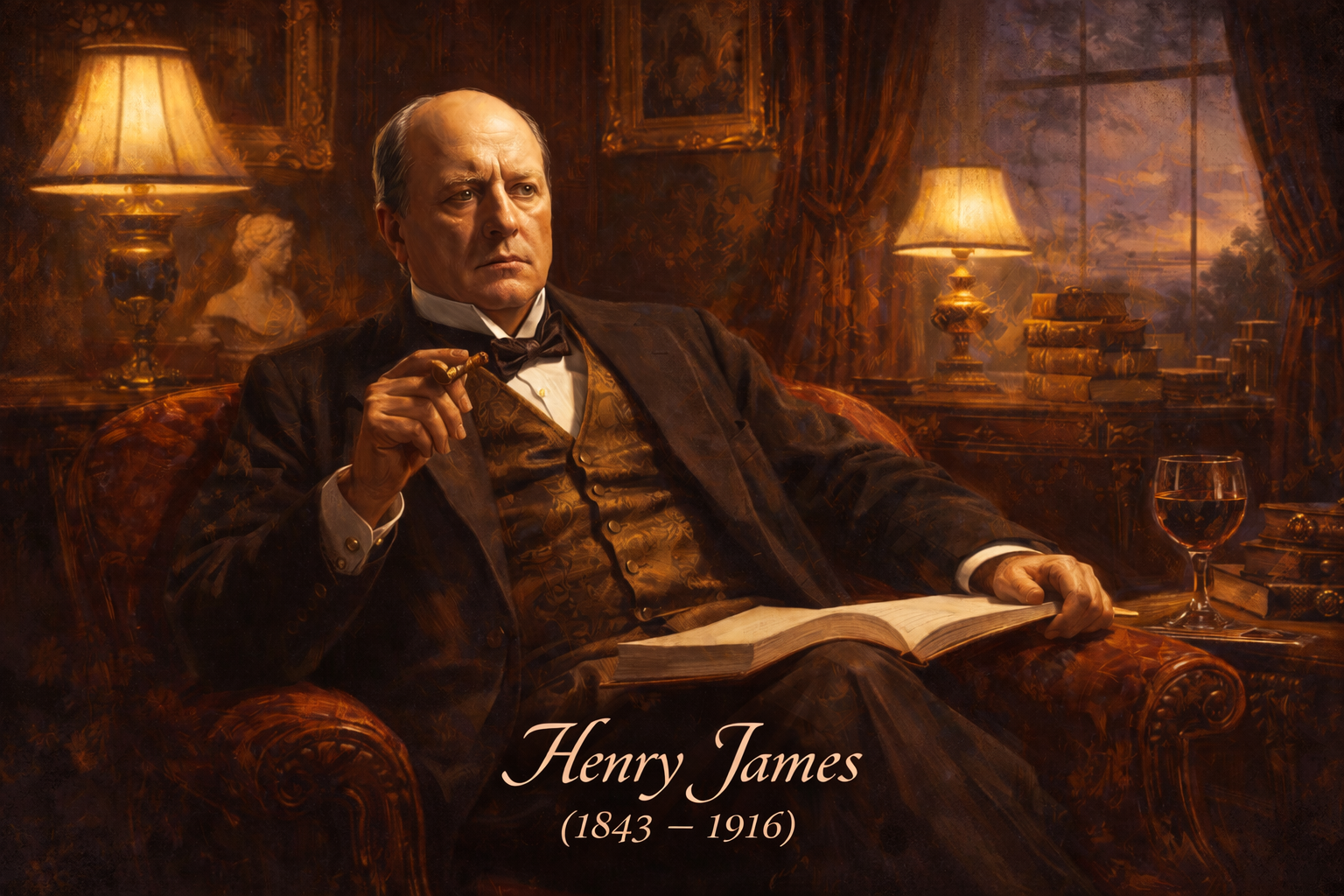
On February 28, 1916, Henry James died, leaving prose that transformed the English novel. He turned fiction inward, making consciousness the true stage of drama. Through intricate syntax and psychological realism, James reshaped narrative perspective, teaching the modern sentence to capture hesitation, perception, and moral ambiguity.
-

Henry IV’s 1594 coronation, following his conversion amid France’s religious wars, reverberated across Elizabethan England. It sharpened Protestant–Catholic polemic, expanded political vocabulary on sovereignty and legitimacy, and intensified analytical prose. Continental conflict refined English argumentation, strengthening its rhetorical precision in theology, statecraft, and dramatic explorations of conscience and divided authority.
-
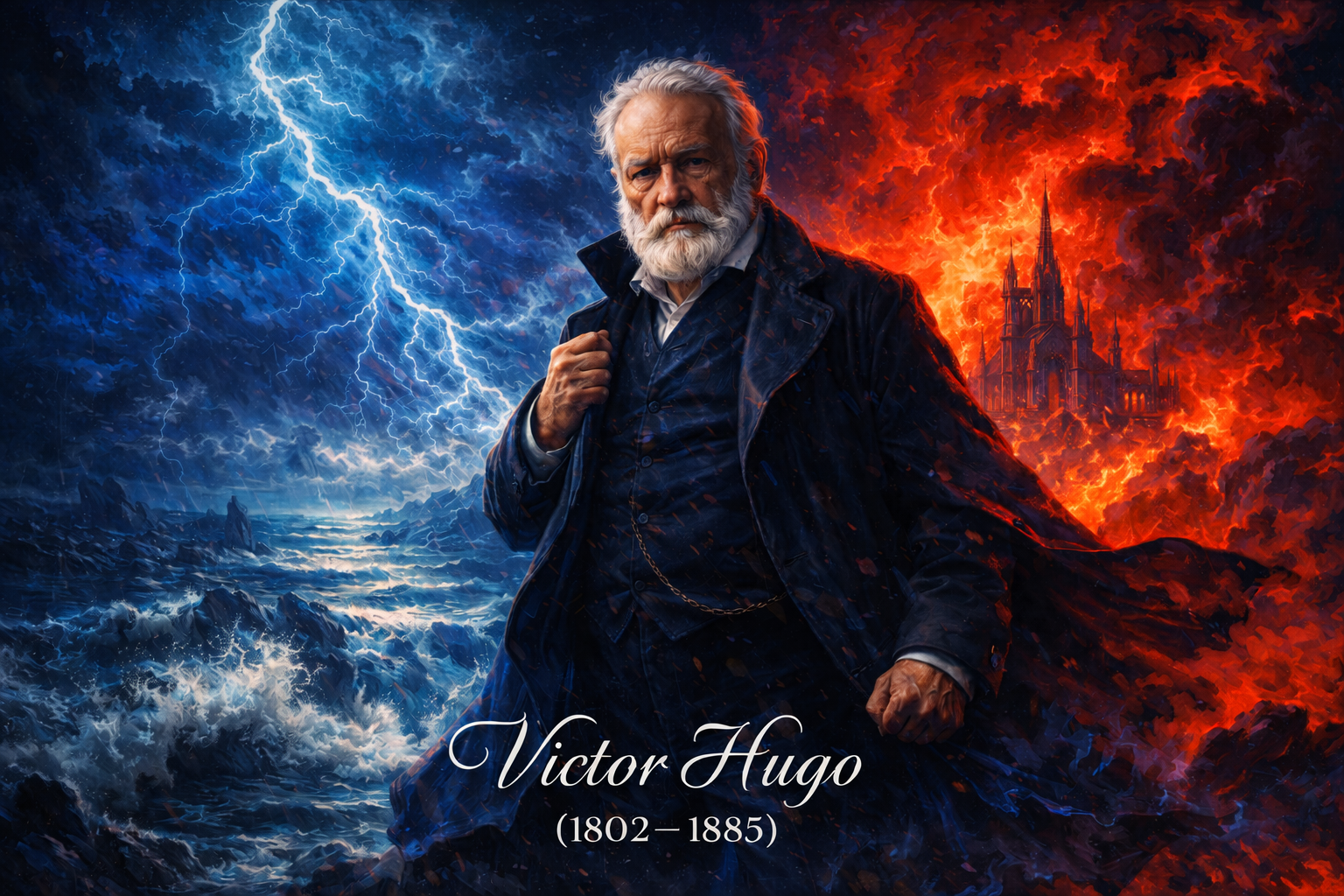
Born in 1802, Victor Hugo carried French Romanticism into English prose through translation, expanding the novel’s scale, emotional intensity, and moral ambition. His historical vision, melodramatic ethics, and sympathy for outcasts reshaped Victorian narrative, teaching English fiction to unite social critique, grandeur, and epic structure into a morally charged form.
-

Born on February 25, 1917, Anthony Burgess transformed fiction into a laboratory for language. Through Nadsat and rhythmic prose experimentation, he showed that English could be stretched, hybridized, and morally reframed. His work proved that invented dialects, musical syntax, and linguistic play can reshape narrative perception and expand the expressive limits of modern literature.
-

On February 23, 1868, W. E. B. Du Bois was born, transforming English prose into a vehicle of moral argument, lyrical force, and intellectual precision. Through works like The Souls of Black Folk, he fused scholarship, rhetoric, and prophetic cadence, giving English a vocabulary of conscience capable of articulating race, justice, and democratic responsibility.
-

The birth of Arthur Schopenhauer introduced a philosophical vocabulary that deepened literary English. His ideas on will, illusion, and suffering infused prose with intellectual gravity and introspective precision, enabling writers to articulate pessimism, psychological complexity, and metaphysical doubt with clarity, restraint, and conceptual authority.
-
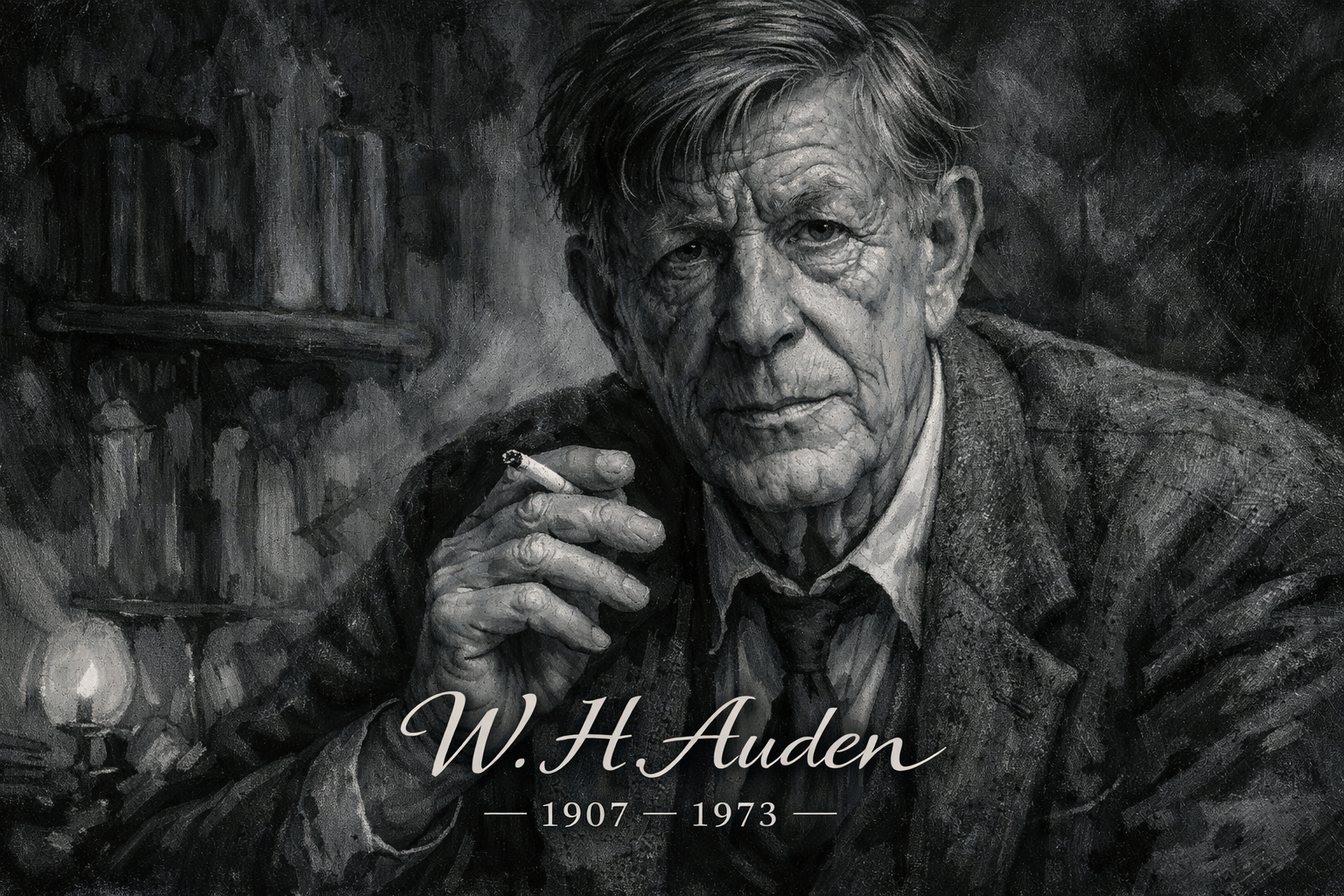
Born in 1907, W. H. Auden reshaped modern English poetry by blending intellectual rigor with lyrical music. His verse moves fluidly between philosophy, politics, and everyday speech, proving that poems can reason as they sing. Through flexible form and precise diction, he expanded English into a medium for thinking aloud.
-
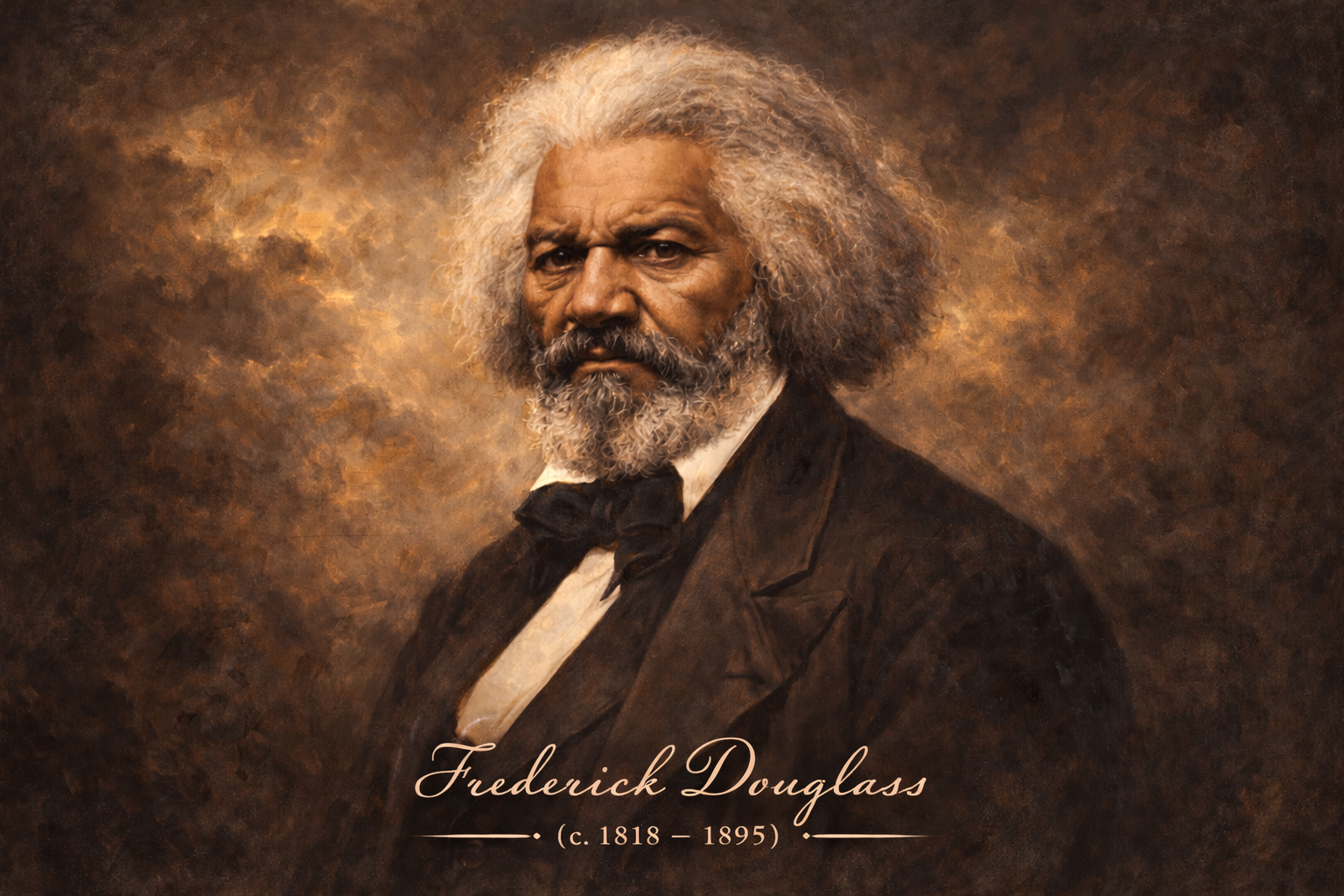
Frederick Douglass’s death in 1895 sealed the legacy of a voice that transformed English into an instrument of moral persuasion. Blending autobiography, logic, and oratory rhythm, he showed that language could confront injustice, affirm human dignity, and turn personal testimony into universal argument for freedom and civic responsibility and justice.
-

Born in 1917, Carson McCullers transformed American prose through psychological stillness, restraint, and interior focus. Her fiction showed that silence, subtext, and muted longing could carry immense narrative weight, expanding English’s emotional vocabulary and shaping modern introspective storytelling that values understatement over spectacle and inner life over overt dramatic action.
-
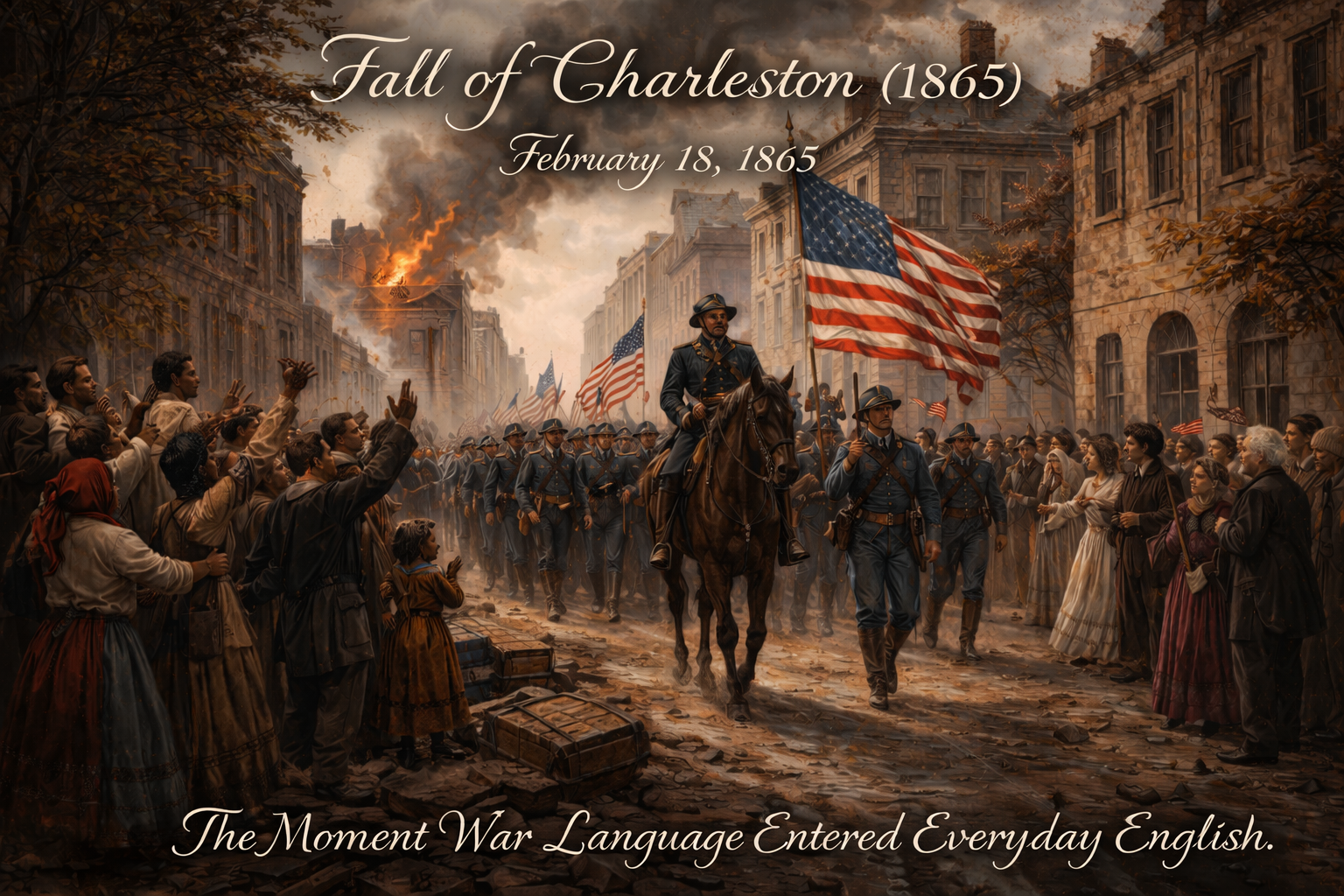
On February 18, 1865, Union forces captured Charleston, transforming a military victory into a linguistic turning point. Civil War reporting solidified terms like secession, Reconstruction, and federal authority, embedding them in American political speech. The fall of the city helped forge a permanent vocabulary of conflict, nationhood, and moral struggle.