
2025 December
-
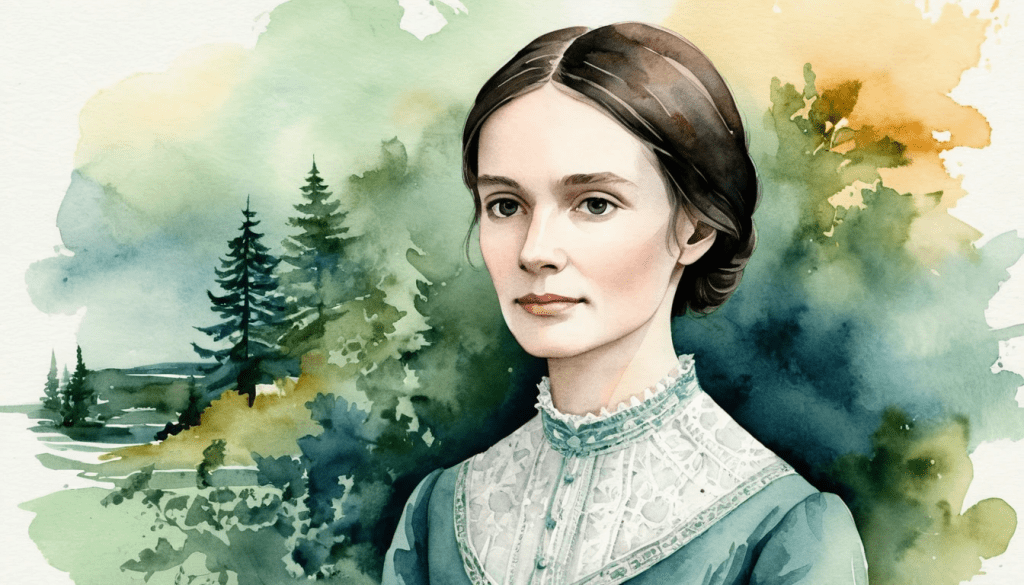
Emily Dickinson, born December 10, 1830, transformed English poetry through her dashes, compressed imagery, and metaphysical vision. Her private writings reshaped the lyric, proving that English could whisper, fracture, and blaze with revelation. From one quiet room, she revolutionized how the language breathes, pauses, and imagines.
-
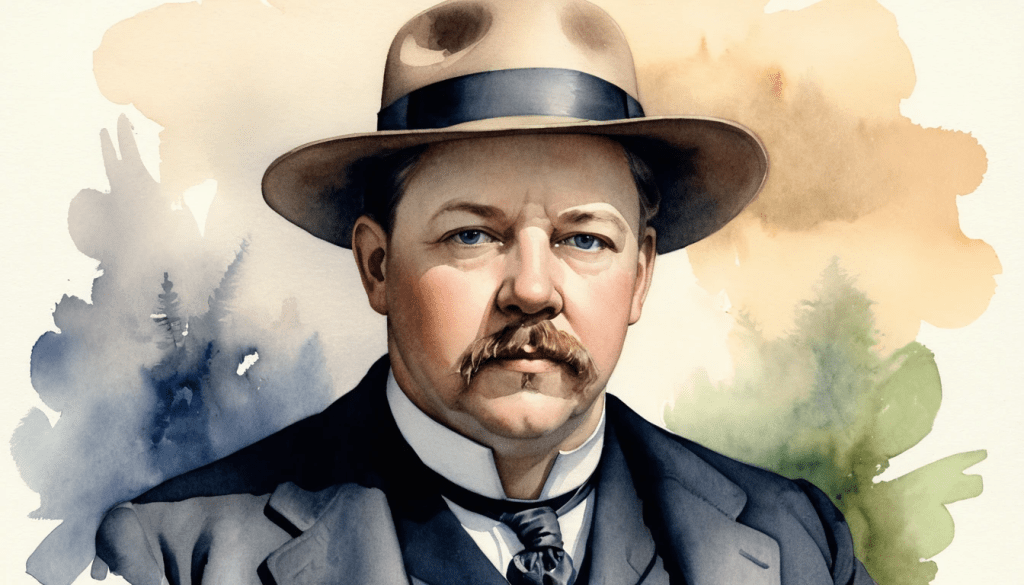
On December 9, 1845, Joel Chandler Harris was born—an author whose Uncle Remus tales carried African American oral tradition into English print. Though shaped by the racial attitudes of his era, his adaptations introduced Br’er Rabbit and trickster lore to generations of English readers, influencing storytelling, dialect studies, and folklore scholarship.
-
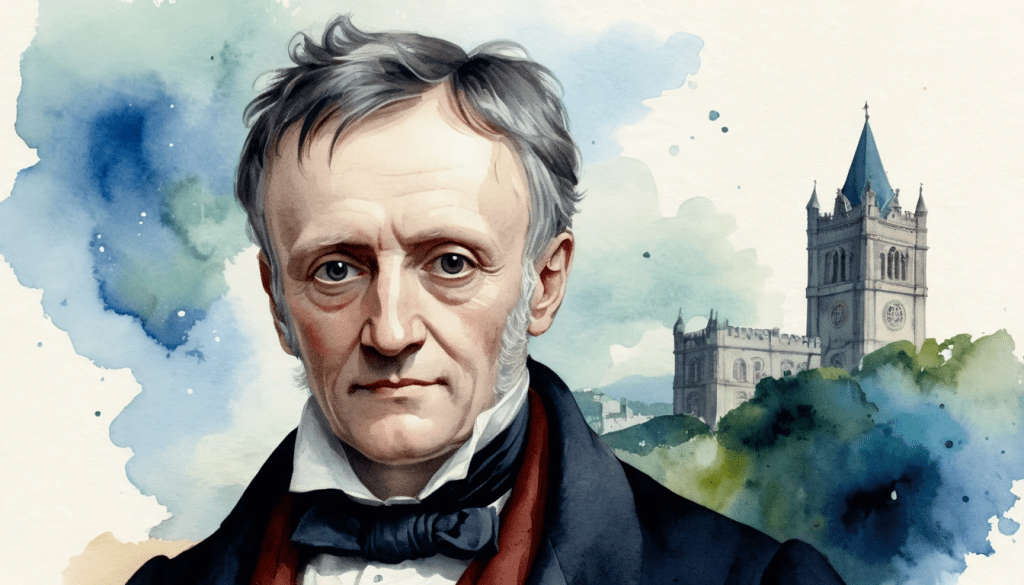
Thomas De Quincey transformed English prose into a landscape of inner experience. Blending dream imagery, psychological depth, and musical cadence, he redefined the personal essay and inspired generations of stylists. His visionary voice proved that English prose could reveal the mind’s anxieties, rhythms, and imaginative intensities.
-
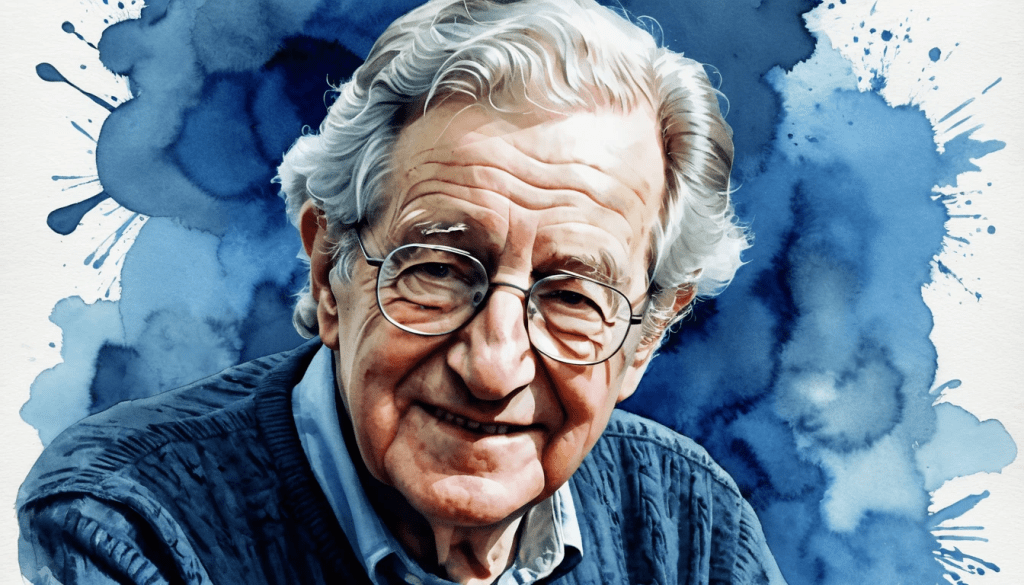
Born on December 7, 1928, Noam Chomsky transformed linguistics by arguing that language is an innate, universal human capacity. His generative grammar reshaped the study of English, turning linguistic research into a cognitive science and giving scholars a new conceptual vocabulary for understanding grammar, mind, and human thought.
-
Birth of Ira Gershwin (1896–1983) – The Lyricist Who Gave Modern English Its Songbook Wit and Rhythm
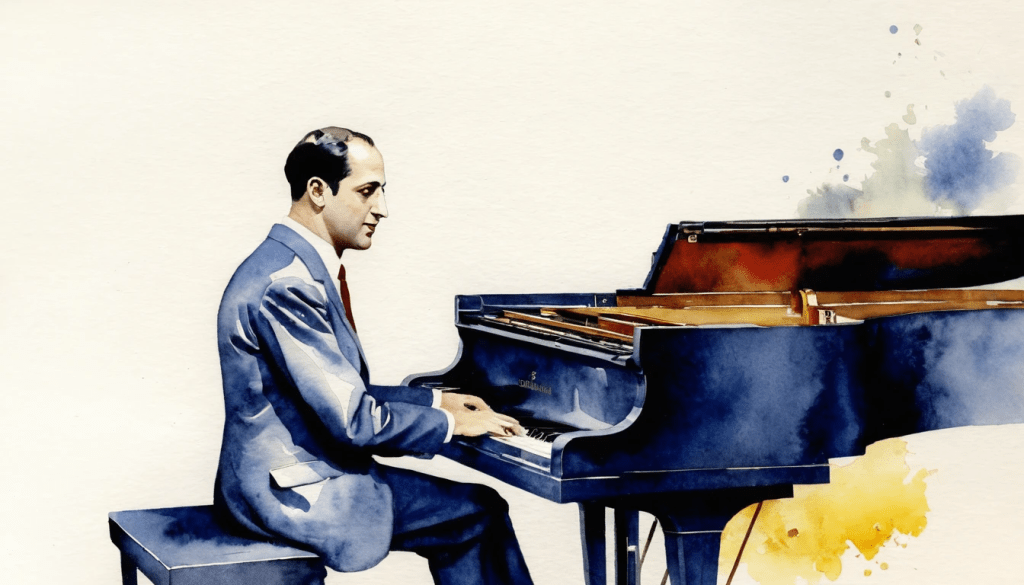
Born on December 6, 1896, Ira Gershwin transformed American English through lyrics that blended wit, rhythm, and conversational charm. His work shaped the Great American Songbook, elevating popular music with literary finesse and giving English a new musical voice that still echoes through Broadway, jazz, and modern songwriting.
-
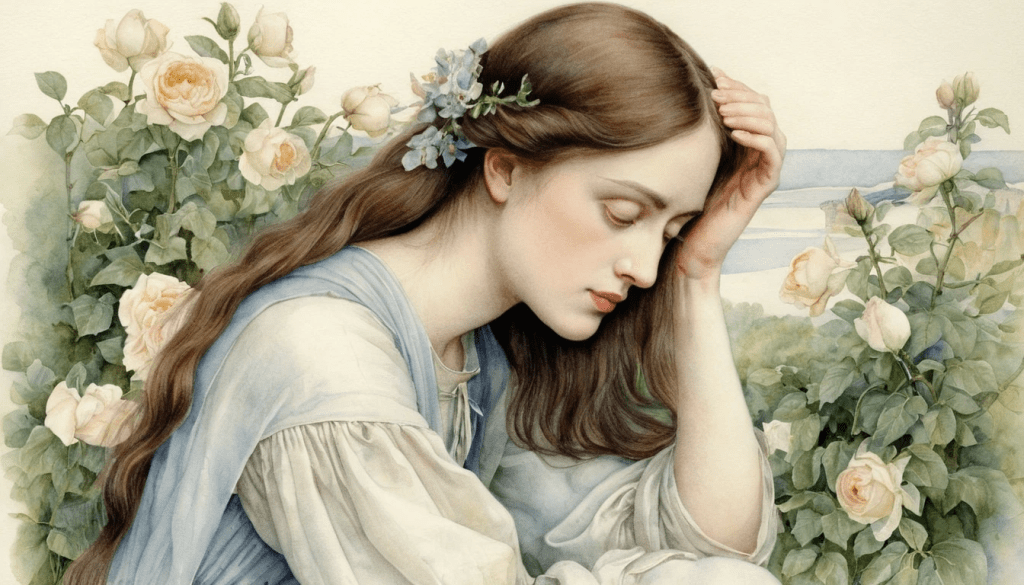
Christina Rossetti’s birth on December 5, 1830 introduced a lyric voice that transformed English poetry. Her devotional clarity, musical restraint, and crystalline diction reshaped Victorian verse and anticipated modernism. Through simplicity, symbolism, and emotional precision, Rossetti taught English how to express profound feeling in the quietest, purest language.
-
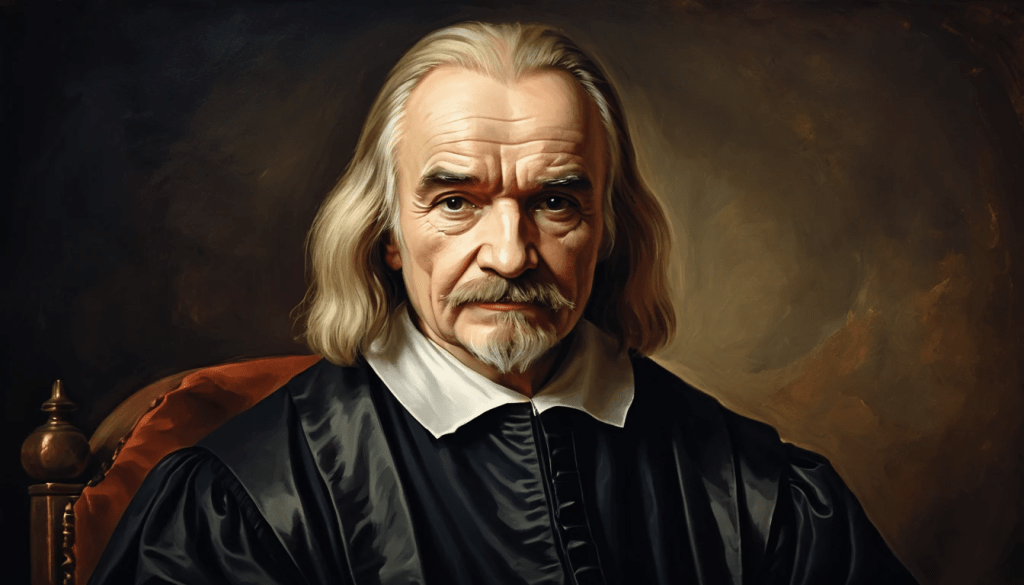
Thomas Hobbes transformed English into a language capable of precise political argument. Through Leviathan, he sharpened terms like “sovereignty” and “social contract,” forged a clear analytical prose style, and established methods of definition and reasoning that continue to shape modern English political vocabulary and argumentative writing.
-
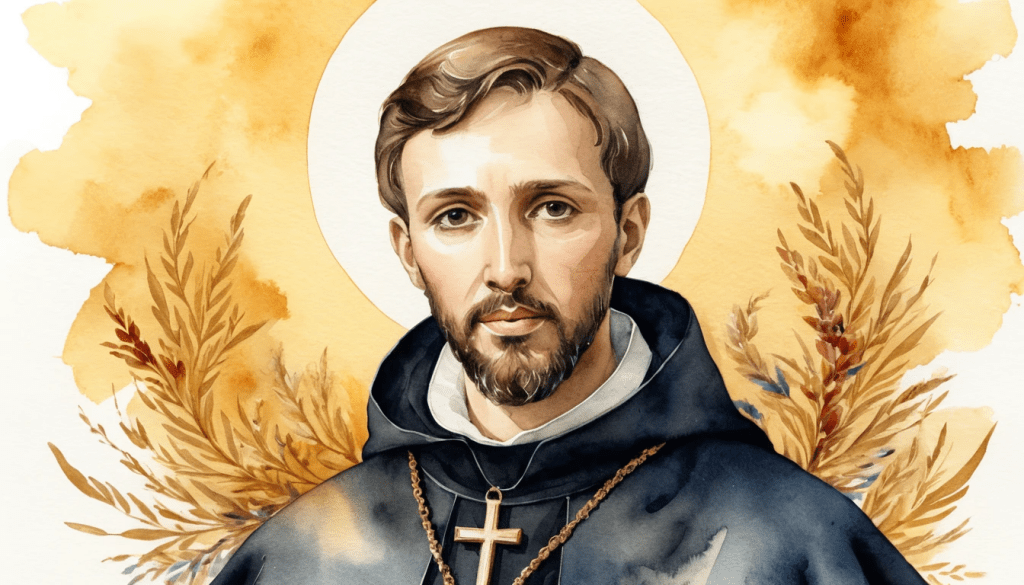
Saint Francis Xavier’s death on December 3, 1552, marked a turning point in global language history. His missionary routes opened cultural corridors later followed by English writers and linguists, shaping early encounters with Asian languages and inspiring the grammar-writing, translation, and cross-cultural scholarship that helped propel English onto the world stage.
-

World AIDS Day, observed on December 1, reshaped English public discourse by introducing a new vocabulary of empathy, activism, and scientific clarity. It transformed journalism, memoir, poetry, and global health rhetoric, blending precision with compassion and giving marginalized voices a powerful place in English-language narrative.
 What Happened on This Day?