
December 2024
-
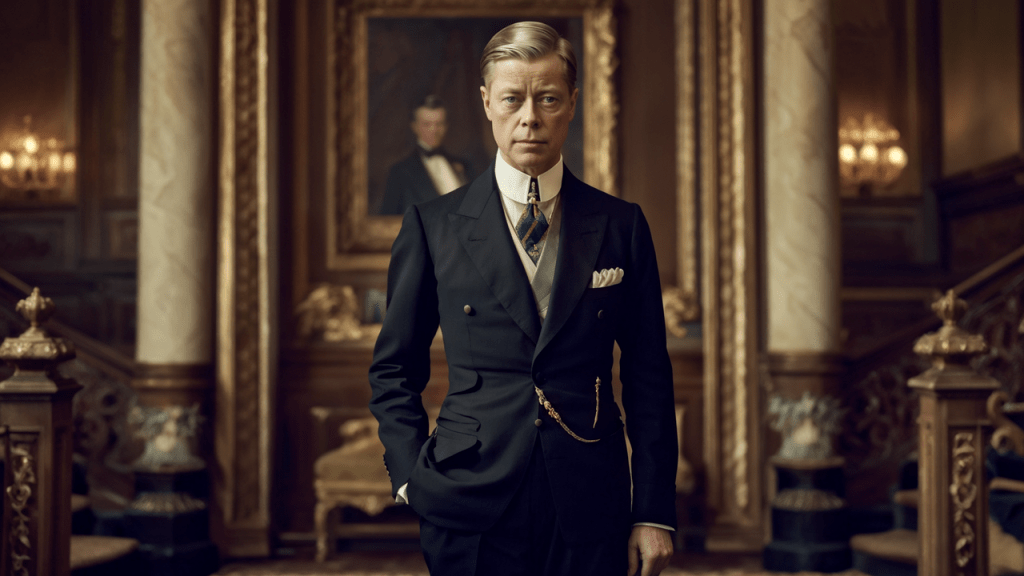
On December 11, 1936, Edward VIII’s abdication introduced terms like “abdication crisis” and “monarch for love,” reshaping English discussions on monarchy, duty, and personal freedom. This pivotal event redefined royal narratives.
-
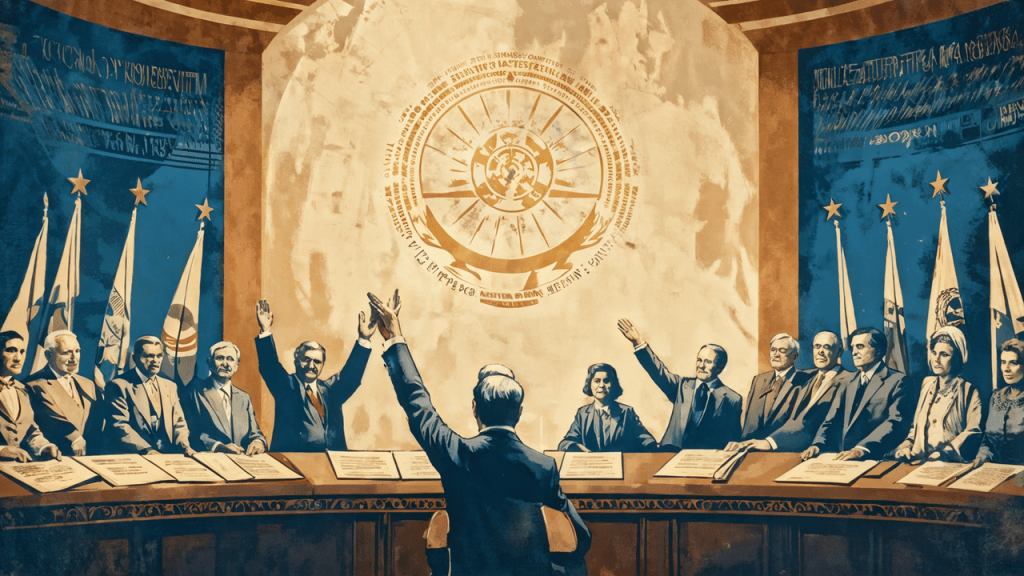
The Universal Declaration of Human Rights (UDHR) transformed English discourse by introducing terms like “human dignity” and “inalienable rights.” These phrases shaped legal texts, political rhetoric, and cultural narratives, embedding a universal vocabulary of justice, freedom, and equality that continues to resonate in global discussions of human rights and advocacy.
-
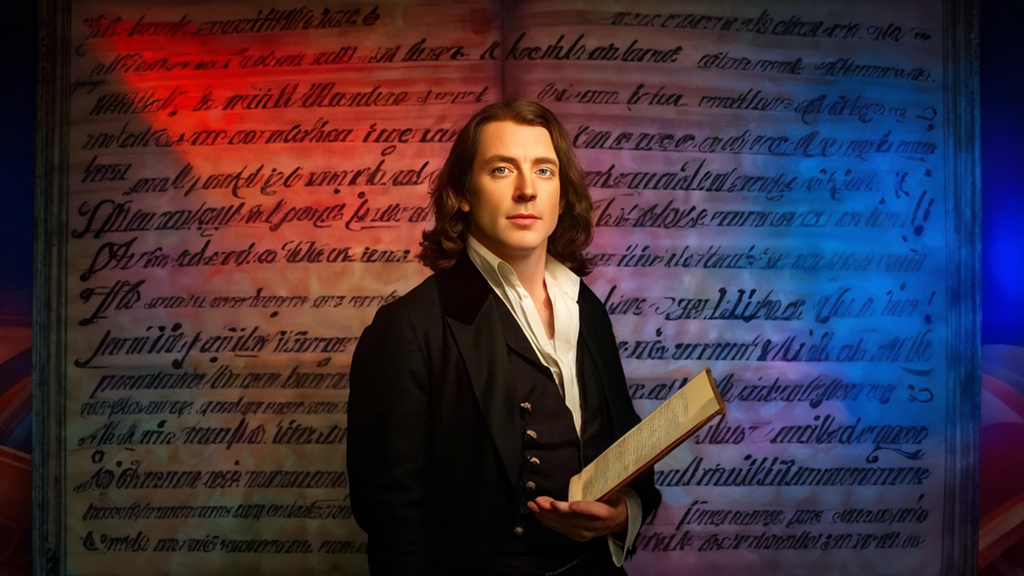
Born on December 9, 1608, John Milton transformed English literature with Paradise Lost and his linguistic innovations. Terms like “Pandemonium” and “darkness visible” reflect his impact on vocabulary, while his blank verse reshaped poetic form. Milton’s legacy continues to inspire discussions on theology, politics, and the human condition.
-
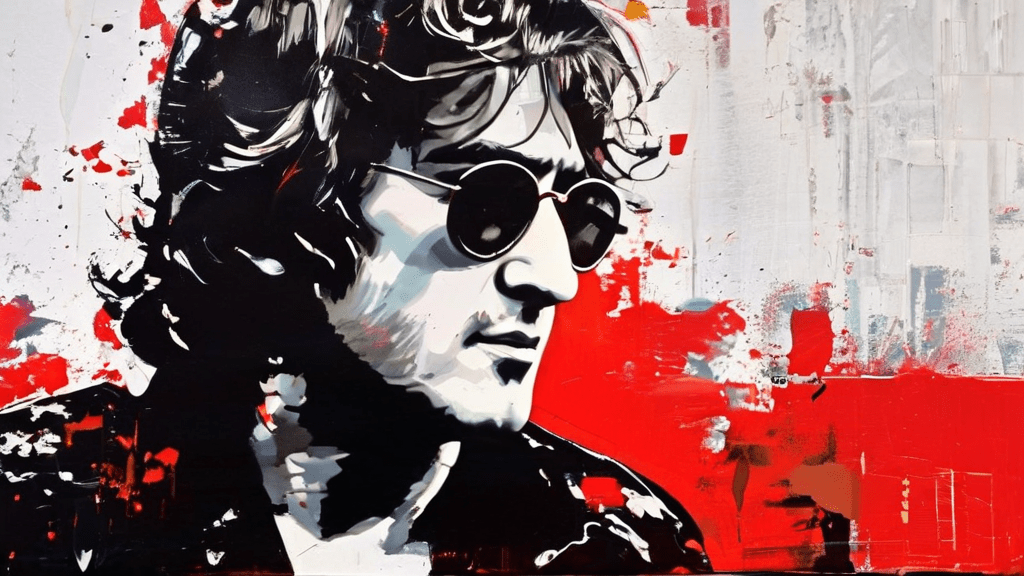
John Lennon’s legacy reshaped language with phrases like “imagine peace” and “give peace a chance,” embodying activism and creativity. His tragic assassination introduced enduring expressions of mourning and cultural transformation, linking his impact to peace, counterculture, and music. Lennon’s linguistic contributions highlight the power of words to inspire lasting change.
-

On December 7, 1941, the attack on Pearl Harbor reshaped history and language. Terms like “kamikaze” and “day of infamy” emerged, defining war tactics, patriotism, and diplomacy. This event enriched English discourse, leaving a legacy of resilience and unity.
-
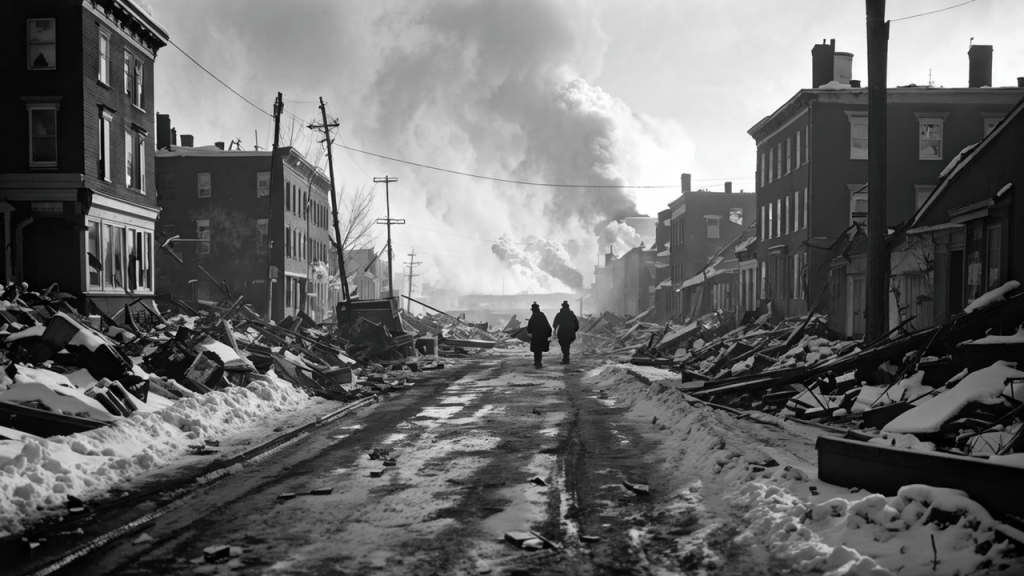
The Halifax Explosion of 1917 reshaped disaster response language, introducing terms like “disaster relief” and “mass casualty event.” These phrases, rooted in recovery efforts, have become staples in emergency management and humanitarian discourse, reflecting the enduring linguistic and societal impacts of this catastrophic event.
-

The repeal of Prohibition revitalized alcohol-related vocabulary, bringing terms like “cocktail,” “distillery,” and “speakeasy” back into common usage. The era’s legal, cultural, and social impact continues to shape the English language, influencing discussions of freedom, regulation, and societal norms.
-

On December 4, 1791, The Observer, the world’s oldest Sunday newspaper, debuted in London, revolutionizing journalism. Its innovations in editorial voice, investigative reporting, and media terminology shaped modern news practices, enriching the English lexicon with terms like “breaking news” and “editorial,” while solidifying journalism’s role as a democratic pillar.
-

Dr. Christiaan Barnard’s 1967 heart transplant redefined medicine and language. Terms like “heart transplant,” “organ donor,” and “bioethics” became central to public discourse, bridging science and ethics while enriching English vocabulary with medical and moral depth.
-
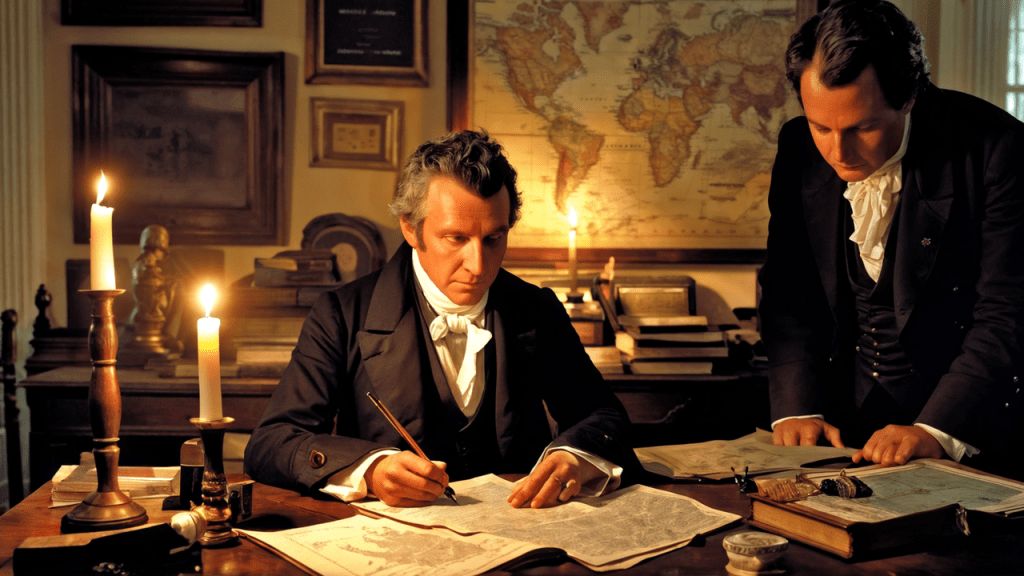
The Monroe Doctrine, declared on December 2, 1823, reshaped U.S. foreign policy and enriched English with terms like doctrine, sphere of influence, and non-interventionism. Its linguistic legacy continues to frame discussions of sovereignty, diplomacy, and power, influencing global political discourse and reinforcing America’s role as a hemispheric leader.
 What Happened on This Day?