
What Happened on This Day?
-
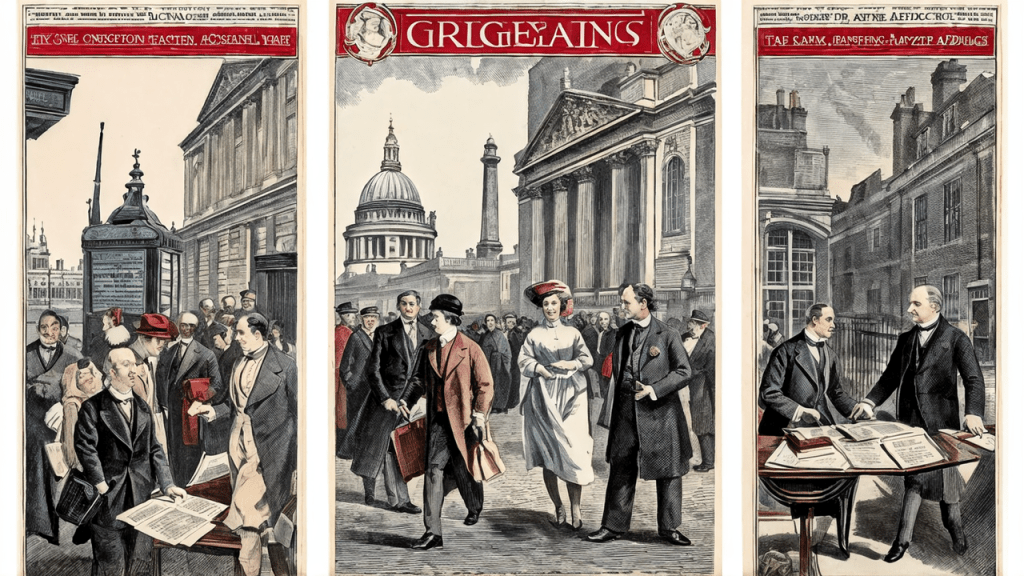
November 7, 1665 On November 7, 1665, The London Gazette published its first edition, laying the groundwork for modern English journalism. Originally known as The Oxford Gazette before its relocation to London, the publication was established as an official record of government affairs and public notices. The London Gazette played a unique role as both…
-
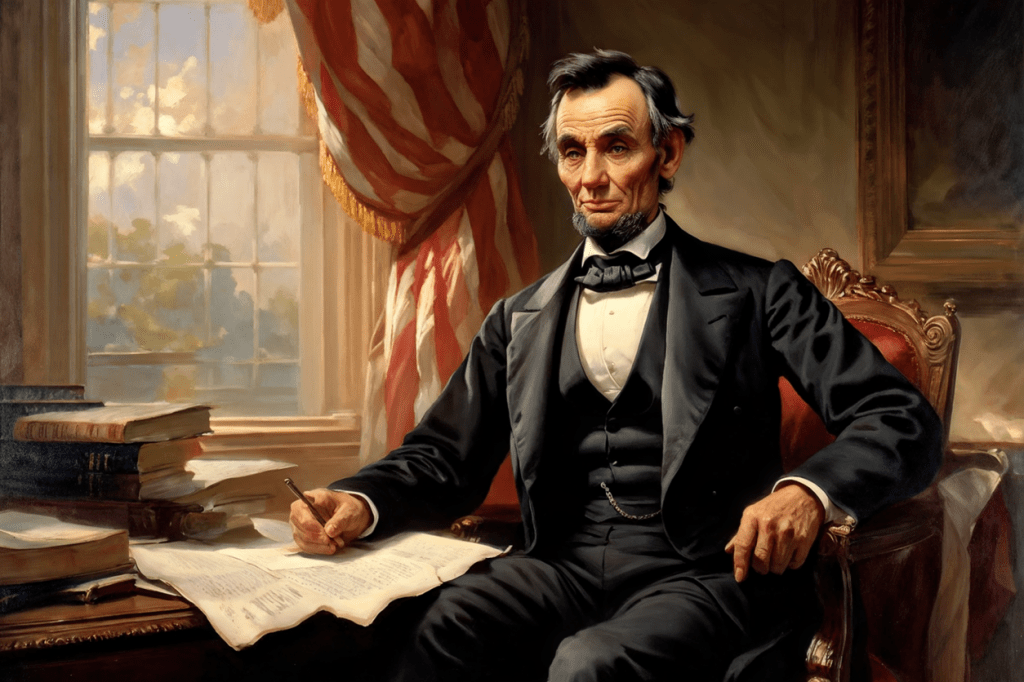
November 6, 1860 On November 6, 1860, Abraham Lincoln was elected as the 16th President of the United States. His election represented a turning point in American history, triggering a series of events that led to the Civil War and the eventual abolition of slavery. Lincoln’s leadership and oratory had a profound impact on American…
-

November 5, 1605 On November 5, 1605, Guy Fawkes and a group of conspirators attempted to carry out one of the most infamous plots in British history: the Gunpowder Plot. Their plan to blow up the Houses of Parliament aimed to assassinate King James I and overturn the Protestant government in favor of a Catholic…
-
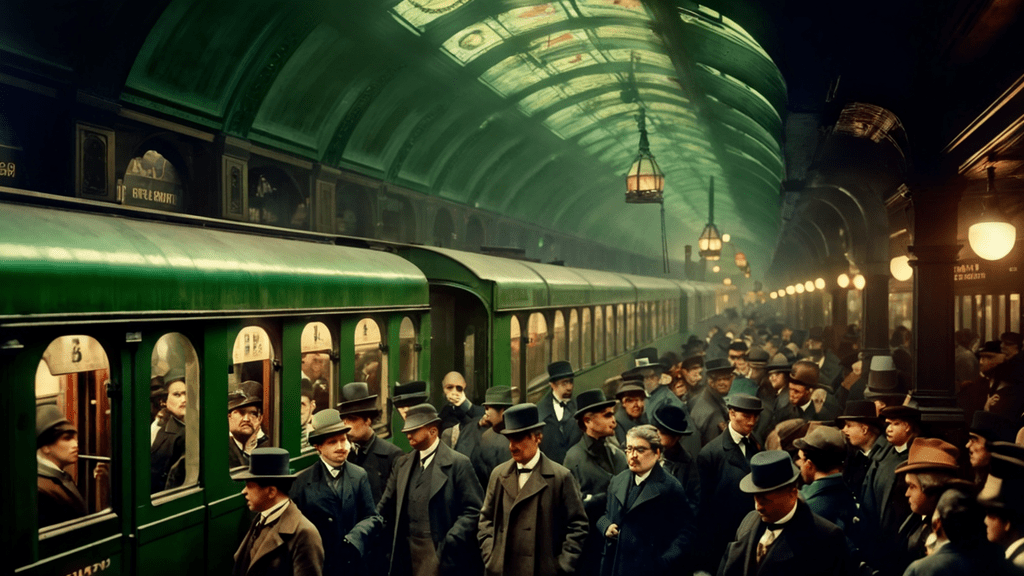
November 4, 1890 On November 4, 1890, the City and South London Railway officially opened as the world’s first electrified underground railway, connecting the Stockwell and King William Street stations in London. This remarkable engineering feat transformed urban transit and introduced a new vocabulary that reshaped public transport language in English-speaking countries. Terms like “subway,”…
-
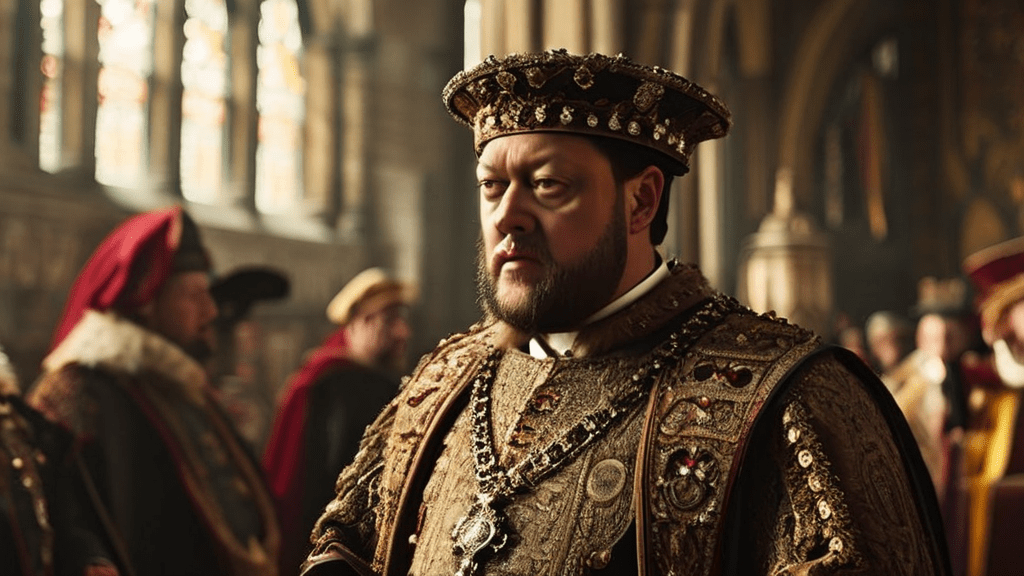
November 3, 1534 On November 3, 1534, King Henry VIII was declared the Supreme Head of the Church of England, a historic break from the authority of the Roman Catholic Church that reshaped religious life and language in England. Enacted through the Act of Supremacy, this separation marked the beginning of the English Reformation, a…
-
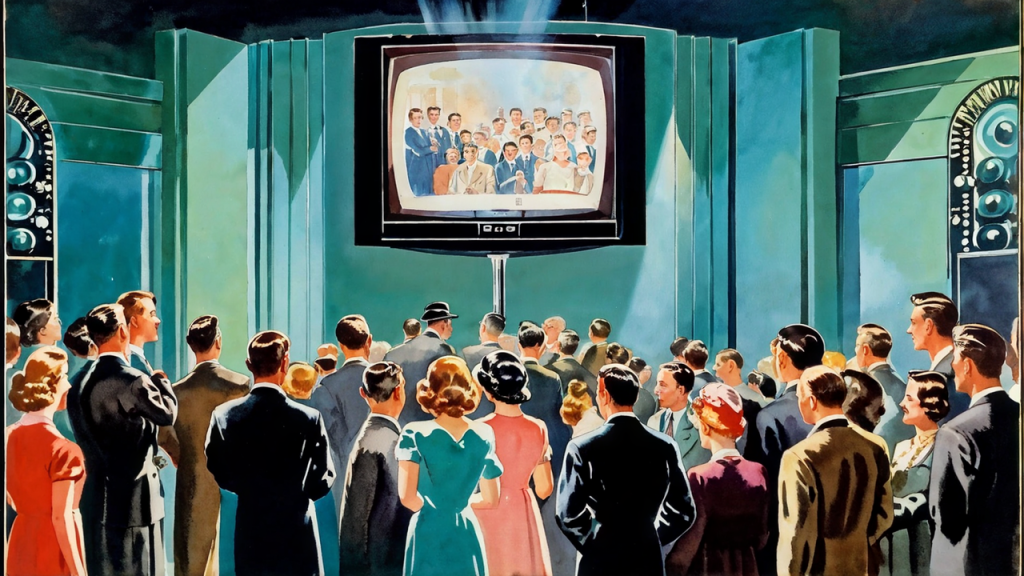
November 2, 1936 On November 2, 1936, the British Broadcasting Corporation (BBC) began the world’s first regular television broadcasts, launching an era that would forever transform communication, entertainment, and language. This pioneering step in media history signaled the arrival of television as a central medium for reaching mass audiences with news, entertainment, and educational programming,…
-
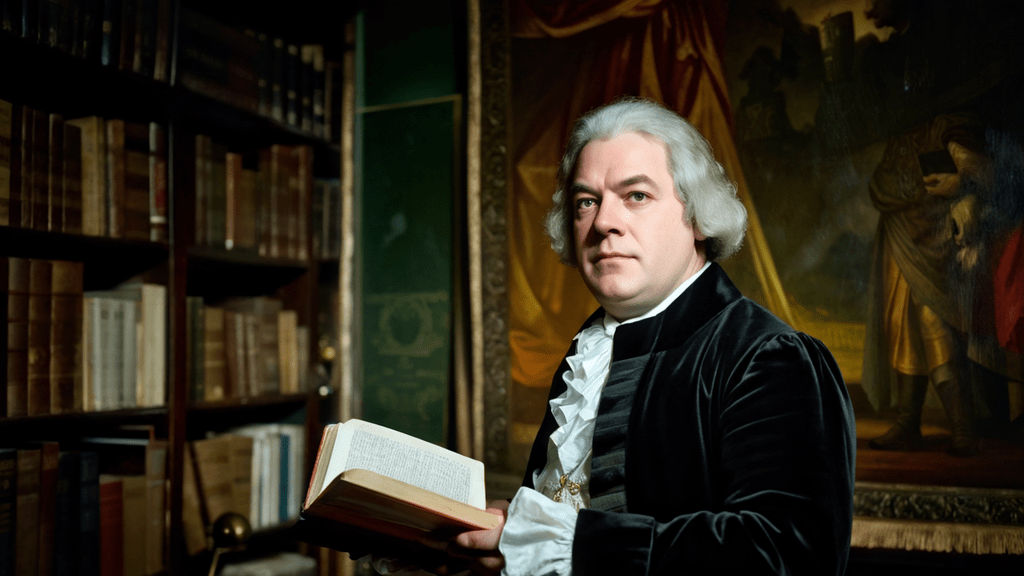
November 1, 1604 On November 1, 1604, A Table Alphabeticall by Robert Cawdrey was published as the first known English dictionary. This pioneering work marked a transformative step toward standardizing English vocabulary and providing guidance on the meanings and usage of “hard words”—unfamiliar or complex terms that were becoming more prevalent in English writing. Cawdrey’s…
-
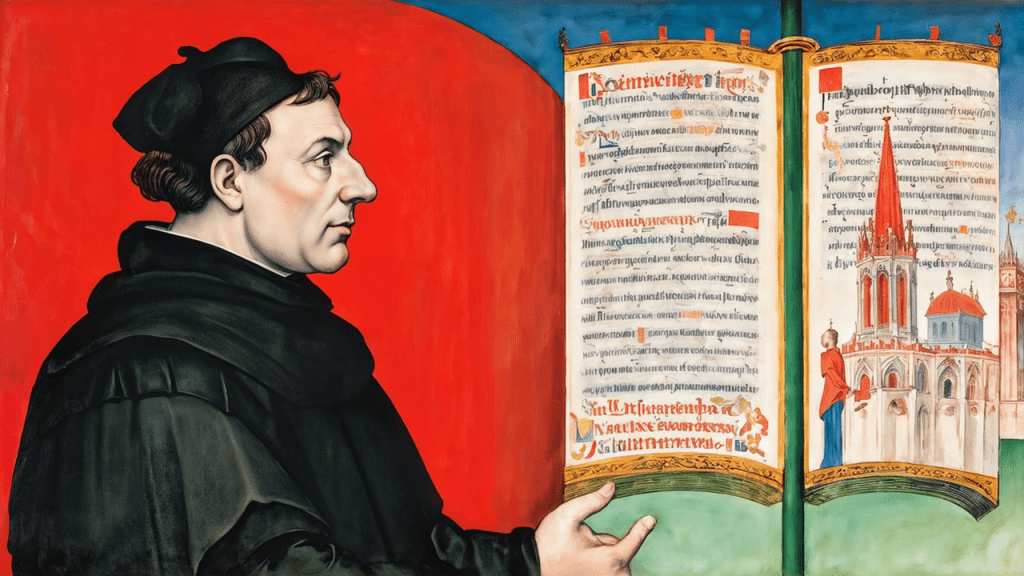
October 31, 1517 On October 31, 1517, Martin Luther’s act of reportedly nailing his Ninety-Five Theses to the door of Wittenberg Castle Church became a defining moment that catalyzed the Protestant Reformation. This event spurred extensive religious upheaval across Europe, which in turn left a significant impact on English language and religious discourse. Key terms…
-
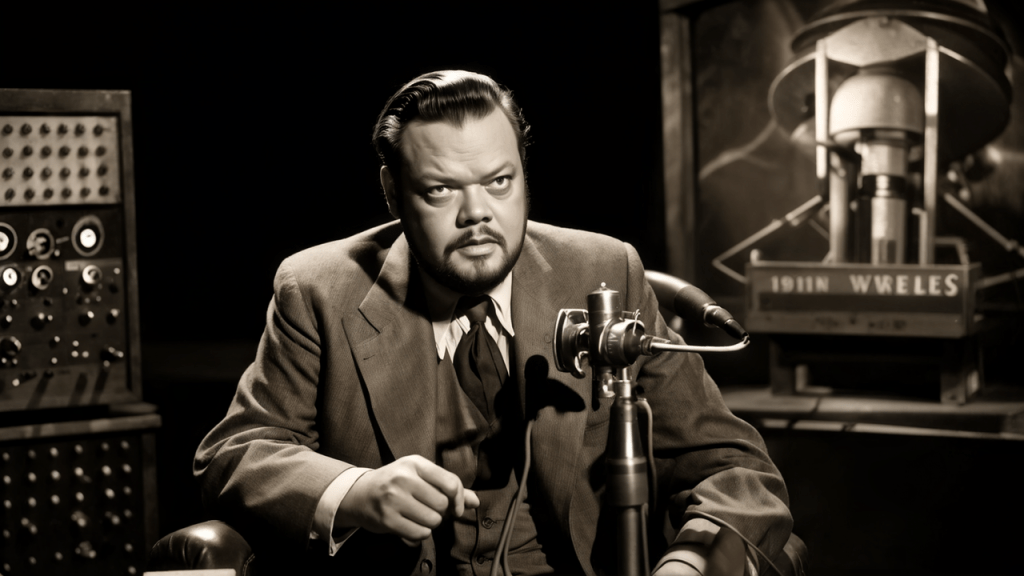
October 30, 1938 On October 30, 1938, Orson Welles and the Mercury Theatre on the Air performed an infamous radio adaptation of H.G. Wells’ The War of the Worlds. Presented as a series of live news bulletins reporting an alien invasion, the broadcast was so realistic that many listeners believed it to be a genuine…
-

October 29, 1929 On October 29, 1929, known as “Black Tuesday,” the Wall Street Crash shattered the U.S. stock market, setting off the Great Depression—a period of profound economic hardship that reshaped global finance and everyday life. The crash introduced a powerful lexicon of economic terms into widespread use, as words like “depression,” “recession,” “bankruptcy,”…
 What Happened on This Day?