
What Happened on This Day?
-
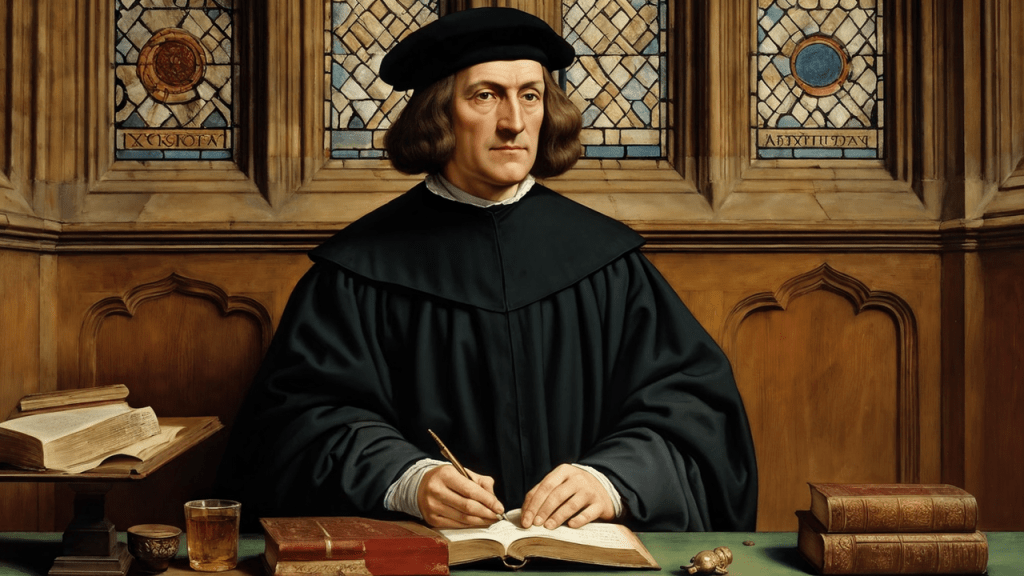
In 1477, William Caxton introduced the printing press to England, transforming the English language. His publications standardized grammar and spelling, enriched the vocabulary with philosophical and literary terms, and democratized knowledge by making books accessible. Caxton’s work marked the beginning of Modern English and established a lasting literary tradition.
-
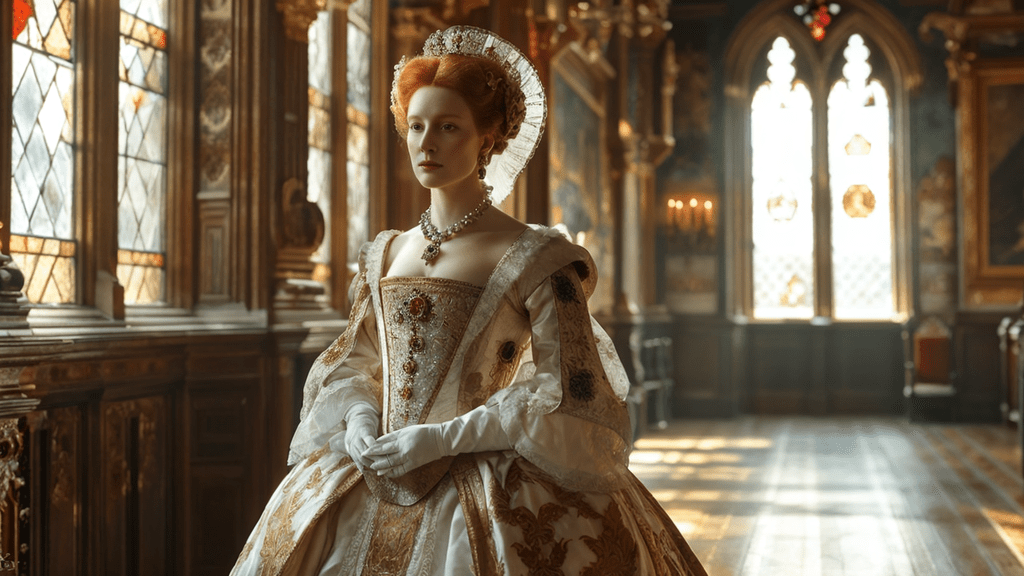
On November 17, 1558, Queen Elizabeth I ascended the throne, ushering in the Elizabethan Era. This transformative period enriched the English language through Shakespearean innovations, global trade vocabulary, and a rise in national pride. Her reign laid the foundation for Modern English, shaping it as a tool for culture, governance, and global influence.
-
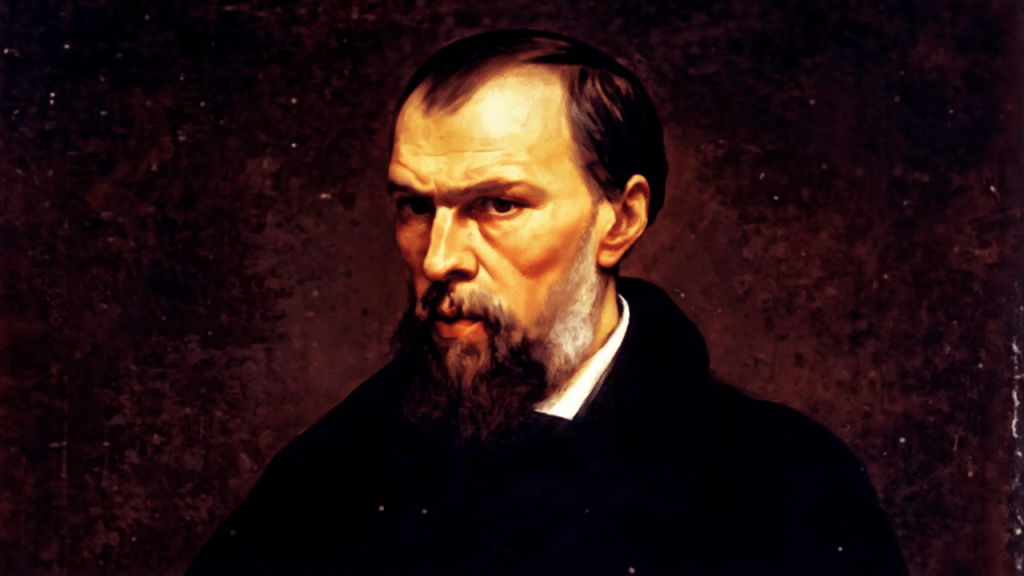
On November 16, 1849, Fyodor Dostoevsky narrowly escaped execution, shaping his literary genius. Translations of his works like Crime and Punishment enriched English, introducing terms such as “Dostoevskian,” existentialism, and “moral ambiguity.”
-
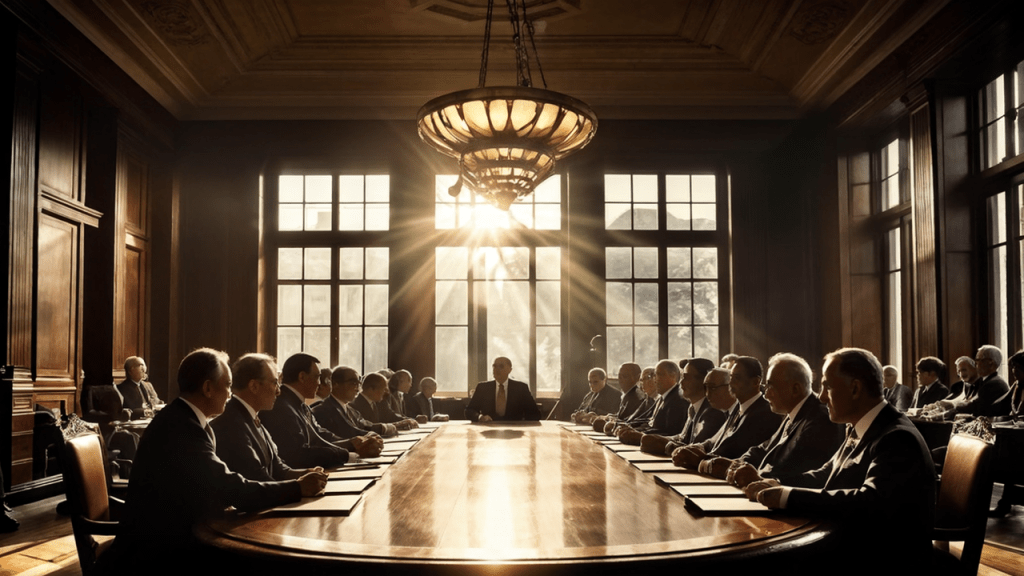
The League of Nations’ first assembly on November 15, 1920, revolutionized global diplomacy and enriched the English lexicon. Terms like “collective security” and “humanitarian aid” emerged, shaping discussions on governance, peace, and international cooperation. Its legacy endures in modern diplomacy, influencing both language and the principles of global collaboration.
-
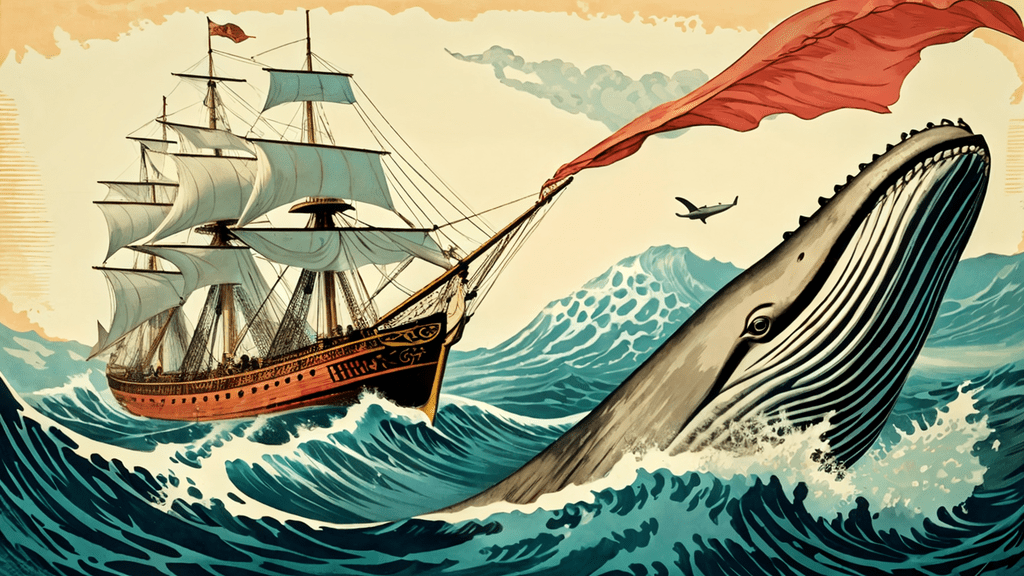
On November 14, 1851, Moby-Dick was published in the U.S., forever changing American literature. Melville’s tale introduced terms like “white whale” and “Call me Ishmael,” which symbolize obsessive pursuit and introspection. Themes of ambition, fate, and nature’s power in the novel have since enriched English language and culture.
-
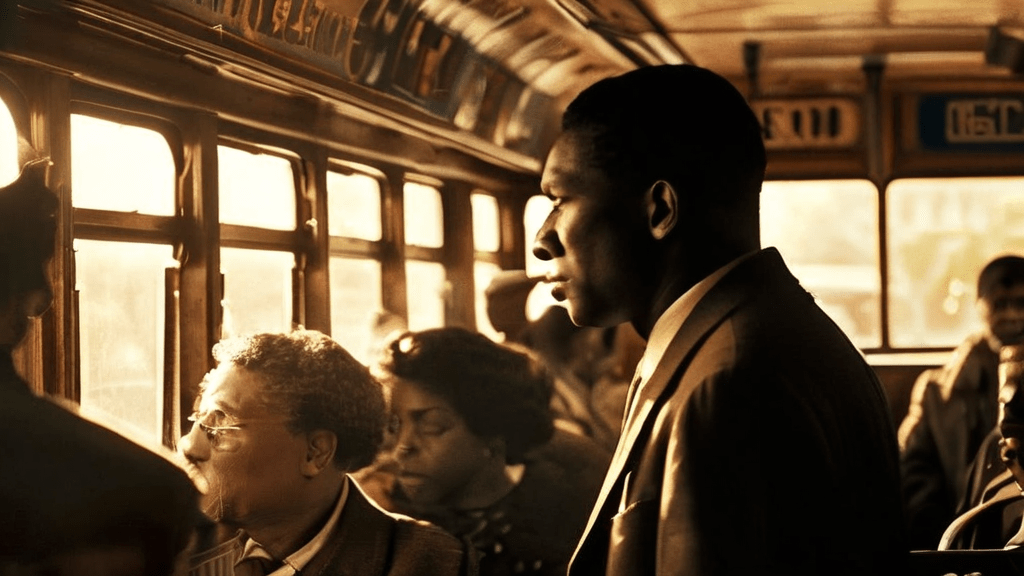
The U.S. Supreme Court’s 1956 decision against bus segregation marked a victory for civil rights and enriched English with terms like “desegregation” and “nonviolent resistance.” This vocabulary has since become central to discussions on justice, equality, and human rights, influencing conversations worldwide on social equity and activism.
-
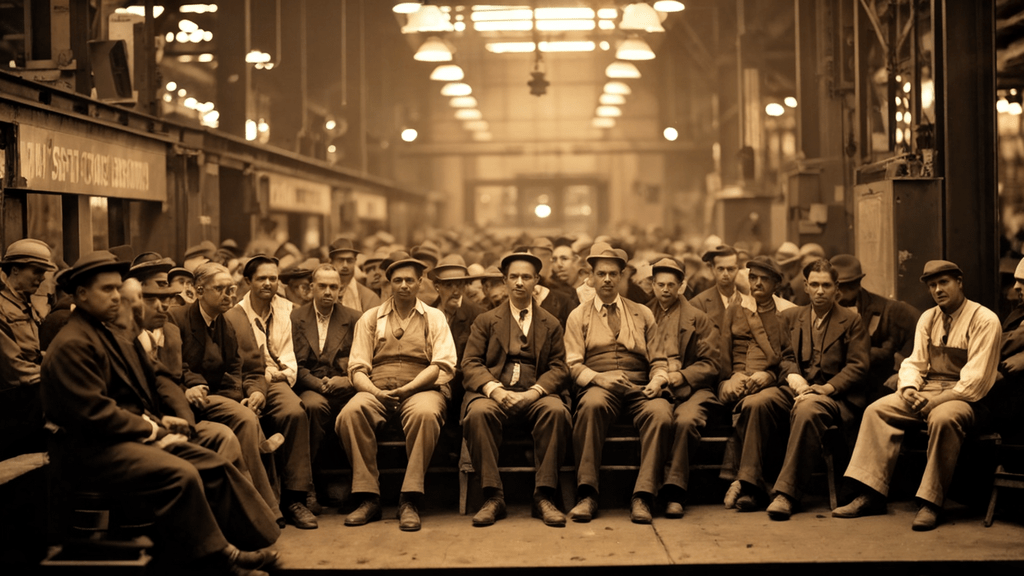
The November 12, 1933, sit-down strike in Detroit pioneered a new form of peaceful labor protest, leading to terms like “occupy,” “solidarity,” and “strike action” in English. This vocabulary highlighted resilience and unity, expanding the language of civil rights and labor movements in ways that still resonate today.
-
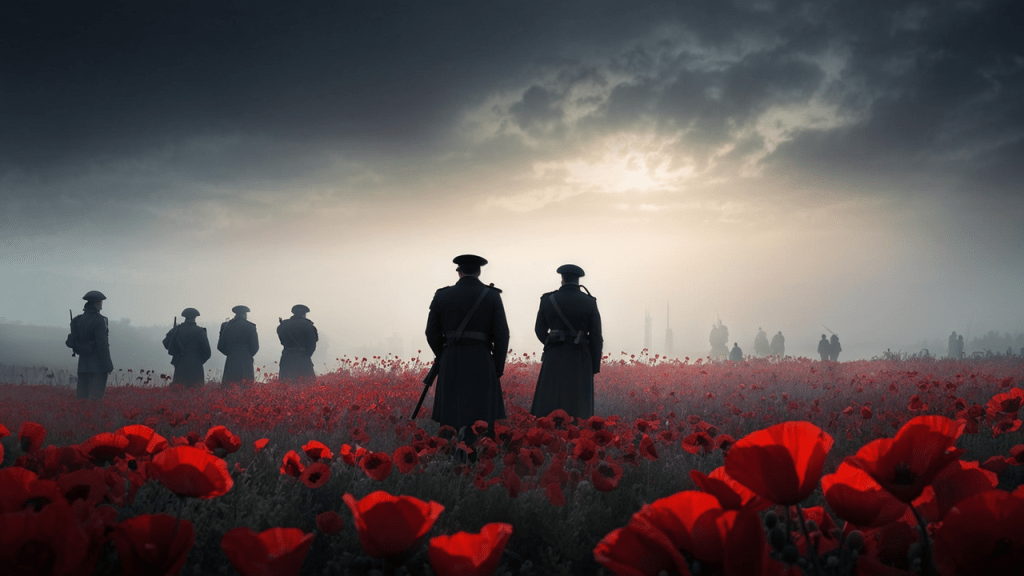
The 1918 Armistice ended World War I, giving rise to powerful terms like “lest we forget” and “veteran.” These words resonate deeply, shaping remembrance culture and honoring sacrifices for future generations.
-

November 10, 1483 Martin Luther, born on November 10, 1483, became one of the most influential figures in religious history by sparking the Protestant Reformation in 1517, a movement that reshaped not only religious practices but also the language of faith, philosophy, and personal conscience in English. By challenging the authority of the Catholic Church,…
-
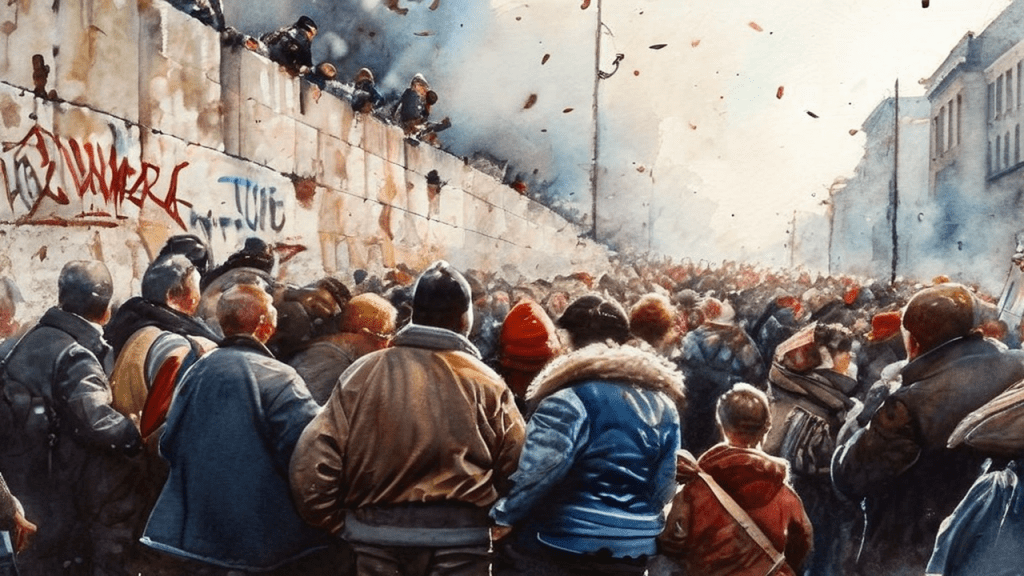
November 9, 1989 On November 9, 1989, the Berlin Wall, a powerful symbol of the Cold War, was breached. This event marked not only the beginning of German reunification but also the end of an era defined by global tension, nuclear standoffs, and ideological division between East and West. The fall of the Berlin Wall…
 What Happened on This Day?