
2026 March
-
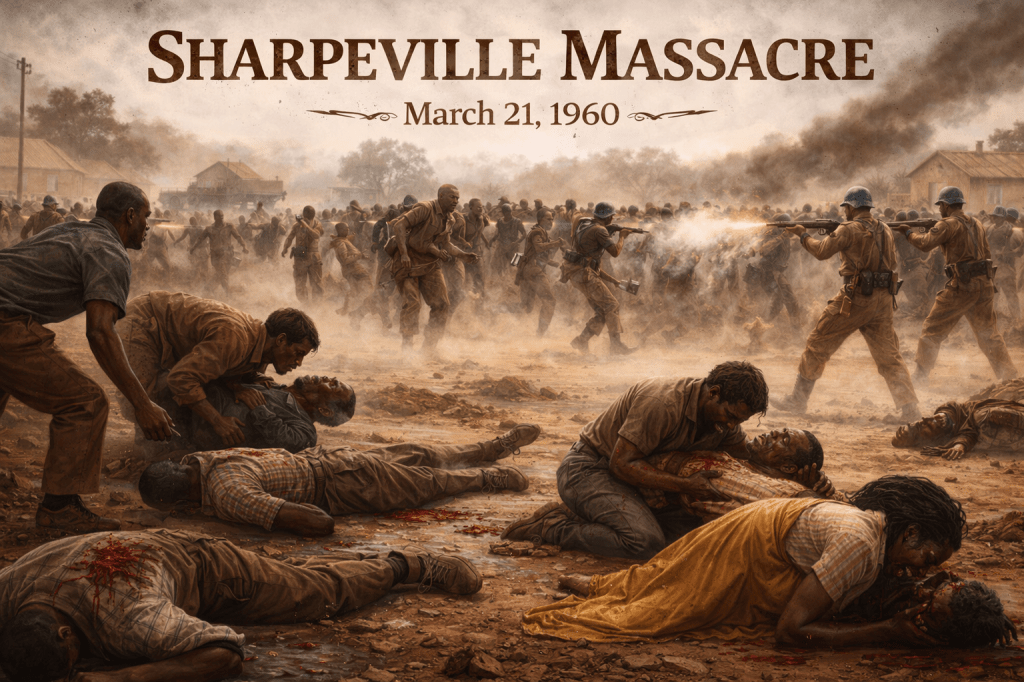
The Sharpeville Massacre marked a turning point in global awareness of apartheid, transforming local tragedy into international discourse. Through English-language reporting, it expanded the vocabulary of human rights, protest, and resistance. Words like injustice, repression, and freedom gained sharper urgency, helping shape a global language capable of confronting systemic inequality.
-
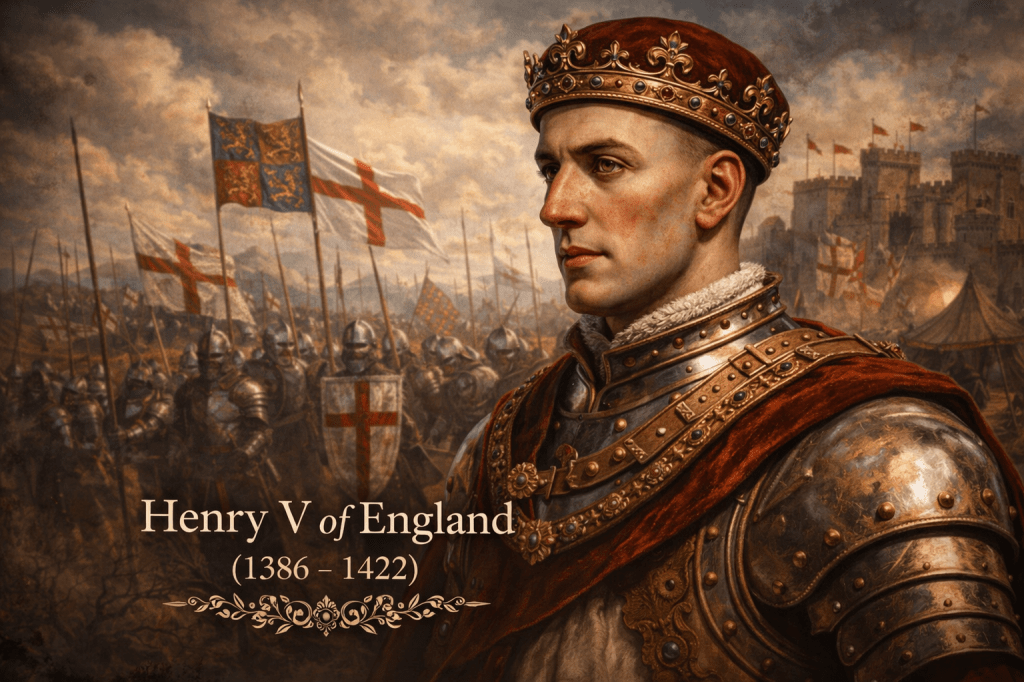
On March 20, 1413, Henry V became king of England at a turning point in linguistic history. As French declined in government and law, English rose into positions of authority. This shift marked the moment when the language of the people began to function as the language of power.
-
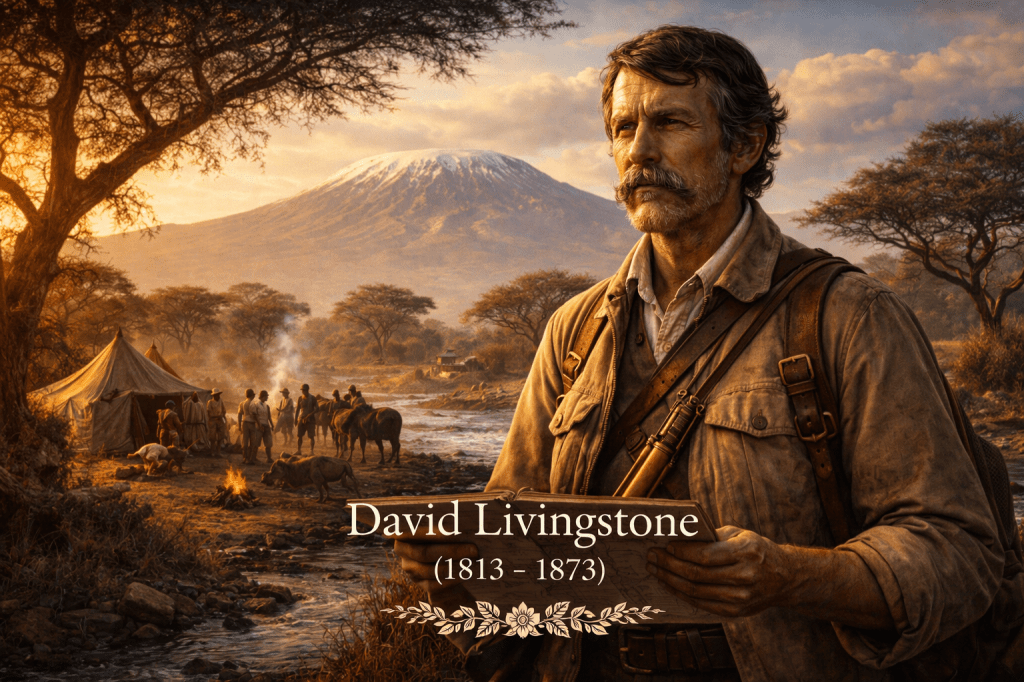
David Livingstone’s exploration narratives carried English across continents, blending vivid landscape description with scientific observation and moral reflection. His widely read works expanded geographic vocabulary, introduced African contexts into English prose, and reinforced the language as a tool of global communication, administration, and cross-cultural exchange during the nineteenth century.
-
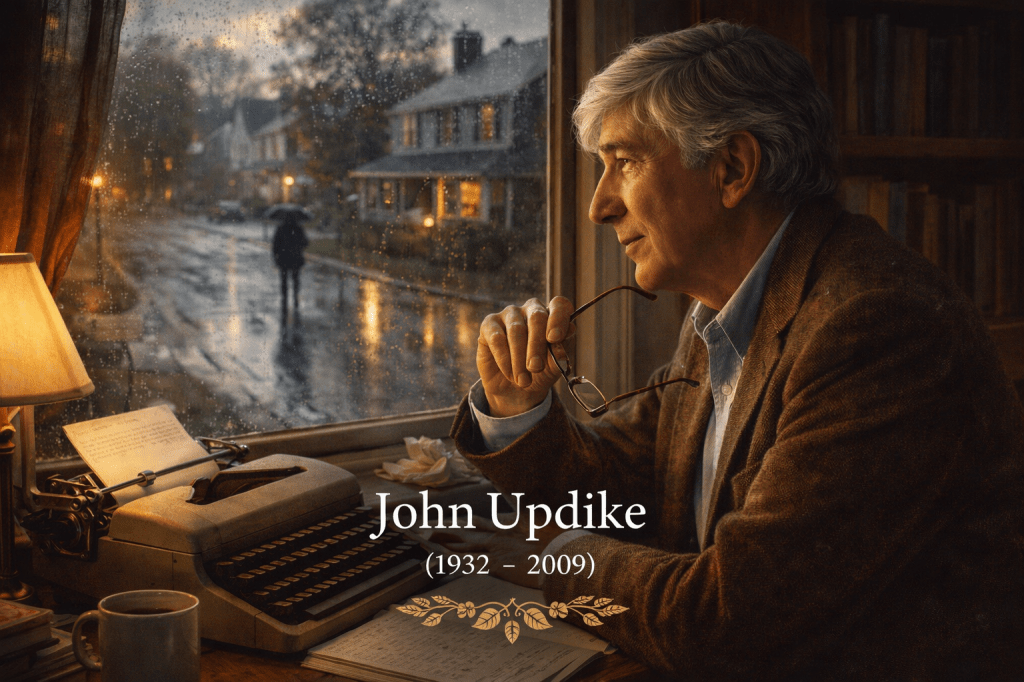
Born in 1932, John Updike transformed everyday American life into refined literary prose through works like Rabbit, Run. His detailed style captured suburban rhythms, psychological depth, and cultural shifts, proving that ordinary experience—rendered with precision and insight—can become a powerful lens for understanding modern life in English literature.
-
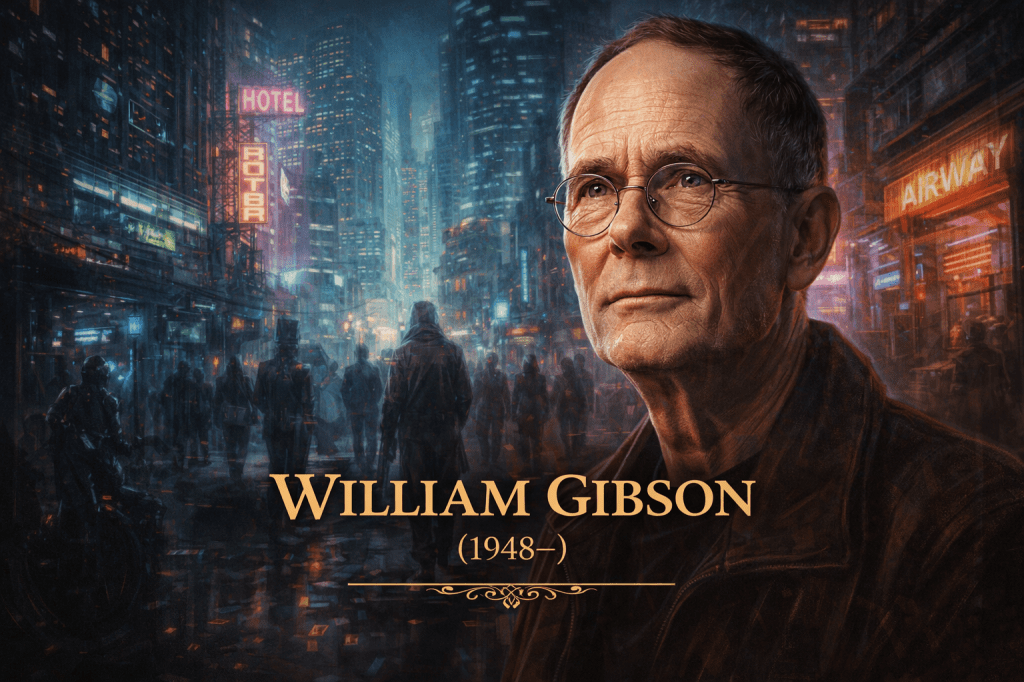
Born in 1948, William Gibson reshaped digital language through Neuromancer. By introducing “cyberspace” and vivid technological imagery, he gave English a way to describe networks, artificial intelligence, and virtual worlds, proving that fiction can anticipate reality—and even create the vocabulary needed to fully understand it.
-
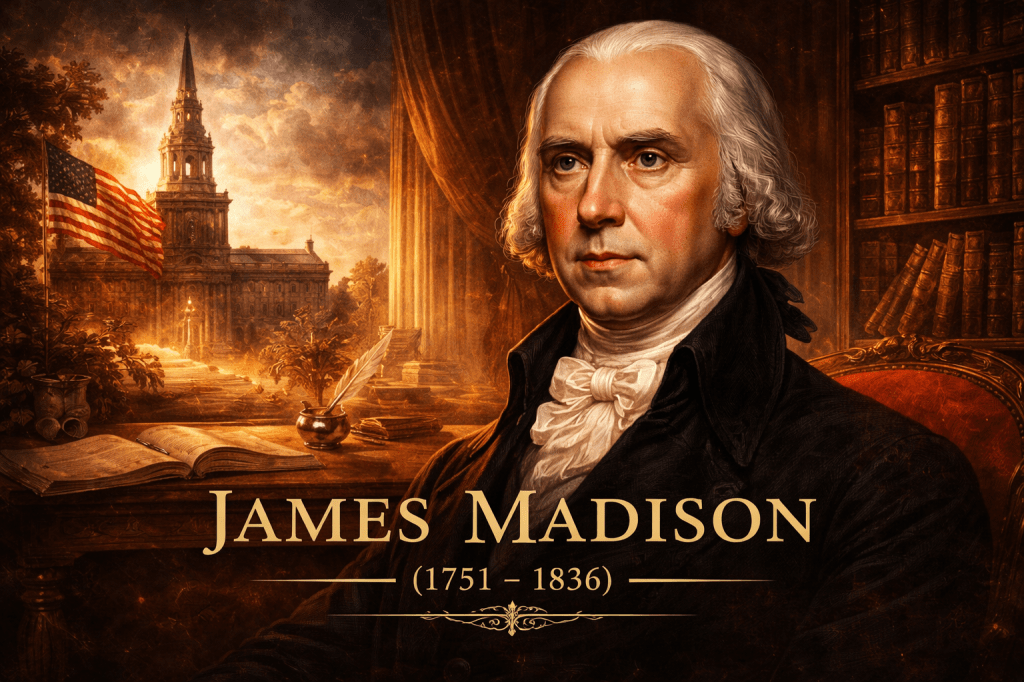
Born in 1751, James Madison helped shape the language of constitutional government through his essays in The Federalist Papers. His analytical prose combined philosophical reasoning, legal precision, and persuasive structure, establishing a lasting model for political argument in English and influencing constitutional debate, democratic theory, and legal writing for generations.
-
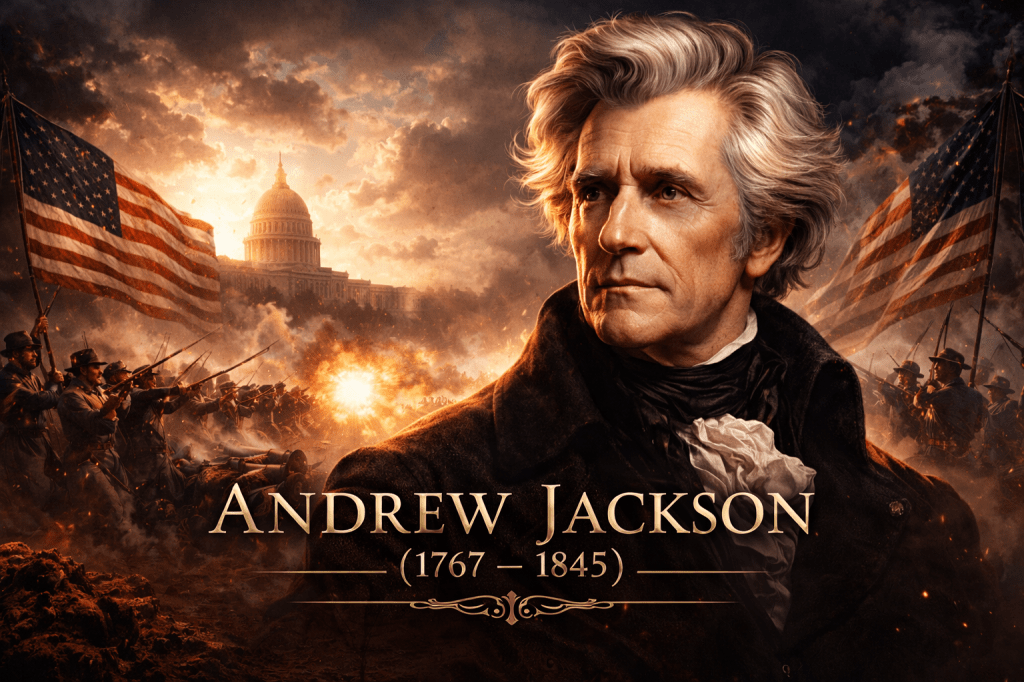
Born in 1767, Andrew Jackson helped transform American political rhetoric by favoring direct, forceful language over elite formalism. His speeches emphasized clarity, emotional appeal, and the voice of ordinary citizens, encouraging a style of political communication designed for mass audiences and shaping the populist tone that continues influencing democratic discourse.
-
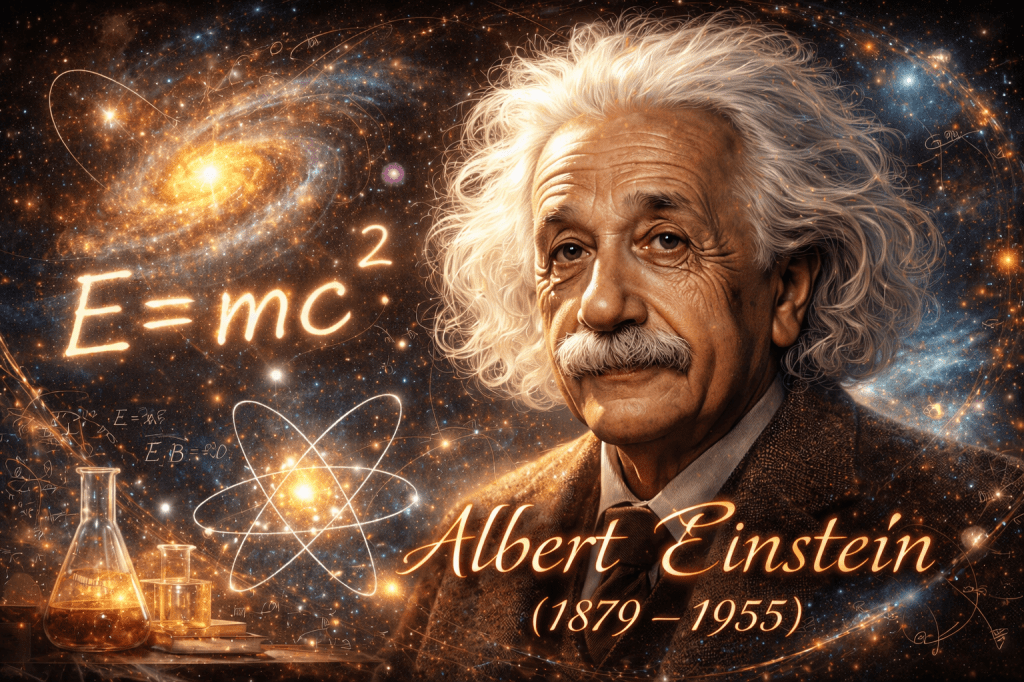
Born in 1879, Albert Einstein transformed modern physics through the theory of relativity, redefining how scientists describe space, time, energy, and gravity. As his ideas spread through English-language science, terms like spacetime, relativity, and mass–energy equivalence became central to the vocabulary used to explain the universe.
-
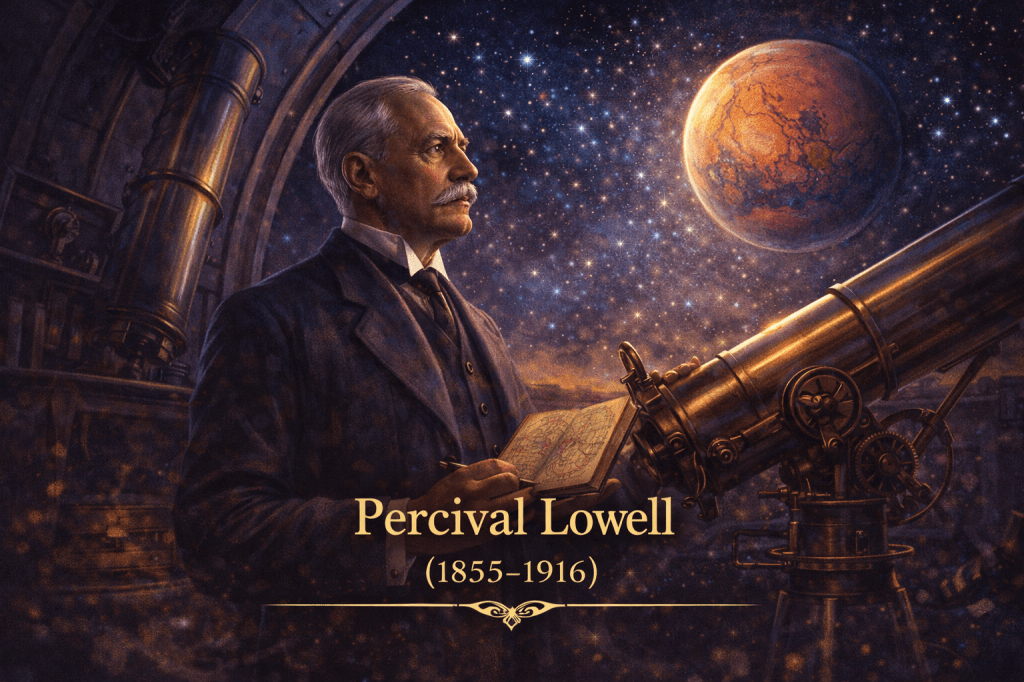
Born March 13, 1855, Percival Lowell helped transform astronomy into vivid public storytelling. Through books about Mars and its supposed canals, he translated complex observations into imaginative English prose, expanding scientific vocabulary and inspiring generations of readers, science communicators, and early science fiction writers to envision life beyond Earth.
-
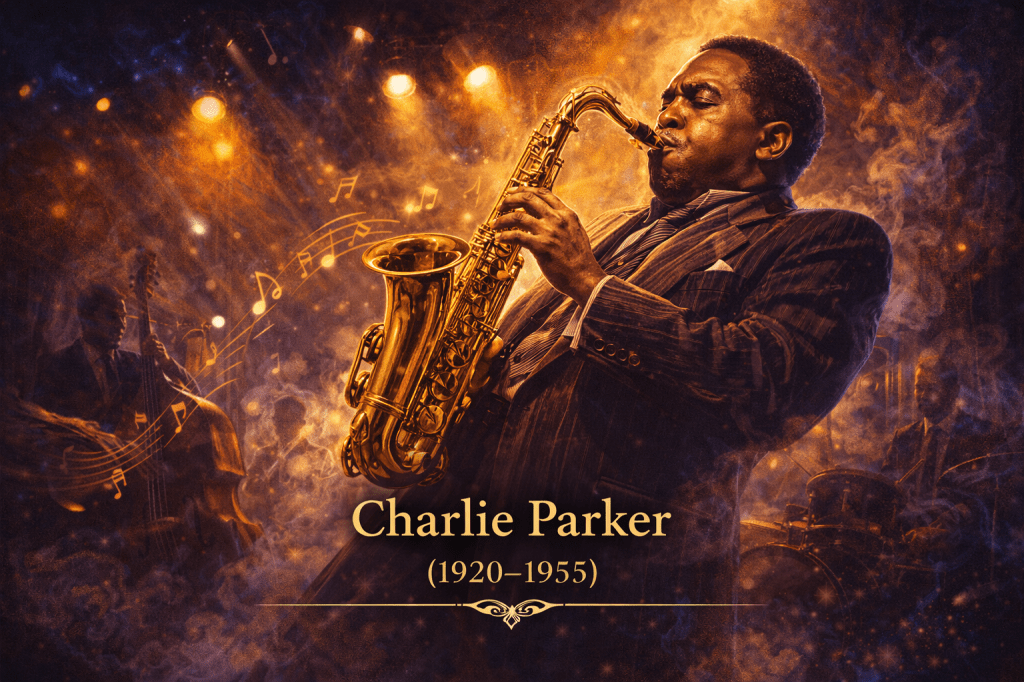
On March 12, 1955, the death of Charlie Parker marked the passing of a jazz revolutionary. As a central figure in the Bebop movement, Parker reshaped improvisation and inspired a new vocabulary in English music criticism—introducing terms and metaphors that still define how musicians and critics describe jazz performance today.
 What Happened on This Day?